
Standard & Custom Polymer Rods & Sheets
Direct supply from Hebei production lines: semi-finished rods, heavy wear casting sheets, and tight-tolerance fluoropolymers ready for global industrial machining.
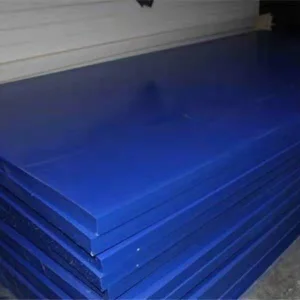
MC Nylon PA6 Polyamide Sheet
View Product Specs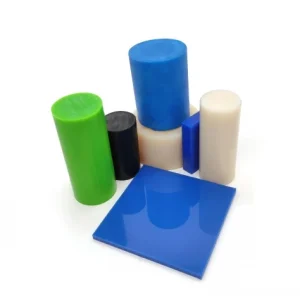
PA6 / PA66 Plastic Board & Durable Nylon Rods
View Product Specs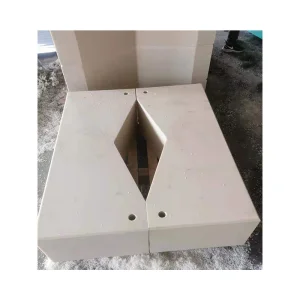
MC Casting PA6 Engineering Plastic Sheet
View Product Specs
Wholesale Polyamide PA66, PTFE Rod & ABS Solid Bar
View Product Specs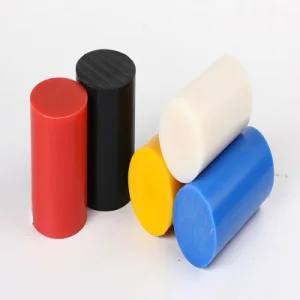
Natural White Extruded Nylon Round Rods
View Product Specs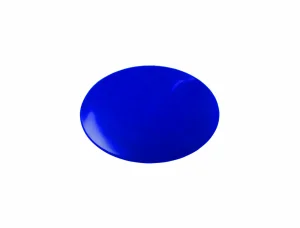
High Impact Blue Nylon Cushion for Piling Machinery
View Product Specs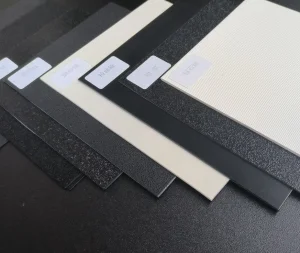
OEM Smooth Texture ABS Engineering Plastic Sheet
View Product Specs
Custom Color PA6, PP, UHMWPE, PTFE & HDPE Bar
View Product SpecsThe Evolution of PTFE Rod Manufacturing: Material Engineering & Global Demand
A rigorous examination of fluoropolymer morphology, polymerization breakthroughs, and modern tribological parameters defining mission-critical industrial hardware.
In high-performance engineering plastics, few polymers exhibit the thermal endurance, electrical neutrality, and absolute chemical inertness of Polytetrafluoroethylene (PTFE). As an authoritative PTFE rod manufacturer with over two decades of processing proficiency, SHUNDA navigates the complex microstructural shifts transforming fluoropolymer supply chains. The modern industrial landscape has rapidly moved past uncalibrated virgin plastics toward precision-engineered composite matrices, where molecular weight distribution, void fraction minimization, and stress-relieved annealing determine whether a component survives inside a subsea chemical valve or a semiconductor lithography wet bench.
PTFE rods, commonly referred to under traditional commercial trade names such as Teflon rod, are produced primarily through two mechanical pathways: ram extrusion for continuous rod lengths and compression / isostatic molding for large-diameter billets. The fundamental challenge across both methodologies lies in the polymer's non-melt processability. Possessing an ultra-high molecular weight (approaching 10^6 to 10^7 g/mol), PTFE does not exhibit a conventional molten liquid state above its crystalline melting point (327°C / 621°F). Instead, it forms a high-viscosity, gel-like phase that resists standard injection molding. Reliable manufacturing demands advanced cold compaction followed by computer-controlled thermal sintering.
Molecular Cohesion & Sintering Precision
Thermal sintering curves must be modulated within ±1.5°C margins inside inert or convection ovens. This eliminates thermal gradient stresses, prevents micro-cracking, and guarantees full recrystallization of carbon-fluorine helical backbones for maximum tensile ductility.
Isostatic Pressure Compaction
Utilizing high-tonnage wet-bag isostatic pressing to yield uniform multidirectional density in large diameters up to 500mm. This avoids anisotropic yield variations inherent in legacy single-axis hydraulic presses, ensuring uncompromised machinability on high-speed 5-axis lathes.
Zero-Porosity Dielectric Integrity
Advanced paste and ram formulations are degassed in cleanroom conditions to preclude gas entrapment. The resulting rod stock delivers dielectric strengths exceeding 60 kV/mm, ideal for high-frequency millimeter-wave telecommunications and EV busbars.
Global Sourcing Dynamics: What Tier-1 Engineering Procurement Demands
Moving beyond basic price-per-kilogram parameters. How multinational EPC contractors and OEMs qualify high-grade PTFE rod manufacturers.
Global procurement teams across North America, the European Union, the Middle East, and East Asia are confronting stricter regulatory frameworks and heightened operating conditions. Where simple virgin PTFE was once universally deployed, engineering departments now demand specific compounded formulations to counteract PTFE’s inherent physical limitation: cold flow (creep) under sustained compressive load. A qualified manufacturer must demonstrate comprehensive expertise in compounding virgin PTFE resin with specialized reinforcing agents without compromising chemical passivity.
| Material Formulation | Filler Ratio (% wt) | Tensile Strength (MPa) | Compressive Deformation @ 14MPa | Coefficient of Friction (Dynamic) | Optimal Industrial Deployment |
|---|---|---|---|---|---|
| Virgin PTFE Rod (Grade A) | 0% (Pure Suspension) | 27 - 35 | 12 - 15% | 0.04 - 0.08 | Semiconductor ultrapure fluid lines, medical implants, food processing gaskets (FDA compliant). |
| Glass-Filled PTFE | 15% - 25% E-Glass Fiber | 18 - 24 | 4 - 6% | 0.09 - 0.14 | High-pressure hydraulic backup rings, pump impellers, flange gaskets requiring minimal creep. |
| Carbon-Filled PTFE | 25% Carbon / Graphite | 16 - 22 | 3 - 5% | 0.08 - 0.12 | Anti-static seals, piston rings in non-lubricated compressors, dynamic dry-running bearings. |
| Bronze-Filled PTFE | 40% - 60% Bronze Flake | 15 - 20 | 2 - 3% | 0.11 - 0.16 | Heavy-duty hydraulic cylinder guide bushings, slide blocks under extreme mechanical loads. |
| MoS2 Filled PTFE | 2% - 5% MoS2 + Glass | 20 - 26 | 5 - 7% | 0.05 - 0.09 | Precision aerospace linkages, low-breakaway dynamic rotary shaft seals. |
China Factory 4.0: Modern Production Resilience at the SHUNDA Base
How automation, precision mold design, and vertically integrated polymer synthesis deliver unshakeable supply chain security for international distributors.
Located in the heart of Hebei’s advanced industrial polymer cluster in Xinhe County, SHUNDA operates as a flagship manufacturing hub bridging raw monomer synthesis processing to finished CNC high-precision parts. The traditional bottleneck in fluoropolymer rod manufacturing has always been cyclical lot inconsistency: microscopic voids, localized density shifts, or thermal warpage during machining. Our Industry 4.0 production transformation integrates real-time digital closed loops across every production tier.
Automated Continuous Ram Extrusion
Our computerized ram extrusion batteries incorporate multi-zone digital induction heating bands coupled with pneumatic powder feed monitoring. Ultrasonic sensors dynamically adjust cycle stroke speed against resistance curves, guaranteeing zero stress fractures, razor-straight stock, and diameter uniformities within ±0.05 mm across lengths up to 3 meters.
In-House CNC Micro-Machining Cell
Why import stock bars only to incur scrap waste and secondary setup costs? SHUNDA houses an in-house fleet of precision CNC swiss lathes, 4-axis machining centers, and cryogenic deburring cells. We directly process our own extruded and molded rods into finished valve seats, chevron V-packings, O-rings, and electrical insulators with certified traceability.
Mission-Critical Operating Environments for Machined PTFE Components
From cryogenic liquid nitrogen transport to aggressive plasma etching chambers, PTFE rod-derived components operate where lesser engineering plastics fail.
Semiconductor & Cleanroom Fluidics
Virgin semiconductor-grade PTFE rods are machined into wet-bench chemical distribution manifolds, DI water valves, and CMP chemical fittings. The zero-extractable chemical inertness preserves ppb purity standards against hydrofluoric and sulfuric acid attacks.
Chemical Processing & Petrochemical
Glass-filled and carbon-filled PTFE rods machined into ball valve seats, stem packings, and dynamic mechanical seal rings. Resists severe steam cleaning, hydrogen sulfide exposure, and aromatic hydrocarbons up to 260°C without elastomer degradation.
Cryogenics & Aerospace Technology
Unlike standard hydrocarbons which turn brittle and crack at sub-zero temperatures, PTFE retains remarkable flexural ductility down to -200°C (-328°F). Widely machined for liquid oxygen (LOX) valves, satellite attitude rocket seals, and LNG transfer swivel joints.
Medical Diagnostic & Analytical Units
Biocompatible, non-toxic, and physiologically inert. Virgin PTFE round bars are fabricated into chromatography columns, endoscopic catheter guides, syringe plungers, and clinical dosing manifolds resistant to recurring autoclave sterilization cycles.
Metrology, Testing & Material Traceability
Stringent internal inspection regimens ensure that every PTFE bar dispatched from our factory floor complies with ASTM D1710 standards.
PTFE's exceptional chemical stability can make internal defect detection challenging through simple visual inspection. At SHUNDA, every batch of extruded and molded rod undergoes multi-stage metallurgical and non-destructive quality evaluation:
- Specific Gravity Verification (ASTM D792): Ensures full density compaction (target: 2.15 to 2.18 g/cm³), directly verifying the absence of microscopic voids or porous aeration within the sintered core.
- Tensile Elongation Testing (ASTM D638 / D4894): Tensile bars excised from the axial center and periphery of the rod ensure elongation values surpass 250% before yield failure, certifying optimum sintering cycles.
- Dielectric Breakdown Voltage (ASTM D149): High-voltage spark testing across thin-turned sections guarantees that high-frequency electronic insulators perform without localized arc-through.
- Laser Coordinate Dimensional Gauging: Continuous runout, ovality, and OD variance measurement ensures your CNC lathe collets and bar feeders run at maximum speed without jamming.
Frequently Asked Questions: Technical Sourcing & Machining of PTFE Rods
Comprehensive solutions to real-world engineering challenges faced by machinists, tool designers, and supply chain managers.
What is the functional difference between Extruded PTFE Rod and Molded PTFE Rod?
Extruded PTFE Rods are produced via automated ram extrusion, typically in smaller to medium diameters (from 3 mm up to 100 mm) in continuous lengths of 1, 2, or 3 meters. They feature exceptional axial consistency, making them ideal for automatic bar-fed CNC Swiss turning lathes. Molded PTFE Rods (compression molded or isostatically molded) are generally utilized for larger diameters (up to 500 mm or more) in shorter billet lengths (100 mm to 300 mm). Molded billets provide isotropic mechanical properties in all three spatial planes, reducing internal stress when deep bored or transformed into massive pump housings.
How do you prevent deformation and maintain tight tolerances when machining PTFE Rods?
PTFE exhibits a high coefficient of thermal expansion (roughly 10x that of carbon steel) and low thermal conductivity. To hold tight tolerances (e.g., ±0.02 mm):
- Use extremely sharp tooling: Polished diamond (PCD) or razor-sharp carbide tools with positive rake angles prevent material push-away and tear.
- Control cutting heat: Apply flood water-soluble cooling lubricants or vortex cold-air guns to prevent localized thermal swelling during high-speed passes.
- Perform intermediate stress relieving: Rough machine to within 0.5 mm of finish dimensions, anneal at 100°C–120°C for 2 hours, allow slow room cooling, and execute the final finish cut.
Can PTFE rod be bonded or glued to metal substrates?
Due to its non-stick nature and zero surface energy, virgin PTFE cannot be bonded directly with standard industrial adhesives such as epoxies, cyanoacrylates, or polyurethanes. To bond PTFE to steel, aluminum, or rubber, the surface of the PTFE rod or machined part must undergo chemical sodium-naphthalene etching. This electrochemical process strips fluorine atoms from the outer polymer chains, leaving a microscopic carbonaceous layer that accepts standard structural adhesives.
Why should I consider filled PTFE (Carbon, Glass, Bronze) over Virgin PTFE?
While virgin PTFE provides superior chemical passivity, electrical isolation, and purity, it is susceptible to mechanical deformation under continuous load (cold flow or creep) and presents rapid wear in dry friction operations. Compounding with 15–25% Glass Fiber increases compressive strength and cuts wear rates by up to 500x. Adding Carbon/Graphite introduces electrical dissipation and superior dry-running performance against soft metals. Bronze fills deliver maximum thermal conductivity and structural stiffness under heavy hydraulic piston pressures.
Does your PTFE Rod comply with FDA 21 CFR 177.1550 and EU 10/2011 for food contact?
Yes. Our virgin PTFE rods are manufactured exclusively from 100% prime virgin suspension resin free of plasticizers, heavy metals, PFOA, or fluorinated organic solvents. We supply certified food-contact compliance documentation matching FDA 21 CFR 177.1550, EU Regulation 10/2011, and RoHS/REACH directives for components integrated into pharmaceutical filling lines, beverage dispensing systems, and commercial baking equipment.
What is your typical export lead time and packaging method for global buyers?
Standard diameter extruded rods (10mm to 80mm) are maintained in constant inventory in natural white and standard filler formulations, shipping within 3–7 business days. Custom compounding or non-standard diameters ship in 12–18 business days. All rods are individually sleeved in protective PE film, packed into shock-absorbing honeycombed cartons, and palletized inside fumigated ISPM-15 wooden export crates to prevent bend or surface scratching during maritime container transit.
Engineering Plastics, Wear Pads & Machined Stock
Complementary high-durability polymer solutions manufactured in our facilities to streamline your industrial procurement portfolio.
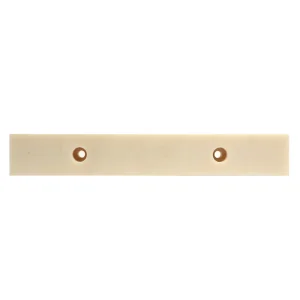
OEM Nylon, ABS, HDPE & UHMWPE Pre-Drilled Pads
View Product Specs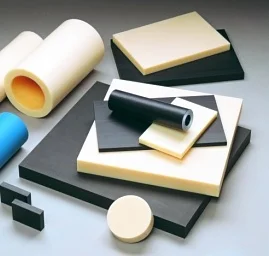
Engineering Casting Board Nylon, PP, ABS & PTFE Sheet
View Product Specs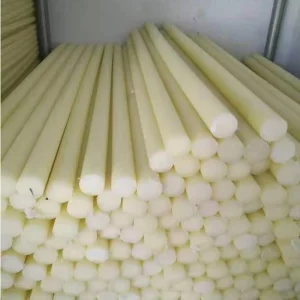
Custom Sized Cast PA6 Polyamide & PTFE Round Bars
View Product Specs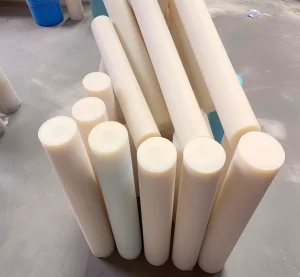
Industrial Natural Color Cast MC Nylon Round Rod
View Product Specs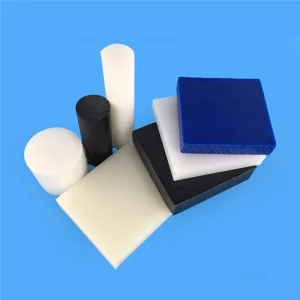
Engineered PA6, PP, HDPE & ABS Plastic Round Bar
View Product Specs
Heavy Duty MC Cast PA6 & UHMWPE Hard Plastic Board
View Product Specs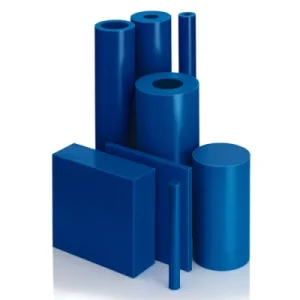
UHMWPE High Capacity Outrigger Crane Support Pads
View Product Specs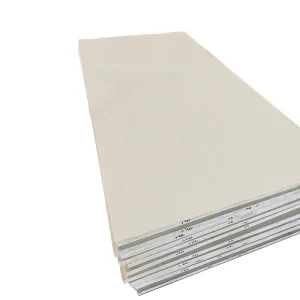
Polyamide Nylon, PTFE, HDPE & ABS Tube & Bar Stock
View Product SpecsNeed Custom Dimensions, Specialized Fillers, or CNC Machining?
Send your 2D/3D component drawings (DWG, DXF, STEP, PDF) or required rod diameters. Our polymer materials engineers reply with comprehensive technical validation and factory pricing within 12 hours.