
Featured High-Performance Polymer Stock
Direct-from-mold precision semi-finished stock: cast nylon bars, crystalline POM rods, and heavy-duty abrasion-resistant plates manufactured under continuous thermal stabilization.
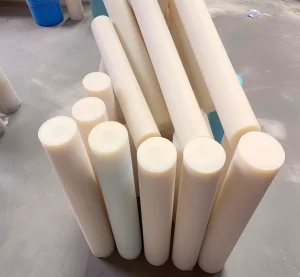
Wholesale Natural MC Nylon Cast Rod Supplier, Company
View Product Details
China White POM Rod, Black POM Rod, POM Bar, POM Plastic Rod Suppliers, Exporter
View Product Details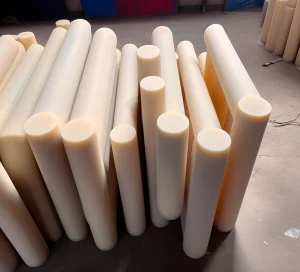
High-Quality MC Nylon Rod Manufacturer, Exporter
View Product Details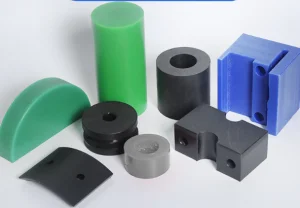
Discount MC Nylon Machined Parts Manufacturers, Exporter
View Product Details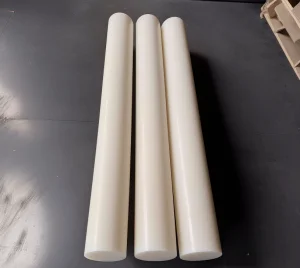
Cheap ODM OEM Engineering Plastic Cast PA6 Polyamide Nylon plastic Tube Rod And Bar Customized Color With Size
View Product Details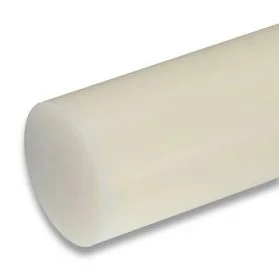
OEM Plastics Polyamide Natural Mc Nylon Cast Nylon PA6 Rod Round Bar Engineering Plastic Polyamide PA6 PA66 POM
View Product Details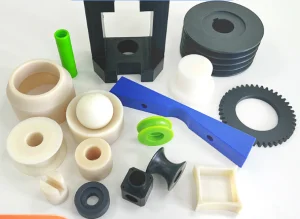
Discount MC Nylon Pad Product, Products
View Product Details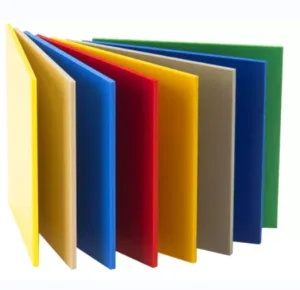
High-Quality UHMWPE Sheet Manufacturer, Company
View Product DetailsEvolutionary Drivers in the Global Plastic Sheet Marketplace
The international market for semi-finished engineering plastic sheets is undergoing a profound structural shift. Driven by aggressive lightweighting mandates in automotive manufacturing, stringent hygiene protocols in automated food logistics, and the need for chemically inert materials in semiconductor wafer handling, engineering plastics are rapidly displacing traditional non-ferrous metals like bronze, phosphor bronze, cast iron, and aluminum alloy.
Substitutive Metallurgy Economics
Industrial manufacturers are migrating from brass, phosphor bronze, and stainless steel toward modified PA6 Cast Nylon and UHMWPE. Thermoplastic sheets offer an exceptional strength-to-weight ratio (specific gravity between 0.94 and 1.42 g/cm³ versus 7.85 for steel), reducing structural dead-weight by up to 80% while drastically lowering inertial drive loads in reciprocating machinery.
Extended Maintenance Cycles
Unscheduled downtime in heavy mining, port logistics, and processing facilities represents millions of dollars in operational risk. Semi-finished polymers with internal solid lubricant additives (such as MoS₂-filled cast nylon and high molecular weight chains) exhibit dry dynamic friction coefficients down to 0.10, completely eliminating the need for periodic manual greasing and mitigating abrasive wear in high-particulate bulk handling.
Sustainability & Closed-Loop Circularity
With the tightening of European ESG audits, Carbon Border Adjustment Mechanisms (CBAM), and corporate carbon footprints, tier-1 procurement directors demand clean resin origin documentation. Modern continuous extrusion lines utilize post-industrial monolithic cut-offs without molecular degradation, creating fully traceable, non-toxic semi-finished products that comply with RoHS 3, REACH SVHC, and FDA 21 CFR food-contact standards.
Engineering Polymers: Comparative Performance Profile
Selecting the correct semi-finished thermoplastic plate requires an exacting balance between dynamic tribology, yield strength, thermal continuous operating ceilings, and environmental hygroscopic expansion. The technical data below outlines the baseline parameters for design engineers and strategic procurement teams.
| Polymer Family | Specific Density (g/cm³) | Tensile Strength at Yield (MPa) | Continuous Service Temp (°C) | Dynamic Friction Coeff. (Dry) | Core Industrial Strengths |
|---|---|---|---|---|---|
| Cast Nylon (MC PA6) | 1.15 - 1.16 | 80 - 88 | -40 to +110 | 0.18 - 0.25 | Superior impact absorption, vibration dampening, high modulus, exceptional wear against abrasive counter-surfaces. |
| POM-C (Polyacetal Copolymer) | 1.41 - 1.42 | 65 - 72 | -50 to +100 | 0.20 - 0.28 | Near-zero moisture absorption (0.2%), extreme dimensional stability, high fatigue endurance, precision CNC machinability. |
| UHMWPE (Virgin Grade) | 0.93 - 0.95 | 22 - 28 | -150 to +80 | 0.10 - 0.15 | Unmatched sliding abrasion resistance, zero water absorption, chemical inertia, non-stick surface, cryogenic toughness. |
| HDPE (High Density PE) | 0.95 - 0.96 | 25 - 32 | -50 to +80 | 0.25 - 0.30 | High weldability, excellent acid/alkali resistance, moisture barrier, food grade compliant, cost-effective sheet stock. |
| ABS (Industrial Terpolymer) | 1.04 - 1.06 | 40 - 48 | -20 to +75 | 0.35 - 0.45 | Superior thermoforming fidelity, high impact resistance at room temp, paintable, high rigidity for structural enclosures. |
| PTFE (Fluoropolymer) | 2.15 - 2.20 | 20 - 35 | -200 to +260 | 0.04 - 0.08 | Near-universal chemical resistance, lowest dynamic friction coefficient of any solid, wide thermal service spectrum. |
China Factory 4.0: Modern Production, Integrity & Resilient Sourcing
Modern procurement officers are moving away from simple price-per-kilogram bargaining toward integrated supply chain capability reviews. Operating out of Xingtai, Hebei, our production complex leverages Industry 4.0 smart factory principles to guarantee absolute internal molecular density, void-free core morphology, and tight dimensional tolerances across multi-ton production volumes.
Cast Monomer Polymerization & Stress Annealing
Traditional heavy-thickness nylon plates often suffer from high residual stresses that trigger severe curling, bowing, or internal cracking during high-speed CNC milling. Our Factory 4.0 facility utilizes liquid caprolactam monomer horizontal vacuum casting with in-situ anionic polymerization. Each plate subsequently undergoes a 48-hour program-controlled air circulation annealing cycle. This critical thermal cycle relieves internal molecular stresses, providing stress-free stock that holds flatness tolerances under 0.5 mm/m after deep pocket hogging.
Inline Non-Destructive Testing (NDT) & Gauging
To prevent hidden micro-voids, porosity, and centerline crystallization defects common in inferior semi-finished stock, all continuous extrusion lines are outfitted with multi-axis ultrasonic scanners and dual-axis laser thickness gauges. Continuous algorithmic feedback dynamically adjusts melt pump gear pressures and puller roller speeds, guaranteeing continuous uniform density across entire sheet widths ranging from 1000 mm up to 2000 mm, with gauge tolerances maintained within ±0.15 mm.
Supply Chain Resilience & Upstream Monomer Integration
Global geopolitical volatility and logistics choke-points necessitate robust upstream backward integration. By securing direct pipeline supplies of prime pure virgin caprolactam, polyoxymethylene polyacetal, and high molecular weight ethylene polymers, our factory insulates international OEMs and distribution hubs from unpredictable resin price surges, ensuring reliable 15-day export order fulfillment and consistent batch-to-batch polymer formulation.
Export Packaging & Marine Logistics Protection
Engineering plastics require specialized packing to prevent moisture absorption and transit micro-abrasion across multi-week sea voyages. Every plate shipment is wrapped with protective PE film, edge-guarded with rigid composite corners, and vacuum-sealed on reinforced fumigated timber pallets. Barcode serialization links every pallet directly to its batch inspection certificate (EN 10204 3.1), showing precise tensile, flexural, and hardness metrics.
Field-Proven Industrial Deployments
Thermoplastic sheets operate across thousands of severe wear, high-friction, and corrosive environments. By matching the mechanical properties of each polymer to exact operational demands, plant operators reduce maintenance overhead and maximize equipment run-time.
Mining, Chutes & Bulk Handling Liners
Handling abrasive iron ore, coal slurry, and raw bauxite quickly wears down standard carbon steel chute walls. Installing virgin UHMWPE sheet liners (ultra-high molecular weight polyethylene) eliminates common bulk solids bridging, rat-holing, and carryback. The self-lubricating surface ensures uninterrupted bulk flow rates, while high impact toughness prevents gouging from falling heavy aggregates.
Heavy Construction Crane Outrigger Pads
Mobile boom trucks, hydraulic all-terrain cranes, and aerial lift units rely on engineered ground support pads. Our compression-molded Heavy-Duty Crane Stabilizer Pads distribute massive point-loads across soft surfaces. Unlike traditional wooden dunnage, these synthetic pads will not splinter, rot, or absorb moisture, delivering consistent compressive safety across operating environments from -40°C to +80°C.
High-Speed Packaging & Bottling Lines
Modern bottling, canning, and sortation facilities run at over 1,500 container passes per minute. CNC-machined POM (Acetal) guide rails, star wheels, and chain tracks operate with low friction against moving glass and aluminum. POM resists cleaning washdown detergents, holds dimensional tolerances, and runs quietly to support lower plant acoustic noise levels.
Chemical Acid Pickling & Water Treatment
Steel pickling tanks, electroplating vessels, and wastewater neutralizer systems expose structural linings to aggressive hydrochloric, sulfuric, and nitric acid fumes. Virgin Polypropylene (PP) and HDPE sheets offer wide chemical resistance, zero electro-osmosis, and can be hot-gas welded using matched extrusion rod to build seamless, leak-proof containment vessels.
Automotive & Refrigeration Thermoforming
Commercial refrigeration doors, medical device chassis, and heavy transport interior cowlings require pristine deep-draw thermoforming characteristics. Extruded Smooth & Textured ABS Sheets offer uniform vacuum wall thinning, high impact resistance down to -20°C, and smooth surfaces ready for cleanroom assembly or secondary decorative lamination.
Semiconductor & Electronics Machining
Semiconductor wet bench cassette assemblies and static-sensitive electronics carriers demand materials that prevent electrostatic discharge. Custom-formulated antistatic/conductive UHMWPE and Virgin POM plate stock prevent micro-particle attraction and ESD damage to delicate silicon wafers during automated robotic transfers.
Secondary Fabrication: Machining Guidelines for Semi-Finished Polymers
Thermoplastics machine quickly and cleanly when proper tool geometry and thermal controls are applied. Because polymers possess lower thermal conductivity and higher thermal expansion coefficients than metals, machine shops should observe standard best practices to ensure parts match print tolerances:
Tooling Geometry & Rake Angles
Use razor-sharp polished carbide or polycrystalline diamond (PCD) tooling with generous positive rake angles (15° to 30°) and clearance angles (10° to 15°). Generous flute pockets allow rapid chip evacuation, preventing melted plastic chips from welding to the cutter flutes or cutting edges.
Feeds, Speeds & Chip Loading
Prioritize high feed rates paired with moderate surface spindle speeds. Light, rubbing cuts generate frictional surface heat that leads to local thermal distortion. Keep cutting edges engaged in continuous chip generation to carry heat out of the cut zone and into the discarded swarf.
Thermal Management & Clamping
Employ dry compressed cold air vortex tubes or water-soluble, non-staining cooling emulsions to minimize heat buildup. Use light, uniform clamping pressures with vacuum workholding tables to avoid part deformation during machining, and allow parts to equilibrate thermally before recording final CMM inspection readings.
Frequently Asked Technical & Sourcing Questions
Detailed technical and commercial answers addressing polymer selection, hygroscopic behavior, machining tolerances, and export logistics.
What are the key technical differences between Cast Nylon (PA6G) and Extruded Nylon (PA6E) sheets?
How do engineering teams accommodate moisture absorption in Nylon parts?
Why choose Polyacetal (POM-C) over Polyamide (Nylon) for precision components?
What molecular weight grades exist for UHMWPE sheets, and how do they impact wear?
How does your factory handle quality control, documentation, and international shipping?
Specialized Engineering Sheets, Billets & CNC Machined Parts
Browse our complete range of specialized semi-finished shapes, including cast polyamide hardboards, heavy-duty outrigger plates, smooth thermoformable ABS panels, and custom-machined wear parts.
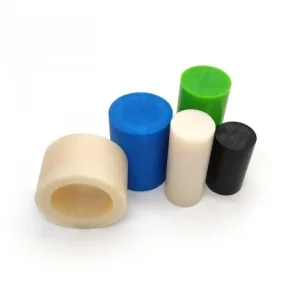
Discount Engineering Plastic Cast Board PA6 Polyamide Nylon ABS PP PTFE Plastic Tube Rod And Bar
View Product Details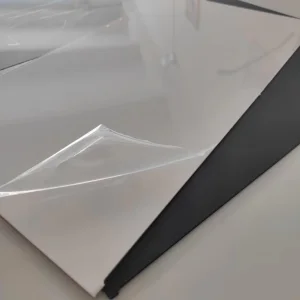
Wholesale China Engineering Plastic OEM Smooth ABS Plastic Sheet Factory Customized Color With Size For Refrigerator Door
View Product Details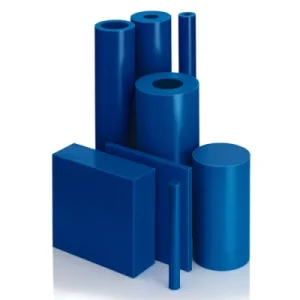
Discount Hot Sale for UHMWPE Heavy Duty Jacking Pads Crane Foot Support Plate Plastic Stabilizer Pad Manufacturer
View Product Details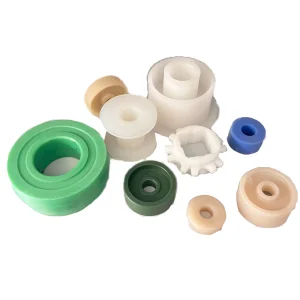
China CNC Machined Parts Exporters, Product
View Product Details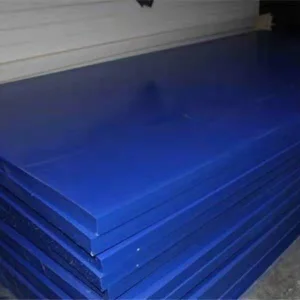
Discount High-Quality MC Casting Nylon PA6 HDPE UHMWPE Sheet Engineering Plastics Nylon Plastic Hard Board
View Product Details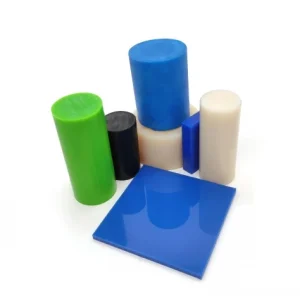
Discount Engineering Plastic Polyamide PA6 PA66 Nylon PP UHMWPE PTFE HDPE ABS Plastic Sheet Rod And Bar
View Product Details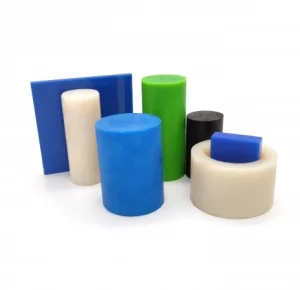
Buy Gold Supplier Engineering Plastic Polyamide PA66 Nylon PP UHMWPE PTFE HDPE ABS Plastic Sheet Rod
View Product Details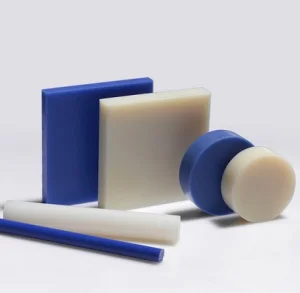
Discount China Engineering Plastic Polyamide PA6 PA66 Nylon PP UHMWPE PTFE HDPE ABS Plastic Sheet And Rod
View Product DetailsSpecify Your Semi-Finished Sheet Requirements
Connect directly with our engineering sales group in Xinhe County, Hebei. Send your thickness specs, custom sheet dimensions, and CAD drawings for custom-cut billets or finished CNC components. Detailed engineering feedback and quotes are provided within 12 business hours.