HDPE Sheet Supplier & Precision Polymer Products
Global Engineering Solutions: Advanced High-Density Polyethylene Sheets, Custom Machined Profiles & Certified Industrial Polyolefins for Demanding Applications.
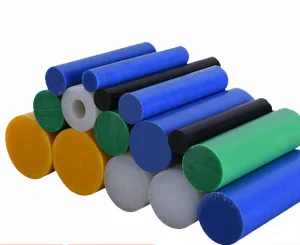
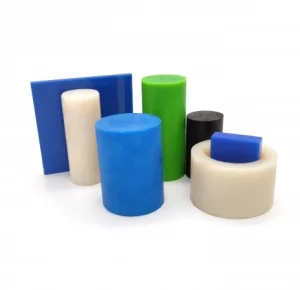
High-Performance Engineering Semi-Finished Inventory
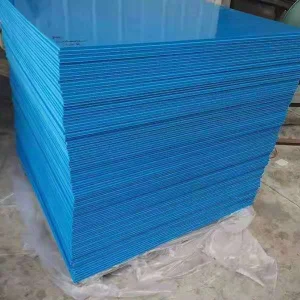
Explore our export-certified semi-finished polymer stock, manufactured under strict ISO 9001:2015 process controls with guaranteed stress relief and precise thickness uniformity.
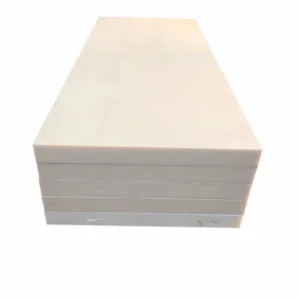
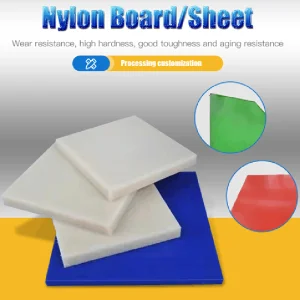
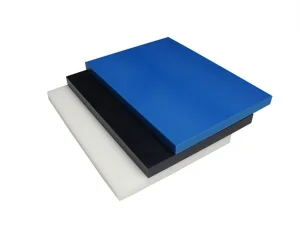
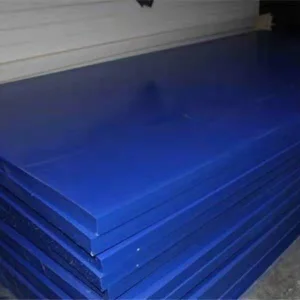
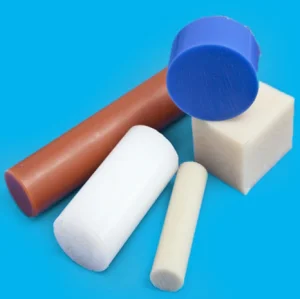
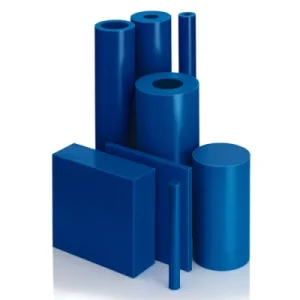
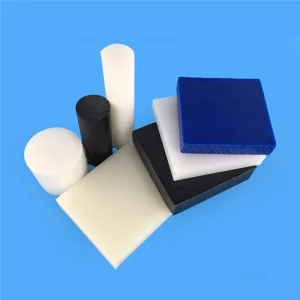
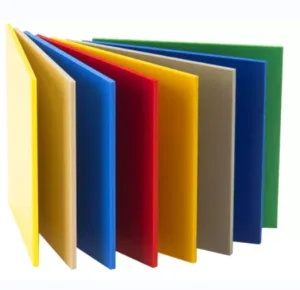
Global HDPE Sheet Market & Engineering Dynamics
High-Density Polyethylene (HDPE) sheets are an essential engineering material across mining, chemical containment, marine infrastructure, and circular packaging economies globally.
Material Science & Molecular Integrity
HDPE exhibits minimal chain branching, yielding high intermolecular forces and tensile strength (up to 32 MPa). Compared to standard polyolefins, high-molecular-weight grades deliver high resistance to stress cracking, chemical leaching, and environmental hydrolysis.
Corrosion & Heavy Slurry Containment
Conventional metal liners suffer from galvanic degradation and severe pitting. HDPE sheets function across corrosive environments handling strong inorganic acids, alkalis, and abrasive mineral slurries without structural degradation or scale formation.
Decarbonization & Lifecycle Efficiency
Heavy manufacturing is pivoting toward lifecycle-driven polymer selection. HDPE requires significantly less thermal energy to extrude compared to engineering alloy smelting, providing an effective pathway toward Scope 3 carbon reduction in industrial equipment.
Engineered HDPE Applications by Industrial Sector
From extreme sub-zero aggregate handling to high-purity food contact surfaces, our HDPE sheet configurations are precision-adapted for operating conditions worldwide.
Bulk Materials & Mining Chute Liners
In Australian iron ore operations and Chilean copper processing facilities, bulk aggregate friction creates mechanical wear. HDPE liner sheets feature a sliding friction coefficient as low as 0.15, preventing material bridging, ratholing, and drag wear in hoppers, silos, and dump truck beds.
Marine Infrastructure & Port Fendering
Harbor marine environments demand zero saltwater absorption and resilience to wave impacts. Marine-grade UV-stabilized HDPE sheets replace traditional timber facing pads on dock fenders, protecting both commercial hull coatings and concrete pilings from heavy berthing loads.
Sanitary Food Contact & Meat Processing
Modern industrial meat packing and beverage bottling facilities require non-porous, bacteria-resistant, and high-impact cutting blocks. FDA-compliant virgin white HDPE sheets withstand daily chemical washdowns with high-temperature sanitizing solutions without warpage or chipping.
Engineering Plastics Performance Comparison
Assess mechanical, thermal, and chemical performance metrics to identify the ideal thermoplastic stock for your fabrication requirements.
| Polymer Type | Tensile Strength (MPa) | Water Absorption (%) | Operating Temp (°C) | Primary Industrial Use Case |
|---|---|---|---|---|
| HDPE (High Density PE) | 22 – 32 | < 0.01% | -50 to +80 | Chemical tanks, chute liners, piping flanges, marine dock bumpers |
| UHMWPE | 35 – 45 | < 0.01% | -150 to +90 | High-wear slide tracks, crane outrigger pads, heavy aggregate liners |
| Cast Nylon PA6 / MC | 75 – 85 | 1.5 – 3.0% | -40 to +110 | High-load gears, transmission sheaves, industrial rollers, crane wheels |
| POM (Acetal / Delrin) | 65 – 70 | 0.20% | -50 to +100 | Tight-tolerance precision components, valve discs, fuel system bushings |
| PTFE | 20 – 30 | < 0.01% | -200 to +260 | Extreme temperature seals, aggressive acid gaskets, dielectric isolators |
Export Quality Standards & Factory Traceability
Our Hebei production facility adheres to international compliance frameworks, ensuring dimensional accuracy, raw resin batch control, and clean delivery to ports globally.
Material Test Certificates (EN 10204 3.1)
Every exported production run is documented with certified resin verification, melt flow index (MFI) tests, and density analysis reports. Full lot traceability ensures quality consistency across every pallet.
RoHS, REACH & FDA Certification
We supply polymers that meet European REACH SVHC restrictions, RoHS directives, and US FDA 21 CFR 177.1520 food-grade regulations for critical process and pharmaceutical contact equipment.
Export Crating & Damage Protection
Sheets and machined components are packed with protective polyethylene surface film, edge corner protectors, and heat-treated ISPM-15 compliant seaworthy wooden skids to prevent transit warping or damage.
R&D Roadmap: Advanced HDPE Formulations
We are investing in composite polymer modifications to meet demanding wear, thermal, and electrostatic specifications across automated logistics and mining sectors.
Conductive & Anti-Static (ESD) Compounds
Integration of nano-carbon networks into HDPE matrices prevents hazardous electrostatic discharge in subterranean coal mining tunnels, chemical processing plants, and cleanroom semiconductor manufacturing.
Micro-Ceramic & Glass Wear Additives
Addressing extreme sliding wear under heavy abrasive loads, our next-generation composite HDPE sheets integrate micro-ceramic microspheres to double service life without degrading machine workability.
PCR Post-Industrial Recycled Matrices
Meeting European corporate sustainability regulations, we provide engineered sheets containing up to 70% certified post-industrial recycled HDPE without compromising baseline yield strength or weldability.
Frequently Asked Questions on HDPE Sheet Sourcing & Machining
Direct technical recommendations from our manufacturing engineers on tolerances, tooling, and environmental specifications.
How does HDPE differ from UHMWPE in wear applications?
While both are polyethylene resins, HDPE has a molecular weight typically between 100,000 and 500,000 g/mol, making it easily weldable, thermoformable, and cost-effective. UHMWPE boasts a molecular weight exceeding 3,000,000 g/mol, providing superior abrasion resistance and impact strength, but cannot be standard injection-molded or melt-welded easily.
What cutting parameters are recommended for CNC routing of HDPE sheet?
We advise using single-flute or double-flute carbide "O-flute" router bits designed specifically for plastics. Maintain high feed rates (3 to 7 m/min) combined with spindle speeds around 16,000–18,000 RPM. This clears large chips rapidly and avoids frictional heat, preventing resin re-welding on the cutter edge.
Can HDPE sheets be bonded using standard industrial adhesives?
Due to its non-polar chemical composition and extremely low surface energy (around 31 mN/m), conventional cyanoacrylate, polyurethane, or epoxy adhesives do not bond HDPE reliably without aggressive surface treatment (flame treatment, corona discharge, or specialized low-surface-energy structural acrylic adhesives like 3M Scotch-Weld DP8005). Extrusion welding or hot gas butt welding is the preferred assembly method.
How does temperature cycling impact dimensional tolerances of installed HDPE?
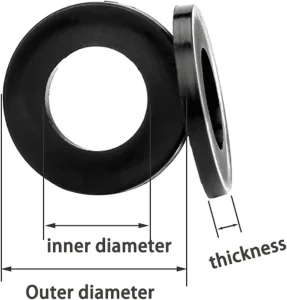
HDPE exhibits a relatively high Coefficient of Linear Thermal Expansion (CLTE), approximately 1.5–2.0 × 10⁻⁴ K⁻¹. This equates to roughly 1.5–2.0 mm of expansion per linear meter for every 10°C temperature increase. When designing long liners or outdoor marine assemblies, oversized mounting holes and slotted washers are necessary to accommodate thermal expansion and prevent sheet buckling.
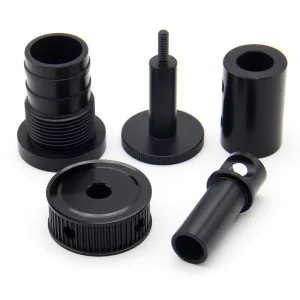
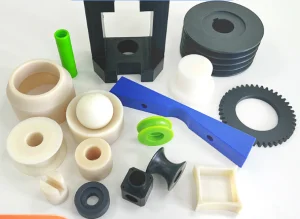
Precision CNC Turned & Machined Plastic Components
From one-off engineered prototypes to high-volume recurring component runs, explore our custom manufacturing capabilities across all core technical polymer families.