
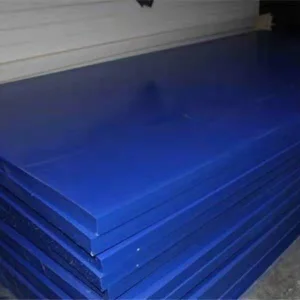
Direct Factory Semi-Finished & Machined Inventory
Standard & Custom Engineering Thermoplastic Tubing
Explore our calibrated semi-finished stock, hollow tubular bars, sheets, and precision-turned wear components manufactured to DIN and ASTM industrial dimensional standards.
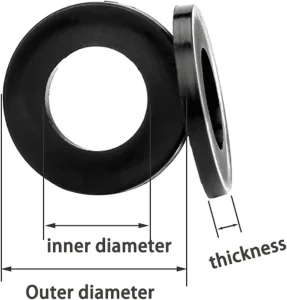
OEM Plastics Polyamide Natural MC Nylon Ring Cast Nylon Tube PA6 POM Rod Round Ring Engineering Plastic Black Polyamide PA66 Nylon PP UHMWPE PTFE HDPE ABS Tube Plastic Ring Bar Exporter, Product
View Product Details
Famous Black Color Nylon Ring Cushion Use For Impact Hammer For Piling Machine Manufacturer, Manufacturers
View Product Details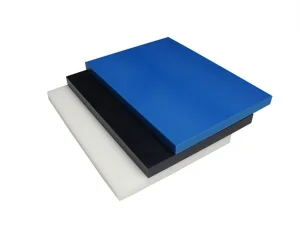
Wholesale Natural Nylon Plate/Sheet, Black Nylon Plate/Sheet, Blue Nylon Plate/Sheet Exporter, Product
View Product Details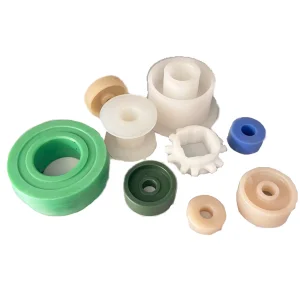
China Custom CNC Machining Components Peek ABS/PTFE/Derlin/Nylon POM CNC All Kinds Of Pulley Wheel Suppliers, Exporters
View Product Details
Buy Green MC Nylon Sheet Manufacturers, Suppliers
View Product Details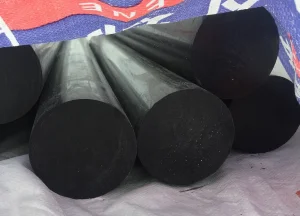
Wholesale POM Rod Black POM Rod, White POM Rod, POM Bar, POM Plastic Rod Factories, Products
View Product Details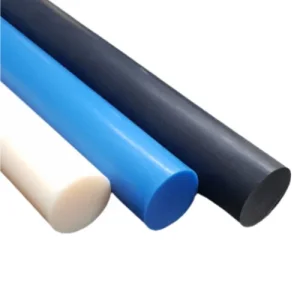
China Engineering Plastic Polyamide PA6 PA66 Nylon PP POM UHMWPE PTFE HDPE ABS Plastic Rod And Bar Manufacturers, Product
View Product Details
Polymer Engineering Whitepaper
The Science of ABS Tube Extrusion: Terpolymer Kinetics & Structural Stability
A technical dissertation on how Acrylonitrile Butadiene Styrene hollow profiles optimize mechanical shear strength, low-temperature ductility, and dimensional stability compared to aliphatic polyamides and polyacetals.
Acrylonitrile Butadiene Styrene (ABS) is a multi-phase graft copolymer composed of three discrete chemical constituents: Acrylonitrile delivers chemical resistance, thermal stability, and surface hardness; Butadiene imparts cryogenic elastomeric toughness and crack propagation inhibition; while Styrene confers uniform rigidity, glossy machinability, and predictable dielectric performance.
When extruded into thick-walled tubular forms or precision thin-wall core tubes, ABS addresses an essential gap within mechanical engineering. While cast nylon (PA6) exhibits hygroscopic dimensional expansion in high-humidity applications and POM (acetal) presents high surface friction and poor adhesive solvent weldability, ABS tubes maintain rigid spatial fidelity with water absorption below 0.3% over 24 hours (ASTM D570). As an established manufacturer based in Xinhe County, Hebei, SHUNDA controls every thermodynamic variable in the extrusion line—from hopper desiccant drying to calibrated vacuum sizing tanks and stress-relief tempering—ensuring zero micro-porosity, minimal anisotropic die swell, and superior concentric wall-thickness distribution.
Information Gain: Annealing & Stress Elimination Protocol
Unlike ordinary commercial ABS drainage pipe, industrial-grade ABS hollow bar manufactured by SHUNDA undergoes post-extrusion heat-soaking at 80°C to 85°C for 2 hours per 10 mm of wall thickness. This critical thermal cycle relieves internal extrusion stresses, mitigating the catastrophic cracking or dimensional distortion frequently encountered during downstream high-speed multi-axis CNC lathe boring.
Impact & Fracture Toughness
ABS tubing delivers exceptional Izod notched impact resistance (typically 200–350 J/m at 23°C). The rubber butadiene domains effectively disperse concentrated dynamic shock loads, eliminating brittle failures down to -40°C in pneumatic conveying lines and ruggedized outdoor conduit.
Machinability & Thermoforming
Low thermal softening temperature and amorphous polymer morphology mean ABS hollow cylinders turn, bore, thread, and saw cleanly without melting or creating stubborn stringy burrs. They accept mechanical press-fits and rapid solvent-cement bonding via methyl ethyl ketone (MEK).
Surface Metallization & Plating
ABS is uniquely reactive to chemical etching; butadiene nodules on the inner and outer tube surfaces dissolve during chromic-sulfuric acid baths, leaving sub-micron anchor cavities that facilitate electrolytic nickel, chrome, or copper plating for EMI/RFI shielded aerospace sleeves.
Direct China Factory Supply Chain
Upstream Synthesis to Downstream Machining: The Hebei Industrial Cluster Advantage
How SHUNDA streamlines raw polymer acquisition, automated twin-screw extrusion, and customized CNC post-processing into a single high-efficiency procurement route for worldwide distributors.
Virgin Granule Sourcing
Direct supply contracts with top petrochemical producers (such as LG Chem, Chi Mei, and Formosa) ensure lot-to-lot MFI (Melt Flow Index) variance remains strictly below ±3%. Reclaim-free extrusion prevents internal structural degradation.
Custom Die Tooling
In-house wire EDM and toolroom facilities produce extrusion pin-and-die geometries within 7 working days. We manufacture non-standard OD/ID combinations, oval profiles, fluted bores, and heavy wall ratios exceeding 25 mm thickness.
Multi-Polymer Portfolio
Consolidate mixed-container procurement seamlessly. Beside ABS tubes, load MC Cast Nylon bars, POM acetal sheets, UHMWPE wear plates, HDPE liners, and PP components from a single audited production plant in Xingtai City.
Direct Port Shipping
Positioned along North China logistics arteries with immediate transit to Tianjin (Xingang) Port. Standard container stuffing, fumigated export pallets, moisture-barrier wrapping, and rigid end-capping ensure zero in-transit damage.
Technical Comparison: ABS Tubing vs. Alternative Industrial Polymers
| Physical / Mechanical Metric | ABS Extruded Tube | MC Nylon (Cast PA6) | POM-C (Polyacetal) | HDPE (High Density PE) |
|---|---|---|---|---|
| Specific Density (g/cm³) | 1.04 – 1.07 Lightweight | 1.15 – 1.18 | 1.41 – 1.43 | 0.95 – 0.96 |
| Tensile Strength at Yield (MPa) | 42 – 52 | 75 – 88 | 65 – 72 | 24 – 32 |
| Izod Notched Impact @ 23°C (kJ/m²) | 22 – 35 High Shock Absorption | 4.5 – 7.0 | 6.0 – 8.0 | 10 – 15 |
| Water Absorption 24h Saturation (%) | 0.20 – 0.35% | 1.6 – 2.2% (Hygroscopic) | 0.20 – 0.25% | < 0.01% |
| Heat Deflection Temp (0.45 MPa, °C) | 88 – 98°C | 160 – 180°C | 150 – 165°C | 65 – 75°C |
| Solvent Weldability (Bonding) | Excellent (MEK / Acetone) | Extremely Difficult | Impossible (Requires Flame/Corona) | Thermal Fusion Only |
| CNC Lathe Chip Characteristics | Crisp, dry, continuous curlicue | Tough, ductile stringers | Clean, discontinuous chips | Gummy, high thermal drag |
Quality Governance • ASTM D3965 / ISO 9001
Global Enterprise Sourcing, Regulatory Compliance & Risk Mitigation
Supplying multinational OEM equipment builders requires more than competitive baseline pricing. SHUNDA delivers end-to-end traceability, laboratory validation, and strict compliance documentation.
RoHS 3 & REACH SVHC Compliance
Every batch of virgin ABS resin is certified free of hazardous lead, cadmium, mercury, hexavalent chromium, PBBs, PBDEs, and endocrine-disrupting phthalates under EU Directive 2015/863 and REACH Regulation (EC) 1907/2006. Third-party SGS test reports are refreshed annually.
Dimensional Tolerancing & Metrology
Extruded ABS tubes conform to DIN ISO 2768-m (fine-to-medium) precision grade. In-line ultrasonic wall thickness monitors continuous concentricity, while dual-axis laser scanning micrometer gages track external diameter (OD) variance in real time to prevent ovality drift.
Lot Traceability & 3.1 Mill Certificates
Each shipment includes comprehensive EN 10204 Type 3.1 inspection documentation covering actual raw batch melt volume rate (MVR), density, tensile modulus, and flexural yield. Complete lot labeling guarantees tracking from polymer silo to arrival at destination warehouses.
Custom Flame Retardancy (UL94 V-0) & Antistatic Compounding
Upon client engineering request, SHUNDA provides customized masterbatch formulation: flame-retardant ABS tubing achieving UL94 V-0 rating at 1.5 mm wall thickness without toxic halogen migration, as well as permanent carbon-nanotube ESD compounds providing surface resistivity between 10&sup6; and 10&sup9; Ω/sq for explosive powder fluidic transport.
Real-World Implementations
Industrial Application Scenarios for Extruded ABS Tubing
From industrial automation ducting to aerospace instrumentation prototypes, examine where mechanical engineers deploy ABS hollow profiles over metals and heavy thermosets.
Pneumatic Sample Transfer & Air Lines
Thanks to mirror-smooth extruded bore finishes (Ra ≤ 0.4 μm), ABS tubing eliminates micro-turbulences and material hang-ups in automated pneumatic delivery systems utilized across hospitals, logistics sortation hubs, and pharmaceutical production.
Reverse Osmosis & Water Filtration Cores
Extruded ABS tubes serve as perforated central permeate collectors in high-pressure reverse osmosis (RO) membrane modules. Their chemical resistance to chlorine sanitizers, bio-fouling inertness, and exceptional burst hoop strength safeguard purification integrity.
Robotics, Sensor Housings & UAV Booms
Unmanned aerial vehicles (UAVs) and subsea ROV robotic linkages incorporate thin-wall ABS extruded sleeves as lightweight structural enclosures. The substrate permits rapid drilling of wiring ingress ports while preserving high torsional stiffness without RF signal attenuation.
Automotive HVAC & Refrigeration Conduits
ABS hollow conduits resist brittle fractures during cryogenic cycling (-30°C to +80°C) while carrying chilled airflow, condensation, or sensor harnesses behind instrument panels and commercial cold-storage refrigeration doors.
Textile & Film Winding Core Sleeves
Replacing traditional laminated paperboard, thick-walled ABS extruded cores provide continuous reuse in high-tension continuous web winding (films, foils, technical fabrics), resisting crushed bore deformation and fiber splintering.
Electrical Conduit & Explosion-Proof Sleeves
With dielectric breakdown strength exceeding 18 kV/mm and high arc-resistance, ABS tubes insulate high-voltage junction feeds in transit tunnels and petrochemical facilities where corrosive salt spray attacks metallic rigid steel conduit.
Future Horizons & R&D Roadmap
Emerging Industry Trends in Thermoplastic Tube Manufacturing
Strategic analysis of advancing polymer science, circular economy compliance, and precision hybrid manufacturing paradigms for the upcoming decade.
Multi-Layer Co-Extrusion (Co-Ex)
Integration of multi-manifold tooling enables co-extruded ABS tubes featuring an inner virgin wear layer, an expanded structural core for weight reduction, and an outer UV-stabilized acrylic (PMMA/ASA) skin for 15+ years outdoor weathering resistance.
Circular Economy & Bio-Based Terpolymers
Collaborating with global sustainability directives, next-generation ABS tubes integrate mass-balanced bio-attributed acrylonitrile and chemically depolymerized post-consumer styrene, lowering life-cycle cradle-to-gate carbon footprint by up to 45% without sacrificing tensile yield.
Micro-Bore & Thin-Wall High Precision
Advancements in downstream servo puller synchronization and automated non-contact optical gaging now allow high-speed calibration of micro-diameter ABS tubing down to 2.0 mm OD with ±0.02 mm concentric tolerances for diagnostic fluidics and electronics.
Technical Clarifications & Engineering Consultation
Frequently Asked Questions: Sourcing, Specifications & Machining
Clear, unhedged answers to the critical engineering inquiries posed by procurement officers, project managers, and machining workshops worldwide.
What standard size ranges and custom dimensions does SHUNDA provide for ABS tubes?
Our standard production tooling produces extruded ABS tubes and hollow bars with Outside Diameters (OD) ranging from 10 mm up to 350 mm, with wall thicknesses starting from 1.0 mm up to 35 mm. Lengths are typically cut to 1000 mm, 2000 mm, or 3000 mm for container loading, though custom cut-to-length billets (as short as 10 mm) can be supplied direct from the factory via automatic precision saws.
How does ABS tube machine compared to Nylon (PA6) or POM (Acetal)?
ABS is widely recognized as one of the most forgiving engineering polymers to machine on standard engine lathes and CNC centers. It produces lower tool wear than abrasive glass-filled nylon and does not suffer from gummy chip build-up like HDPE or PP. High-speed steel (HSS) or sharp polished carbide inserts with positive rake angles (5°–15°) yield surface finishes with Ra under 0.8 μm without burning, provided adequate air jet cooling or soluble oil coolant is applied.
Can extruded ABS tubes be solvent-welded or mechanically fastened securely?
Yes. A paramount advantage of ABS over semi-crystalline polyolefins (PE, PP) and polyacetal (POM) is its rapid solvent bonding capability. Standard solvent cement based on methyl ethyl ketone (MEK), acetone, or dichloromethane softens the polymer surface interfaces, fusing the joint into a single cohesive matrix capable of holding working pressures up to 16 bar within 24 hours of curing. Threading (NPT/BSPT) and ultrasonic metal insert staking are also standard practices.
What UV stabilization measures are implemented for outdoor service conditions?
Unstabilized natural ABS is susceptible to photo-oxidation under direct sunlight due to unsaturated double bonds in the butadiene fraction. For external or high-UV applications, SHUNDA adds a synergistic package of carbon black (2.0–2.5% loading) or HALS (Hindered Amine Light Stabilizers) combined with benzotriazole UV absorbers. For severe weathering, we manufacture co-extruded tubes capped with an acrylic (ASA) exterior barrier layer.
What are the minimum order quantities (MOQ) and production lead times for custom tooling?
For standard in-stock tooling profiles, our MOQ is as low as 100 kg per size. For custom OD/ID profiles requiring new extrusion dies and sizing bushings, tooling fabrication takes 7 to 10 working days with an introductory tooling fee that is typically rebated upon reaching an agreed containerized threshold. Typical batch manufacturing time is 10 to 15 calendar days for a 20-foot full container load.
How does SHUNDA package tubular goods to prevent damage during ocean container transport?
All tubes are bundle-wrapped in scratch-resistant polyethylene film, secured with cross-strapped edge protectors, and packed into fumigated solid wooden crates or reinforced honeycomb carton pallets conforming to ISPM 15 standards. Precision-machined finished parts are individually bagged, desiccated, and box-cushioned to guarantee immaculate delivery at destination ports.
Engineered Polymer Portfolio • Verified Inventory
Associated Semi-Finished Plastic Stocks & Specialized Profiles
In addition to standard ABS hollow sections, SHUNDA provides integrated supply across the industrial polymer spectrum, including impact nylon, POM, UHMWPE, and crane support pads.
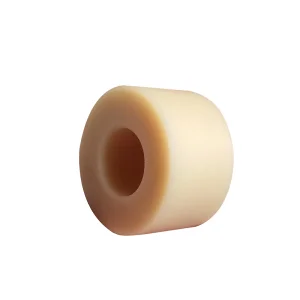
Cheap China Factory Engineering ABS,Nylon PP Plastic Tube, Plastic Tube ,POM Rod, PTFE Rod,PP Tube,PP Rod,ABS Rod,Nylon Rod Manufacturer, Product
View Product Details
Wholesale Impact Black Color Nylon Cushion Use For Impact Hammer For Piling Machine Manufacturer, Product
View Product Details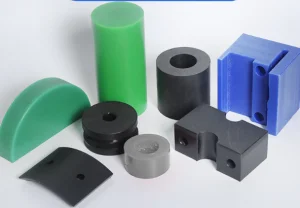
Discount MC Nylon Machined Parts Manufacturers, Exporter
View Product Details
Buy MC Nylon Sheet Supplier, Company
View Product Details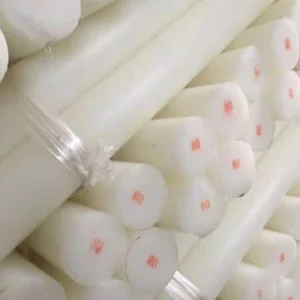
OEM ODM OEM Engineering Plastic Cast PA6 Polyamide Nylon POM ABS PP PTFE Plastic Rod And Bar Manufacturers, Suppliers
View Product Details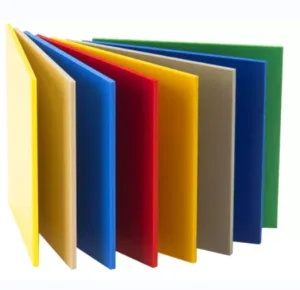
Cheap HDPE Sheet Exporters, Company
View Product Details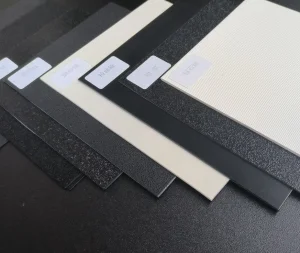
OEM China Engineering Plastic OEM Smooth Texture ABS Plastic Sheet Factory Customized Color With Size For Refrigerator Door Exporter, Products
View Product Details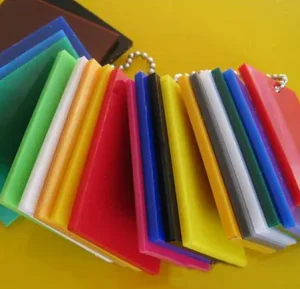
Famous China Supplier Bigfoot Solid Plastic Blocks Customized HDPE Safety Crane Outrigger Pads Companies, Product
View Product Details
Technical Sourcing Support
Need Custom ABS Tube Tooling or Engineering Machining?
Our bilingual senior polymer engineers evaluate 2D/3D component drawings (PDF, DWG, STEP) to suggest optimal extrusion formulations, mold flow allowances, and cost-effective shipping packaging.