Industrial Water Containment & Polymer Engineering

Wholesale Plastic Water Tank Manufacturers & Companies in the Germany Market

Technical Specification Whitepaper & Strategic Sourcing Guide: Bridging High-Precision Chinese Thermoplastic & Composite Manufacturing with German WHG, DIN EN, and DIBt Engineering Mandates.

Primary Structural Stock

Essential Polymer Substrates for Tank Fabrication

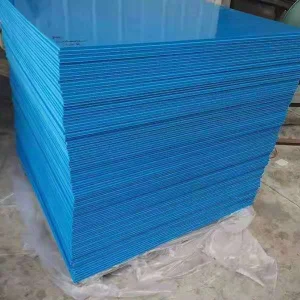
Standardized high-grade sheets, cast boards, and engineered polymers for German assembly plants.
Request Specification Data
Germany Industrial HDPE Water Tank Sheet Exporters
Polyethylene High Density
Germany Certified High-Grade HDPE Sheet for Chemical & Water Vessels
View HDPE Tank Sheets
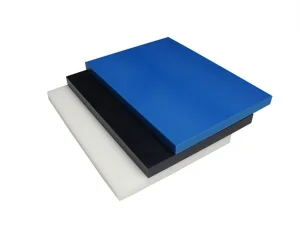
Blue MC Nylon Plate for Tank Mounting Flanges
Cast Polyamide Substrates
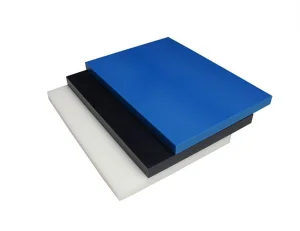
German Standard Blue MC Nylon Sheet for Tank Gaskets & Internal Load Guides
View MC Nylon Sheets
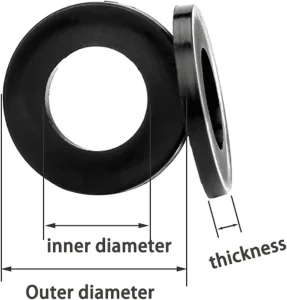
High Impact Black Nylon Cushions for Tank Ground Anchors
Impact Absorbers
Heavy-Duty Impact Black Nylon Cushion Blocks for Large Tank Silo Foundation Anchors
View Damping Cushions
Macro Regulatory Environment

The German Water Containment Landscape: Rigorous Standards, Ecological Transformation & Industrial Demand

Germany represents the most technically demanding and legally protected market in Europe for industrial water storage and chemical liquid logistics. Governed by a stringent matrix of environmental protection laws and engineering norms, municipal and industrial storage assets are subjected to intense engineering scrutiny.

Wasserhaushaltsgesetz (WHG) & AwSV

The Federal Water Act (Wasserhaushaltsgesetz - WHG) and the Ordinance on Facilities Handling Substances Hazardous to Water (AwSV) regulate secondary containment, leak detection, and structural integrity. Tanks installed across North Rhine-Westphalia, Baden-Württemberg, and Bavaria must demonstrate zero environmental transmission risk for hazard classes WGK 1 through WGK 3.

DIBt & DIN Compliance Matrix

Statutory oversight by the German Institute for Construction Technology (Deutsches Institut für Bautechnik - DIBt) mandates rigorous approval standards (allgemeine bauaufsichtliche Zulassung - abZ). Thermoplastic materials must comply with standard DIN EN 12573 for welded static plastic tanks and DIN EN 1778 for calculating structural strength.

KTW-BWGL & DVGW Potable Regimes

Drinking water containment is transitioning to the unified evaluation criteria of the German Environment Agency (Umweltbundesamt - UBA) under the KTW-BWGL standard, alongside DVGW W270 microbiological assessment. Engineering plastics must demonstrate minimal organic carbon leaching and complete non-toxicity.

€4.8B
Germany Water Infra Spend (Annual)
40+ Yrs
Expected PE 100-RC Design Life
100%
Recyclable Thermoplastic Target
0.00%
Allowable WHG Environmental Leakage

Industrial Drivers: Transitioning from Galvanized Steel to Engineered Polymers

Across traditional chemical hubs like Chempark Leverkusen, Bitterfeld-Wolfen, and industrial zones throughout the Ruhr Valley, aging metallic and concrete water containment structures are suffering severe internal galvanic corrosion, biological fouling, and chemical pitting from harsh industrial water treatments. Engineering plastics such as high-density polyethylene (HDPE-100), polypropylene homopolymer (PP-H), and modular GRP/SMC panel tanks have emerged as superior replacements. By entirely eliminating oxidation, resisting corrosive chemical additives, and resisting seismic movement without microfracturing, advanced thermoplastics represent the gold standard for long-term municipal and corporate asset sustainability.

Material Science Benchmark

Deep Technical Comparative Analysis: Polymers vs. Metallic Containment

Selecting the appropriate polymer grade requires evaluating hoop stress limits, dynamic thermal fluctuations, ultraviolet degradation resistance, and chemical compatibility over multi-decade operational horizons.

Material Classification Yield Strength & Elastic Modulus Chemical Resistance (pH Range) Thermal Operating Range Primary Industrial Applications German Compliance Fit
High-Density Polyethylene (PE 100-RC / HDPE) Yield: ~26-32 MPa
Modulus: ~1,000-1,200 MPa
pH 1.0 – 14.0
Exceptional to Acids/Alkalis
-40°C to +60°C Chemical dosing vessels, rainwater harvesting, process cooling water buffers. DVS 2205 / DIBt / WHG
Modular GRP / SMC Hot-Pressed Composites Tensile: >80 MPa
Flexural: >140 MPa
pH 3.0 – 11.0
Resin-Dependent Resistance
-20°C to +90°C High-capacity municipal storage (10m³ to 5,000m³), rooftop tanks, fire sprinkler storage. DIN 14230 / BS EN 13280
Polypropylene Homopolymer (PP-H) Yield: ~34-38 MPa
Modulus: ~1,500 MPa
pH 1.0 – 14.0
Superior Hot Acid Stability
0°C to +100°C Electroplating rinse tanks, industrial scrubbing towers, hot process liquor. DVS 2205 / AwSV Certified
Rotomolded Virgin LLDPE (Linear Low Density) Yield: ~18-22 MPa
Modulus: ~700-900 MPa
pH 2.0 – 12.0
Stable to Moderate Chem
-30°C to +45°C Agricultural liquid fertilizer, domestic rainwater cisterns (Erdtanks). DIN EN 12566 / CE
Austenitic Stainless Steel (1.4404 / 316L) Yield: >220 MPa
Modulus: ~200,000 MPa
pH 4.0 – 9.0
Vulnerable to Chlorides
-196°C to +400°C Pharma sterile WFI loops, high-temperature condensate storage. DIN EN 10088 / AD 2000

Calculated Environmental Stress Crack Resistance (ESCR)

For applications handling surfactants or cyclic mechanical stress, standard polyethylene grades risk brittle fracture over time. We engineer high-molecular-weight PE 100-RC (Resistance to Crack) materials that exceed 8,760 hours under the Full Notch Creep Test (FNCT, ISO 16770) at 80°C in 2% Arkopal solution, ensuring immunity against slow crack growth (SCG) without requiring sacrificial internal liners.

UV-Stabilization for Exterior Central European Exposure

Outdoor tank installations in Germany face distinct UV-A and UV-B solar radiation profiles throughout summer months. Our formulations utilize synergistic hindered amine light stabilizers (HALS, such as Tinuvin 770/Chimassorb 944) integrated with carbon black pigmentation or UV-8 masterbatches to guarantee zero tensile strength loss over 25+ years of continuous atmospheric exposure.

Localized Engineering Integration

Localized German Application Scenarios & Sector Solutions

From Bavaria’s automotive paint lines to renewable energy installations in Lower Saxony, high-integrity polymer tanks satisfy critical process, environmental, and emergency infrastructure demands.

DIN 14230 Sprinkler & Löschwassertanks

German building regulations mandate extensive dedicated fire-fighting water reserves (Löschwasserspeicher) for logistics centers, battery plants, and gigafactories. Our modular GRP pressed panel tanks allow rapid underground or plant-room assembly in confined spaces, fulfilling VdS and DIN 14230 criteria without heavy civil engineering crane requirements.

Stormwater & Regenwasserbewirtschaftung

Due to high sealed-surface split wastewater discharge fees (Niederschlagswassergebühr) levied across German municipalities, factories deploy large subterranean retention and rainwater recycling systems. Robust HDPE extruded tanks and heavy-gauge winding pipes withstand heavy truck traffic (SLW 60 load ratings) beneath factory delivery yards.

Automotive & Galvanik Surface Treatment

Surface finishing plants in Baden-Württemberg demand aggressive acid and alkaline holding vessels for pickling, nickel-plating, and passivation rinses. High-temperature PP-H and dual-laminate tanks provide total structural stability against chemical leaching, maintaining fluid purity without corrosion-induced batch contamination.

Biogas & Agrartechnik Fermentation Buffers

Germany’s expansive agricultural renewable sector, hosting over 9,500 active Biogasanlagen, depends on chemical-resistant hydrolysate, digestate, and liquid manure storage tanks. Polyethylene and reinforced composites survive severe hydrogen sulfide (H2S) gas exposure that rapidly corrodes standard epoxy-coated concrete silos.

Semiconductor & Cleanroom Ultra-Pure Water

In the Silicon Saxony cluster (Dresden), ultra-pure water (UPW) systems require fluid contact materials with near-zero total organic carbon (TOC) extraction and trace ionic leaching. High-purity natural PVDF and unpigmented virgin PE-100 tanks prevent micro-contamination during delicate silicon wafer rinsing stages.

Brewery & Food Processing CIP Rinsing

Bavaria's historic brewing and beverage packaging plants employ Clean-In-Place (CIP) regimes with cyclical flushes of 85°C sodium hydroxide and concentrated nitric acid. Engineered tanks built from heat-stabilized polypropylene withstand thermal cycling and aggressive detergency without environmental stress failure.

Global Sourcing Advantage

The China Factory Direct Value Equation: Engineering Arbitrage for German Buyers

In an era marked by European energy cost volatility, high labor overhead, and extended delivery queues for heavy industrial equipment, partnering directly with Tier-1 Chinese polymer engineering manufacturers provides German distributors, plant constructors, and mechanical OEMs with an unassailable strategic edge.

  • Unmatched Raw Material Economies: Direct resin sourcing partnerships with world-scale petrochemical refiners ensure stable, predictable monomer pricing insulated from local EU energy surcharges.
  • Advanced Production Infrastructure: Automated 45-meter flat sheet extrusion lines, 3,000-ton hydraulic SMC compression molding presses, and 5-axis CNC machining bays deliver micron-accurate tolerances.
  • Massive Volumetric Freight Optimization: Modular knock-down GRP/SMC panel tanks and flat-pack extrusion sheets cut ocean shipping volumes by up to 75% compared to shipping rigid hollow tanks from domestic German fabricators.
  • Hybrid Engineering Workflow: Direct supply of semi-finished panels and precision CNC machined flanges from China, assembled and certified on-site in Germany under local DVS 2207 welding guidelines.
Request Global OEM Contract Terms

Technical Due Diligence Matrix

Every production batch destined for Central European distribution undergoes strict QA validation at our Xingtai manufacturing center:

Melt Flow Rate (MFR) Testing ISO 1133 Verified
Oxidative Induction Time (OIT) ≥ 100 min (ISO 11357-6)
Full Notch Creep Test (FNCT) > 8,760 h (ISO 16770)
Panel Hydrostatic Proof Pressure 2.5x Design Pressure
Spark Testing on Tank Weld Seams ≥ 25 kV Spark-Free
Precision Polymer Components

Engineered Structural Plastics, Rods, Tubes & Tank Accessories

Explore our certified stock shapes and components ready for OEM integration, tank assembly, and fluid system fabrication across Germany and Europe.
Germany Engineering Plastic Polyamide PA6 PA66 Rod Bar Suppliers
PA6 / PA66 / UHMWPE
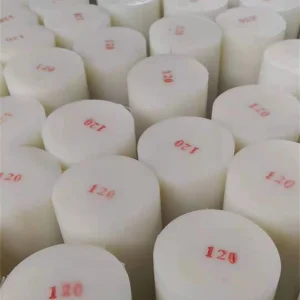
Polyamide PA6, PA66, UHMWPE & PTFE Semi-Finished Stock for Germany Assemblies
View Polymer Stocks
Solid Bigfoot HDPE Crane Outrigger Pads for Heavy Tanks
Heavy Foundation Pads
Solid HDPE Outrigger Pads & Ground Support Blocks for German Tank Construction Rigs
View Outrigger Pads
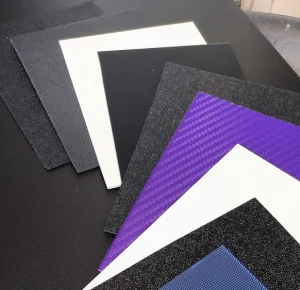
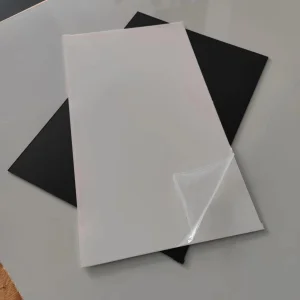
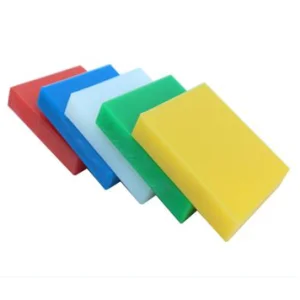
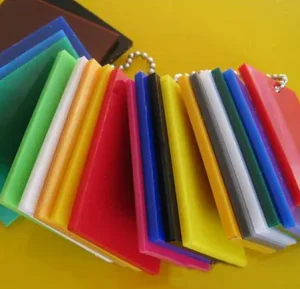
Smooth Texture ABS Plastic Sheet for Water Tank Housings
Thermoforming ABS
Custom Color Smooth Texture ABS Sheets for Water Purification Enclosures in Germany
View ABS Sheets
Pure PTFE Sheet for Chemical Tank Flange Seals
Fluoropolymer Seals
Virgin PTFE Gasket Sheet for German Chemical Tank Manways & Corrosive Flanges
View PTFE Sheets
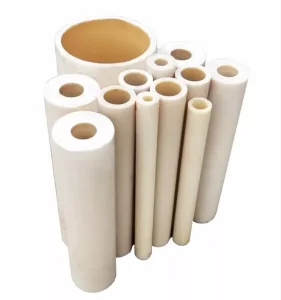
Cast Nylon Ring and POM Rod Round Parts for Water Tanks
Precision Rings & Tubes
Natural MC Nylon Rings & Cast POM Round Tubes for Water Valve & Bushing Assemblies
View Cast Rings & Tubes
Oil Filled and Glass Filled PA6 Nylon Rods
Glass & Oil Filled PA6
Engineering Plastic Cast PA6 Glass/Oil Filled Rods for Heavy Tank Agitator Shafts
View PA6 Rods
Smooth ABS Sheet for Insulated Tank Panels and Enclosures
Sanitary Grade ABS
Custom Color Smooth ABS Cladding Sheets for Thermal Insulated Potable Water Tanks
View ABS Cladding
Technical & Procurement Clarifications

Frequently Asked Questions for German Engineers & Sourcing Officers

Detailed answers addressing certification compliance, logistics lead times, DVS welding compatibility, and custom fabrication support.

How do your thermoplastic materials align with German DVS 2205 and WHG compliance mandates?
Our high-density polyethylene (PE 100-RC) and polypropylene (PP-H) sheets are formulated specifically to satisfy the calculation requirements of DVS 2205 (Design calculations for containers and apparatus made of thermoplastics). We provide full raw material inspection certificates according to DIN EN 10204-3.1, including creep rupture strength curves, long-term hydrostatic design factors, and full chemical reduction factor datasets. For installations subject to the German Water Resources Act (WHG), our engineering team coordinates documentation verifying that materials meet the strict secondary containment and leak tightness criteria defined under AwSV guidelines.
What are the key advantages of Modular GRP/SMC Pressed Panel Tanks for industrial installations in Germany?
Modular GRP/SMC (Sheet Molding Compound) hot-pressed sectional tanks offer significant logistical and installation benefits over single-piece rotomolded vessels or welded steel tanks. Composed of standardized 1×1m or 1×0.5m panels, they can be flat-packed into standard sea shipping containers, lowering oceanic freight expenses by up to 70%. In German commercial buildings, automotive plants, and industrial basements where access passages are restricted, modular panels can be manually carried through standard doorways and bolted together internally or externally without hot-work fire permits.
Can you supply materials certified to KTW-BWGL and DVGW W270 for German drinking water reservoirs?
Yes. For drinking water containment applications, we utilize dedicated high-purity virgin resin formulations that satisfy the migration limit criteria laid out in the German Environment Agency (UBA) KTW-BWGL (Plastics and other organic materials in contact with drinking water) evaluation criteria. In addition, our surfaces are formulated for microbiological inertness, preventing biofilm proliferation in compliance with DVGW Technical Standard W270. All food-grade sheets and panels are shipped with complete traceability dossiers from pristine virgin feedstocks free from phthalates or recycled regrinds.
How does your factory manage export logistics, tariffs, and customs clearance to German ports (Hamburg / Bremerhaven)?
We offer full Incoterms flexibility, ranging from FOB Tianjin/Qingdao to CIF Hamburg or DDP directly to your manufacturing site or project warehouse in Germany. Our documentation team provides complete European Union customs paperwork, including preferential Origin Declarations, commercial invoices with accurate TARIC/HS code classification, and EUR.1 compliance documentation. Average ocean transit times from Chinese main ports to Hamburg or Rotterdam typically range from 28 to 35 days, with complete container GPS tracking and export wooden crate fumigation adhering to IPPC ISPM-15 guidelines.
What custom CNC machining capabilities do you provide for tank accessories, nozzles, and internal baffling?
In addition to manufacturing raw sheets, rods, and tubes, our in-house machining facilities house over 30 advanced 3-axis, 4-axis, and 5-axis CNC machining centers. We manufacture custom plastic flanges (DIN EN 1092-1 Type 01/11 dimensions), manhole rings, threaded pump mountings, sight-glass adaptors, and high-load wear pads from MC nylon, POM, and PTFE. We accept customer technical drawings in 2D (DWG, DXF, PDF) and 3D (STEP, IGES) formats, delivering precision components with positional tolerances maintained to ISO 2768-m.
How do you guarantee batch-to-batch consistency and prevent internal stress cracking in heavy plastic boards?
Internal mechanical stress is the primary cause of warpage, weld failure, and accelerated stress cracking in thick engineered plastics. At SHUNDA, all thick extruded and cast boards (such as PA6, POM, and heavy-gauge HDPE) undergo controlled secondary thermal annealing cycles inside temperature-monitored circulating hot-air ovens. This removes residual molecular stresses introduced during cooling, ensuring dimensional stability when our customers perform secondary CNC milling, boring, or hot-gas extrusion welding in Germany.
Direct Engineering Inquiry Channel

Consult Our Engineering Polymer Team for Your German Projects

Whether you require flat-pack modular GRP panels for municipal fire cisterns or customized HDPE sheets complying with DVS guidelines, our technical sales engineers respond with detailed pricing, datasheets, and material samples within 12 hours.

Send Inquiry Now