
Core Industrial Thermoplastic Profiles for Greater KL
Direct factory supply of certified PA6, cast nylon, and impact-modified ABS polymer plates and profiles ready for automated fabrication and precision turning.
-
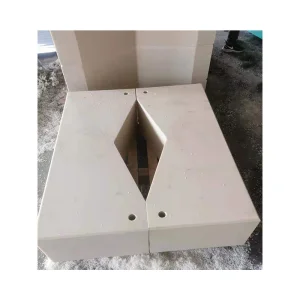 Kuala Lumpur Grade MC Casting Nylon Sheet PA6 Engineering Plastics Hard Board SheetReview Profile Data
-
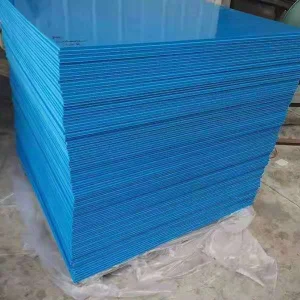 Kuala Lumpur Assembly Blue MC Nylon Wear Sheet & Guide PlateReview Profile Data
-
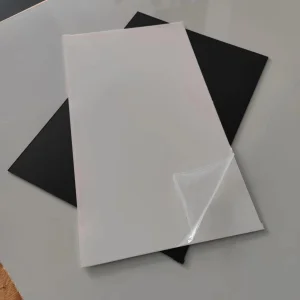 High-Rigidity Smooth ABS Sheet & Profile for Selangor Electrical Appliance EnclosuresReview Profile Data
-
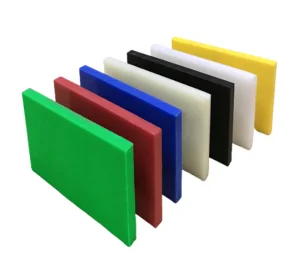 Heavy Duty Engineering ABS & Polyamide Bar, Rod & Structural Tube SystemsReview Profile Data
The Commercial Landscape of ABS Tubing in Greater Kuala Lumpur
An empirical evaluation of polymer processing requirements, regional infrastructure expansion, and shifting manufacturing paradigms across Peninsular Malaysia.
Local Klang Valley & Selangor Industrial Acceleration
The Greater Kuala Lumpur conurbation—stretching across Shah Alam, Petaling Jaya, Subang Jaya, and Klang—represents the high-velocity nexus of Malaysia's high-tech manufacturing, electrical appliances, and automotive components. Driven by Malaysia’s New Industrial Master Plan 2030 (NIMP 2030), industrial automation hubs require dimensionally stable, chemically inert, and flame-retardant hollow extrusions.
Historically dominated by unplasticized PVC or imported stainless conduits, the market has undergone a secular structural migration toward terpolymer ABS tubing. Malaysian engineering contractors face equatorial thermal cycling (28°C to 36°C ambient with relative humidity exceeding 80%). Under these stringent circumstances, legacy PVC exhibits plasticizer leaching and notch sensitivity, while steel suffers accelerated chloride pitting. ABS hollow cylinders provide an unyielding equilibrium of notch toughness, thermal insulation, and galvanic corrosion immunity.
Global Geopolitical & Supply Chain Realignment
Globally, the ABS market is undergoing rapid capitalization. Valued at over USD 28.5 Billion with a compounded annual growth rate (CAGR) of 6.2%, demand is underpinned by electric vehicle (EV) battery cooling conduits, data center liquid manifold routing, and cleanroom pneumatic carrier lines. The Asia-Pacific region controls upwards of 68% of primary styrene monomer polymerizations.
In response to supply chain fragmentation and volatile freight markets, Kuala Lumpur functions as an agile procurement port. By coupling direct, continuous multi-screw extrusion factory infrastructure in Hebei, China with optimized maritime logistics via Port Klang, original equipment manufacturers (OEMs) achieve resilient just-in-time delivery schedules, eliminating middle-tier brokerage markups and localized distributor stockouts.
Critical ABS Tubing Applications Across Kuala Lumpur Corridors
Engineered to meet specific mechanical stress profiles encountered across Greater Kuala Lumpur's primary economic zones.
Cyberjaya Hyper-Scale Data Centers
Cyberjaya and Bukit Jalil serve as Southeast Asia’s fastest-growing enterprise data clusters. Liquid immersion and secondary cooling lines demand polymer conduits that exhibit zero internal scale formation, high hydraulic laminar efficiency, and zero risk of pinhole electrolytic galvanic corrosion. Extruded virgin ABS tubes provide smooth internal bore profiles (Hazen-Williams coefficient C=150), significantly reducing auxiliary pump loads.
Shah Alam & Rawang Automotive Assembly
Surrounding the assembly lines of national champions Proton and Perodua, along with tier-1 international suppliers, our ABS tubes are post-machined into protective bushings, wiring harness shielding conduits, low-pressure hydraulic return lines, and automated pneumatic feed tubes. The polybutadiene rubber phase provides impact dampening, absorbing chassis line vibrational cycles without micro-fissuring.
Port Klang Marine & Desalination Systems
Handling intense coastal saltwater mist, saline slurry, and alkaline trade wastes, Port Klang industrial operators rely on customized thick-walled ABS piping. Unlike copper-nickel or steel pipes that oxidize rapidly in tropical marine atmospheres, our specialized ABS matrix ensures operational longevity exceeding 25 years without external protective resin coatings.
Comparative Material Matrix for Design Engineers
Critical mechanical, thermal, and dielectric benchmarking comparing ABS with competing thermoplastic profiles within tropical operational environments.
| Property / Characteristic | Extruded Virgin ABS Tube | Cast Polyamide (PA6 Nylon) | Polyoxymethylene (POM Acetal) | Unplasticized PVC (uPVC) |
|---|---|---|---|---|
| Specific Density (g/cm³) | 1.04 – 1.07 (Lightweight) | 1.14 – 1.16 | 1.41 – 1.43 | 1.38 – 1.45 |
| Notched Izod Impact (23°C, kJ/m²) | 35 – 50 (Exceptional) | 4.0 – 6.0 (Dry state) | 6.0 – 8.0 | 2.0 – 5.0 (Brittle) |
| Sub-Zero Impact Retention (-20°C) | Superb (>20 kJ/m²) | Moderate decline | Substantial embrittlement | Severe embrittlement risk |
| Moisture Absorption Equilibrium (%) | 0.2% – 0.45% (Stable) | 6.0% – 8.5% (High swell) | 0.8% (Dimensionally stable) | <0.1% |
| Tensile Modulus of Elasticity (MPa) | 2,100 – 2,600 | 3,000 – 3,400 | 2,800 – 3,200 | 2,900 – 3,500 |
| Machinability & CNC Milling Response | Superior (No burrs, clean threads) | High (Requires sharp tooling) | Excellent (Precision turning) | Prone to micro-chipping |
| Solvent Cement / Joining Capacity | Excellent (MEK / ABS solvent weld) | Extremely difficult (Adhesion limits) | Near impossible via solvents | Good (PVC solvent cements) |
Extrusion Rheology & Thermal Stabilization
Our extrusion lines utilize triple-zone vacuum calibrators and barrier-screw feed barrels engineered specifically to prevent shear-induced degradation of the polybutadiene phase. Incorporated phenolic antioxidants and hindered amine light stabilizers (HALS) protect the finished tubes from thermo-oxidative yellowing and surface embrittlement under intense Southeast Asian UV exposure.
Future Roadmap: Halogen-Free Flame Retardance (HFFR)
In alignment with the European RoHS 3, REACH standards, and Malaysia's Department of Occupational Safety and Health (DOSH) directives, our research pipeline has introduced non-brominated, phosphorus-nitrogen synergized UL94 V-0 flame-retardant ABS hollow profiles. These profiles minimize toxic smoke emission during critical rail transit and telecommunication infrastructure installations.
Macro Solutions: Direct Factory Sourcing for Peninsular Malaysia
Streamlining the supply chain between our advanced North China manufacturing facility and your warehouse in Petaling Jaya, Klang, or Penang.
100% Virgin Petrochemical Resins
We strictly eliminate unregulated post-consumer regrind that introduces mechanical micro-voids, variable wall thicknesses, and unpredicted stress fracturing. Every masterbatch lot undergoes Melt Flow Index (MFI) and differential scanning calorimetry (DSC) verification to guarantee continuous batch consistency.
Secondary Turn-Key CNC Fabrication
Beyond bulk straight extrusion lengths (standard 2.0m to 6.0m), our in-house 4-axis and 5-axis CNC machining bays provide chamfering, precision internal/external thread cutting (BSP/NPT), precision slotting, ultrasonic cleaning, and bespoke multi-port drilling according to your CAD drawings.
Port Klang Direct Sea Freight Optimization
With integrated logistics lines outbound from Tianjin Port directly to North Port and West Port at Port Klang, we accommodate flexible order volumes ranging from Less than Container Load (LCL) test runs to Full Container Load (FCL) continuous bulk framework agreements, complete with Form E duty certificates.
Comprehensive Engineering Polymers & Machined Stock
Browse our factory-certified production lines of semi-finished rods, tubes, plates, and elastomeric industrial sheets available for direct export to Kuala Lumpur.
-
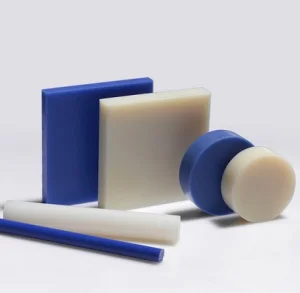 Kuala Lumpur High-Performance PA6 / ABS Industrial Rod, Tube & Sheet StockReview Profile Data
-
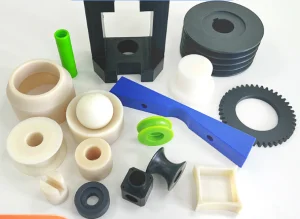 Heavy Duty Outrigger MC Nylon Impact Pad for Kuala Lumpur InfrastructureReview Profile Data
-
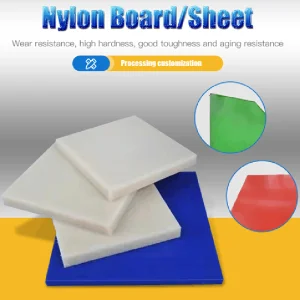 SBR Nitrile Reinforced Cloth Nylon Industrial Floor Matting & Liner SheetReview Profile Data
-
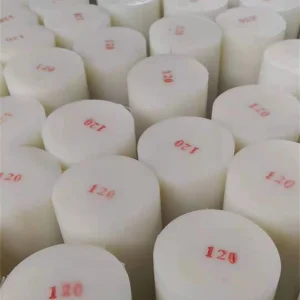 Oil-Filled Self-Lubricating Cast PA6 & Glass-Filled Nylon Structural TubeReview Profile Data
-
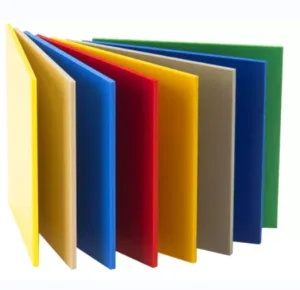 Ultra-Wear Resistant UHMWPE Wear Liner Sheet for Bulk Material ChutesReview Profile Data
-
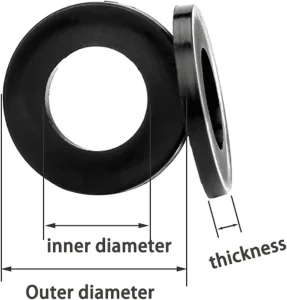 Kuala Lumpur Turn-Key Precision ABS / POM / MC Nylon Hollow Bushing & RingReview Profile Data
-
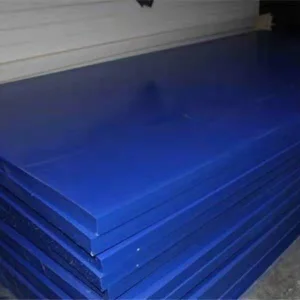 Calibrated Stress-Relieved PA6 Polyamide Plate for Precision Gasket CuttingReview Profile Data
-
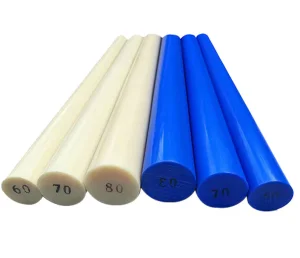 Industrial Blue Cast Nylon Solid Round Bar Stock for Mechanical TurningReview Profile Data
Frequently Asked Questions: ABS Tubing for Malaysian Buyers
Practical procurement answers addressing resin grading, wall dimension tolerances, customs duties, and secondary machining techniques.