
High-Performance Engineering Semi-Finished Stock for Uruguay
Direct supply of precision extruded and cast engineering plastic cylinders, bars, and sheets tested under strict hydrostatic and thermal thresholds.
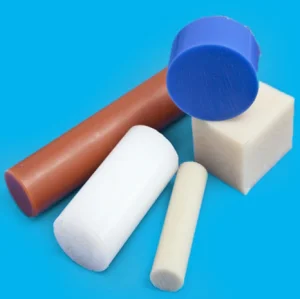
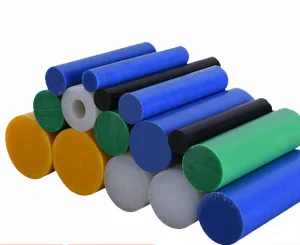
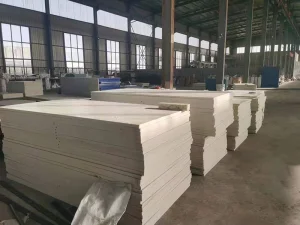
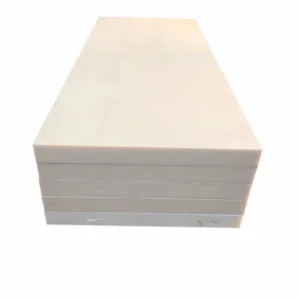
Uruguay's Evolving Industrial Landscape & PP Tube Adoption
Uruguay presents a highly distinct industrial ecosystem in the Southern Cone. Driven by colossal investments in the forestry and bleached kraft pulp sectors (such as the mega-plants in Paso de los Toros, Fray Bentos, and Punta Pereira), alongside dairy processing (led by Conaprole) and chemical manufacturing, the domestic demand for corrosion-free piping infrastructure has surged over recent years.
Traditional carbon steel and ductile iron systems continually suffer from severe chemical erosion and brackish saline atmospheric oxidation along the Río de la Plata and coastal processing clusters. Polypropylene tubes (PP-H and PP-R) provide the quintessential balance of broad chemical inertness, high thermal deflection resistance up to 95°C, and total immunity to electrolytic corrosion.
- Pulp & Paper Bleaching Lines: Handling harsh chlorinated dioxide, alkaline solutions, and spent black liquor condensate where metal alloys fail prematurely.
- Dairy & Beverage Fluid Delivery: Non-toxic, organoleptically inert PP tubes strictly conforming to international sanitation criteria for pasteurization and clean-in-place (CIP) hot acid circuits.
- Free Zone & Port Infrastructure: Ideal for saline wastewater treatment in Zona Franca Nueva Palmira and the Port of Montevideo logistics terminals.
Engineered for High-Corrosion Southern Cone Operations
Our PP hollow bars and heavy-wall tubes are formulated with optimal homopolymer molecular weights (PP-H) and beta-crystalline nucleation, elevating impact performance under mechanical vibrations and eliminating stress-crack propagation common in sub-tropical marine zones.
Global Technological Trends in Polypropylene Tubing
Comprehensive transition toward high-crystallinity thermoplastics, automated fusion joinery, and eco-sustainable industrial fluid conveyance systems.
High-Density Crystalline Nucleation
Contemporary engineering requires PP tubes capable of handling abrasive slimes and alkaline slurries. Through modified beta-crystallization, molecular packing density is heightened, enhancing internal surface abrasion resistance by up to 35% over legacy polymers.
Thermal Stability Optimization
Global petrochemical plants and paper mills are extending continuous working thermal regimes. Our advanced PP formulations withstand sustained exposure up to 90°C and intermittent excursions to 110°C without mechanical sagging or wall creasing.
LCA & Decarbonized Procurement
International environmental targets are prompting Latin American manufacturers to lower their plant Scope 3 emissions. Polypropylene features one-fifth the embodied processing energy of copper and high-nickel alloys, guaranteeing lower carbon footprint per linear meter.
Integrated Supply Chain & Scale Efficiency
From resin compound verification through multi-line continuous extrusion and secondary multi-axis CNC lathe processing, SHUNDA provides a completely closed-loop manufacturing ecosystem in Hebei, China.
By producing our own thick-walled parent stock, we completely eliminate intermediaries, offering buyers in Uruguay significant landed-cost savings, zero porosity risks, and rapid turnarounds from drawing validation to export crating.
Why Latin American Industrial Buyers Partner with SHUNDA
For more than 20 years, our engineering plastic facility has supplied specialized polymeric components across North America, Europe, and South America. We resolve common import bottlenecks for Uruguayan purchasing directors:
- Consolidated Polymer Shipments: Combine PP tubes, Nylon PA6 rods, POM profiles, and finished CNC wear parts within a single 20GP or 40HQ container.
- Ocean Cargo Protection: Double-layer moisture barrier wrapping, heavy wooden skeletal framing, and anti-warping bracing to ensure straightness upon arrival in Montevideo.
- Full Traceability & Certification: Mill test certificates, raw resin chemical purity sheets, and mechanical elongation/tensile test documentation provided per batch.
Polypropylene (PP) vs. Alternative Polymers for Process Piping
A direct engineering benchmark to assist maintenance managers and technical procurement specialists in selecting suitable materials.
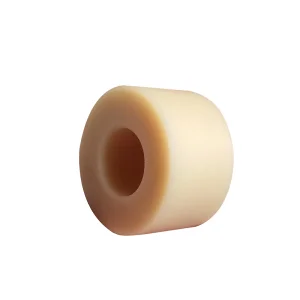
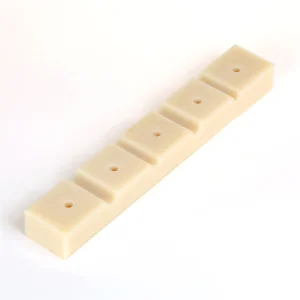
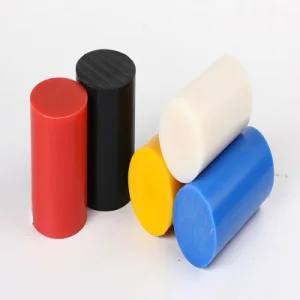
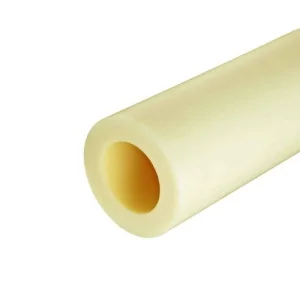
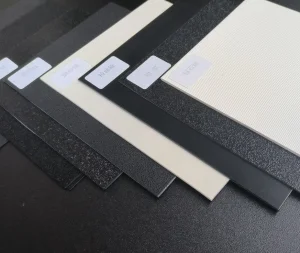
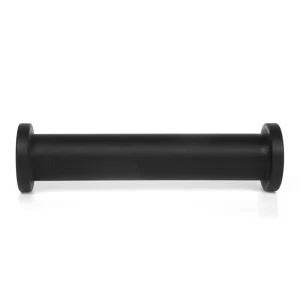
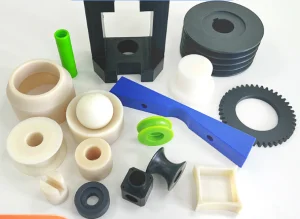
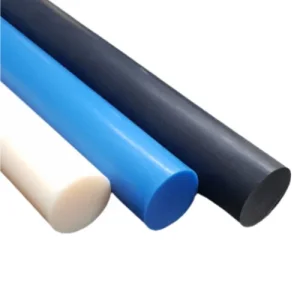
Precision Tubes, Rods, Bushings & Custom Machined Components
Comprehensive engineering polymer materials ready for immediate dispatch to the Uruguayan market and wider Latin America.
Frequently Asked Questions: Sourcing PP Tubes for Uruguay
Comprehensive engineering and commercial responses designed to streamline your international procurement workflow.
What is the standard lead time for shipping to the Port of Montevideo?
Production cycles for standard or custom wall-thickness PP tubes generally span 10 to 15 business days. Direct maritime shipping from Tianjin or Qingdao Port to Montevideo Port typically takes between 35 and 45 calendar days, supported by complete bill of lading (B/L) and customs packing document support.
How does Polypropylene handle acidic bleaching chemicals in pulp production?
PP-H (Homopolymer Polypropylene) demonstrates exceptional chemical stability when handling sulfuric acid, sodium chlorate, sodium hydroxide, and chlorine dioxide solutions up to 80°C. Unlike stainless steel 304 or 316, PP experiences zero pitting corrosion or chloride-induced stress corrosion cracking.
Can you provide custom wall thicknesses and outside diameters for machining?
Yes. Beyond standard nominal pipe sizes (NPS/DIN standard outer diameters), our extrusion and heavy-mandrel casting tooling allows custom thick-walled tubular stock up to 500 mm OD, providing ample tolerance margins for precision CNC machining into bushings, rings, and valve bodies.
What quality assurance standards are applied prior to container dispatch?
Every batch of extruded PP tubes undergoes rigorous internal hydrostatic pressure testing, ultrasonic wall thickness verification along the entire profile length, tensile yield evaluation, and thermal shrinkage validation according to ISO 15013 and ASTM D2122 specifications.