
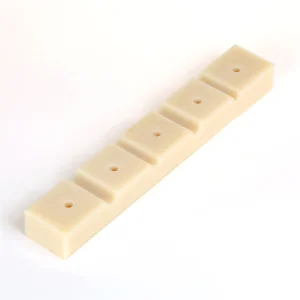
Port & Mining Wear Solutions
Direct-from-factory engineering stock manufactured to extreme impact and UV specifications, serving infrastructure projects across Greater Accra, Ashanti, and the Western Region.
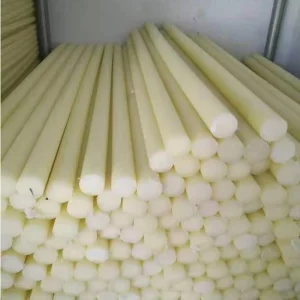

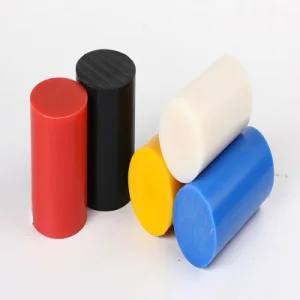
Evaluating macroeconomic drivers, AfCFTA integration, electrical grid modernization, and agricultural packaging demand across West Africa's leading commercial gateway.
Ghana’s massive expansion via the Electricity Company of Ghana (ECG) and Northern Electricity Distribution Company (NEDCo) requires tens of thousands of UV-stabilized, tamper-evident polycarbonate (PC) and polypropylene (PP) electric meter and junction boxes resistant to coastal saline mist.
The transition from perishable single-use sacks to stackable, ventilated HDPE agricultural storage boxes across Sunyani, Kumasi, and Takoradi has triggered surge procurement for OEM food-contact-approved polymer harvest containers.
Gold and mineral extraction operations in Tarkwa, Obuasi, and Ahafo require high-impact copolymer PP geological core trays, explosive storage enclosures, and weatherproof electronic instrument protection casings rated to IP67 standards.
Procuring industrial plastic boxes, customized enclosures, and returnable transport packaging for deployment across Ghana involves distinct mechanical and thermodynamic challenges. With ambient temperatures frequently exceeding 36°C, relative humidity hovering above 85% in coastal Accra and Takoradi, and intense UV radiation index values consistently reaching 11+, standard commodity polymers degrade rapidly without advanced stabilizer formulations.
Outdoor utility meter boxes, solar inverter boxes, and mining junction boxes deployed across Ghanaian territories must comply with stringent Ingress Protection ratings (minimum IP65 to IP67). Monsoonal rains during the major rainy season (April–July) create substantial hydrostatic pressure and internal condensation risks.
Our OEM factory integrates custom-compounded Hindered Amine Light Stabilizers (HALS) and rutile titanium dioxide into Polycarbonate (PC), Acrylonitrile Butadiene Styrene (ABS), and High-Impact Polypropylene (HIPP). This molecular formulation suppresses polymer chain scission, discoloration, and embrittlement, ensuring a design life exceeding 15 years under direct equatorial sunlight.
Selecting the optimal resin system directly impacts both bill-of-materials economics and service reliability. The matrix below outlines operational tradeoffs for Ghanaian procurement directors:
| Polymer System | Charpy Impact (kJ/m²) | HDT @ 0.45 MPa | UV / Environmental Resistance | Target Ghana Applications | Affordability Index |
|---|---|---|---|---|---|
| HIPP (Copolymer PP) | 12.0 - 15.0 | 95°C | Stabilized with HALS Type 944 | Agro crates, logistics boxes, tool storage | High Economic Value |
| Virgin HDPE Grade 5502 | 18.0 - 22.0 | 82°C | Superior chemical & ESCR resistance | Fish crates (Elmina), chemical containers | Cost Effective |
| Engineering Polycarbonate (PC) | 30.0 - 45.0 | 138°C | Inherent UV blockage, flame retardant V0 | ECG electrical meter boxes, clear covers | Premium Industrial |
| ABS Blend + Flame Retardant | 16.0 - 20.0 | 102°C | Medium exterior rating, high finish gloss | Indoor junction boxes, telecom splitters | Balanced Spec |
“Operating as the trade nexus for the African Continental Free Trade Area (AfCFTA) secretariat in Accra, Ghanaian enterprises can re-export finished assembled assemblies into Burkina Faso, Côte d'Ivoire, and Togo. By leveraging direct container vessel routes from Ningbo, Qingdao, and Shenzhen into the Port of Tema's Meridian Port Services (MPS) Terminal 3, buyers gain swift clearance windows (4 to 7 business days) when backed by complete Form M, CCVR (Customs Classification and Valuation Report), and pre-shipment testing documentation.”
Importers must adhere strictly to GSA LI 1541 standards regarding product safety, traceability, and material purity. Furthermore, with the Ghanaian Ministry of Environment, Science, Technology and Innovation (MESTI) enforcing stricter controls on single-use plastics, demand has consolidated around circular-economy certified multi-trip plastic boxes.
Our OEM manufacturing lines incorporate verifiable post-industrial closed-loop regrind (PCR/PIR) options for non-critical structural components while reserving 100% prime virgin resin with RoHS and REACH certifications for electrical dielectric and food packaging enclosures.
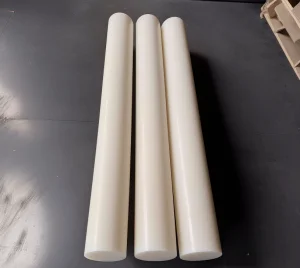
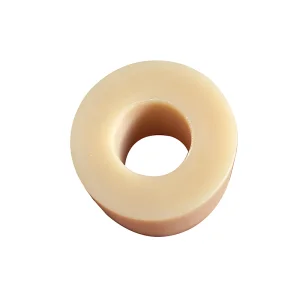
Supplying precision machine shops and fabrication facilities in Accra, Tema Heavy Industrial Area, and Takoradi Free Zone.
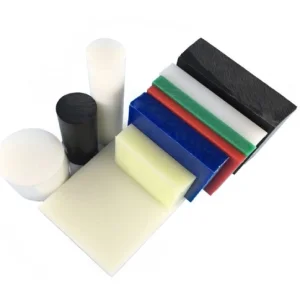
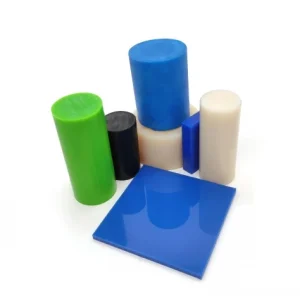
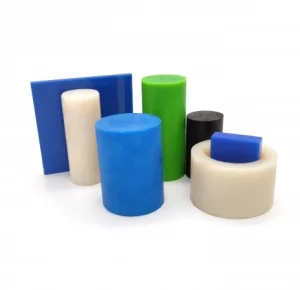
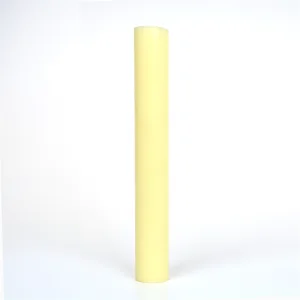
A structured engineering methodology guaranteeing dimensional precision, tooling longevity, and hassle-free customs clearance in Ghana.
Utilizing high-grade P20 and 718H steel mold inserts to withstand 500,000+ injection cycles. Moldflow analysis identifies weld lines, prevents air traps, and optimizes rib placement to prevent sink marks on structural plastic box enclosures.
Direct dosing of custom masterbatches: flame retardant additive V0 (UL-94 compliant), UV inhibitors (UV326 / HALS), and masterbatch color matching (ECG green/grey or custom corporate branding) before full-scale injection molding.
Export crating in fumigated ISPM-15 wooden pallets with moisture-barrier film. Seamless integration with Ghana's Integrated Customs Management System (ICUMS), issuing verified packing lists, Clean Reports of Findings (CRF), and Bills of Lading.
Clear, direct answers regarding minimum order quantities, import duties, material specifications, and logistics lead times to Ghana.
Direct ocean transit from main Chinese container ports (Ningbo-Zhoushan or Shenzhen) to Tema Port typically averages 28 to 35 days on major liner routes (e.g., Maersk, CMA CGM, MSC). Including production and pre-shipment inspection, procurement cycles generally span 45 to 55 days from mold approval to port arrival.
We compound our industrial PP and HDPE formulations with dual-stabilizer packages containing sterically hindered amine light stabilizers (HALS) and UV absorbers. This prevents free-radical photo-oxidation, preserving elongation-at-break and flexural modulus even in open tropical deployments in Northern Ghana or along coastal Accra.
Yes. We engineer customized meter boxes and distribution enclosures incorporating V0 self-extinguishing flame-retardant Polycarbonate (PC) or PC/ABS alloys, brass threaded inserts, padlocking eyelets, and clear observation windows that adhere to ECG and IEC 62052-11 standards.
For custom mold fabrication where tooling costs are amortized, initial trial production can begin at 500 to 1,000 units. For standardized plastic box designs, crates, or engineering stock rods/sheets, our standard MOQ is 100 units or bundled LCL pallet shipments.
Yes. All export consignments are supported with complete inspection dossiers, including Certificate of Analysis (COA), RoHS/REACH compliance declarations, factory dimension verification reports, and Third-Party Inspection (SGS, Intertek, or BV) when mandated by Ghanaian bank letters of credit (LCs).
Our harvest and cold-chain crates are manufactured strictly from 100% FDA-compliant virgin High-Density Polyethylene (HDPE) or Polypropylene (PP) with zero hazardous heavy metals, certified non-toxic for direct contact with cocoa beans, fruits, and processed food products.