
High-Grade Precision Plastic Rods & Sheets for Algerian Heavy Industry
Engineered for high dimensional stability, chemical resilience, and harsh thermodynamic operation in Arzew, Hassi Messaoud, and Skikda petrochemical corridors.
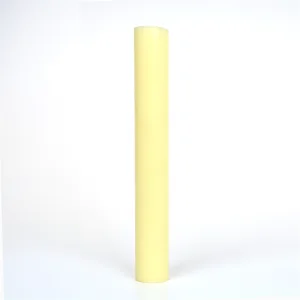
Wholesale Pure Nylon Rod for Algerian Heavy Industrial Applications
High impact resistance, self-lubricating polyamide rods certified for conveyor bearings, bushings, and mineral processing machinery in desert environments.
Explore Product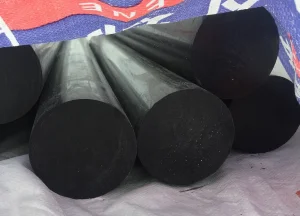
Precision POM Rods (Black & White POM Bar) for Algerian Valve Tech
Zero-moisture absorption copolymer polyoxymethylene offering exceptional dimensional stability for hydrocarbon meters, pump impellers, and precision gears.
Explore Product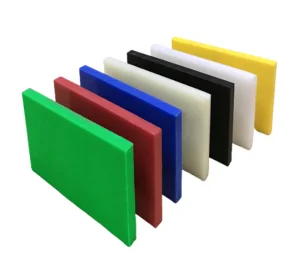
Oil-Lubricated Green MC Nylon Sheet for Algerian Phosphate & Mining Liners
Cast monomer polyamide plate fortified with internal liquid lubricant to dramatically minimize friction co-efficient inside bulk handling chutes and hoppers.
Explore Product
Industrial Engineering Polymers: PTFE, PA66, UHMWPE & HDPE Rods
Comprehensive engineering polymer portfolio formulated to replace fragile bronze, stainless steel, and cast iron bushings across Algerian petrochemical hubs.
Explore ProductThe Strategic Trajectory of PTFE Rod Consumption in Algeria
Analyzing procurement dynamics, import substitution policies, and industrial wear demands across the People's Democratic Republic of Algeria and the greater Mediterranean basin.
The Democratic and Popular Republic of Algeria commands one of the most vibrant chemical and energy-conversion infrastructures on the African continent. Blessed with massive hydrocarbon reservoirs across the Saharan platform—most notably in the Berkine basin, Hassi Messaoud, and Rhourde Nouss—the domestic economy has traditionally channeled significant capital expenditure into petroleum extraction, liquefied natural gas (LNG) processing, and heavy inorganic chemical manufacturing. Within these ultra-aggressive operational landscapes, polymer engineers face intense corrosion, sand abrasion, thermal cycling exceeding 200°C, and harsh multi-phase fluid flows. Under these demanding conditions, Polytetrafluoroethylene (PTFE) rods have established themselves as an indispensable raw material for machining critical valve seats, chevron V-packings, mechanical seal rings, high-voltage isolators, and non-stick cryogenic pipe supports.
Historically, Algeria's petrochemical engineering contractors (including subsidiaries of Sonatrach, Sonelgaz, and international joint ventures operating under Law 19-13) procured converted fluoropolymer parts directly from southern European distributors in France, Italy, and Spain. However, structural shifts over the past five years have redirected industrial procurement toward direct mill-sourcing from Tier-1 semi-finished stock manufacturers in China. The combination of precision paste-extrusion processes, ram-extrusion lines capable of exceeding 350 mm in solid diameter, and consistent batch annealing has elevated Chinese fluoropolymer rod fabricators into pivotal supply-chain partners for Algerian maintenance, repair, and operations (MRO) networks.
Global Commercial Landscape: Fluoropolymer Resilience and Raw Material Availability
On a macro scale, the global polytetrafluoroethylene market is undergoing unprecedented transformation dictated by fluorochemical upstream regulations, PFAS legislative reviews in Europe and North America, and massive greenfield expansions in Asian chemical industrial parks. PTFE, composed purely of carbon-fluorine bonds (among the strongest single bonds in organic chemistry), retains full compliance exemption under industrial component mandates due to its non-bioaccumulative, high-molecular-weight fluoropolymer classification. As western domestic converters face rising energy costs and downstream supply rationalization, Algerian buyers have capitalized on direct trading partnerships with accredited Chinese ISO 9001/ISO 14001 manufacturers that operate vertically integrated fluorite-to-monomer (TFE) supply complexes.
This macro reorientation guarantees that engineering machine shops located in industrial zones like Rouïba, Oued Smar (Algiers), Es Sénia (Oran), and Hassi Ameur receive consistent material certifications (EN 10204 3.1), RoHS compliance, and FDA conformances without multi-tiered intermediary markups. Today, the direct export of virgin and filled PTFE round bars from modern Asian factories to the ports of Algiers, Oran, Skikda, and Béjaïa represents a high-efficiency procurement corridor delivering superior dimensional predictability and batch-to-batch homogeneity.
Procurement Alert for Algerian Machine Shops
When specifying PTFE solid rods for Sonatrach upstream operations or fertilizer synthesizers in Arzew, virgin polymer must meet ASTM D4894 Type II/IV requirements with density values between 2.14 and 2.18 g/cm³. Re-extruded or adulterated post-consumer scrap yields micro-porosities that invite high-pressure gas permeation and rapid explosive decompression failures.
Comprehensive PTFE Rod Grade Selection for Algerian Contractors
Compare physical, mechanical, and thermal behavior across virgin PTFE and reinforced compositions tailored for high-load, high-temperature, and abrasive desert applications.
| PTFE Grade Spec | Composition Ratio | Tensile Strength (MPa) | Elongation (%) | Shore D Hardness | Key Performance Strengths | Primary Industrial Use-Case in Algeria |
|---|---|---|---|---|---|---|
| Virgin PTFE Rod | 100% Pure PTFE Resin | ≥ 20 - 30 | ≥ 250 - 350 | D50 - D55 | Complete chemical inertness, lowest friction, non-stick, wide range: -200°C to +260°C | Food processing, pharmaceutical filling, cryogenic LNG valve seals, cryogenic LNG liners |
| Glass Fiber Filled | 15% - 25% E-Glass Fibers | ≥ 14 - 18 | ≥ 180 - 220 | D58 - D65 | Decreased cold flow, enhanced compressive strength, improved wear under cyclic loads | High-pressure hydraulic backup rings, pipe support slide bearings, chemical pump casings |
| Carbon / Graphite Filled | 25% Carbon / 5% Graphite | ≥ 15 - 19 | ≥ 120 - 160 | D62 - D68 | Exceptional wear resistance, high thermal conductivity, low thermal expansion, static dissipating | Dry-running compressor piston rings, high-speed rotary seals in desert dust environments |
| Bronze Filled | 40% - 60% Bronze Powder | ≥ 16 - 22 | ≥ 100 - 150 | D65 - D72 | High deformation resistance, excellent heat dissipation, handles intense structural compression | Heavy hydraulic cylinder guides, earthmoving equipment pivots, oilfield jack pump bushings |
| MoS2 Filled | 15% Glass + 5% MoS2 | ≥ 15 - 18 | ≥ 170 - 210 | D58 - D64 | Lower start-up friction, surface hardness, reduced galling against soft mating metals | Deep-well drilling tool seals, downhole mud motor stabilizer bands, marine valve guides |
Ram Extrusion & Sintering
Continuous ram extrusion under precise thermodynamic control creates rod stock free from center-line porosity, density variations, and transverse micro-cracking common in lower-grade compression molding.
Stress Relieving & Annealing
Multi-stage computer-controlled annealing cycles minimize residual internal stresses. This guarantees that Algerian CNC machinists can turn tight-tolerance seals without unexpected post-machining creep or shrinkage.
Full Lot Traceability
Each production batch undergoes rigorous specific gravity checking, dielectric testing, and longitudinal tensile verification, certified by full Mill Test Certificates (MTC) conforming to European standard EN 10204 3.1.
High-Yield Industrial Applications Across Algeria’s Core Economic Sectors
From extreme desert temperatures in the Sahara to saline Mediterranean processing facilities, discover how fluoropolymers resolve severe industrial mechanical wear.
1. Downstream Petrochemical Refineries & LNG Liquefaction Hubs (Arzew & Skikda)
Algeria operates some of the planet’s largest natural gas liquefaction terminals, notably the GL1Z, GL2Z, and GL3Z facilities in Arzew, as well as the mega-train units in Skikda. In cryogenic methane environments where temperatures plunge to -162°C, conventional rubber, nitrile, and fluoroelastomers turn brittle and shatter under dynamic mechanical shock. Virgin and 15% glass-filled PTFE rods are extensively converted by local machine shops into spring-energized lip seals, ball valve seat rings, and bonnet gaskets. Because PTFE maintains its mechanical flexibility and ductility down to -200°C, it prevents hazardous boil-off gas leakage across cryogenic transfer arms, loading skids, and subcooled reflux pumps.
2. Sahara Upstream Wellhead Production & Artificial Lift (Hassi Messaoud & Berkine)
In deep wells surrounding the Hassi Messaoud oilfields, downhole instrumentation and sub-surface safety valves (SSSV) encounter aggressive fluids saturated with hydrogen sulfide (H2S), carbon dioxide (CO2), high-salinity formation brine, and abrasive silica sand. Downhole temperatures frequently exceed 140°C with operating pressures surpassing 5,000 PSI (345 bar). To prevent explosive decompression and catastrophic seal blowouts, Algerian completion service providers machine chevron packing stacks using 25% carbon/graphite filled PTFE rods alternating with virgin PTFE spacers. The carbon reinforcement stops mechanical extrusion into clearances while the graphite provides continuous dry lubrication during rod stroke cycles.
3. Seawater Desalination Plants (SWRO) Along the Mediterranean Coastline
To secure domestic potable water, Algeria has developed a network of massive Sea Water Reverse Osmosis (SWRO) facilities, including the Magtaa (500,000 m³/day), Souk Tleta, Beni Saf, and Cap Djinet installations. High-pressure feed pumps push pre-treated seawater across RO membrane racks at pressures exceeding 70 bar. The corrosive nature of concentrated brine rapidly destroys bronze and standard duplex stainless wear components. Machining hydraulic wear rings, non-return valve guides, and balance pistons from solid PTFE and modified fluoropolymer rod stock eliminates galvanic cell corrosion entirely, doubling maintenance intervals and safeguarding high-pressure energy recovery devices (ERDs).
4. Phosphate Mining, Fertilizer Complexes & Iron Ore Extraction (Annaba, Tébessa & Gara Djebilet)
In the fertilizer heartland of Annaba (Fertial complexes) and the phosphate fields of Djebel Onk (Tébessa), equipment handles highly concentrated sulfuric acid (H2SO4) and phosphoric acid slurries. Pure PTFE rod is one of the only commercial engineering plastics that remains 100% chemically unattacked by boiling 98% sulfuric acid. Algerian chemical equipment fabricators turn PTFE rods into acid dip tubes, flanged nozzle liners, orifice plates, and sampling valve plungers. Meanwhile, in emerging mega-mining ventures like the Gara Djebilet iron ore deposit, heavy transport chutes utilize wear pads and slide elements derived from bronze-filled PTFE to endure brutal impact and sliding friction under extreme solar UV exposure.
LNG Transfer & Storage
High purity virgin PTFE converted into cryogenic seal rings, seat retainers, and valve packings functioning continuously at -162°C without embrittlement.
Wellhead Artificial Lift
Carbon-filled PTFE seals engineered for Hassi Messaoud high-pressure wells, mitigating sour gas attack (H2S/CO2) and severe sand scoring.
SWRO Desalination Plants
Chemically inert guide bushes and wear rings resisting high-pressure hypersaline brine (70+ bar) inside energy recovery turbines along the coast.
Sulfuric & Nitric Synthesis
Pure fluoropolymer valve plugs, gaskets, and pump impellers surviving boiling corrosive mineral acids at Asmidal and Fertial chemical refineries.
Precision Machining Roadmap & Engineering Recommendations for PTFE Rods
Essential machining protocols, tooling parameters, thermal expansion considerations, and future-forward polymer developments for Algerian technical teams.
Critical Machining Parameters for Algerian CNC Technicians
Unlike metals or rigid plastics such as POM or cast nylon, PTFE exhibits low thermal conductivity, high elasticity, and a thermal expansion coefficient roughly ten times higher than steel. When lathe-turning or milling PTFE rods in workshops across the Mitidja Plain or Oran, technicians should implement the following engineering parameters to prevent dimensional distortion and surface tearing:
- Tool Geometry: Utilize razor-sharp polished carbide (micro-grain) or polycrystalline diamond (PCD) inserts. Rake angles must be generous: positive back rake between 10° and 20°, side relief between 10° and 15°. A dull edge will push and smear the polymer rather than clean-cutting it.
- Thermal Control & Coolants: Due to PTFE’s exceptionally poor thermal dissipation, heat accumulates rapidly at the cutting interface. Excessive heat causes localized thermal expansion; when the turned component cools to room temperature, it shrinks out of tolerance. Utilize high-velocity water-soluble synthetic emulsions or high-pressure dry vortex air tubes.
- Support for Thin Diameters: PTFE’s high modulus of flexibility causes solid bars below 30 mm diameter to deflect away from the tool under cutting pressure. Employ live centers and follower rests, keeping part overhang to a minimum.
- Clamping Pressures: Avoid excessive chuck jaw force, which causes permanent out-of-round deformation. Soft collets, pie jaws, or custom turned aluminum sleeves are recommended to distribute clamping pressure evenly.
- Post-Machining Thermal Conditioning: For aerospace or nuclear instrumentation seals requiring micron-level precision, perform rough turning leaving 0.5 mm envelope, followed by stabilizing the part at room temperature (20°C ± 2°C) for 24 hours prior to the finishing pass.
Macro Industry Trends & Technical Roadmap (2025 - 2035)
The industrial landscape for fluoropolymers in North Africa is rapidly advancing. Moving beyond standard virgin stock, forward-looking engineering projects in Algeria are embracing three primary technological evolutions:
1. Micro-Compound Nanofilled Fluoropolymers
By blending nanoscale ceramic, polyimide (PI), and graphene particles into PTFE host matrices, polymer scientists are creating ultra-low-wear formulations capable of operating completely dry in harsh desert environments where airborne dust acts as grinding paste. These formulations reduce wear rates by up to 200x compared to virgin PTFE while eliminating bronze galling against soft stainless steel shafts.
2. Direct-to-Digital Precision Machined Blanks
Rather than ordering large solid bars and turning away 70% of the expensive polymer as turnings and chips, Algerian OEMs are partnering with manufacturers capable of producing custom pre-sintered near-net-shape hollow bars and tubes. This reduces machining time, tool wear, and scrap metal contamination, driving down the unit cost of critical industrial components.
3. Circular Economy & In-House Closed Loop Clean Re-polymerization
In accordance with Algeria’s updated environmental preservation guidelines and industrial waste reductions, Tier-1 manufacturing plants are establishing strict scrap segregation protocols. High-purity virgin turnings are re-pelletized under ultra-clean vacuum conditions for non-critical secondary applications (such as low-pressure back-up shims and pipeline vibration isolators), creating a circular value chain.
Frequently Asked Questions: Sourcing & Applying PTFE Rods in Algeria
Authoritative answers addressing engineering tolerances, import documentation, customs clearance, and grade selection for North African buyers.
Full Spectrum Engineering Stock: Sheets, Rods, Rings & CNC Turned Parts
Explore our export-ready inventory supporting Algerian petroleum engineering, marine dredging, civil piling, and plant infrastructure maintenance.
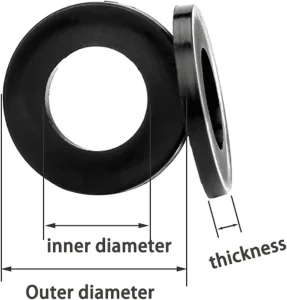
OEM Polyamide MC Nylon Rings & Heavy-Duty Cast Nylon Tubes
Hollow cylindrical stock engineered for turning large-bore industrial crane sheaves, winch cable drums, and marine mooring bushings across Algerian seaports.
Explore Product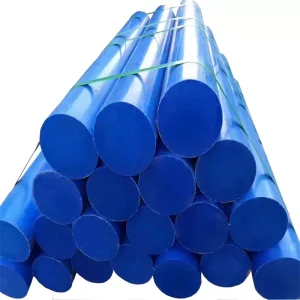
MC Cast Nylon PA66 & Polyethylene Solid Round Rods & Bars
Rigid high-molecular round stock tailored for heavy mechanical transmission elements, shock-absorbing rollers, and low-wear drive sprockets.
Explore Product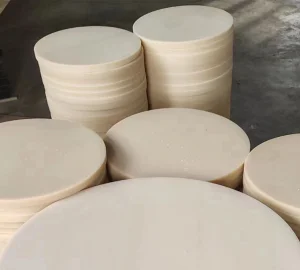
Heavy Impact Polymer Cushions for Algerian Port & Bridge Piling Hammers
Ultra-resilient polymer impact blocks designed to absorb brutal kinetic cycles, protecting hydraulic hammers and pile heads in heavy civil foundation works.
Explore Product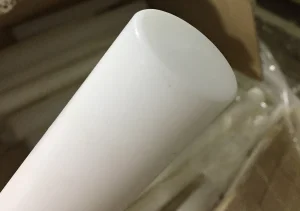
Direct Stock: White & Black POM Acetal Plastic Solid Rods
High stiffness engineering plastic bar stock certified for zero moisture pick-up, offering clean chip formation for precision CNC screw-machine operations.
Explore Product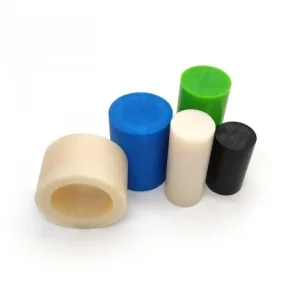
Engineering Plastic Cast Board & Heavy Cast Polyamide Slabs
Stress-relieved thick plates and slabs formulated for large-surface wear liners, crane support outrigger pads, and corrosive chemical tank baffles.
Explore Product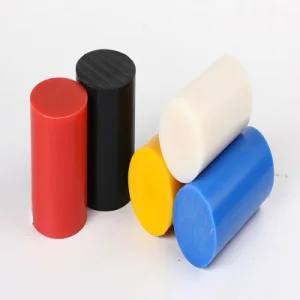
Industrial Monomer Cast MC Nylon Solid Round Bars & Billets
High molecular weight cast PA6 billets offering outstanding compressive load ratings to replace bronze bushings in heavy off-road desert trucks.
Explore Product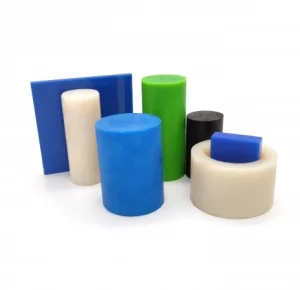
Custom Sized PTFE, PA66, PP & UHMWPE Sheets and Solid Bars
Tailor-extruded fluoropolymer and polyolefin profiles supplied in customized colors, tight tolerances, and export-grade wooden crate packaging.
Explore Product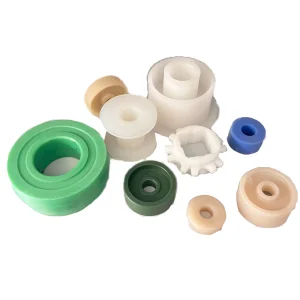
Finished Precision CNC Machined PTFE, PEEK & POM Components
Finished custom engineering polymer components turned and milled to 2D/3D customer blueprints, complete with CMM coordinate inspection reports.
Explore Product