
Precision Engineering Plastic Components for Nagoya Equipment
Pre-machined blanks, heavy-duty dampeners, and precision semi-finished stocks tailored for automotive assembly lines, robotic end-effectors, and foundation engineering projects throughout Aichi Prefecture.

Nagoya: The Epicenter of High-Precision Japanese Manufacturing
The Chukyo Industrial Area, centered on Nagoya in Aichi Prefecture, represents Japan’s premier manufacturing heartland, accounting for the nation's highest output of transportation machinery, industrial robotics, machine tools, and aerospace structures.
Tier-1 Automotive & EV Transition
As Nagoya spearheads electric vehicle drivetrain transformations, OEMs demand weight reduction through high-performance polyamides (MC Nylon PA6/PA66) and POM. Replacing brass and bronze with self-lubricating, wear-resistant engineering polymers reduces inertia, mitigates noise, vibration, and harshness (NVH), and extends the service life of assembly automation.
Industrial Robotics & Factory Automation (FA)
Home to premier mechatronics developers, the Chukyo corridor requires high-modulus, dimensionally stable materials for linear guides, robot end-effector gripping jaws, star wheels, and wear strips. Our stress-relieved POM-C and UHMWPE eliminate post-machining warping, ensuring perfect operation in multi-axis automation setups.
Aerospace Assembly & Maritime Port Logistics
Nagoya handles massive aerospace component structures (sub-assemblies for regional and international jet airframes) and operates Japan's largest cargo throughput at the Port of Nagoya. We supply custom PEEK seals, flame-retardant thermoplastics, and high-energy absorption piling hammer cushion pads configured for extreme maritime conditions.
Overcoming Precision Plastic Machining Bottlenecks
Global procurement heads and Japanese production managers frequently encounter material voiding, thermal instability, and post-machining creep. SHUNDA solves these systemic production challenges through vertical material integration and rigorous thermodynamics control.
Sub-Surface Internal Stress Relief
Standard extruded polymers retain substantial internal stress from rapid cooling. When milled down by high-speed multi-axis CNC spindles, the stock tends to warp or cup. SHUNDA implements a multi-stage, computer-controlled annealing cycle lasting up to 48 hours for our MC Nylon, POM-H, and PEEK stocks. This eliminates internal differential stresses, ensuring tight runouts and geometrical dimensional stability down to micron levels.
Elimination of Centerline Porosity
Thick-walled POM-C and PA6 rods frequently suffer from vacuum voiding and centerline porosity caused by volumetric shrinkage during solidification. Our monomer-cast nylon (MC) synthesis and advanced hydrostatic extrusion processes ensure 100% monolithic material density without micro-voids, guaranteeing mechanical resilience under high cyclic hydraulic loads.
Optimized Surface Roughness (Ra ≤ 0.4μm)
Machining plastics differs fundamentally from cutting metals: tool dulling, friction melting, and chip wrapping cause poor surface integrity. We maintain proprietary PCD (Polycrystalline Diamond) and single-crystal diamond cutters paired with flood cooling protocols, achieving surface finishes suitable for high-vacuum seals, medical isolators, and high-frequency dynamic contact bearings.
Engineering Polymer Matrix for Japanese Industry Demands
A rigorous mechanical, thermal, and chemical benchmark for selecting optimal polymer grades for automated assembly, heavy pile driving, and semiconductor manufacturing in Nagoya.
| Polymer Nomenclature | Tensile Strength (MPa) | Continuous Temp (°C) | Water Absorption (%) | Key Performance Strengths | Target Industrial Use in Nagoya |
|---|---|---|---|---|---|
| Cast MC Nylon (PA6G) | 80 - 95 | -40 to +110 | 1.8% - 2.2% | Exceptional wear resistance, high shock absorption, self-lubricating. | Overhead crane sheaves, guide pulleys, heavy piling cushion rings, rolling mill bearings. |
| Polyoxymethylene (POM-C) | 65 - 75 | -50 to +105 | 0.2% | High mechanical rigidity, zero moisture creep, crisp thread retention, low coefficient of friction. | Automotive fuel system parts, electronic control valves, high-speed robotics conveyor gears. |
| UHMW-PE (Ultra-High MW) | 25 - 40 | -150 to +80 | < 0.01% | Extreme sliding abrasion resistance, zero adhesion to damp bulk goods, near-zero friction. | Port of Nagoya chute liners, assembly line chain guides, bottling star-wheels. |
| Virgin & Carbon PEEK | 100 - 140 | -60 to +250 | 0.1% | Continuous thermal resilience, extreme dielectric strength, high resistance to aggressive chemicals. | Aerospace wiring conduits, Chubu semiconductor plasma test sockets, high-temp EV busbars. |
| PTFE (Teflon) | 20 - 35 | -200 to +260 | < 0.01% | Universal chemical inertness, ultimate low friction, wide thermal range. | Chemical dosing pumps, cryogenic valve packing, cleanroom anti-corrosion components. |
| Engineering ABS | 40 - 50 | -40 to +85 | 0.3% - 0.7% | Excellent impact toughness, dimensional stability, easy to electroplate and glue. | Automotive prototype cockpits, fixture housings, electronic equipment shrouds. |
Roadmap to Next-Generation Polymeric Machining (2025–2030)
To align with Japan’s Society 5.0 and the green manufacturing transitions mandated across Aichi Prefecture, SHUNDA integrates five-axis automation, thermal modeling, and closed-loop scrap recycling.
Cryogenic CNC Milling
Deploying liquid CO2/LN2 cooling during high-speed turning to prevent localized polymer softening, allowing sub-5 micron repeatable tolerances on soft polymers like PTFE and UHMWPE.
Smart In-Line Metrology
Automated coordinate measuring machines (CMM) and laser profile scanners inside climate-regulated QC rooms compensate for thermal expansion differences between polymers and ambient temperatures.
Bio-Based Polyamides
Developing bio-sourced PA610 and eco-conscious resin stocks with low cradle-to-gate carbon footprints, directly satisfying Scope 3 greenhouse gas reporting requirements for Japanese automakers.
Near-Net-Shape Casting
Advanced monomer centrifugal casting technologies designed to manufacture hollow cylindrical geometries with minimal machining allowances, reducing raw material waste by 42%.
Seamless Localization & Export Protocols for Nagoya Importers
International sourcing requires absolute reliability, precise documentation, and zero customs surprises. SHUNDA delivers a seamless, factory-to-dock operational framework.
Full Regulatory Documentation
Every shipment bound for Japan comes with full mill test certificates (MTC), RoHS 2.0 and REACH 235+ candidate declarations, chemSHERPA data sheets for automotive tracking, and complete 3.1 material traceability from raw virgin masterbatch to finished component.
Efficient Logistics to Nagoya Port
Leveraging direct consolidated maritime routes from Tianjin/Qingdao straight to the Port of Nagoya, we achieve standard shipping transit times within 4–6 days. Air-freight routes into Chubu Centrair International Airport (NGO) handle mission-critical, line-down tooling emergencies within 48 hours.
Export-Grade Vacuum & Desiccant Packing
To avoid moisture absorption and dimensional swelling of polyamides (PA6/PA66) across open ocean transit, all machined precision parts are hermetically sealed in multi-layer aluminum-foil vapor barrier bags with desiccant gel packs, packed inside reinforced fumigated wooden crates.
Full Range Engineering Plastic Solutions for Global & Nagoya Markets
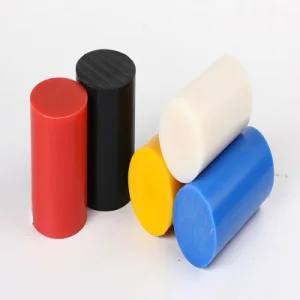
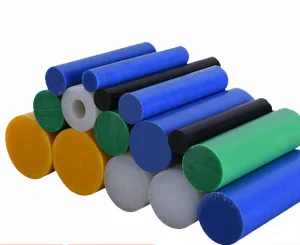
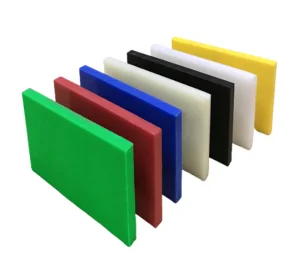
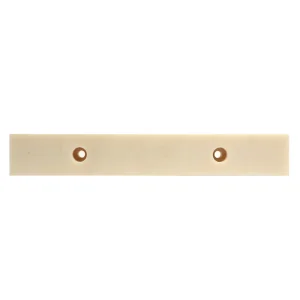
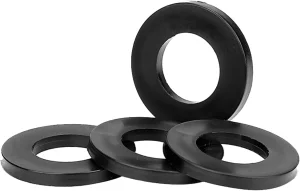
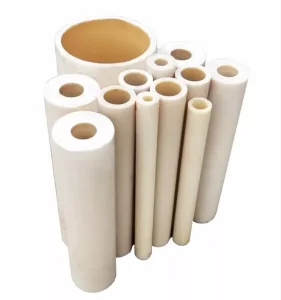
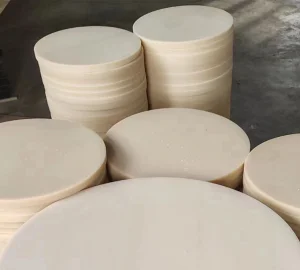
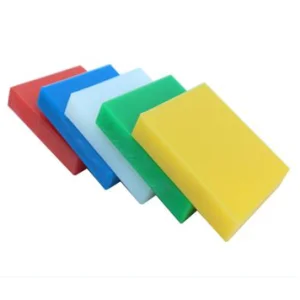
Explore our extensive inventory of cast nylon stock shapes, impact cushions, machined custom pads, and high-performance polyolefin sheets ready for worldwide dispatch.
Frequently Asked Questions on Engineering Plastics & Export
Comprehensive engineering, quality control, and international commercial answers for procurement teams and CNC application specialists.