
Tokyo Precision Spec
Direct factory-cast PA6, POM, and structural nylon tubes specifically engineered for tight mechanical tolerances across Kanto manufacturing hubs.
The Greater Tokyo Industrial Metropolitan Area—encompassing Ota-ku’s high-precision micro-machining clusters, Kanagawa’s Keihin industrial belt, and Saitama’s robotic prototyping corridors—presents some of the most rigorous operational demands on engineering polymers worldwide. Tokyo-based procurement departments and trading houses (Sogo Shosha) are navigating a structural shift toward lighter, chemically inert, non-conductive, and whisper-quiet mechanical alternatives to brass and stainless steel.
Within this dense manufacturing hub, extruded and cast plastic tubes (PA6, POM-C, UHMWPE, PTFE, and PVDF) serve as vital raw conduits and structural hollow cylinders. They power SCARA robot joints, automated visual inspection sleeves, electronic component feeding tubes, and cleanroom pneumatic carriers. The Tokyo market demands strict adherence to dimensional stability, ultra-low internal stress to prevent deflection during secondary turning, and full traceability back to virgin raw polymers.
Japanese procurement structures place primary importance on Monozukuri consistency. When importing semi-finished plastic hollow tubes from China, Tokyo engineering teams evaluate:
1. Internal Stress Annealing: Multi-stage cyclic thermal annealing to eliminate wall ovality during deep boring.
2. Traceable Resin Purity: Direct certifications proving 100% virgin resin with zero post-consumer scrap blending.
3. Strict Regulatory Accordance: Verified compliance with RoHS 3, REACH SVHC, and Japan Food Sanitation Act (JFSL Notice No. 370).
Operating from our 20+ year manufacturing base in Hebei, SHUNDA integrates automated monomer casting, multi-axis extrusion lines, and closed-loop temperature control to deliver scalable cost advantages to Tokyo enterprises.
Custom casting setups allow production of heavy-wall MC nylon tubes ranging from OD 50 mm to 1,200 mm with structural wall thicknesses exceeding 80 mm, free of microporosity and blowholes.
Proprietary secondary oil-bath and air-circulation annealing ovens stabilize our semi-finished hollow stock, minimizing residual stresses and guaranteeing roundness upon machining in Japanese workshops.
Direct proximity to Tianjin and Qingdao maritime terminals provides Tokyo Bay (Yokohama/Tokyo Port) transit times within 3 to 5 business days, ensuring lean inventory support for JIT requirements.
Compare mechanical strengths, thermal thresholds, and target industrial deployments to align your Tokyo engineering projects with the appropriate Chinese production grade.
| Material Category | Specific Density (g/cm³) | Tensile Strength (MPa) | Continuous Service Temp | Key Properties for Tokyo Industry | Recommended Industrial Applications |
|---|---|---|---|---|---|
| Cast MC Nylon (PA6G) Heavy Duty | 1.15 – 1.16 | 78 – 85 | -40°C to +105°C | Superior impact resistance, self-lubricating, vibration damping | Industrial crane sheaves, AGV heavy drive rollers, steel plant wear liners |
| POM-C (Polyacetal) High Precision | 1.41 – 1.42 | 65 – 70 | -50°C to +100°C | Zero moisture absorption, rigid dimensional fidelity, clean chip breaking | Robotic gear bushings, automated valve guides, precision pneumatic manifolds |
| UHMWPE (PE-1000) Wear Resistant | 0.93 – 0.94 | 28 – 35 | -150°C to +80°C | Lowest coefficient of friction, zero water pickup, extreme notch toughness | Tokyo port conveyor sliding sleeves, automated sorting chute liners, bottling guides |
| PTFE (Virgin Polytetrafluoroethylene) Chemical Purity | 2.15 – 2.20 | 22 – 30 | -200°C to +260°C | Universal chemical inertia, cryogenic endurance, Class 0 dielectric strength | Semiconductor wet bench fluid transport, chemical sensor jackets, high-frequency insulators |
| ABS Structural Grade Thermoforming | 1.04 – 1.06 | 40 – 48 | -20°C to +75°C | Excellent rigidity, uniform impact resistance, superior adhesive compatibility | Appliance conduits, robotic prototype structural housings, refrigeration panels |
We align our internal factory testing with standard Japanese Industrial Standards (JIS K 6920 for Polyamides, JIS K 6930 for Polyacetal). Tokyo-bound export shipments include comprehensive digital quality dossiers:
Navigating global procurement requires operational certainty. For Tokyo firms sourcing from our Chinese production plants, we offer customized business conditions including flexible Incoterms (FOB Tianjin, CIF Tokyo, or DDP direct to your Kanto logistics center), neutral custom-labeled export packaging, and dual-language technical communication.
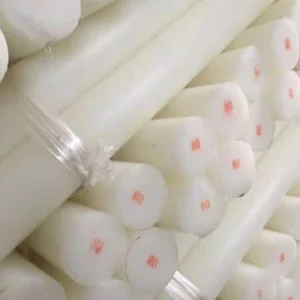
Whether you require standard 1,000 mm or 2,000 mm stock lengths or custom cut-to-size billet blanks to reduce your turning times, our production planners sequence output runs to match your vessel shipping deadlines without supply disruptions.
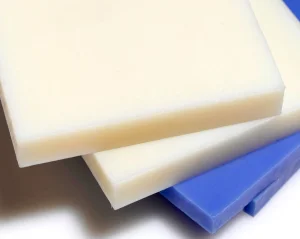
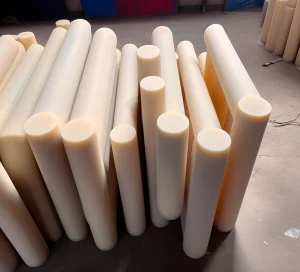
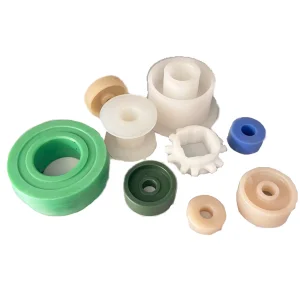
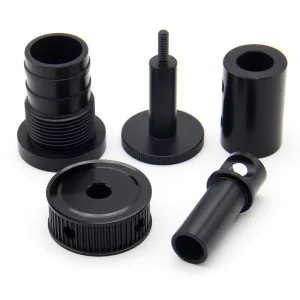
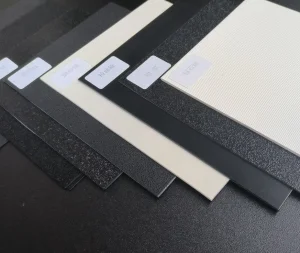
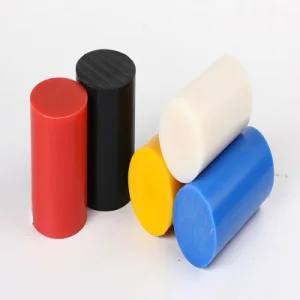
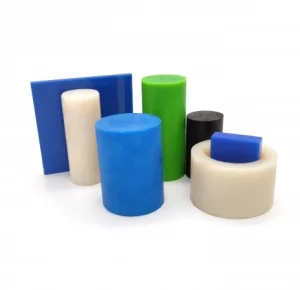
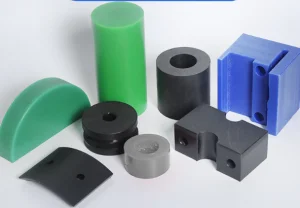
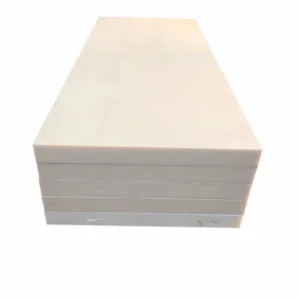
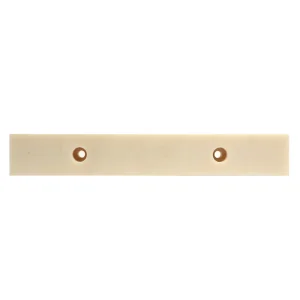
Direct factory-sourced plates, hollow tubes, solid round bars, and bespoke CNC components ready for ocean freight consignment to Japanese terminals.

Key insights on transit times, quality assurance, mold fees, and material suitability addressed by our export technical team.