
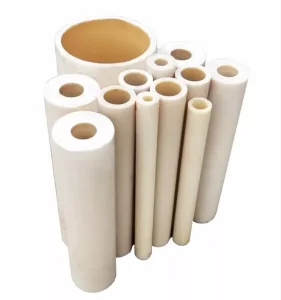
Immediate Sourcing Stock
Premier Engineering ABS & Polymer Rod Stock for Manila & PEZA Parks
Direct-from-mold extruded ABS rounds, cast PA6 nylon, and technical polymer bars calibrated with zero internal porosity for rapid precision machining and industrial jig fabrications.
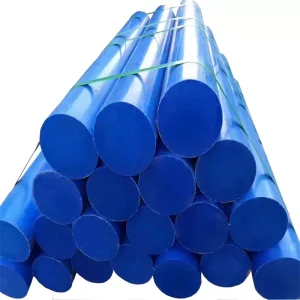
Wholesale China MC Cast Nylon PA66 Plastic PP PE HDPE ABS Round Rod And Bar Supplier
View Product Specs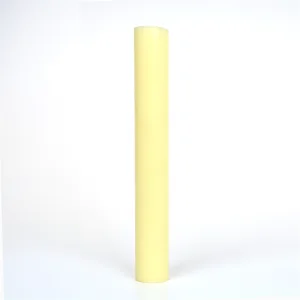
Buy PP Rod, ABS Rod, Nylon Rod Bar, PTFE Rod, Plastic Rod Factories Exporter
View Product Specs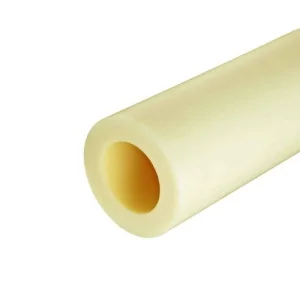
High-Quality Nylon Rod, Nylon Tube, PP Tube, ABS Tube, Plastic Tube Supplier Factory
View Product Specs100%
Virgin Terpolymer Resin
5-8 Days
Transit to Manila / Batangas
±0.05 mm
CNC Diameter Tolerance
0% Tariff
Under ACFTA Form E / RCEP
1. The Philippine Industrial Landscape: ABS Sourcing Drivers & Economic Momentum
The Republic of the Philippines has emerged as one of Southeast Asia's fastest-growing manufacturing and export assembly hubs. Driven by the modernization mandates under the "Build Better More" infrastructure blueprint, robust Special Economic Zones managed by the Philippine Economic Zone Authority (PEZA), and an expanding electronics manufacturing services (EMS) sector, the domestic appetite for semi-finished engineering polymers has shifted dramatically.
Historically, Philippine manufacturing workshops relied heavily on cast acrylic, PVC, or standard unreinforced polyolefins for fabrication tasks. However, as local industries moved up the value chain into high-precision electronics housings, automotive wire-harness assembly jigs, automated bottling plant guide rails, and custom telecommunications instrumentation, the structural limitations of generic plastics became a major bottleneck. Acrylonitrile Butadiene Styrene (ABS) bridges this engineering divide: delivering the superior impact toughness of polybutadiene rubber, the chemical and thermal stability of acrylonitrile, and the exceptional dimensional rigidity and machineability of polystyrene.
Because the Philippines does not maintain large-scale domestic polymer polymerization plants for specialized engineering-grade ABS rod extrusion, local mold-makers, machine shops, and plant engineering contractors face acute supply chain risks: inflated distributor markups, erratic retail inventory, and inconsistent resin purity. By establishing a direct manufacturer-to-plant supply channel with established Chinese polymer manufacturing centers, Philippine procurement executives guarantee uninterrupted access to prime-grade, stress-relieved solid ABS bars tailored to high-speed turning and multi-axis CNC milling operations.
CALABARZON Corridor
Cavite, Laguna, & Batangas
The beating heart of Philippine electronics and automotive manufacturing. Plants inside Laguna Technopark and First Philippine Industrial Park require high volumes of natural beige and black ABS rods for component testing fixtures, automated optical inspection (AOI) nests, and electrostatic discharge (ESD) safe tooling.
Central Luzon Hub
Clark & Subic Bay Freeport Zones
Driven by aviation maintenance, repair, and overhaul (MRO), marine hardware retrofitting, and high-tech warehousing. ABS rods serve as non-conductive mechanical bushings, diagnostic bracket prototypes, and durable marine cabin fittings resilient against salty tropical atmospheres.
Visayas & Mindanao Growth
Metro Cebu & Davao Logistics
Fueled by rapid food and beverage processing, high-speed bottling lines (San Miguel, Universal Robina), and maritime shipping assemblies. Custom diameter ABS rods are turned into starwheels, roller guides, wear sleeves, and sanitary structural couplings.
2. Polymer Material Characterization: Virgin ABS vs. Alternative Engineering Stocks
Acrylonitrile Butadiene Styrene is an amorphous terpolymer synthesized via the emulsion or continuous mass polymerization of acrylonitrile, butadiene, and styrene monomers. Each monomer bestows specific mechanical attributes to the finished solid extruded rod:
- Acrylonitrile (15%–35%): Imparts chemical resistance against inorganic salts, alkalis, mineral acids, and vegetable oils, while contributing to surface hardness and elevated heat deflection temperatures.
- Butadiene (5%–30%): Forms elastomeric rubber domains dispersed within the continuous SAN matrix, preserving crack arrest dynamics, notched Izod toughness, and ductile impact resistance down to -30°C.
- Styrene (40%–60%): Imparts a brilliant surface finish, dimensional rigidity, dielectric properties, and unmatched ease of secondary processing (machining, gluing, solvent bonding, ultrasonic welding).
| Physical / Mechanical Property | Standard Test Method | Extruded Virgin ABS Rod | Cast Nylon 6 (PA6) | Acetal / POM Copolymer |
|---|---|---|---|---|
| Specific Gravity (Density) | ASTM D792 / ISO 1183 | 1.04 – 1.07 g/cm³ | 1.14 – 1.16 g/cm³ | 1.41 – 1.43 g/cm³ |
| Tensile Strength at Yield | ASTM D638 / ISO 527 | 42 – 50 MPa | 78 – 85 MPa | 65 – 70 MPa |
| Notched Izod Impact Strength | ASTM D256 (23°C) | 220 – 310 J/m | 60 – 110 J/m | 55 – 75 J/m |
| Heat Deflection Temp (HDT @ 1.8 MPa) | ASTM D648 / ISO 75 | 85°C – 98°C | 75°C – 90°C | 95°C – 105°C |
| Moisture Absorption (24 hr equilibrium) | ASTM D570 | 0.2% – 0.4% (Ultra-Low) | 1.5% – 3.2% (Hygroscopic) | 0.2% – 0.25% |
| Machining Ease & Chip Breaking | Internal Shop Metric | Exceptional (No Chatter) | Good (Stringy Swarf) | Excellent (Dry Chips) |
| Surface Bonding & Painting | Solvent Weldability | Excellent (MEK / Acetone) | Very Poor (Inert) | Extremely Difficult |
Engineering Insight: Why Philippine Humidity Favors ABS over Polyamides
The tropical maritime climate across the Philippine archipelago regularly maintains ambient relative humidity above 80% with average temperatures exceeding 31°C. Under these environmental parameters, cast and extruded Polyamides (Nylon 6 and Nylon 66) absorb ambient moisture rapidly, swelling by up to 2.5% to 3.5% in linear dimensions. For tight-tolerance jig assemblies and precision semiconductor carriers, this swelling triggers binding, jamming, and premature component rejection. Solid ABS rods exhibit negligible moisture absorption (under 0.3%), maintaining stable dimensional geometry and constant mechanical tolerances across seasonal monsoons.
3. Chinese Manufacturing Dominance: Thermal Annealing, Extrusion Control & QA
While low-tier extruders produce semi-finished plastic rods prone to core cavitation, centerline porosity, and severe residual stress, our manufacturing facility in Hebei, China operates closed-loop extrusion infrastructure engineered specifically for high-stress CNC turning applications.
Sourcing ABS bars directly from China offers significant technical and operational advantages over regional third-party stockists:
Secondary Annealing Ovens
Every extruded ABS round bar undergoes a programmed 24-to-48-hour thermal annealing cycle in circulating hot-air chambers. This slow heating and gradual cooling cycle completely relaxes molecular residual orientation, preventing internal cracking, warp, or "banana curving" when toolmakers hog out deep pockets on CNC lathes.
Zero-Porosity Extrusion Lines
Utilizing high-torque single and twin-screw extruders equipped with multi-stage vacuum degassing barrels, our process purges all entrapped air and volatile monomer fractions before the polymer melt enters the calibrated sizing die. The core remains 100% solid, enabling clean threading and tapping right through the rod center.
Tailored Compounding & Color
Beyond natural beige and jet-black, we compound specialized polymer variants: Anti-Static (ESD) ABS (surface resistivity 10⁶–10⁹ Ω/sq), Flame Retardant ABS complying with UL94 V-0, and custom RAL/Pantone color-matched batches for rapid consumer electronics model prototyping.
4. Localized Philippine Application Scenarios & Case Studies
To illustrate the functional versatility of our extruded ABS rod stock within the domestic Philippine economy, the following commercial use cases represent established operational deployments across Luzon and the Visayas:
■ Semiconductor & Hard Disk Fixtures (Laguna Technopark)
High-tier multinational electronics assemblers fabricate automated assembly nesting blocks and robotic end-of-arm tooling from black ABS rods. Due to the material's superior surface finish, dielectric strength, and resistance to chipping, delicate PCB boards pass through testing stages without scratching or electrostatic shock failure.
■ Architectural Scale Models & Design Prototyping (Metro Manila)
Leading industrial design firms and architectural modeling workshops across Quezon City, Pasig, and Makati utilize small-diameter solid ABS rods (3mm to 25mm) for structural trusses, mock piping networks, and consumer device pre-production masters that accept spray primers and chrome plating effortlessly.
■ Beverage Bottling Conveyor Rollers & Spacer Hubs (Cebu)
Brewing and beverage canning facilities in Mandaue and Cebu turn solid ABS rods into customized line rollers, sensor guide bushings, and conveyor starwheel pins. ABS withstands regular alkaline wipe-downs and dynamic bottle impacts without stress-cracking or shedding abrasive dust.
■ Marine Electrical Enclosures & Submersible Adapters (Batangas)
Boat yards and offshore maritime operations turn large-diameter (100mm–180mm) black ABS rods into water-tight cable glands, instrument feedthroughs, and switchgear insulating spacers that completely eliminate galvanic corrosion issues inherent to brass or aluminum.
5. Precision CNC Turning & Milling Guidelines for Philippine Machinists
Machining thermoplastic polymers requires an adjusted methodology compared to metals. ABS possesses low thermal conductivity (approximately 0.17 W/m·K) and a relatively low glass transition temperature (~105°C). Excess tool friction will melt the swarf rather than shear it cleanly. To ensure mirrors-smooth Ra < 0.8 µm surface finishes and prevent dimensional chatter on local Haas, Fanuc, or manual lathe setups, our technical team specifies the following cutting parameters:
| Operation | Tool Geometry & Material | Cutting Speed (m/min) | Feed Rate (mm/rev or mm/tooth) | Cooling & Chip Evacuation |
|---|---|---|---|---|
| CNC Turning (OD / Boring) | Polished Uncoated Carbide / HSS; Rake 10°–15°, Clearance 8°–12° | 150 – 350 m/min | 0.10 – 0.35 mm/rev | Clean compressed vortex cold-air jet; flood water-soluble coolant if tight tolerance |
| Face & End Milling | Single or 2-flute solid carbide end mills with upcut spiral geometry | 200 – 400 m/min | 0.08 – 0.25 mm/tooth | High-volume air blast to eject ductile chips and prevent re-welding |
| Deep Hole Drilling | Wide-flute parabolic drills; 118° point angle; polished web | 50 – 90 m/min | 0.05 – 0.20 mm/rev | Frequent peck cycle (every 1–2 x diameter depth) to evacuate swarf and prevent hoop stress |
| Tapping & Threading | Oversize taps (HSS ground); 3-flute gun nose or spiral flutes | 10 – 20 m/min | Standard Pitch Pitch | Light mineral or vegetable oil mist; avoid chlorinated solvents |
6. Bilateral Trade Logistics, Customs Optimization & PEZA Invoicing
Procuring directly from our China factory base ensures complete compliance with ASEAN-China Free Trade Area (ACFTA) agreements and Regional Comprehensive Economic Partnership (RCEP) frameworks.
By issuing official ACFTA Certificate of Origin Form E documents along with verified commercial invoices and packing lists under Harmonized System (HS) Code 3916.90 / 3920.99, Philippine importers enjoy 0% preferential import customs duties across Philippine Bureau of Customs (BOC) ports.
Complete Port Coverage & Protective Export Packing:
We operate scheduled weekly sea freight consolidations and full container load (FCL / LCL) departures from Tianjin, Qingdao, and Shenzhen ports to:
- Port of Manila (MICT / South Harbor): Transit time 5 to 7 days. Optimal for NCR, Bulacan, Rizal, and Cavite consignees.
- Port of Batangas (ATI Batangas): Direct gateway for Laguna and Batangas PEZA export enterprises, bypassing Metro Manila truck ban corridors.
- Port of Cebu (CIP): Fast connectivity for Visayan manufacturing hubs (Cebu, Bohol, Leyte).
- Port of Subic & Cagayan de Oro (Mindanao Container Terminal): Supporting specialized freeport operators and agri-industrial processors.
All solid ABS rods are wrapped in moisture-barrier PE shrink film, end-capped, bundled in reinforced kraft corrugated boxes, or secured within fumigated ISPM-15 wooden crates to prevent surface marring and tropical sea-humidity degradation during ocean voyage.
7. Enterprise Procurement Checklist for Philippine Sourcing Teams
To accelerate order execution, quote formulation, and precise production scheduling, please ensure your RFQ (Request for Quotation) contains the following parameters before dispatching to our engineering desk:
1. Diameter & Cut Length:
Standard lengths are 1000mm and 2000mm. Custom cut-to-length billets (e.g. 50mm, 200mm) eliminate local sawing labor and reduce freight tonnage.
2. Color & Optical Finish:
Natural Ivory / Beige (standard virgin stock), Deep Jet Black (UV stabilized for tropical outdoor exposure), or customized masterbatch colors.
3. Specialized Additives:
Specify if your bill of materials mandates Flame Retardant (UL94 V-0 / V-2 rating) or Carbon-Fiber / Carbon-Black conductive anti-static dissipative formulation.
4. Destination Port & Delivery Term:
Specify FOB China Port (Tianjin/Shenzhen), CIF Manila/Batangas, or door-to-door DDU/DDP for registered PEZA manufacturing companies.
Direct Technical Guidance
Frequently Asked Questions: Sourcing ABS Rods to the Philippines
Clear, technically verified answers addressing resin certification, machining characteristics, customs procedures, and direct factory procurement logistics.
How does ABS rod compare against POM (Delrin / Acetal) for CNC precision parts in the Philippines?
POM exhibits higher mechanical stiffness, higher continuous operating temperature limits, and lower friction coefficient, making it superior for submerged heavy gears, dynamic bearings, and high-wear slide bushings. However, ABS rod is roughly 25% to 35% lighter, offers substantially higher impact resistance against sudden shocks, costs significantly less per kilogram, and is far easier to glue, solvent-bond, paint, or electroplate. If your component is a static housing, electronic test fixture, structural model, or requires solvent bonding, ABS is the engineering polymer of choice.
Can your China facility supply certified Form E to eliminate Philippine customs tariffs?
Yes. As an authorized Chinese exporter, we issue official China-ASEAN Free Trade Certificate of Origin Form E documents stamped by China Customs. Under current trade agreements, this eliminates the standard 3% to 10% most-favored-nation import tariff on extruded solid engineering plastic rods (HS Code 3916.90), allowing zero-tariff customs entry at the Port of Manila, Batangas, Subic, or Cebu.
Are your ABS rods manufactured from 100% virgin polymer resin or recycled regrind?
We strictly utilize 100% virgin prime-grade ABS terpolymer resin sourced from world-class petrochemical leaders (such as Chi Mei and LG Chem). We do not blend floor sweepings or post-industrial scrap regrind into our prime engineering stock. This guarantees that every rod delivers uniform color, identical Izod impact values, predictable thermal performance, and zero voids or contaminants that could shatter delicate carbide tools during CNC milling.
What diameter range and stock lengths are readily available for shipment?
Our standard continuous extrusion dies produce solid ABS round rods from 10 mm up to 250 mm in diameter. Standard manufactured length is 1000 mm (1.0 meter) or 2000 mm (2.0 meters). For high-volume Philippine corporate accounts, we provide precision cut-to-size sawing down to bespoke billet lengths (e.g., 100 mm, 300 mm) with deburred ends, saving our clients local workshop sawing time and freight expenditure.
How can Philippine machine shops bond or solvent-weld machined ABS parts together?
Unlike chemically inert polyolefins (PP/PE) or polyacetals (POM) which require costly flame/corona plasma pre-treatment, ABS is uniquely easy to solvent weld. Readily available solvents such as Methyl Ethyl Ketone (MEK), Acetone, or Dichloromethane chemically soften and liquefy the joint surfaces, creating a fused molecular bond equal in tensile strength to the solid parent resin. Two-part structural acrylic adhesives and high-performance polyurethanes also adhere exceptionally well.
Can your factory provide custom CNC machined components directly from 2D/3D CAD drawings?
Absolutely. Beyond raw rod stock, our internal machine shop operates over 30 advanced 3-axis, 4-axis, and 5-axis CNC machining centers and CNC turning centers. You can simply furnish your technical drawings in STEP, IGES, DXF, or PDF format. We machine, deburr, inspect via coordinate measuring machines (CMM), clean, and pack finished components directly ready for production assembly lines in the Philippines.
Complete Polymer Catalog
Comprehensive Engineering Plastic Rods, Tubes & Profiles
Consolidate your multi-material procurement with SHUNDA: PA6 Nylon, POM Acetal, UHMWPE, HDPE, PTFE, and ABS solid extruded bars manufactured under ISO 9001 certified quality control.
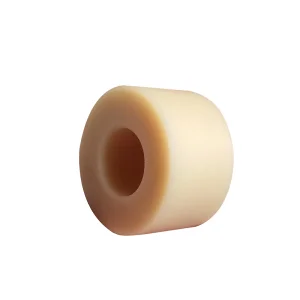
Cheap China Factory Engineering ABS, Nylon PP Plastic Tube, Plastic Tube, POM Rod, PTFE Rod
View Product Specs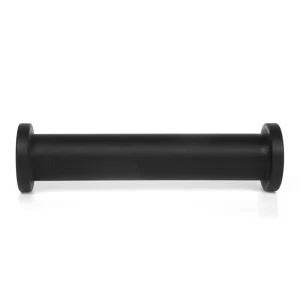
Famous Nylon ABS PP PTFE Plastic Rod Tube Bar Roller Exporters, Products
View Product Specs
Wholesale Ordinary Discount China Pure Nylon Rod for Sale High-Quality Nylon Rods
View Product Specs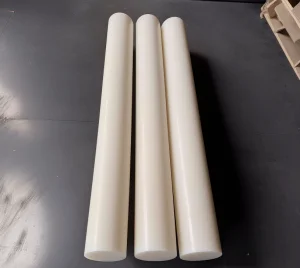
Cheap ODM OEM Engineering Plastic Cast PA6 Polyamide Nylon Plastic Tube Rod And Bar
View Product Specs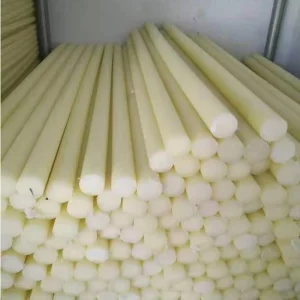
Discount ODM OEM Engineering Plastic Cast PA6 Nylon ABS PP PTFE Plastic Rod And Bar
View Product Specs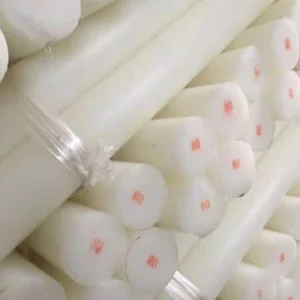
OEM ODM Engineering Plastic Cast PA6 Polyamide Nylon POM ABS PP PTFE Plastic Rod
View Product Specs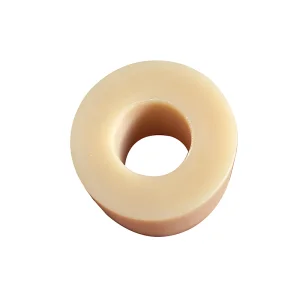
High-Quality China Engineering Plastic PA6 POM PTFE HDPE PVC Plastic Tube Rod And Bar
View Product Specs