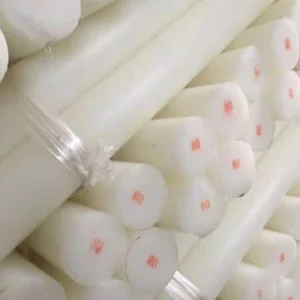
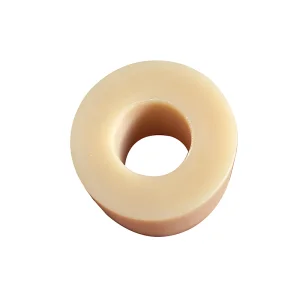
Precision ABS & Engineering Plastic Rods for Jakarta
Direct supply from Hebei production lines to Tanjung Priok Port, engineered for high-precision tooling and rapid manufacturing.

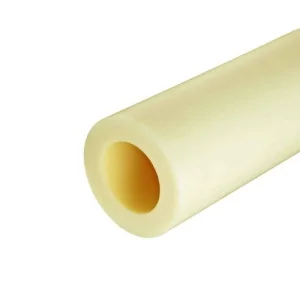
Jakarta’s Emerging Demand for High-Precision ABS Polymers
Evaluating economic drivers across Jabodetabek’s electronics, automotive, and infrastructure supply ecosystems.
Automotive & Tier-1 Prototyping
The manufacturing epicenters around Cikarang, Karawang, and Bekasi rely heavily on precision ABS rod stock for instrumental dashboards, structural jigs, sensor housings, and impact-resistant vehicle trims before committed injection toolings.
Corrosion & Tropical Climate Stability
Jakarta’s coastal equatorial climate presents extreme ambient humidity exceeding 85% and severe salt mist exposure. Unlike standard structural metals, SHUNDA extruded ABS polymers deliver complete hydrolytic resistance and negligible dimensional warping.
Rapid Urban Rapid Transit (MRT/LRT) MRO
Jakarta’s accelerated infrastructure programs demand custom electrical insulation panels, internal rail car guide rails, and shock-dampening components machined quickly from low-stress, zero-porosity engineered ABS bar stock.
ABS Rod Technical Roadmap & Performance Verification
Benchmarked against ISO and ASTM testing protocols to ensure frictionless CNC turning, milling, and chemical plating.
| Physical / Mechanical Property | Test Standard (ASTM/ISO) | SHUNDA ABS Extruded Grade | Engineering Benefit for Indonesian OEMs |
|---|---|---|---|
| Specific Density | ASTM D792 / ISO 1183 | 1.04 – 1.06 g/cm³ | Lightweight component replacement for brass and aluminum alloys |
| Tensile Strength at Yield | ASTM D638 / ISO 527 | 42 – 48 MPa | High mechanical load capacity under continuous cyclic vibration |
| Izod Impact Strength (Notched) | ASTM D256 / ISO 180 | 180 – 240 J/m (at 23°C) | Exceptional resistance to fracturing during high-speed CNC routing |
| Heat Deflection Temp (HDT) | ASTM D648 (1.82 MPa) | 84°C – 92°C | Maintains rigid geometry inside high-temperature factory envelopes |
| Flammability Rating | UL 94 Vertical Test | UL94 HB / UL94 V-0 Available | Complies with global export fire-retardant safety standards |
| Dielectric Strength | ASTM D149 / IEC 60243 | 18 – 22 kV/mm | Dependable electrical insulation for factory automation consoles |
Seamless Sourcing: From Hebei Automation to Jakarta Distribution
Mitigating supply vulnerabilities with robust QA audits, Certificate of Analysis (CoA), and localized import clearance.
Stress-Relieved Continuous Extrusion
Internal material stress is the primary cause of plastic stock bending during CNC lathing. SHUNDA implements in-line secondary annealing ovens to eliminate thermal memory, providing ultra-straight rods for Swiss-type lathes.
Tanjung Priok Custom Clearances
We provide full documentation suites including Form E (ASEAN-China FTA) for duty concession eligibility, commercial packing manifests, MSDS datasheets, and complete third-party material batch analyses.
Zero-Porosity Quality Guarantee
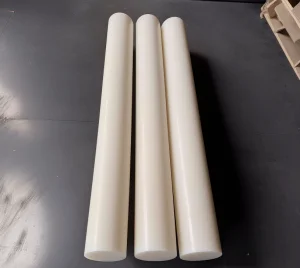
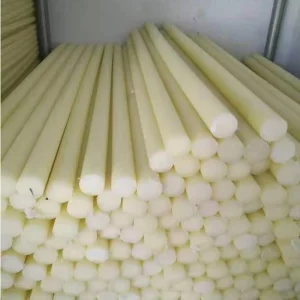
Every extruded ABS round bar undergoes high-resolution ultrasonic non-destructive testing (NDT) to verify the core is 100% free of internal air voids, micro-fissures, and surface pits.
Frequently Asked Questions: ABS Rods for Jakarta
In-depth responses for purchasing managers, toolmakers, and import compliance directors.
Why choose ABS rods over Acetal (POM) or Nylon (PA6) for specific applications?
While POM offers superior stiffness and nylon excels in sliding wear, ABS stands out for electroplatability, bondability, impact resistance at low temperatures, and effortless high-speed machining without excessive tool wear. Furthermore, ABS provides an economical material cost advantage for prototypes and enclosures.
What is the standard delivery timeline from China to industrial warehouses in Jakarta?
Standard sea freight from Tianjin or Qingdao Port directly to Tanjung Priok Port (Jakarta) averages 10 to 14 days. Production of customized diameters and cut-to-length billets takes 5 to 7 days, allowing Indonesian buyers to receive stock within 3 weeks from order confirmation.
Are SHUNDA ABS rods compatible with secondary chemical electroplating?
Yes. Our extrusion grade ABS formulations utilize an evenly distributed butadiene rubber phase. When treated with standard acid etchants, the butadiene spherical nodes are dissolved to create micro-anchors, delivering strong adhesion for bright chrome, satin nickel, and gold plating.
Can you provide custom RAL/Pantone colors and UV-stabilized formulations?
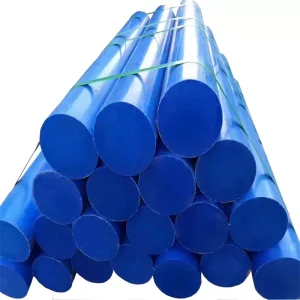
We manufacture custom colored ABS rods (standard natural white, jet black, industrial beige, red, and blue) with custom masterbatch compounding. For outdoor use across tropical Indonesia, we integrate Hindered Amine Light Stabilizers (HALS) to eliminate yellowing and brittleness.
Engineering Polymers & Specialized Rod Profiles for Jakarta
Explore our complete export spectrum including extruded ABS, polyamides, fluoropolymers, and polyolefins.