
Precision Polymer & Engineered Shaft Precursors
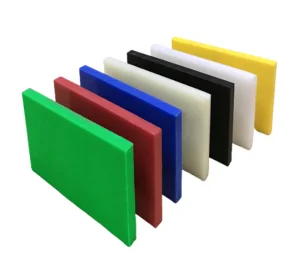
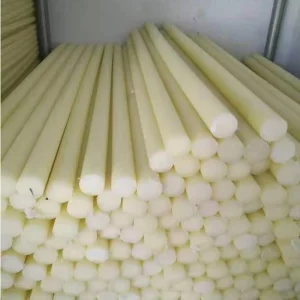
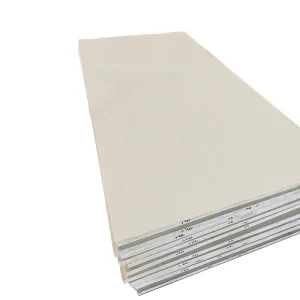
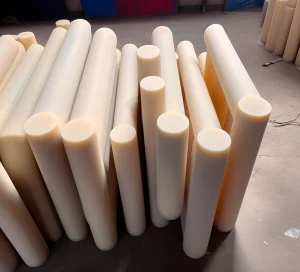
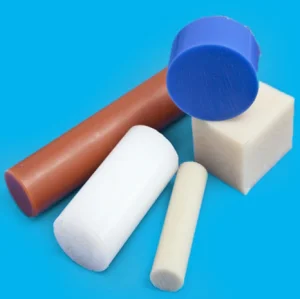
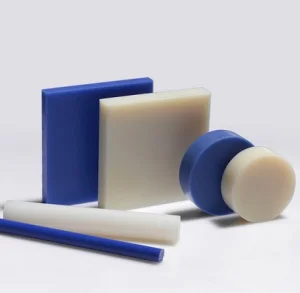
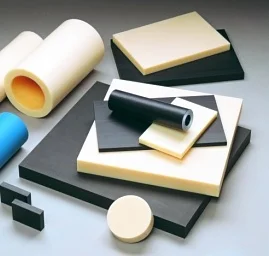
Factory-direct engineering stocks featuring Cast Nylon, PTFE, UHMWPE, ABS, and POM profiles precision-machined for industrial core assemblies and dynamic shafting.
Global Landscape: Precision Rubber Shafts & Industrial Roller Assemblies
An engineering authority evaluation of dynamic transmission elastomer interfaces, bonded rubber shaft systems, and synthetic polymer cores in 2026 industrial automation.
Next-Gen Rotational Dynamics
Modern mechanical power transmission demands vibration dampening and continuous torque handling without catastrophic mechanical fatigue. Rubber shafts—encompassing solid vulcanized elastomer rods, metal-core rubber rollers (NBR, EPDM, FKM, Silicone), and composite polymer sleeves—serve as pivotal components mitigating axial shock, reducing noise emissions below 62 dB, and eliminating stick-slip oscillation across high-speed convertor lines.
Tribological Endurance
Wholesale exporters must satisfy stringent surface friction and chemical exposure demands. Whether resisting aromatic hydrocarbons in gravure printing or maintaining FDA compliance within hygienic dairy processing, specialized elastomer compound formulations engineered with reinforced carbon black, nano-silica, and fluoro-elastomers guarantee Shore A hardness tolerances from 30A to 95A without localized degradation or compound leaching.
Direct Sub-Tier Consolidation
By integrating thermoplastic polymer machining (Nylon, POM, UHMWPE) with precision vulcanized rubber overmolding, tier-one manufacturers reduce tolerance stack-up risks. Global B2B procurement heads actively optimize bill-of-materials expenditures by partnering with vertically integrated facilities capable of producing both the internal structural mandate and the exterior elastomeric interface under ISO 9001:2015 traceability.
Engineered Rubber Shaft Utilization Across Core Verticals
Analyzing localized performance parameters under severe torque, environmental exposure, and cycloid dynamic stresses.
1. Continuous Web Converting & Printing Lines
In high-velocity paper, flexible packaging, and film winding operations, dynamic balancing and non-deflection properties are vital. Rubber shaft assemblies act as precision nip rollers and guide shafts. Rubber coverings compounded with antistatic agents prevent static charge accumulation (>10^6 ohms), safeguarding microelectronic components and sensitive coated films from electric arc damage.
- Zero surface crown distortion under 80 N/mm nip pressure.
- Abrasion-resistant carboxylated nitrile (XNBR) compounding.
2. Mining, Aggregates & Heavy Slurry Pumping
Under intense abrasive loading where slurry sediment invades unsealed drive units, traditional steel and bronze shafting experiences catastrophic scoring. Rubber-sleeved cutless shafts paired with UHMWPE and MC Cast Nylon components leverage hydro-lubrication mechanics, allowing solid grit particles to flush through designated spiral grooves without scoring the metallic core.
- Unmatched hydrodynamic lubricated lifespan in marine environments.
- Superior tensile energy absorption exceeding 45 MPa.
3. Food Sanitation, Beverage Bottling & Pharma
Sanitary conveying demands rapid CIP (Clean-In-Place) washdowns utilizing caustic detergents and steam sterilization up to 135°C. Food-grade FDA white/blue silicone and ethylene propylene diene monomer (EPDM) shafts retain chemical resilience without micro-crack fissure propagation that harbors bacteria.
- Complies with FDA 21 CFR 177.2600 and EC 1935/2004 protocols.
- Resistance to CIP acid, sodium hydroxide, and chlorine sanitizers.
Elastomeric Matrix Performance & Operational Ceilings
Comprehensive mechanical benchmarks for wholesale procurement teams evaluating OEM engineering plastic and rubber shaft substrates.
| Elastomer / Core Polymer | Shore Hardness | Thermal Continuous Range | Tensile Strength (MPa) | Chemical / Hydrocarbon Profile | Primary Industrial Role |
|---|---|---|---|---|---|
| NBR (Nitrile Butadiene) | 40A – 90A | -30°C to +110°C | 15 – 22 | Excellent resistance to mineral oils, greases, fuel | Drive rolls, oil seals, power transmission shafts |
| EPDM (Terpolymer) | 45A – 85A | -45°C to +150°C | 12 – 18 | Superior ozone, steam, and polar solvent resistance | Outdoor convertors, chemical fluid transfer, heat treat |
| Fluorocarbon (FKM / Viton®) | 60A – 90A | -20°C to +230°C | 10 – 16 | Universal aggressive acid, aromatic and halogen resistance | Aerospace actuators, refinery pumps, high-heat baths |
| MC Cast Nylon (PA6C Core) | 82D – 88D | -40°C to +105°C | 75 – 90 | Stable against hydrocarbons, weak alkalis; high impact | Structural shaft sleeves, internal torque mandrel |
| Polyurethane (Cast PU) | 60A – 95A | -35°C to +85°C | 35 – 50 | Extreme tear propagation resistance, moderate solvent | Heavy payload drive shafts, metal coil processing |
Chinese Factory Ecosystem: Resilience, Tooling & Economies of Scale
Delivering an unassailable B2B procurement edge through clustered material access, rapid CNC turnaround, and strict European-grade testing standards.
30–45% Capex Optimization
Direct-from-source sourcing eliminates middleman distribution layers. Vertically integrated polymer synthesis coupled with automated compression and transfer molding dramatically lowers per-unit tooling and mass-manufacturing costs.
Rapid Tooling & Prototyping
Accelerated mold fabrication cycles deliver fully vulcanized, precision-ground rubber shaft prototypes within 7 to 10 working days, collapsing design validation timelines from months to days for dynamic mechanical developers.
Hebei Polymer Industrial Cluster
Situated within Xinhe County, Xingtai City, our production network has immediate, frictionless access to virgin polyamides, fluoro-resins, monomer casting precursors, and specialized rubber raw compounds without maritime transit exposure.
Continuous JIT Logistics
Direct intermodal access to Tianjin Port and Qingdao Hub allows continuous ocean freight scheduling, backed by vacuum-sealed, desiccant-infused export crating that guarantees zero corrosion or humidity deformation on arrivals.
Future Roadmap: Smart Elastomers & Sustainable Composites
Pioneering the boundary between mechanical elasticity, sensorized structural monitoring, and sustainable manufacturing loops.
Bio-Based & Recycled Elastomer Matrices
Transitioning from 100% petroleum-derived elastomers to devulcanized reclaimed rubber composites combined with bio-monomer cast nylons, shaving up to 34% of Scope 3 greenhouse gas footprints without sacrificing yield strength or shore stability.
Embedded Sensorization (Smart Shafts)
Integration of carbon nanotube (CNT) conductive layers within the elastomeric shaft envelope. Changes in piezoresistive impedance allow inline programmable logic controllers (PLCs) to detect bearing load imbalances, shear delamination, and excessive thermal buildup in real time.
Nanocomposite Vulcanization Advances
Employing graphene-reinforced polymer lattices to elevate the thermal conductivity of rubber shaft coatings. Dissipating internal friction heat prevents subsurface vulcanizate reversion, boosting continuous RPM capability by more than 40%.
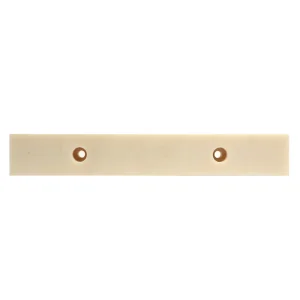
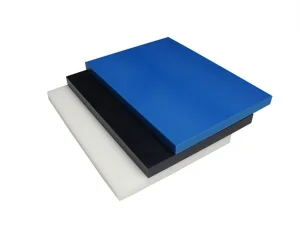
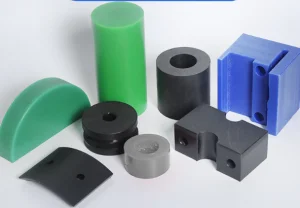
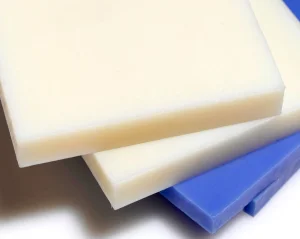
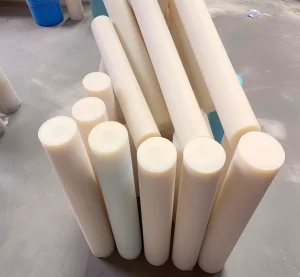
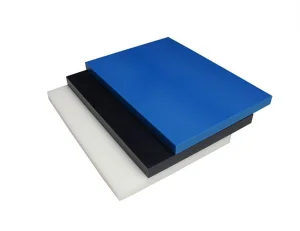
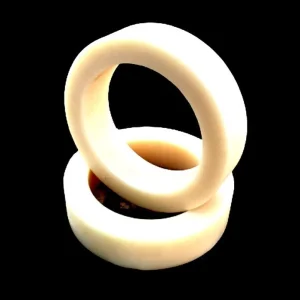
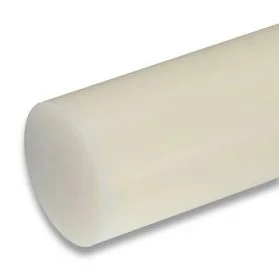
High-Performance Castings, Cushions & Structural Polymer Stock
Engineered solutions fabricated to support demanding shaft installations, impact hammer applications, heavy-duty machinery, and custom industrial designs.
Global Compliance & Rigorous Quality Assurance
Every production run is documented with complete batch verification, laser coordinate metrology, and global environmental attestations.
RoHS 3 & REACH SVHC Compliance
All elastomer vulcanizates, plasticizers, and curing accelerators are certified 100% free of heavy metals, phthalates, and restricted polycyclic aromatic hydrocarbons (PAHs), safeguarding seamless European and North American customs clearance.
Dynamic Balancing & TIR Metrology
High-speed rubber roller shafts undergo ISO 1940 Grade G2.5 dynamic balancing. Using multi-axis coordinate measuring machines (CMM) and laser micrometers, total indicator reading (TIR) runout is locked below ±0.005mm.
EN 10204 Type 3.1 Certification
Procurement batches are accompanied by mill test reports (MTR) covering Shore durometer testing (ASTM D2240), tensile tensile modulus (ASTM D412), compression set resistance (ASTM D395 Method B), and raw elastomer rheology graphs.
Frequently Asked Technical & Procurement Questions
Direct engineering clarity regarding vulcanization bonding, rubber shaft selection, export logistics, and OEM tolerances.
What distinguishes an engineered rubber shaft from a conventional rubber-covered metal roller?
How do you guarantee rubber-to-metal / rubber-to-polymer bonding integrity under heavy torsional shear?
What are the minimum order quantities (MOQ) and production lead times for wholesale export shaft orders?
Can your facility provide dual-durometer rubber shafts for specialized converting lines?
What documentation accompanies overseas consignments to ensure customs and QA compliance?
Configure Your Rubber Shaft Supply Pipeline
Submit 2D/3D component drawings (STEP, DWG, DXF) along with target elastomer durometers and operating media profiles. Receive an engineering DFM evaluation, compliance review, and quote within 12 business hours.