
Direct Sourcing Catalog
High-Performance Engineering Semi-Finished & Machined Stock
Explore precision-molded components, high-damping impact pads, and structural wear profiles manufactured directly within our advanced Hebei casting and extrusion facility.
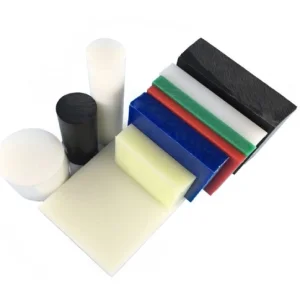
High-Quality Engineering Plastic Polyamide PA66 Sheet Rod & Bar
View Technical Spec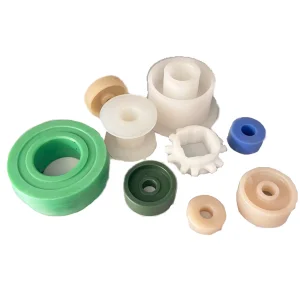
Custom CNC Machined PA66/PEEK/POM Pulley Wheels & Components
View Technical Spec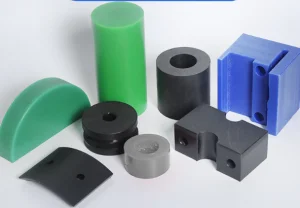
Discount Cast MC Nylon Heavy-Duty Machined Parts & Bushings
View Technical Spec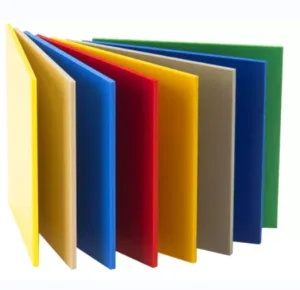
High-Quality Anti-Abrasion UHMWPE Wear Plates & Liners
View Technical Spec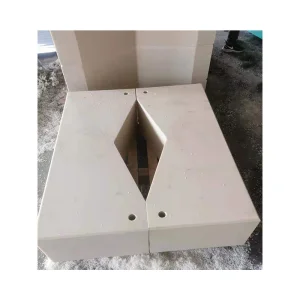
MC Casting Nylon Sheet PA6 Engineering Hard Board Plates
View Technical Spec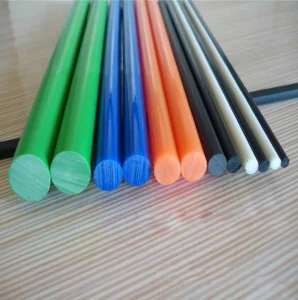
Industrial Grade Cast MC Nylon Solid Bars & Rods
View Technical Spec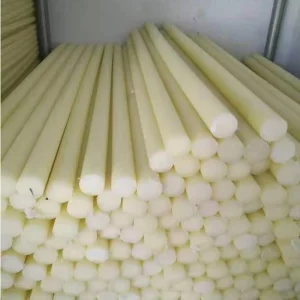
OEM/ODM Cast PA6 / PA66 Engineering Plastic Rod & Bar
View Technical Spec20+
Years Dedicated Technical Extrusion & Monomer Casting Experience
85 Shore D
Hardness Range with Dynamic Elastomer Toughness Retention
< 0.18
Dry Friction Coefficient in Solid Lubricant Compounded PA66
100%
Factory Direct In-House Annealing to Eradicate Machining Stress
Industrial Status & Chemical Morphology
Global Industrial Landscape: The Evolution of Rubber-Modified PA66
Why modern heavy engineering demands elastomeric-toughened polyamide composites over traditional unreinforced homopolymers.
Micro-Phase Toughness Mechanism
Unmodified Polyamide 66 exhibits superior tensile modulus and heat deflection, yet suffers notch sensitivity and brittle catastrophic fracture under sudden shock loads. Compounding PA66 with maleic anhydride-grafted EPDM or fluoro-rubber particles creates a dual-phase matrix. The nano-dispersed rubber domains act as stress concentrators, inducing extensive shear yielding and matrix cavitation that absorb devastating kinetic impacts without crack propagation.
Mitigating Low-Temperature Embrittlement
Standard nylon parts operating in sub-zero mining, oil extraction, or winter railway lines rapidly lose ductile compliance as temperatures drop below the glass transition point (Tg ≈ 50°C). By integrating elastomeric copolymer phases into the polymer backbone, our Rubber PA66 configurations retain high Charpy notched impact resistance down to -40°C, drastically outlasting POM, untreated PA6, and cheap recycled polymers.
Damping & Tribological Synergy
Traditional metal gears and stiff thermoplastic wear shoes transmit high mechanical vibration, leading to acoustic fatigue and accelerated drive-train failure. Rubber-toughened PA66 acts as an internal acoustic and vibration sink. The elastomeric inclusions dissipate mechanical shock waves, dampen acoustic decibel output by up to 14 dB, and prevent galling against mating steel counterfaces in dry or lubrication-starved setups.
Factory Integration & Supply Chain Resilience
Chinese Manufacturing Efficiency: Upstream Control to Nanometer CNC Part
How SHUNDA leverages Hebei's chemical industrial clusters, twin-screw compounding lines, and custom mold fabrication to outperform standard global lead-times.
100% Virgin Caprolactam & Resin Purity
Inconsistent scrap feedstocks plague standard broker channels. At our Xinhe County base, synthesis begins with pure hexamethylenediamine and adipic acid salts or prime polymer-grade PA66 pellets. Polymerization occurs under continuous inert nitrogen blankets, preventing thermal oxidation, micro-voids, and erratic melt indices during subsequent stock shapes extrusion.
Multi-Stage Thermal Annealing
Unannealed cast nylon and extruded PA66 warp drastically during milling and turning due to frozen-in internal stresses. Every rod, tube, and slab produced by SHUNDA passes through computerized oil or hot-air circulating annealing tanks for 24 to 72 hours. This raises crystallinity above 50%, equalizing dimensional stability and eliminating unexpected warping on tight ±0.02mm CNC tolerances.
Agile Tooling & Mold Production
Western supply chains frequently require 12 to 16 weeks to create large centrifugal casting dies or specialized extrusion profile dies. Our internal CNC tooling department cuts tooling turnaround to 10–14 days. This enables rapid mass trials for bespoke cross-sections, hollow tubes, and custom impact pile cushions without prohibitive initial R&D outlay.
Empirical Engineering Data
Material Engineering Matrix: Rubber PA66 vs Standard Industrial Polymers
Direct lab-tested performance comparisons to guide design engineers and procurement officers in identifying the ultimate material match.
| Physical / Mechanical Property | Rubber-Modified PA66 | Standard PA66 | Cast MC Nylon (PA6) | Acetal (POM-C) | UHMWPE |
|---|---|---|---|---|---|
| Tensile Strength (MPa) | 68 – 78 | 80 – 90 | 75 – 85 | 65 – 70 | 25 – 35 |
| Notched Izod Impact (kJ/m² @ 23°C) | 18 – 35 (Non-break) | 4.5 – 6.5 | 5.0 – 7.5 | 6.0 – 8.0 | 35 – 50 |
| Charpy Impact @ -30°C (kJ/m²) | 11 – 16 | 2.0 – 3.0 | 2.5 – 3.5 | 4.0 – 5.0 | 25 – 35 |
| Heat Deflection Temp (0.45 MPa, °C) | 215 – 235 | 240 – 255 | 190 – 210 | 155 – 165 | 75 – 85 |
| Rockwell Hardness | R105 – R112 | R118 – R122 | R115 – R120 | M84 – M88 | Shore D 64 – 67 |
| Dynamic Coeff. of Friction (Dry) | 0.22 – 0.28 | 0.30 – 0.38 | 0.28 – 0.35 | 0.25 – 0.32 | 0.10 – 0.15 |
| Vibration & Shock Dissipation Rate | Extremely High | Moderate | Moderate-High | Moderate-Low | High |
Real-World Deployment
Localized Applications: Where Rubber PA66 Solves Failure Points
Across high-wear industrial arenas, un-toughened materials snap or fatigue prematurely. Discover critical field deployments engineered by SHUNDA.
Hydraulic & Diesel Piling Hammer Cushions
Offshore foundation driving and deep civil construction utilize thousands of tons of dynamic hammer energy. Traditional wire-reinforced micarta or wooden cushion pads char, shatter, or expand dangerously. Our black elastomeric nylon cushions absorb hammer rebound energy, preserve mechanical hammer integrity, and provide up to 250 driving hours without spalling.
Automotive Engine Bays & Intercooler End Tanks
Modern turbo engines demand lightweight structures that withstand 140°C pressurized hot air, antifreeze chemical exposure, and cyclic road stone bombardment. Toughened PA66 resists continuous thermal pressure surges and road impacts, preventing micro-fissures around weld seams and critical connector threads.
Heavy Conveyors & Aggregate Chute Bushings
Quarries, iron ore shipping terminals, and cement processing plants face chronic conveyor roller seizure caused by particulate ingress. Rubber-blended PA66 bushings exhibit elastic recovery; fine silica dust embedding into the outer polymer surface is cushioned rather than abrading the inner steel axle shaft.
Market Trajectory & Procurement Insights
Global Supply Trends & Technical Procurement Demands
What global procurement teams look for in high-tier Chinese contract manufacturing over the coming decade.
Stringent Halogen-Free Flame Retardancy (UL94-V0)
Global rail mass transit and high-voltage energy storage systems increasingly mandate non-toxic flame retardants combined with high impact resilience. The blend of modified rubber PA66 with red phosphorus-free micro-encapsulated nitrogen-phosphorus agents guarantees self-extinguishing safety without compromising tensile or flexural performance.
Circular Economy & Low-Carbon Footprint Verification
European and North American original equipment manufacturers (OEMs) demand comprehensive Life Cycle Assessments (LCAs). Chinese tier-one polymer compounders are actively transitioning toward bio-based PA56/PA66 monomers and strictly audited post-industrial recycled rubber modifiers, ensuring full compliance with EU REACH and CBAM declarations.
Digital Traceability & Batch-Level CMM Verification
Modern enterprise procurement bypasses simple dimensional calipers. Global buyers require digital coordinate measuring machine (CMM) inspection data, laser surface micrometer analysis, and resin thermal melt flow rate (MFR) testing certificates attached to every pallet of semi-finished rods, tubes, or CNC finished assemblies.
Machining & Stock Selection
Expanded Semi-Finished Portfolio: Tubes, Rods & Specialized Profiles
Select from our extended line of hollow extruded bars, cast nylon engineering stock, and precision-turned specialty polymers ready for fast ocean freight delivery.
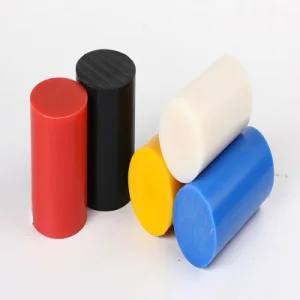
China Heavy-Load Cast Polyamide Nylon Round Solid Rods
View Technical Spec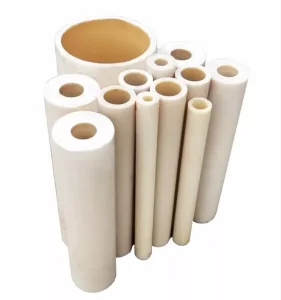
Custom Color & Size Cast PA6 / ABS / PP Heavy Hollow Tubes
View Technical Spec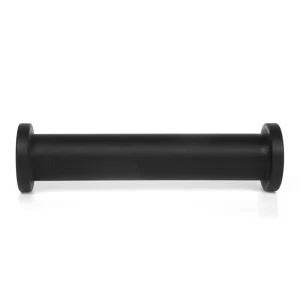
Precision Conveyor Rollers & Guide Tubes in Nylon/PTFE
View Technical Spec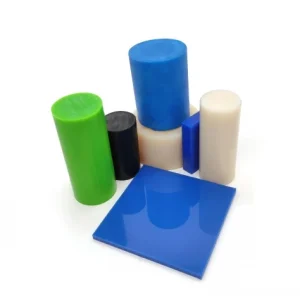
Direct Factory Wholesale PA6/PA66 Boards & Wear Strips
View Technical Spec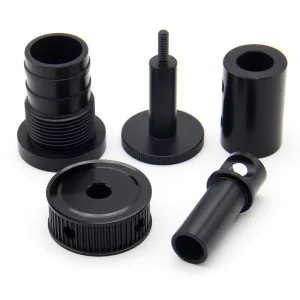
Precision 5-Axis CNC Turning Plastic & Nylon Components
View Technical Spec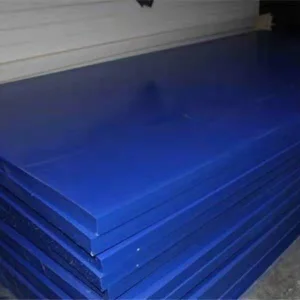
MC Cast Polyamide Nylon PA6 Calendered Heavy Sheets
View Technical Spec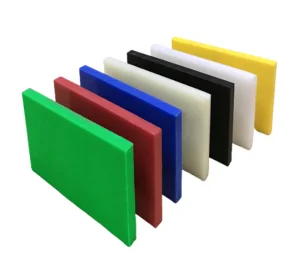
Self-Lubricating Green Oil-Filled MC Cast Nylon Plates
View Technical Spec
Engineered PA6/PA66/UHMWPE/PTFE Calibrated Rod & Bar
View Technical Spec
Procurement & Technical FAQ
Frequently Asked Questions on Wholesale Rubber PA66 Sourcing
Essential guidance covering technical tolerances, elastomer compounding ratios, export packaging standards, and lead-times.
What exact chemical composition defines "Rubber PA66" in your manufacturing lines?
Rubber PA66 is an impact-modified, dynamically vulcanized engineering polymer. In our extrusion lines, virgin polyamide 66 resin (hexamethylene diamine adipate polymer) is compounded with maleic anhydride-grafted ethylene propylene diene monomer (EPDM-g-MAH) or specialized nitrile/fluoro-elastomers at concentrations ranging between 10% and 25% by weight. This micro-dispersion yields high un-notched and notched Izod shock resistance without sacrificing the high thermal deflection threshold of standard polyamide.
How does rubber modification affect the moisture absorption and dimensional stability of PA66?
Standard PA66 typically absorbs 2.5% to 8.5% atmospheric moisture at equilibrium, resulting in dimensional swelling and softening. Because the grafted rubber elastomer phase is completely hydrophobic, the overall moisture absorption rate of Rubber PA66 is reduced by 15% to 30% compared to pure homopolymer nylon. For precision gears and close-tolerance guide shoes, our thermal annealing process ensures dimensional stability down to ±0.03 mm under varying ambient humidities.
Can SHUNDA machine components directly from customer 2D/3D CAD models?
Yes. Our internal CNC machining division operates 3-axis, 4-axis, and 5-axis CNC machining centers, high-speed plastic turning lathes, and automated gear shapers. We accept STEP, IGES, DXF, DWG, and PDF blueprints. Prior to volume cutting, our engineering department performs full DFM (Design for Manufacturability) reviews to calculate thermal expansion allowances and specify correct tool geometry for chatter-free surface finishes.
What are the minimum order quantities (MOQ) and production turnaround cycles?
For standard stocked rod diameters (20mm – 250mm) and sheet thicknesses (10mm – 100mm), the MOQ is typically 500 kg or 10–20 standard plates/bars. Bespoke custom colors, specific elastomer compound percentages, or custom extrusion tooling runs require a minimum of 1,000 kg. Standard factory lead-times range from 7 to 10 working days for stock items, and 15 to 20 days for finished CNC machining batches ready for ocean container loading.
How does SHUNDA protect heavy engineering nylon shipments against sea transit warping and moisture?
All semi-finished rods, tubes, and sheets are heat-sealed within multi-layer polyethylene moisture-barrier film containing silica gel desiccant packs. Outer protection includes fumigated ISPM-15 compliant solid wooden crates or reinforced structural plywood pallets wrapped with heavy-gauge corrugated edge-protectors and steel strapping to eliminate mechanical bending, gouging, and container sweat throughout ocean voyages.