
Direct Factory Inventory
Engineered Polymer & Elastomer Bar Series (Batch I)
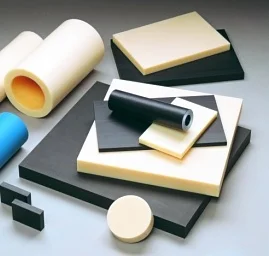
Explore our top-selling industrial stock shapes, impact cushions, and solid wear plates manufactured via continuous extrusion and autoclave polymerization.
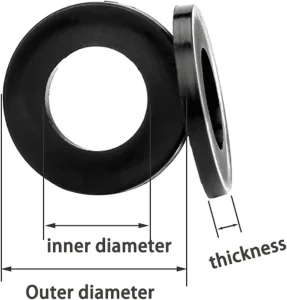
Famous Black Color Nylon Ring Cushion Use For Impact Hammer For Piling Machine
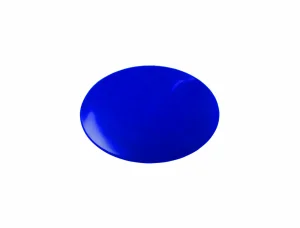
China Impact Round Blue Color Nylon Cushion Use For Impact Hammer For Piling Machine
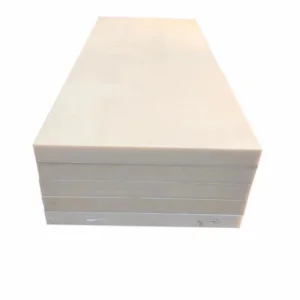
Buy China Gold Supplier Nylon PA6 HDPE UHMWPE ABS PP Moulded Plastic Sheet In Large Size
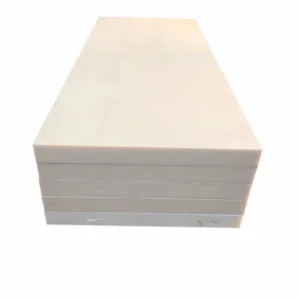
Buy Factory Free sample HDPE Sheet Panel Board Plate Manufacturer High Density Polyethylene
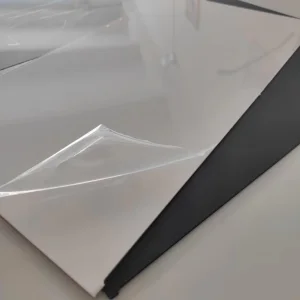
Wholesale China Engineering Plastic OEM Smooth ABS Plastic Sheet Factory Customized Color
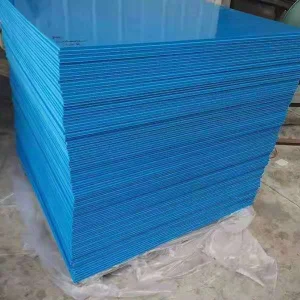
China Blue MC Nylon Sheet Manufacturers Companies
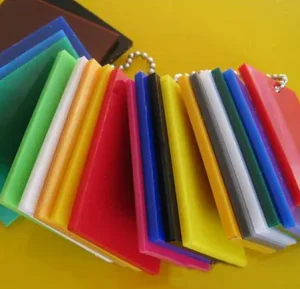
Famous China Supplier Bigfoot Solid Plastic Blocks Customized HDPE Safety Crane Outrigger Pads
Industry Whitepaper / Section 01
Global Industrial Elastomer & Solid Rubber Bar Landscape
Assessing the macro-shift toward high-performance vulcanized compounds, hybrid polyurethane polymers, and precision vibration attenuation shapes in heavy industrial fabrication.
Transition from Pure Neoprene to Thermoset Polyurethanes
Modern machine builders and infrastructure contractors require materials that withstand cyclic compression loads without permanent deformation. Industrial solid rubber bars and engineered elastomer rods have advanced from simple vulcanized SBR/NBR lines to microcellular polyurethane (CPU) and ultra-high-density crosslinked polymers capable of operating from -40°C to +120°C.
Abrasion & Hydrocarbon Resistance Demand
In offshore, mining, and bulk handling applications, standard rubber compounds degrade rapidly when exposed to aliphatic hydrocarbons, drilling mud, and abrasive slurry. Solid cast elastomer bars and MC nylon/rubber composite elements maintain low friction values (μ < 0.15) while providing superior tensile strength exceeding 45 MPa, outperforming legacy cast metals and raw rubber.
Acoustic Attenuation & Shock Dissipation
Civil infrastructure standards such as ISO 10816 now mandate stringent kinetic energy dissipation and noise abatement. Engineered elastomer cushioning blocks and impact bars absorb up to 88% of mechanical shock impulses during severe kinetic pile driving, heavy rock crushing, and automated high-speed logistics conveyance.
85 Shore A
Standard High-Density Durometer Range
> 520%
Ultimate Tensile Elongation at Break
< 18%
Compression Set (70 hrs @ 70°C)
48 Hours
Rapid OEM Custom Tooling & Prototyping
Material Science Matrix
Elastomeric & Solid Polymer Bar Technical Taxonomy
Comprehensive mechanical, thermal, and chemical performance data evaluated by SHUNDA polymer laboratories for precision mechanical engineering and sourcing validation.
| Polymer Category | Hardness Range | Tensile Strength (MPa) | Operating Temp (°C) | Key Mechanical Advantage | Primary Industrial Use Case |
|---|---|---|---|---|---|
| Cast Polyurethane (CPU) Bar Elastomeric Resin |
60 Shore A – 75 Shore D | 35 – 55 MPa | -35°C to +90°C | Outstanding cut/tear propagation resistance and rebound energy | Heavy conveyor scrapers, hydrocyclone liners, metal forming dies |
| Nitrile Butadiene (NBR) Bar Synthetic Rubber |
50 – 90 Shore A | 12 – 22 MPa | -30°C to +110°C | Superior immersion resistance to mineral oils, fuels, and hydraulic fluids | Industrial hydraulic seals, fluid containment wipers, fuel gaskets |
| MC Cast Nylon (PA6) Solid Bar Polyamide Matrix |
80 – 85 Shore D | 75 – 90 MPa | -40°C to +110°C | Exceptional rigidity, internal lubricity, and high compressive yield point | Hammer pile cushions, crane outrigger pads, heavy drive gears |
| Ethylene Propylene (EPDM) Bar Thermoset Elastomer |
45 – 80 Shore A | 10 – 18 MPa | -45°C to +135°C | Unsurpassed dielectric stability, ozone, UV, and steam weathering resistance | Outdoor electrical enclosure sealing, marine hatchway barriers |
| UHMWPE Ultra-Tough Bar High Molecular PE |
65 – 70 Shore D | 28 – 40 MPa | -150°C to +80°C | Near-zero friction coefficient (μ=0.08) and extreme zero-point cryogenic impact | Chute wear bars, harbor fender slider faces, bottling guide rails |
*All test specimens conditioned in accordance with ASTM D412, ASTM D2240, and ISO 37 testing protocols at 23°C ± 2°C and 50% relative humidity. Customized compound compounding (anti-static carbon black, MoS2 solid lubricant fill, glass fiber reinforcement) available upon procurement request.
Localized Application Engineering
Engineered Rubber & Polymer Bars in Mission-Critical Scenarios
From foundation geotechnical drilling in sub-zero terrains to automated automotive assembly lines, discover how precision elastomeric bars solve severe mechanical failure points.
Piling Rig Impact Cushions
During deep foundation piling, hydraulic and diesel impact hammers deliver repetitive compressive shocks exceeding 1,200 kN. Cast nylon and high-rebound rubber ring cushions act as sacrificial impact heads, protecting the steel anvil from micro-fractures, absorbing ultrasonic vibration peaks, and extending hammer service lifespans by up to 340%.
Marine & Port Fendering Billets
Quayside fender structures utilize solid composite rubber bars lined with low-friction UHMWPE sliding pads. This dual-layer system dissipates massive kinetic berthing energies from container vessels while avoiding hull scoring and enduring continuous saltwater splash, direct solar radiation, and broad tidal temperature variations.
Mining Chute Skirting & Impact Bars
Bulk mineral processing plants suffer extreme chute wear under free-falling ore. Specialized rubber impact bars with vulcanized aluminum T-track cores absorb direct particle drops, prevent belt puncture, suppress dust emissions, and eliminate ore spillage across continuous transfer loading zones.
Railway Track Damping & Vibration Pads
High-speed ballastless rail networks install dense microcellular elastomer bars beneath concrete ties and steel baseplates. These rubber bars prevent dynamic track shifting, diminish ground-transmitted structural vibrations into urban centers, and dampen high-frequency acoustic emissions by over 14 dB.
Direct Sourcing Competitiveness
China Factory Supply Chain Resilience & Operational Efficiency
How SHUNDA's integrated production facility in Hebei Province delivers structural cost advantages, rapid turnaround cycles, and uncompromised quality assurance for global procurement officers.
Upstream Monomer & Polymer Synergy
Located in the heart of China’s engineering materials manufacturing corridor, our plant benefits from direct pipeline access to premium virgin caprolactam (for PA6), polyols, diisocyanates, and synthetic elastomer polymers. This eliminates distributor markups and shields overseas buyers from erratic raw material price volatility.
Integrated Tooling & Multi-Axis CNC Milling
Unlike raw resin traders, SHUNDA integrates solid stock casting, continuous profile extrusion, and custom multi-axis CNC machining under one roof. We eliminate secondary handling charges, shorten sample lead times to 48 hours, and verify dimensional tolerances down to ±0.05 mm prior to sea container loading.
Export Infrastructure & Logistical Agility
Conveniently situated adjacent to Tianjin and Qingdao deep-water container ports, we operate dedicated fumigation, ocean-grade shrink bundling, and shock-resistant crating lines. Standard stock shapes ship within 5-7 business days, supporting Vendor-Managed Inventory (VMI) frameworks for tier-1 distributors in North America, Europe, and Southeast Asia.
Future Engineering Trends
Technology Roadmap: Next-Gen Elastomers & Smart Polymer Bars
Anticipating the convergence of bio-based monomers, embedded sensor telemetry, and nano-reinforced composite elastomer bars over the 2025–2030 horizon.
Phase 01 / Immediate Optimization
Graphene-Enhanced Elastomer Crosslinking
Integration of functionalized graphene nanoplatelets into polyurethane and nitrile rubber stock matrices. Preliminary field trials demonstrate a 42% decrease in volumetric abrasive wear (DIN 53516) and a 3.5x improvement in thermal dissipation during cyclic dynamic shear, preventing internal heat buildup and premature blowout.
Phase 02 / 2026–2027 Integration
Smart Rubber Bars with Embedded RFID & Strain Gauge Microchips
Development of co-molded elastomer bars featuring passive RFID sensor arrays for automated condition monitoring. Maintenance teams in bulk port terminals and automated mines can read localized stress peaks, accumulated impact cycles, and remaining service life wirelessly via handheld UHF scanners.
Phase 03 / 2028+ Sustainable Frontiers
Recyclable Thermoplastic Vulcanizates (TPVs) & Bio-Polyols
Transitioning from irreversible thermoset rubber curing to circular Thermoplastic Vulcanizates (TPVs) and polyols derived from sustainable plant oils. This shift reduces carbon footprints by up to 58% while maintaining full mechanical performance, enabling complete mechanical regrind and closed-loop recyclability.
Regulatory Rigor & Guarantees
Global Regulatory Compliance & Factory Verification
Meeting rigorous international standards ensures rapid customs clearance, frictionless installation, and dependable long-term mechanical reliability.
RoHS & REACH Annex XVII
Our raw elastomers and solid engineering plastics are completely free from SVHCs (Substances of Very High Concern), toxic heavy metals, phthalates, and restricted polycyclic aromatic hydrocarbons (PAHs), ensuring compliance for EU and North American industrial integration.
ASTM & DIN Verification
Every batch of extruded or cast stock is accompanied by an official 3.1 Material Test Report (MTR). Tensile strength, durometer Shore hardness, compression deflection, and dielectric breakdown are verified on calibrated Shimadzu testing machines in accordance with ASTM D2000 and DIN EN 681-1.
Multilingual Technical Support
Our sales engineering division operates dedicated technical account managers providing direct support in English. From initial 2D/3D CAD reviews to DFM (Design for Manufacturability) guidance, foreign procurement teams receive engineering feedback within 12 hours.
Traceable Batch Packaging
Each wholesale carton or wooden crate features batch QR serialization tracking raw monomer resin lots, autoclave cycle timestamps, and final QC inspector signatures, guaranteeing zero counterfeit components enter your supply line.
Direct Factory Inventory
Engineered Polymer & Elastomer Bar Series (Batch II)
Custom extruded profile bars, wear resistant plates, and solid rods manufactured for OEM fabricators and machinery distributors worldwide.
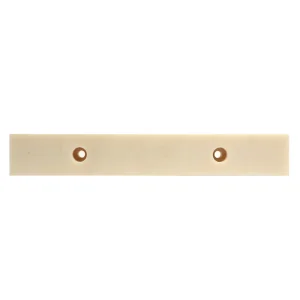
OEM Nylon, ABS, HDPE, UHMWPE Plastic Sheet Pad With Hole Supplier Company
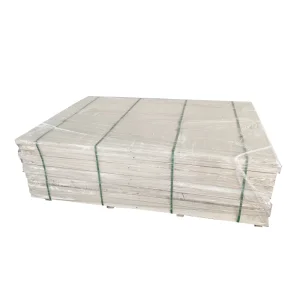
High-Quality China Engineering Plastic Polyamide PA6 PA66 Nylon PP UHMWPE PTFE HDPE ABS Plastic Sheet Tube Rod And Bar
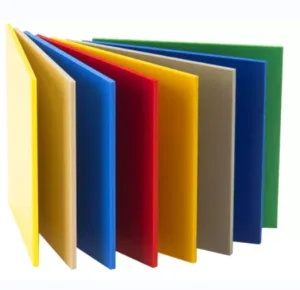
Cheap HDPE Sheet Exporters Company
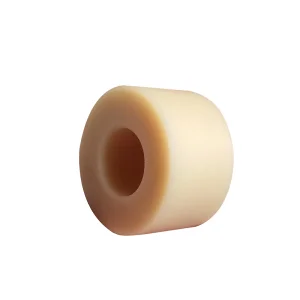
China Good Wholesale Vendors China High Hardness Plastic Products POM Delrin Nylon Rods
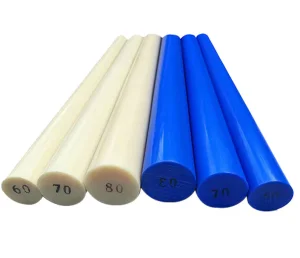
Cheap China MC Blue Cast Nylon Rod Plastic Round Rod And Bar Manufacturers Factories
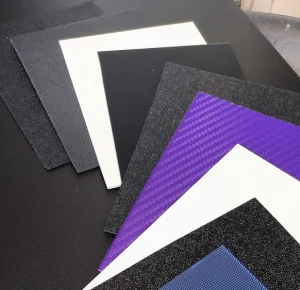
Buy China Engineering Plastic OEM Smooth Texture ABS Plastic Sheet Factory
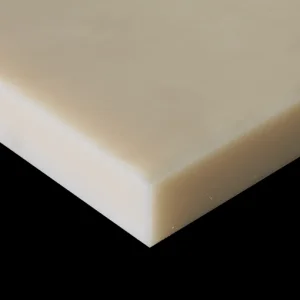
Cheap Natural MC Nylon Sheet Factories Exporters
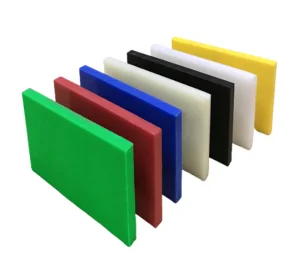
Cheap China Engineering Plastic Polyamide PA6 PA66 Nylon PP UHMWPE PTFE HDPE ABS Plastic Sheet Rod And Bar
Direct Engineering FAQ
Frequently Asked Questions for Industrial Procurement
Clear, authoritative technical answers addressing durometer selection, custom compounding, tolerances, and international export logistics.
What is the difference between solid vulcanized rubber bars and cast polyurethane (CPU) elastomer bars?
Solid vulcanized rubber bars (such as NBR, EPDM, or natural rubber) utilize chemical sulfur crosslinks that provide exceptional dynamic elasticity, rapid cycle rebound, and resistance to environmental ozone weathering. In contrast, cast polyurethane (CPU) is an engineered thermoset polymer that bridges the gap between rubber and rigid plastics, offering up to five times greater tensile strength (35–55 MPa vs. 10–20 MPa) and unmatched abrasion resistance. While rubber bars excel in broad acoustic and low-frequency vibration isolation, polyurethane bars are selected for high mechanical loading, severe gouging, and aggressive chemical scraping applications.
How does SHUNDA ensure tight dimensional tolerances on extruded and molded rubber and plastic bars?
Elastomers and engineering polymers experience thermal contraction following high-temperature extrusion or autoclave curing. To counteract residual internal stresses, our factory implements a controlled multi-stage annealing process in thermal convection ovens, holding stock shapes at designated stabilization temperatures before gradual cooling. For finished profiles, secondary precision milling and centerless grinding on CNC machinery allow us to guarantee cross-sectional dimensional tolerances within ISO 3302-1 Class M2 (or ISO 2768-m for rigid polymers such as MC Nylon and POM).
Can solid rubber bars and nylon rings be customized for heavy piling hammer cushions?
Yes. We specialize in producing heavy-duty piling machine hammer cushions that alternate between cast MC nylon blocks and high-density elastomeric damping rings. These assemblies dissipate destructive ultrasonic peak forces during piling hammer impacts while resisting edge chipping and severe cyclic crushing. We manufacture custom outer diameters up to 1,200 mm with tailored central alignment holes according to contractor equipment specifications.
What are the minimum order quantities (MOQ) and production lead times for custom profile extrusions?
For standard solid round bars and rectangular shapes held in stock (such as Blue MC Nylon, POM, HDPE, and Black Rubber Billets), there is no strict minimum order quantity—we accommodate prototype orders as small as one piece. For custom cross-sectional profiles requiring custom extrusion dies or compression mold tooling, our initial tooling lead time is 7 to 10 days, with typical production runs starting at an economical MOQ of 200 kg to 500 kg depending on profile complexity.
How do you protect rubber and polymer bars from degradation during international ocean transit?
To eliminate moisture ingress, mold growth, and ozone micro-cracking across long ocean voyages, our finished products are wrapped in UV-inhibiting polyethylene film, desiccated with silica gel packets, and packed into reinforced fumigated wooden crates or strapped onto heavy-duty heat-treated euro-pallets. All packaging conforms strictly to ISPM-15 international phytosanitary standards for immediate clearance through European and American border ports.
Direct Wholesale Quotations & Custom Polymer Engineering
Submit your CAD files, durometer targets, or bill-of-materials. Our materials engineers evaluate your specifications and reply with comprehensive factory pricing within 12 hours.