
High-Performance Polymer Stock & Custom Machined Components
Explore our export-grade raw stock shapes and finished precision parts manufactured at our Xinhe facility, compliant with ISO 9001 and international DIN/ASTM tolerance standards.
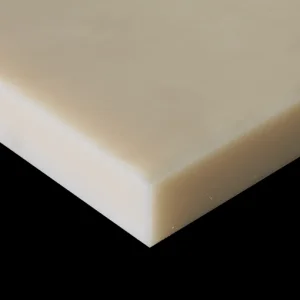
Cheap Natural MC Nylon Sheet Factories, Exporters
View Product Details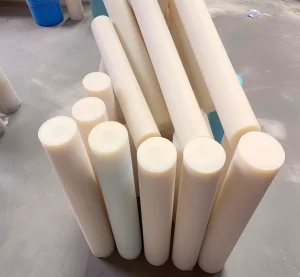
Wholesale Natural MC Nylon Cast Rod Supplier, Company
View Product Details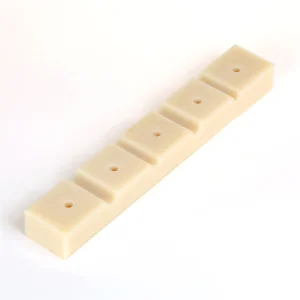
Wholesale Nylon Chain,Plastic Chain, Plastic Pad,Nylon Pad Manufacturer, Products
View Product Details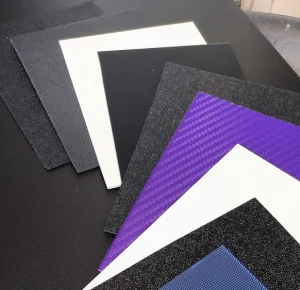
Buy China Engineering Plastic OEM Smooth Texture ABS Plastic Sheet Factory Customized Color With Size Factories, Companies
View Product Details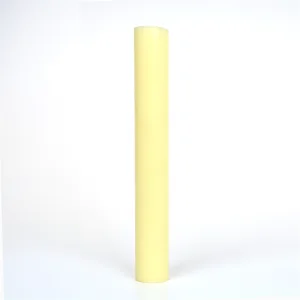
Buy PP Rod ,ABS Rod,Nylon Rod Bar, PTFE Rod,Plastic Rod, All Kinds Of Plastic Products Factories, Exporter
View Product Details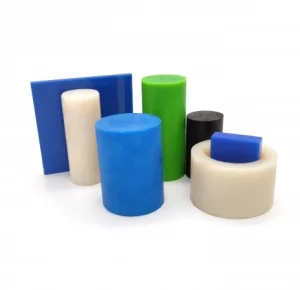
Buy Gold Supplier Engineering Plastic Polyamide PA66 Nylon PP UHMWPE PTFE HDPE ABS Plastic Sheet Rod And Bar Customized Color With Size Manufacturers, Exporters
View Product Details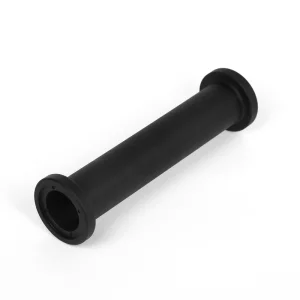
China Nylon Roller Manufacturers, Company
View Product Details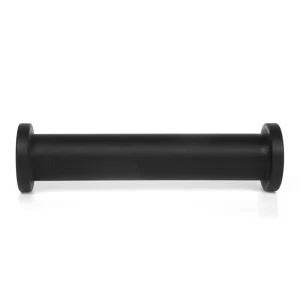
Famous Nylon ABS PP PTFE Plastic Rod Tube Bar Roller Exporters, Products
View Product DetailsExecutive Engineering Whitepaper: Polyurethane (PU) Ring Tribology & Mechanical Performance
In high-pressure fluid power, heavy rotary couplings, and cyclic impact environments, the selection of sealing rings, wear guide rings, and dampening backup rings demands rigorous scrutiny of polymer microstructure. Polyurethane (PU) rings—synthesized via casting (CPU) or thermoplastic injection molding (TPU)—occupy a distinct mechanical niche bridging structural elastomers and high-rigidity engineering thermoplastics such as Cast Nylon (PA6/MC), POM, and PTFE.
Unlike standard nitrile (NBR) or fluoroelastomer (FKM) elements that exhibit accelerated extrusion degradation under mechanical impulse, cast polyurethane formulations (specifically prepolymer networks based on MDI, TODI, or NDI cross-linked with specialized diols) deliver superior tear resistance (exceeding 85 kN/m) and tensile strengths up to 55 MPa. When operating in conjunction with our companion portfolio of MC Nylon wear rings and POM precision guide bushings, PU rings deliver an optimized balance of low dynamic friction, exceptional micro-crack fatigue mitigation, and zero stick-slip under hydrodynamic fluid film disruption.
| Polymer Compound | Durometer (Shore) | Tensile Strength (MPa) | Elongation at Break (%) | Abrasion Loss (mm³ DIN 53516) | Continuous Temp Range (°C) | Primary Mechanical Strengths |
|---|---|---|---|---|---|---|
| Cast PU (CPU - Ether-based) | 90A – 95A | 48 – 55 | 450 – 520 | < 28 | -35 to +90 | Hydrolytic stability, high rebound, cold elasticity |
| Cast PU (CPU - Ester-based) | 92A – 98A | 50 – 58 | 400 – 480 | < 22 | -25 to +105 | Ultimate tensile resistance, mineral oil resistance |
| High-Hardness PU (TODI/NDI) | 55D – 70D | 60 – 68 | 320 – 380 | < 18 | -30 to +125 | Heavy shock dampening, cyclic extrusion barrier |
| MC Cast Nylon (PA6) | 82D – 85D | 78 – 88 | 25 – 45 | 40 – 55 | -40 to +110 | High compressive modulus, rigid guide ring support |
| Virgin / Filled PTFE | 55D – 60D | 25 – 35 | 250 – 350 | 12 – 18 (carbon filled) | -200 to +260 | Universal chemical inertness, near-zero static friction |
A frequent failure mechanism identified by our failure analysis team in Xingtai involves fluid-shear overheating and microcellular shear fatigue in dynamic cylinder piston heads. Under dynamic velocities above 0.5 m/s, standard grade polyurethane undergoes micro-thermal softening. To eliminate this issue, our engineering facility incorporates silane coupling additives and carbon micro-fillers, enabling continuous operating pressures up to 40 MPa without risk of ring extrusion into clearance gaps exceeding 0.25 mm.
Hydrolytic & Chemical Stabilization
Polyether prepolymer formulations engineered specifically to resist fungal attack, microbial breakdown, and aqueous de-esterification in tropical, marine, and high-humidity open pit mine environments.
Compression Set & Memory Retention
Advanced diol crosslinking maintains permanent elastic recovery under continuous mechanical loads, ensuring zero hydraulic fluid bypass even after millions of reciprocating stroke cycles.
Dynamic Impact & Shock Dissipation
Specifically engineered for piling hammers, punch presses, and severe shock dampers where traditional metal or brittle elastomer rings shatter under peak kinetic load spikes.
Macro Industry Solutions: Mission-Critical Ring Applications
Across harsh marine environments, underground mineral extraction, automated intralogistics, and heavy construction equipment, custom PU and hybrid engineering plastic rings solve multi-vector operational challenges.
Hydraulics, Fluid Power & Mobile Earthmoving Equipment
In hydraulic cylinders operating on excavators, heavy dump trucks, and tunnel boring machines (TBM), seals are exposed to particulate-contaminated hydraulic fluids and peak pressure spikes up to 600 bar. We supply complete rod and piston sealing packages combining cast polyurethane U-rings with self-lubricating MC Nylon backup rings and guide rings. This hybrid assembly prevents metal-to-metal barrel scoring, absorbs side thrust vibrations, and maintains tight sealing clearance without micro-pitting or thermal softening.
Heavy Piling & Impact Hammer Dampening
Foundation piling rigs and demolition vibratory hammers subject cushion rings to multi-ton kinetic hammer blows per minute. Our specialized black impact nylon rings and high-density PU buffer rings absorb destructive compression waves, protect hammer piston heads from micro-fracturing, and extend drive rod longevity fourfold.
Offshore Mooring & Subsea Valves
Subsea oil, gas, and offshore wind turbines demand guide rings that withstand saline immersion, cathodic hydrogen charging, and deep sea hydrostatic heads. Our hydrolysis-stabilized polyether PU and virgin PTFE rings offer biofouling resistance and zero water swell, preventing valve seizure.
Automated Material Handling & High-Speed Robotic Sorters
Distribution hub cross-belt sorters, automated storage and retrieval systems (ASRS), and electric forklift guide wheels experience extreme rotational frequencies and dynamic heat buildup. Our low-hysteresis polyurethane drive rings and MC Nylon guide rollers reduce rolling resistance by 32% compared to standard rubber, preventing localized flat-spotting during extended stationary holds under load and delivering quiet, clean, particulate-free operations across cleanrooms and retail fulfillment hubs.
China Factory 4.0: Supply Chain Resilience & Processing Precision
Inside SHUNDA’s 20+ year manufacturing complex in Henglan Town, Xinhe County, engineering rigor combines with high-volume automated polymer processing to guarantee consistent batch-to-batch quality.
Automated Metering & Degassing
Prepolymer and curative are vacuum-metered under closed-loop PLC thermal regulation to prevent void formation and micro-pinhole porosity inside thick-walled rings and massive casting billets.
5-Axis CNC Precision Micro-Turning
Dedicated high-speed turning centers fitted with cryogenic diamond tooling machine complex sealing lip geometries, chamfered entry angles, and dual-action O-ring energizer grooves to DIN ISO 286 tolerances.
Vertical Upstream Integration
By producing our own primary semi-finished raw stock—tubes, bars, rods, and heavy cast slabs—we shield global purchasers from market resin price spikes and eliminate third-party conversion markup.
Traceable Statistical Process Control
Every production lot is cataloged with FTIR infrared spectrum finger-printing, shore hardness verification, density audits, and full digital inspection data sheets retained for 10-year traceability.
Global Enterprise Sourcing Matrix: Qualifying PU Ring Manufacturers
Enterprise procurement professionals and engineering heads must evaluate more than surface pricing when qualifying overseas polymer conversion partners. Use this multi-tiered audit framework.
Critical Evaluation Criteria for Polymer Sealing & Guide Ring Procurement
When transitioning industrial consumable manufacturing or custom OEM parts to China, procurement executives must systematically balance Total Cost of Ownership (TCO) against long-term operational risk. The key vetting pillars include:
- Thermal Annealing & Stress Relief Protocol: Rapid cooling during polyurethane casting or nylon extrusion leaves immense internal residual stresses. When parts are turned on lathes, dimensional deformation occurs weeks later in humid ocean shipping containers. SHUNDA executes computer-controlled, 48-hour thermal post-curing and ramp-down annealing to ensure absolute dimensional equilibrium before machining.
- Raw Polymer Purity vs. Regrind Contamination: Low-cost suppliers often reintroduce contaminated regrind or unverified plasticizers that compromise dynamic tensile strength and lead to premature ring delamination. Our facility guarantees 100% virgin chemical feeds with verifiable batch test certificates (EN 10204 Type 3.1).
- Seal Lip Tooling Sharpness & Radius Precision: An imprecise seal lip radius causes instant fluid bypass or excessive wiping friction. We deploy custom ground micro-grain carbide and polycrystalline diamond (PCD) turning inserts specifically designed to cleanly shear elastomeric polyurethane without thermal drag.
- Export-Ready Packaging & Ocean Freight Protection: Polyurethanes are sensitive to ultraviolet exposure and severe marine humidity. All SHUNDA export consignments are packed in UV-shielded sealed foil, moisture-absorbing silica canisters, and heavy-gauge fumigated wooden crates tailored for long-distance intermodal transit.
Tier-1 Certified Factory (SHUNDA)
Integrated resin compounding, automated casting reactors, in-house multi-axis CNC machine centers, CMM coordinate measuring validation, full material certs with each shipment.
Intermediate Trading Companies
Zero factory ownership, outsourced batch production to disparate regional workshops, markup layers of 20% to 45%, lack of technical drawing review or metallurgical/polymer expertise.
Commodity Workshop Converters
Manual batch mixing, absence of vacuum degassing resulting in micro-porosity, high scrap rates, lack of ISO 9001 quality infrastructure, inadequate packaging causing transit warping.
Regulatory Compliance & Next-Generation Polymer Roadmap
Aligning heavy mechanical manufacturing with strict global environmental standards, international trade compliance, and cutting-edge material science innovations.
International Regulatory Standards & Declarations
Global supply chain continuity demands complete alignment with modern environmental and chemical mandates. All materials formulated and machined in our plants undergo third-party laboratory verification for international regulatory conformity:
- EU REACH Regulation (EC No 1907/2006): Certified zero presence of Substances of Very High Concern (SVHC) exceeding 0.1% w/w.
- RoHS 3 Directive (EU 2015/863): Complete compliance ensuring zero toxic heavy metals (lead, cadmium, mercury, hexavalent chromium) or banned phthalates.
- FDA 21 CFR 177.2600 & 177.1500: High-grade polyurethane, POM, and Ultra-High Molecular Weight Polyethylene (UHMWPE) formulations for repeat-use contact in automated food processing, beverage bottling, and pharmaceutical packaging lines.
- ISO 9001:2015 & ISO 14001:2015: Factory-wide quality control systems paired with sustainable closed-loop industrial water cooling and eco-conscious resin reclamation.
Technology Roadmap: The Future of Dynamic Polymer Rings (2025–2035)
SHUNDA’s applied polymer laboratory is actively investing in next-horizon elastomeric and thermoplastic polymer technologies to meet escalating industrial challenges:
- Bio-Based Non-Isocyanate Polyurethanes (NIPU): Developing circular economy polyurethanes synthesized from plant-derived polyols and cyclic carbonates, lowering lifecycle carbon footprints by up to 42% while retaining Shore 95A dynamic properties.
- Graphene & Carbon Nanotube (CNT) Reinforcement: Micro-doping polyurethane matrices with functionalized CNTs to dissipate static electric charges in explosive oil/gas ATEX zones while increasing dynamic modulus and thermal conductivity by over 60%.
- Embedded Condition-Monitoring Rings: Partnering with industrial IoT leaders to embed passive RFID and micro-piezoelectric thin-film wear sensors directly into sacrificial guide rings, streaming real-time ring degradation telemetry to predictive maintenance dashboards.
Engineered Stock Shapes, Wear Rings & Precision Plates
Review the second group of our core export components. Our sales engineers evaluate CAD models, optimize tooling setups, and provide prompt DFM feedback within 12 hours.
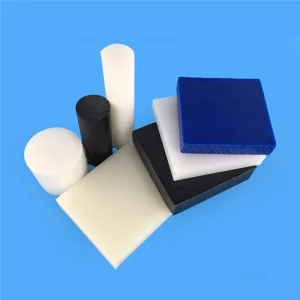
Famous Engineering Plastic Cast Sheet Board PA6 Polyamide Nylon PP HDPE ABS Plastic Rod And Bar Customized Color With Size Exporters, Companies
View Product Details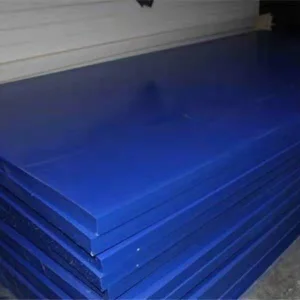
Discount High-Quality MC Casting Nylon PA6 HDPE UHMWPE Sheet Engineering Plastics Nylon Plastic Hard Board Sheet Supplier Exporters, Products
View Product Details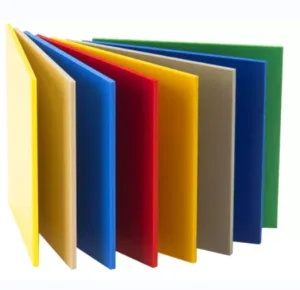
Cheap HDPE Sheet Exporters, Company
View Product Details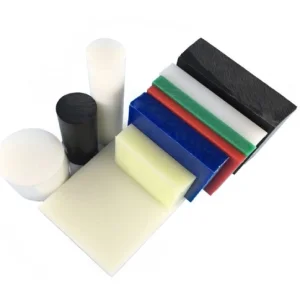
High-Quality Engineering Plastic Polyamide PA66 Nylon PP UHMWPE PTFE HDPE ABS Plastic Sheet Rod And Bar Customized Color With Size Manufacturers, Suppliers
View Product Details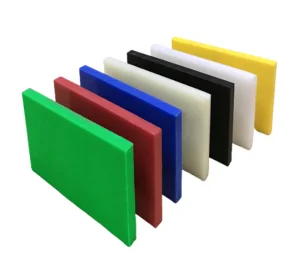
Buy Green MC Nylon Sheet Manufacturers, Suppliers
View Product Details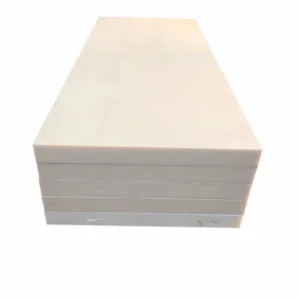
Buy Factory Free sample HDPE Sheet Panel Board Plate Manufacturer High Density Polyethylene Plastic Sheet Factory, Exporters
View Product Details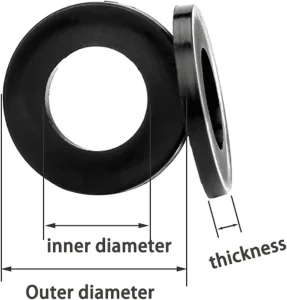
Famous Black Color Nylon Ring Cushion Use For Impact Hammer For Piling Machine Manufacturer, Manufacturers
View Product Details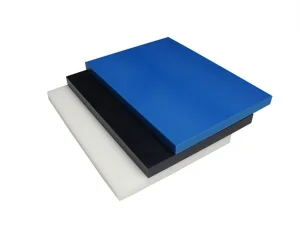
Cheap PTFE Sheet Supplier, Products
View Product DetailsFrequently Asked Questions: PU & Engineered Plastic Rings
Authoritative answers curated by our senior materials engineers for plant operators, design consultants, and sourcing specialists.
What is the primary operational difference between Cast Polyurethane (CPU) and Injection Molded (TPU) rings?
Cast Polyurethane (CPU) utilizes liquid prepolymers cured chemically at elevated temperatures without high shear melting. This creates higher molecular weights, three-dimensional thermoset crosslinking, and substantially superior resistance to heat aging, mechanical abrasion, and cyclic compression set compared to Thermoplastic Polyurethane (TPU). For heavy hydraulic cylinders, high-pressure dynamic seals, and massive impact dampers, CPU is the definitive engineering choice.
How does Shore Hardness selection impact dynamic friction and sealing efficiency?
Standard hydraulic rod and piston seals use 92A to 95A durometer polyurethane, providing optimal lip compliance to microscopic cylinder wall irregularities while maintaining structural stiffness against extrusion. When pressures exceed 25 MPa, backup rings of 98A PU, 60D POM, or MC Cast Nylon are paired to support the extrusion gap. Harder polyurethanes (55D to 70D) exhibit lower sliding friction but require tighter initial machining tolerances to prevent dynamic leakage during cold startup.
Can your factory produce custom non-standard diameter rings without expensive injection molds?
Yes. Utilizing our advanced 5-axis CNC turning centers and automated hollow-billet centrifugal casting, we machine custom PU rings, guide bushings, and step seals directly from solid or hollow cast tube stock. This CNC turning method eliminates tooling mold investments, allows rapid 3-day turnaround on prototypes, and easily accommodates non-standard diameters ranging from 15 mm up to 1,500 mm.
When should an engineer specify Cast Nylon (PA6) over Polyurethane for ring components?
Choose Cast Nylon when the primary functional requirement is high compressive rigidity, low moisture-absorbed thermal growth under heavy steady-state axial loads, or structural bearing support (such as split guide rings and pile-driver cushion pads). Choose Polyurethane when the component requires continuous elastic recovery, dynamic hydraulic sealing, broad-spectrum oil wipe capability, or high-velocity elastomeric shock dampening.
What is the expected shelf life and storage protocol for polyurethane rings?
Properly packed PU rings stored in a dark, dry environment between 15°C and 25°C with relative humidity below 65% exhibit a functional shelf life exceeding 5 to 8 years. Our export packaging features hermetically sealed barrier wraps with desiccants to shield polyether and polyester chains from atmospheric moisture and UV light, preventing premature hydrolytic depolymerization during overseas warehousing.
What documentation and technical quality certifications accompany bulk wholesale orders?
Every commercial consignment includes comprehensive quality documentation: EN 10204 Type 3.1 Material Test Reports certifying shore durometer, tensile yield, and elongation at break; CMM dimensional inspection certificates documenting critical diameters and seal lip concentricity; and official compliance statements for EU REACH, RoHS 3, and FDA food-grade specifications upon customer request.
Optimize Your Dynamic Sealing & Wear Ring Performance
Submit your 2D/3D component drawings (STEP, DWG, PDF) along with operating temperatures, mechanical pressures, and fluid exposure parameters. SHUNDA’s application engineers provide DFM reviews, polymer grade shortlisting, and volume pricing within 12 hours.