
Wholesale Engineering Plastics & Extruded POM Hollow Stock
Explore our export-ready stock inventory including solid rods, heavy-wall POM C tubes, MC nylon, PTFE, and high-performance semi-finished engineering shapes optimized for fast dispatch.
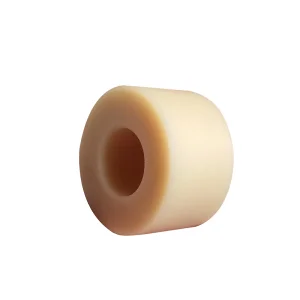
China Good Wholesale Vendors China High Hardness Plastic Products POM /Delrin Nylon/Rods 10mmx1000mm White Rod/Color Plastic Rods Manufacturers, Supplier
View Product Details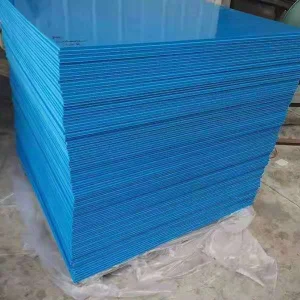
China Blue MC Nylon Sheet Manufacturers, Companies
View Product Details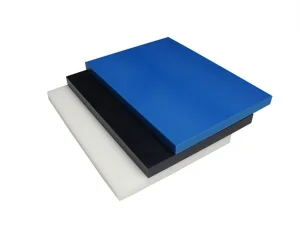
Cheap PTFE Sheet Supplier, Products
View Product Details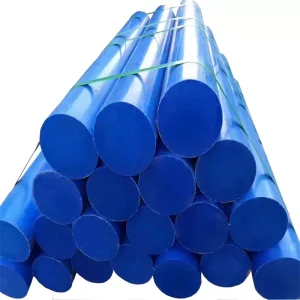
Wholesale China MC Cast Nylon PA66 Plastic PP PE HDPE ABS Round Rod And Bar Supplier, Product
View Product Details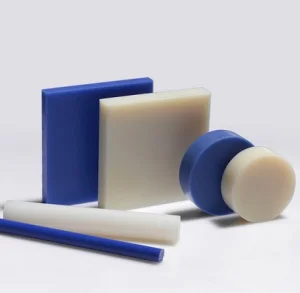
Discount China Engineering Plastic Polyamide PA6 PA66 Nylon PP UHMWPE PTFE HDPE ABS Plastic Sheet And Rod And Bar Suppliers, Company
View Product Details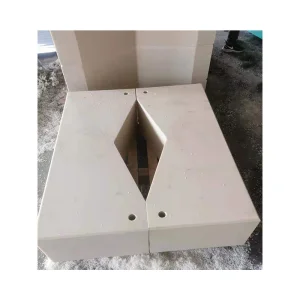
Cheap High-Quality MC Casting Nylon Sheet PA6 Engineering Plastics Nylon Hard Board Sheet Supplier, Exporters
View Product Details
Buy Trending Products China High Quality PP Rod, Polypropylene Rod, Plastic Rod With White, Grey, Green Color etc. Manufacturers, Suppliers
View Product Details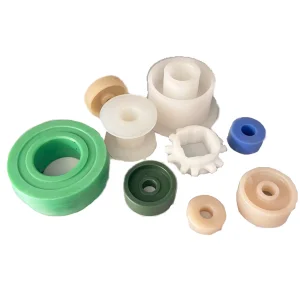
China Custom CNC Machining Components Peek ABS/PTFE/Derlin/Nylon POM CNC All Kinds Of Pulley Wheel Suppliers, Exporters
View Product DetailsDeep Analysis: Polyoxymethylene Copolymer (POM-C) Tube Extrusion Dynamics
In high-stress mechanical engineering, semi-crystalline polyoxymethylene copolymer (POM-C) serves as the definitive structural thermoplastic. Understanding the physical distinction between copolymer and homopolymer formulations dictates part longevity in aggressive hydraulic, mechanical, and thermal operating environments.
Resistance to Centerline Porosity
Unlike homopolymer acetal (POM-H / Delrin), our extruded POM-C tubes are synthesized with alternating oxyethylene linkages (-CH2-CH2-O-) within the polyoxymethylene backbone. This molecular structure inhibits rapid shrinkage crystallization, completely eradicating internal centerline microporosity. When machining internal diameters, bores retain high pressure-tight integrity without leakage.
Polymer MorphologyThermal Annealing & Stress Relief
Raw extruded tubular stock undergoes programmed secondary fluid-bed or hot-air convection annealing cycles lasting 18 to 36 hours. Controlled cool-down phases reduce residual orientation stresses from > 18 MPa down to < 2.5 MPa. This eliminates spontaneous bore ovalization, axial warpage, and dimensional crawling during high-speed CNC multi-axis turning and broaching.
ThermokineticsHydrolytic & Chemical Alkaline Stability
POM-C tubes maintain chemical stability when exposed to hot alkaline washdowns (pH 4 to 13), synthetic hydrocarbons, aromatic fuels, and aqueous salt solutions. Homopolymers degrade via chain unzipping under continuous contact with hot water or alkaline detergents; POM-C copolymer end-caps arrest unzipping degradation, ensuring long service life in sterilization applications.
Chemical EnduranceChina Factory 4.0: Supply Chain Resilience & Extrusion Precision
Operating out of our manufacturing facility in Xinhe County, Hebei, SHUNDA integrates German-designed heavy single-screw extrusion suites with automated closed-loop calibrators, providing consistent wall thickness, tight runout tolerances, and competitive wholesale pricing.
Continuous Ultrasonic Wall Thickness Verification
Every extrusion line utilizes 4-axis rotating ultrasonic transducers inside vacuum calibration tanks. Outer diameter (OD), inner diameter (ID), and total indicated runout (TIR) are logged continuously. Any concentricity deviation exceeding 0.08 mm triggers automatic melt pressure adjustments, guaranteeing uniform radial wall densities.
Real-Time MetrologyRaw Polymer Virgin Masterbatch Integrity
We source ultra-high purity polyoxymethylene copolymer resin granules directly from certified multinational petrochemical suppliers. Zero post-industrial floor regrind is introduced into prime mechanical POM C tube batches. This maintains consistent molecular weight distribution, elongation at yield (12%), and dielectric breakdown values.
Resin PuritySupply Chain Scalability & Direct Logistics
With an annual processing capacity across 19 dedicated semi-finished and finished extrusion lines, our facility handles high-volume containerized procurement orders for overseas distributors. Located within prompt trucking transit to Tianjin and Qingdao ports, ocean freight staging is executed with humidity-sealed protective poly-wrapping and export wooden crating.
Global Logistics| Physical / Mechanical Property | Test Standard (ASTM / ISO) | POM-C Tube (Virgin Copolymer) | POM-H (Homopolymer Comparison) | Engineering Benefit |
|---|---|---|---|---|
| Specific Density | ISO 1183 / ASTM D792 | 1.41 g/cm³ | 1.43 g/cm³ | Balanced structural weight & inertia |
| Yield Tensile Strength | ISO 527 / ASTM D638 | 65 - 70 MPa | 75 - 80 MPa | High mechanical load capacity |
| Elongation at Break | ISO 527 | 30% - 40% | 15% - 25% | Superior impact resistance & toughness |
| Rockwell Hardness (M Scale) | ISO 2039-2 / ASTM D785 | M 84 - M 86 | M 88 - M 92 | Low wear rate on mating metal shafts |
| Coefficient of Dynamic Friction (Dry) | vs. Polished Steel (dry) | 0.25 - 0.32 | 0.27 - 0.35 | Self-lubricating dry-running capabilities |
| Continuous Service Temperature | UL 746B (Long Term) | -50°C to +100°C (+110°C peak) | -50°C to +90°C (+105°C peak) | Thermal operational safety margin |
| Dielectric Strength | IEC 60243 / ASTM D149 | 20 kV/mm | 22 kV/mm | Electrical insulation & arc resistance |
Macro Industry Solutions: Engineering Demands for POM-C Tubular Stock
Procuring pre-extruded hollow POM-C tubes eliminates core drilling cycles, saving machining hours, reducing tool wear, and yielding stress-free cylindrical components across high-specification industrial sectors.
Hydraulic & Pneumatic Cylinders
In fluid power engineering, extruded POM C tubes provide ideal raw stock for pneumatic piston heads, rod guide bushings, wiper rings, and hydraulic backup rings. The low coefficient of thermal expansion, minimal moisture swelling (under 0.20%), and zero stick-slip characteristics ensure friction stability under reciprocating loads without galling the mating chrome-plated cylinder bore.
Fluid MechanicsFood Processing & Dairy Machinery
Our virgin natural white POM C tubes satisfy FDA 21 CFR 177.2470 and European Regulation (EU) No 10/2011 mandates for repeat food contact. Machined into sanitary filler valve sleeves, metering augers, volumetric dosing pistons, and CIP (clean-in-place) rotary bushings, POM C endures daily sterilization via hot caustic rinses without micro-cracking or leaching.
Sanitary StandardsCleanroom Automation & Semiconductor Handling
In wafer transport robotics, automated optical inspection lines, and pick-and-place end-effectors, POM C tubes machined into precision rollers, flanged hubs, and drive pulleys offer dimensional repeatability. Non-shedding crystalline surfaces prevent particulate generation, while carbon-modified anti-static grades (POM-ESD) provide surface resistivity of 10^6 to 10^9 ohms/sq.
Cleanroom AutomationAutomotive Fuel Systems & Sensor Housings
Modern internal combustion and hybrid powertrains depend on POM-C tubes for fuel sender flanges, return line check valves, and steering column bushings. Complete immunity to ethanol-blended fuels (E85), aromatic fuels, and transmission lubricants prevents structural degradation, swelling, or embrittlement across continuous engine-bay operational thermal cycles.
Automotive EngineeringPotable Water Distribution & Flow Metering
Certified formulation compliance with WRAS, NSF 61, and ACS standards makes our POM C tube inventory an alternative to dezincification-prone brass alloys. Impeller housings, turbine water meter chassis, and ceramic valve cartridge spacers benefit from zero lime-scale adherence, electrolytic non-conductivity, and resistance to cavitation pitting.
Municipal InfrastructureHeavy Conveyor Idlers & Material Handling
Overhead conveyor lines, sorting carousels, and bottle handling bottling lines utilize POM C hollow profiles as heavy-duty drive rollers and low-friction sleeves. Its dampening performance absorbs vibration, diminishes operational acoustic decibel levels by up to 14 dB compared to metallic alternatives, and protects delicate goods from marring.
Heavy LogisticsOptimizing Global Procurement: Extruded Hollow Tubes vs. Solid Rod Coring
Procuring hollow tube profiles directly from a dedicated manufacturer reduces total operational costs for precision machine shops and Tier-1 system integrators. By analyzing material volume metrics, tool life, and machine cycle times, the business case for near-net-shape hollow bar sourcing becomes evident.
Up to 62% Raw Material Waste Reduction
When turning a bush or spacer with an Outer Diameter of 120 mm and an Inner Diameter of 80 mm from solid rod, approximately 44% of the virgin resin volume is converted into low-value scrap chips. Sourcing calibrated POM C tubes matching outer and inner net specifications preserves virgin material integrity, eliminates scrap disposal friction, and cuts shipping freight weight per piece.
Material Efficiency70% Reduction in Spindle Cycle Times
Deep-hole drilling and rough internal boring into solid acetal rods generate high localized frictional heat, necessitating conservative peck-drilling feeds, copious coolants, and frequent tool index stops. Starting with pre-extruded hollow tubes allows instantaneous fine ID boring operations, saving up to 70% in spindle hours and extending carbide insert longevity.
Machining ProductivityLocalized Support, Rigorous QA & International Compliance Assurance
Overseas buyers face supply chain risks concerning material substitution, unannealed stress cracks, and non-compliant resins. SHUNDA implements quality controls and complete material traceability from resin input to ocean bill of lading.
EN 10204 3.1 Certified Test Reports
Every wholesale shipment of POM C tubes is accompanied by standard 3.1 inspection documentation. Test reports delineate specific batch melt flow rates (MFR), tensile yield strengths, actual Rockwell hardness, density assays, and exact dimensional runout measurements taken under controlled metrology room temperatures (23°C ± 2°C).
TraceabilityGlobal Environmental Compliance
All virgin natural white, jet black, and custom masterbatch POM C tube formulations are tested by third-party laboratories (SGS / Intertek). They are compliant with EU RoHS Directive 2011/65/EU and EU REACH Regulation (EC) 1907/2006 SVHC candidates list, guaranteeing zero toxic heavy metals, phthalates, or halogenated flame retardants.
RoHS & REACHMultilingual Engineering Technical Support
Navigating technical polymer specifications across global time zones requires responsive communication. Our technical sales engineers provide direct English-language consultations, delivering DFM (Design for Manufacturability) guidance, dimensional sizing recommendations, and firm commercial quotations within 12 hours of inquiry receipt.
12-Hour SLATechnology Roadmap & Advanced Polymer Horizons (2025–2035)
As advanced robotics, aerospace tooling, and renewable energy sectors escalate their operating demands, SHUNDA invests in next-generation composite and sustainable acetal matrix technologies.
Nano-Carbon Modified POM-ESD Tubes
Addressing electrostatic discharge vulnerabilities in semiconductor wafer transport, our R&D pipeline incorporates multi-walled carbon nanotubes (MWCNTs). This development achieves uniform volumetric conductivity (10^5 to 10^8 Ω·cm) throughout heavy-wall profiles without shedding surface carbon sloughing or altering POM-C's baseline tensile properties.
NanotechnologyBio-Based & Mass-Balanced Acetal Monomers
Aligning with global ESG mandates and corporate decarbonization targets, we are qualifying bio-attributed formaldehyde monomers derived from certified renewable agricultural waste and biomethane feedstocks. These provide up to a 65% lower cradle-to-gate carbon footprint while matching the physical and mechanical properties of fossil-based POM-C.
Sustainable CircularityHybrid PTFE-Silicone Self-Lubricating Formulations
To eliminate external oil and grease maintenance in food handling conveyor gear trains, novel ternary blend formulations homogeneously disperse micro-PTFE particles and silicone polymers throughout the polyoxymethylene copolymer matrix, dropping dynamic friction down to 0.12 while quadrupling PV (pressure-velocity) endurance ratings.
Tribological AdvancesProcurement & Engineering FAQ: Wholesale POM C Tubes
Direct technical answers addressing the concerns of mechanical engineers, procurement heads, and workshop supervisors regarding stock selection, dimensional allowances, and CNC machining parameters.
What are the key manufacturing differences between POM-C and POM-H tubes?
POM-H (homopolymer, such as Delrin) features a higher crystalline melting point and slight mechanical stiffness advantages, but it suffers from severe centerline porosity when extruded into heavy cross-sections and exhibits low chemical resistance to alkaline hydrolysis. POM-C (copolymer) contains comonomers that prevent erratic shrinkage voids, providing uniform density throughout the cross-section. POM-C also resists continuous hot water, chemical cleaners (pH 4-13), and thermal aging.
How do extruded hollow tubes compare to drilled solid rods regarding dimensional stability?
Drilling large-diameter bores into solid rods relieves residual cooling stresses unevenly across the profile, often resulting in axial banana-bowing or egg-shaped bore ovality. Our extruded hollow POM C tubes undergo dual-axis vacuum calibrator stabilization followed by an extended 24-hour thermal annealing cycle. The residual stress state is balanced symmetrically around the annular axis, ensuring the tube remains round and straight after multi-axis CNC lathe operations.
What size ranges are available for wholesale POM C tube orders?
SHUNDA manufactures POM C tubes ranging from an Outer Diameter (OD) of 20 mm up to 400 mm, with Inner Diameters (ID) engineered from 10 mm up to 340 mm. Standard commercial lengths are 1000 mm, 2000 mm, and 3000 mm. We also provide customized OD/ID configurations, tight metric or imperial tolerance tooling, and pre-cut lengths upon contract review.
Can natural white and jet black POM C tubes be certified for food contact?
Yes. Our virgin natural white POM C tubes comply with FDA 21 CFR 177.2470 and European Regulation (EU) No 10/2011 for direct food contact. For jet black POM C tubes, specialized non-heavy-metal, food-approved carbon black masterbatches are utilized upon request to maintain FDA conformity for sanitary food sorting and beverage packaging equipment.
What are the recommended CNC machining parameters for turning POM C hollow bars?
Use sharp, polished carbide or polycrystalline diamond (PCD) tooling with positive rake angles (15° to 30°) and clearance angles of 6° to 10°. Surface cutting speeds typically range between 250 and 450 m/min, with feeds of 0.1 to 0.3 mm/rev for roughing and 0.05 mm/rev for finishing. Because plastics conduct heat poorly, air-blast or water-soluble flood coolants are recommended to clear swarf and prevent localized thermal expansion during continuous turning.
What quality control methods are employed to prevent internal defects?
We deploy continuous ultrasonic non-destructive testing (NDT) within our extrusion calibration lines to detect internal micro-voids and monitor wall concentricity. Post-extrusion, sample cross-sections are subjected to polarized light photoelastic stress evaluations and formal EN 10204 3.1 mechanical tensile and hardness testing, ensuring consistent batch-to-batch quality before export crating.
Additional Wholesale Products & Custom Machined Components
Explore our complete manufacturing portfolio covering specialized nylon bars, custom impact cushions, UHMWPE wear plates, cast PA6 tubes, and multi-axis CNC custom machined parts.
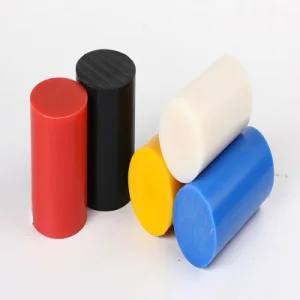
China Cast Nylon Rod Manufacturers, Products
View Product Details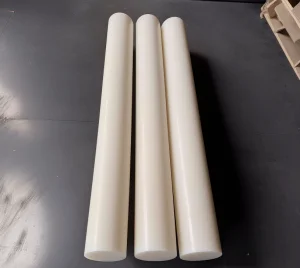
Cheap ODM OEM Engineering Plastic Cast PA6 Polyamide Nylon plastic Tube Rod And Bar Customized Color With Size Companies, Products
View Product Details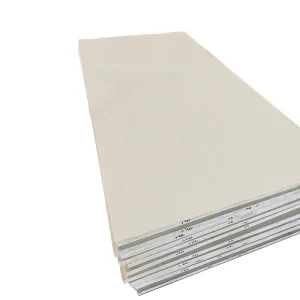
China China Engineering Plastic Casting Polyamide Nylon ABS PTFE HDPE UHMWPE Plastic Sheet Tube Rod And bar Customized Color With Size Suppliers, Companies
View Product Details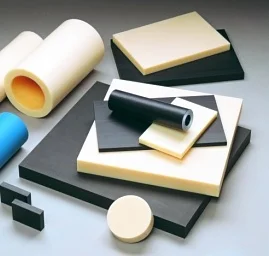
OEM Engineering Plastic Backing Casting Board Nylon PP ABS PTFE UHMWPE Board Sheet Rod Tube Waterproof Customized Color Made In China Manufacturer, Factories
View Product Details
Wholesale Impact Black Color Nylon Cushion Use For Impact Hammer For Piling Machine Manufacturer, Product
View Product Details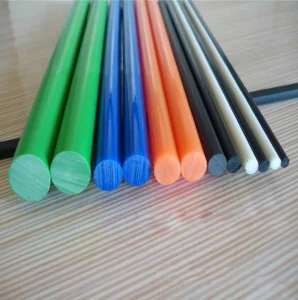
Discount Cast MC Nylon Bar Suppliers, Products
View Product Details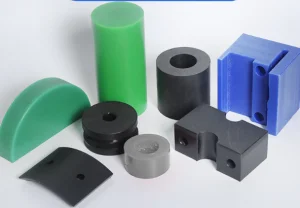
Discount MC Nylon Machined Parts Manufacturers, Exporter
View Product Details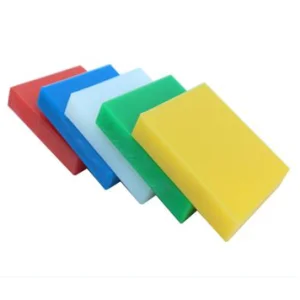
Buy China Engineering Plastic Polyamide PA6 PA66 Nylon PP UHMWPE PTFE HDPE ABS Plastic Sheet Rod Bar Suppliers, Product
View Product DetailsSpecify Your POM C Hollow Tube Requirements
Partner directly with an established engineering plastics extruder in Hebei, China. Whether you need custom wall configurations, specific metric/imperial sizing, complete container volume discounts, or finished CNC machined parts from your CAD files, our engineering team is ready to evaluate your specifications.