
Primary Wholesale Engineering Polymer Stock
Premium grade extruded PA6, cast MC nylon, and co-polymer stock engineered for global industrial distributors and precision OEM manufacturers.
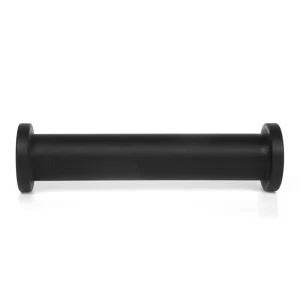
Famous Nylon ABS PP PTFE Plastic Rod Tube Bar Roller Exporters
Explore Specifications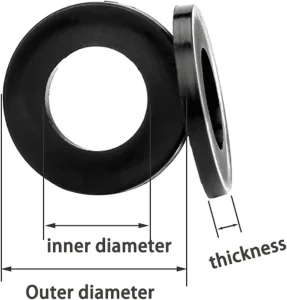
OEM Polyamide Natural MC Nylon Ring Cast PA6 POM Rod Round Bar
Explore Specifications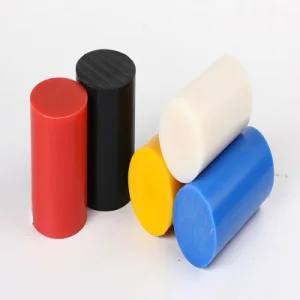
Discount MC Nylon Bar Manufacturers, High-Rigidity Suppliers
Explore Specifications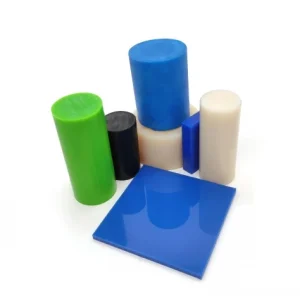
Special Wholesale Plastic PA6/PA66 Board & Durable Nylon Rods
Explore Specifications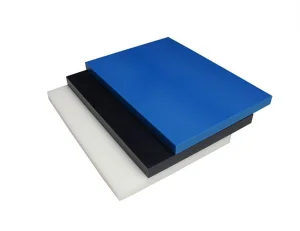
PA6 Polyamide Nylon UHMWPE PTFE Plate Tube Rod & Bar Custom Size
Explore Specifications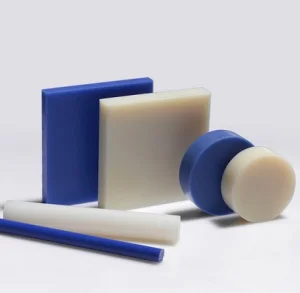
Engineering Plastic Polyamide PA6 PA66 Nylon PP ABS Sheet & Rod
Explore Specifications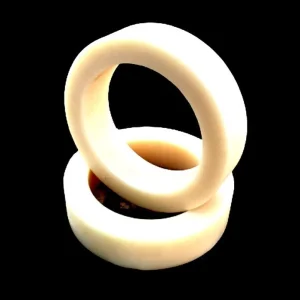
Polyamide Natural MC Cast Nylon Tube PA6 POM Round Bar & Ring
Explore Specifications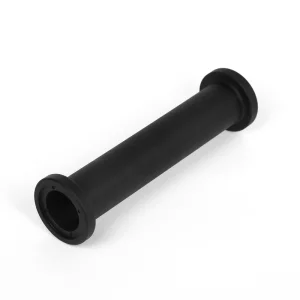
Precision Heavy-Duty China Nylon Roller & Guide Bar Manufacturer
Explore SpecificationsGlobal Industry Evolution: The Rise of Polyamide 6 Engineering Stock
Strategic shift from heavy non-ferrous metals to high-modulus, self-lubricating semi-finished Nylon 6 rods across next-generation industrial machinery.
Metallurgical Substitution Mandate
Global manufacturing sectors are systematically substituting phosphor bronze, brass, cast iron, and aluminum alloys with extruded and cast PA6 rods. This transition is motivated by the escalating imperative to reduce inertia in high-speed rotating mechanisms, eliminate external lubricants in environmentally sensitive sectors, and reduce overall machine power consumption.
- Elimination of galvanic corrosion in marine environments
- Noise dampening attenuation up to 12 dB vs. metal gears
- Dramatic extension of mating metal shaft life cycles
Molecular Integrity & Crystallinity Control
Nylon 6 (Polycaprolactam) synthesizes via ring-opening polymerization of caprolactam. In wholesale rod manufacturing, crystallite density and distribution govern mechanical behavior. Contemporary extrusion relies on twin-screw compounding with automated melt filtration down to 20 microns, eliminating particulate voids and internal micro-cracks before rod calibration.
- Homogeneous spherulite structures ensure uniform hardness
- Controlled cooling curves prevent internal residual stresses
- Zero porosity suitable for high-vacuum industrial tooling
Procurement Economics & Total TCO
Procurement directors and tier-1 parts fabricators measure materials not solely by raw cost per kilogram, but by net component yield and CNC tooling longevity. Nylon 6 rod delivers substantial chip-formation efficiency, lower cycle times on high-speed CNC Swiss lathes, and zero tool edge chipping compared to glass-filled composite plastics or titanium alloys.
- Up to 40% reduction in cycle machining hours
- Low specific gravity (1.14 g/cm³) maximizes parts per ton
- Recyclable swarf handling streamlines circular operations
Authoritative Engineering Insight: Cast PA6 (MC) vs. Extruded PA6
A critical technical distinction in wholesale procurement lies between Extruded PA6 and Monomer Cast PA6 (MC Nylon). Extruded PA6 is optimized for continuous rod diameters from 6 mm to 200 mm, exhibiting superior elongation at break (70%) and impact toughness. In contrast, Monomer Cast Nylon (MC PA6) utilizes liquid caprolactam polymerization in atmospheric molds, unlocking oversized diameters up to 1000 mm, higher crystallinity, enhanced modulus of elasticity (3500 MPa), and reduced internal stress for massive gear rings and crane pulleys.
Polyamide 6 Technical Matrix & Comparative Engineering Physics
Standardized mechanical, thermal, and electrical performance parameters verified in compliance with ASTM D4066 and DIN EN 15860 testing protocols.
| Property Parameter (Standard Metric) | Extruded Nylon 6 (PA6) | Cast Nylon (MC PA6) | Nylon 66 (PA66) | Polyacetal (POM-C) | UHMW-PE (1000) |
|---|---|---|---|---|---|
| Specific Density (g/cm³) | 1.14 | 1.15 | 1.14 | 1.41 | 0.93 |
| Tensile Strength at Yield (MPa) | 80 - 85 | 85 - 92 | 88 - 95 | 65 - 70 | 22 - 28 |
| Tensile Modulus of Elasticity (MPa) | 3,000 | 3,400 - 3,600 | 3,300 | 2,800 | 700 |
| Elongation at Break (%) | 50 - 70% | 25 - 40% | 40 - 60% | 30% | > 300% |
| Charpy Notched Impact Strength (kJ/m²) | 6.0 - 8.0 | 4.5 - 6.0 | 5.0 - 6.5 | 6.0 | No Break |
| Rockwell Hardness (M Scale) | 84 - 88 | 88 - 92 | 88 - 92 | 86 | 40 |
| Melting Point (°C) | 220 °C | 220 °C | 260 °C | 165 °C | 135 °C |
| Continuous Service Temperature (°C) | -40 to +105 °C | -40 to +115 °C | -40 to +110 °C | -50 to +100 °C | -150 to +80 °C |
| Water Absorption (Saturation in H₂O at 23°C) | 8.5 - 9.0% | 6.5 - 7.0% | 8.0% | 0.8% | < 0.01% |
| Dielectric Strength (kV/mm) | 25 | 27 | 27 | 20 | 45 |
Hygroscopic Equilibrium & Dimension Planning in Machining
Polyamides naturally absorb ambient atmospheric moisture via hydrogen bonding in the amide groups (-CO-NH-). Standard dry-as-molded (DAM) rods possess 0.2% moisture; upon reaching equilibrium in typical European or North American operations (50% Relative Humidity, 23°C), water absorption stabilizes at approximately 2.5% to 3.0%, resulting in a predictable linear expansion of 0.2% to 0.3%. Precision CNC turning operations must calculate finished bore and outer diameter tolerances incorporating this equilibrium factor, or mandate post-machining moisture conditioning for mission-critical dimensional stability.
China Factory 4.0: Supply Chain Resilience, Scale & Precision
Combining continuous twin-screw horizontal extrusion lines, automated vertical annealing autoclaves, and rapid maritime export channels for unbeatable bulk sourcing reliability.
Automated Secondary Annealing
The single greatest hazard in wholesale nylon stock is internal residual hoop stress caused by differential cooling rates during extrusion. In our Industry 4.0 thermal treatment facility, every single PA6 rod batch undergoes a computer-controlled 36-hour slow oil or air annealing cycle up to 160°C. This completely relaxes internal polymer chains, eliminates the risk of centerline porosity, and guarantees that bars will not bow, banana, or fracture during deep core drilling or unilateral milling.
In-Line Ultrasonic Non-Destructive Flaw Detection
Every meter of extruded round stock exceeding 50 mm diameter travels through a high-frequency multi-channel ultrasonic flaw detection inspection tank. By scanning for internal micro-voids, bubbles, and particulate foreign contaminants down to 0.1 mm resolution, we ensure 100% monolithic density throughout the entire cross-section. Machinists can bore into the exact center of our rods with absolute confidence of discovering clean, non-porous material.
Massive Capacity & Port Strategic Advantage
Operating more than 30 automated extrusion and vertical casting lines produces over 2,500 metric tons of engineering plastics per month. Located within rapid transport corridors to major international container ports (Tianjin, Qingdao, and Ningbo), our export packaging department maintains stringent moisture-barrier multi-layer stretch wrapping, end-cap protectors, and fumigated timber crates configured for containerized maritime and railway freight.
Virgin Resin Desiccation
Automated vacuum drying of high-viscosity virgin caprolactam resin to <0.05% moisture content prior to screw feed.
Calibrated Extrusion
Gravimetric multi-zone extrusion with laser diameter monitoring holding raw stock tolerances within DIN EN 15860 standards.
Stress-Relief Annealing
Multi-stage automated heating and cooling curves spanning 24-48 hours relieving 98.5% of internal crystallization strain.
Ultrasonic Verification
100% density and void scan validation ensuring internal monolithic integrity across standard 1000mm / 2000mm lengths.
Sealed Export Logistics
Desiccant-packed, heavy-duty barrier palletizing protecting polymers against ocean freight humidity shifts.
Worldwide Industrial Landscape & Application Case Studies
Supplying critical mechanical components to OEM builders, logistics integrators, and heavy industry plants across 65+ countries.
Heavy Lifting, Cranes & Offshore Sheaves
In mobile telescopic cranes, port container gantry equipment, and offshore winches, wire rope sheaves machined from our wholesale MC Cast Nylon 6 rod replace forged steel. PA6 reduces deadweight aloft by 85%, cushions contact stresses, and extends expensive steel wire rope service life by up to 300% through elastic rope groove conformity.
- Groove elasticity dampens cyclical vibration pulses
- Zero oxidation in saltwater marine exposure zones
Intralogistics & High-Speed Conveying
Modern automated fulfillment centers rely on millions of guide rollers, sprockets, star wheels, and wear strips machined from natural and MoS₂-filled black Nylon 6 rod. Its high sliding abrasion resistance under continuous dry friction prevents line jamming and minimizes electrostatic particulate accumulation.
- Significant operational acoustic reduction in enclosed hubs
- Ultra-low track wear on aluminum extrusion profiles
Automotive, EV & Powertrain Fixturing
Automotive assembly lines utilize PA6 rod components for non-marring chassis assembly fixtures, robotic end-of-arm tooling grippers, and drivetrain test bench wear sleeves. In commercial vehicles, oil-filled cast nylon bushings replace brass in pedal pivot points, leaf spring linkages, and hydraulic cylinder guides.
- Exceptional resistance to diesel fuel, oils, and grease
- Withstands high dynamic compressive cyclical shock
High-Precision CNC Machining & Tooling Guidelines
Comprehensive technical parameters for turning, milling, and drilling Nylon 6 rod stock without thermal deformation, surface burring, or tool gumming.
Turning & Lathe Parameters
Nylon 6 possesses low thermal conductivity (0.28 W/m·K), meaning heat generated during cutting transfers primarily into the tool bit or remains concentrated in the workpiece surface. High positive rake angles (15° to 25°) and clearance angles (8° to 12°) are mandatory to cleanly shear rather than rub the plastic polymer.
- Cutting Speed (Vc): 200 - 500 m/min (Unfilled PA6)
- Feed Rate (f): 0.15 - 0.40 mm/rev for roughing; 0.05 - 0.15 mm/rev for finishing
- Tool Insert Grade: Polished uncoated carbide (ISO K10/K20) or PCD diamond tooling
Drilling & Deep-Hole Boring
Standard metal-cutting twist drills will overheat and seize inside nylon round stock due to continuous swarf packing. Operators must employ wide-flute plastic drills with a 90° to 118° point angle and a reduced helix angle. Frequent pecking cycles are required to evacuate continuous spiral chips and maintain cool cutting edges.
- Drilling Speed (Vc): 50 - 100 m/min
- Feed Rate: 0.10 - 0.30 mm/rev (Avoid dwelling to prevent thermal glaze)
- Cooling Media: Pressurized air jet or soluble synthetic emulsion coolant
Milling & Dimensional Clamping
Excessive clamping force on hydraulic lathe chucks or pneumatic machine vises will deform hollow or solid nylon stock, resulting in out-of-round parts once unchamped. Soft pie jaws, wrap-around aluminum collets, or internal expanding mandrels are strongly recommended to distribute mechanical holding pressure evenly.
- Milling Speed (Vc): 250 - 450 m/min
- Tooth Feed (fz): 0.10 - 0.25 mm/tooth
- Thermal Rule: Inspect dimensions only after parts reach room temperature (20°C)
Frequently Asked Questions: Wholesale Nylon 6 Sourcing
Comprehensive engineering and international supply chain inquiries resolved by our technical polymer production team.
What are the standard dimensional tolerances for extruded and cast Nylon 6 rods?
How does moisture absorption affect finished part clearances in hydraulic and marine equipment?
What custom additives and modified formulations can be compounded into wholesale orders?
• MoS₂ (Molybdenum Disulfide Filled - Anthracite Black): Enhances surface hardness, crystalline rigidity, and dry sliding lubricity.
• Oil-Filled Cast PA6 (Green / Blue): Internal liquid lubricant reduces friction coefficient to 0.12, ideal for high-PV sliding bearings.
• Glass-Fiber Reinforced (PA6-GF30 - 30% Glass): Multiplies flexural modulus to 8,000 MPa, vastly increasing load capacity and heat deflection temperature up to 180°C.
• Heat-Stabilized (PA6-HS): Retards thermal oxidative degradation during continuous operation up to 120°C.
• Antistatic / Conductive (ESD PA6): Surface resistivity engineered between 10⁶ to 10⁹ ohms for cleanroom electronics handling.
How do you guarantee stress-free rods that won't warp during asymmetrical CNC machining?
What are the standard Minimum Order Quantities (MOQ) and production lead times for export containers?
Specialized Machining Stock & Semi-Finished Shapes
Complementary engineering plastics portfolio available for mixed-container consolidated maritime export directly from our Chinese manufacturing hub.
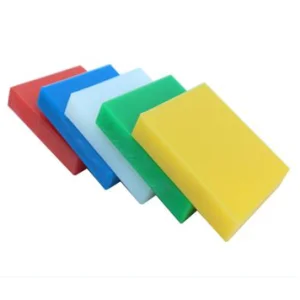
Polyamide PA6 PA66 PP UHMWPE PTFE HDPE ABS Sheet Rod & Bar
Explore Specifications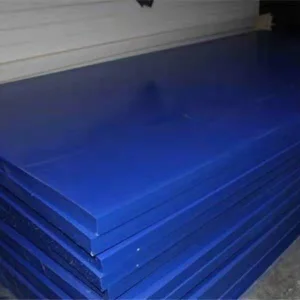
Factory Direct Sales MC Nylon PA6 Sheet / Polyamide Plate
Explore Specifications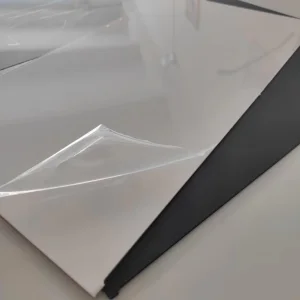
Smooth ABS Engineering Plastic Sheet for Industrial & OEM Enclosures
Explore Specifications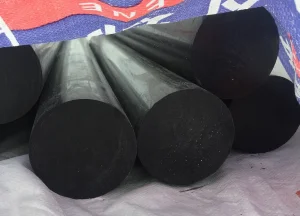
Wholesale Polyacetal POM Rod: Black, White & Acetal Round Bars
Explore Specifications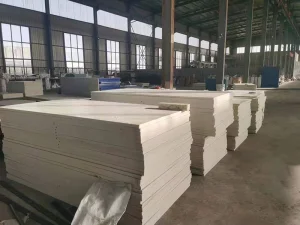
Custom Color & Dimension Polyamide PA6 PA66 HDPE ABS Plastic Sheet
Explore Specifications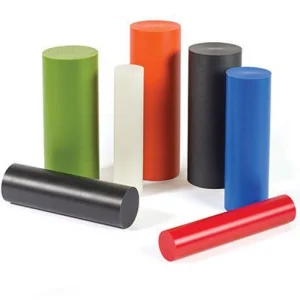
Cast Board PA6 Polyamide Nylon ABS PP PTFE Round Rod & Hollow Tube
Explore Specifications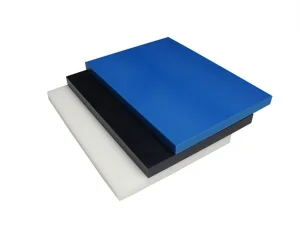
Natural, Black & Blue MC Nylon Plate / Heavy Wear Sheet Exporter
Explore Specifications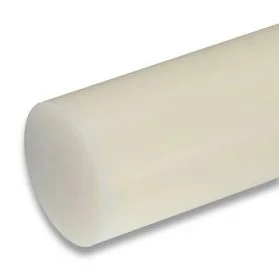
Polyamide Natural MC Cast Nylon PA6 Rod & Solid Round Bar OEM
Explore SpecificationsRequest Factory-Direct Price Quotation & Technical Dossier
Connect directly with our engineering sales desk for mill test certificates (EN 10204 3.1), full polymer spec sheets, volume tier pricing, and maritime freight scheduling.