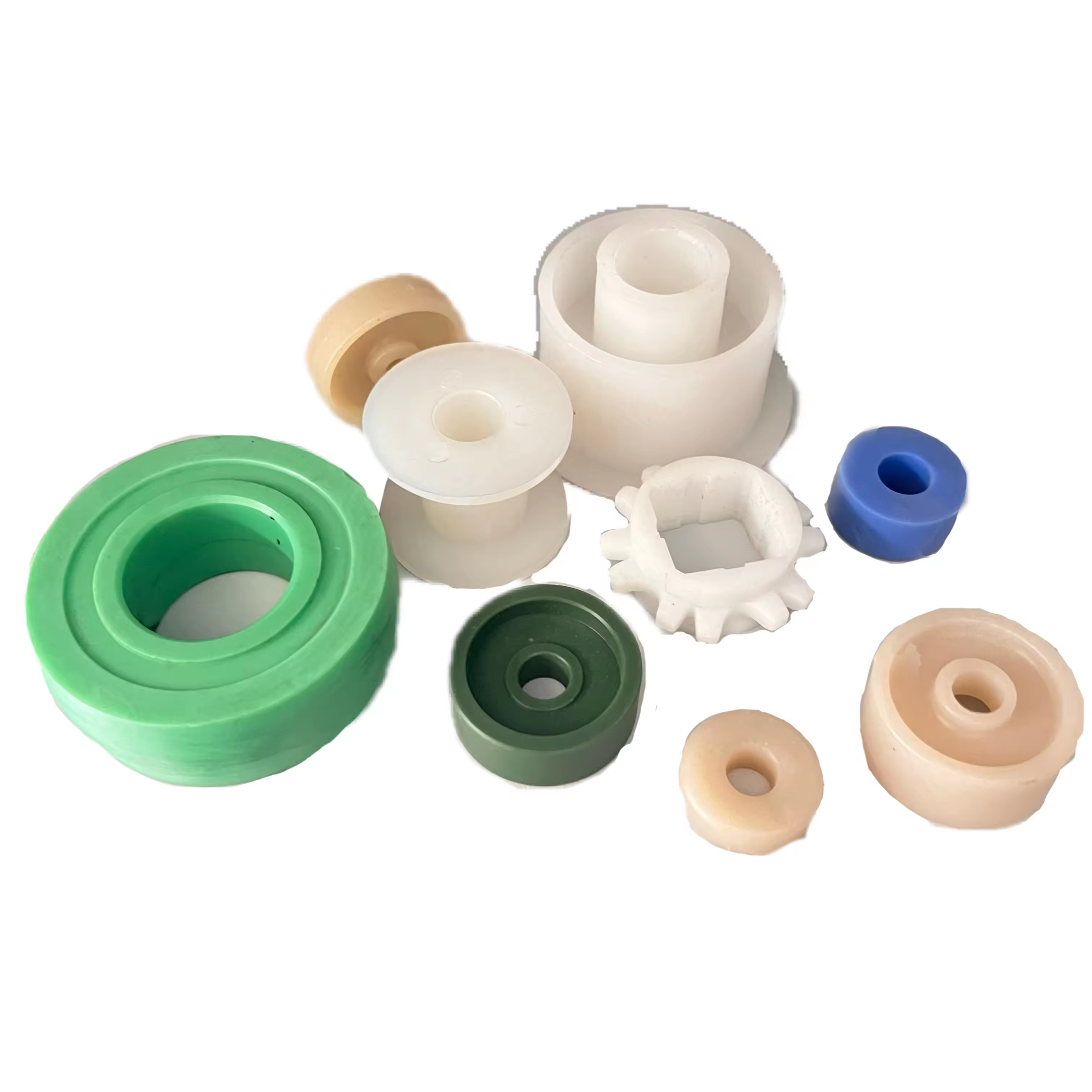
Featured Stock Shapes, Semi-Finished Polymers & Precision Components
Explore factory-direct stock forms and precision CNC machining components manufactured to exacting industrial specifications under ISO 9001 certified production lines.

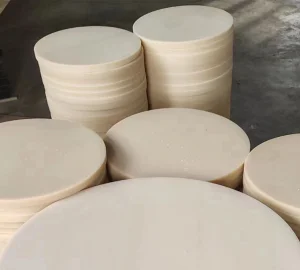
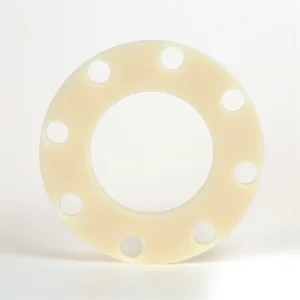
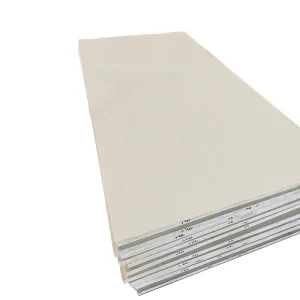
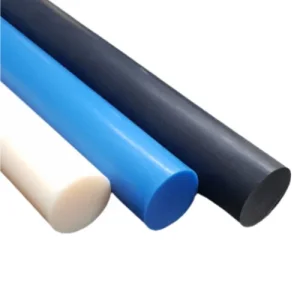

Micro-Extrusion Engineering: The 3mm Nylon Rod Technical Deep Dive
In high-precision sub-miniature manufacturing, a 3mm nylon rod represents the critical convergence between polymer rheology, crystalline orientation, and tight-tolerance Swiss machining viability.
PA6 vs. PA66 Molecular Dynamics
Extruded 3mm polyamide rods are predominantly formulated in Polyamide 6 (Polycaprolactam) or Polyamide 66 (Polyhexamethylene adipamide). While PA6 provides superior surface finish, enhanced impact absorption at cryogenic temperatures, and higher strain tolerance, PA66 delivers a denser crystalline matrix, resulting in a higher melting threshold (260°C vs. 220°C) and lower creep modulus under sustained mechanical loads.
Centerless Grinding & Ovality
Direct extrusion of micro-diameter polymer bars introduces cross-sectional cooling gradients that can induce ovality. Industrial-grade wholesale 3mm nylon rods undergo post-extrusion continuous centerless grinding to hold diametrical roundness within ±0.015mm, critical for preventing feed jams in high-speed automatic bar feeders on Swiss-type CNC screw machines.
Equilibrium Moisture Conditioning
Because aliphatic polyamides possess polar amide groups (-CO-NH-), a dry-as-molded 3mm nylon rod exhibits high rigidity but lower elongation. Controlled conditioning to equilibrium moisture content (2.5% to 3.0% by weight at 23°C / 50% RH) transforms the rod into a self-damping, fracture-resistant structural element capable of severe cyclical shock loading.
Macro Industry Solutions Powered by 3mm Nylon Rods
From sub-millimeter galvanic insulation to micro-fluidic actuation, discover how global industries replace corrosive metallic pins, heavy brass spacers, and brittle ceramics with micro-diameter nylon.
Electronics & Semi-Con
Employed as non-conductive standoffs, PCB alignment dowels, and spark-suppressing push-pins in high-voltage transformer chassis. Dielectric breakdown ratings exceed 20 kV/mm, isolating sensitive micro-components.
Medical Instrumentation
Used as non-magnetic push rods and endoscopic guidance cores. Biocompatible USP Class VI compliance and resistance to ethylene oxide (EtO) sterilization enable reliable sub-assembly functioning.
Automotive & EV Packs
Fabricated into anti-rattle latch pivot pins, battery pack module spacers, and fuel level sensor guides resistant to aliphatic hydrocarbons, transmission lubricants, and diesel exhaust fluids.
Aerospace Avionics
Weighing only 1.14 g/cm³ (compared to 8.5 g/cm³ for brass and 7.9 g/cm³ for stainless steel), micro-diameter nylon rods provide a 7:1 weight saving in avionics harness tie-downs and flight deck micro-switch cams.
Material Comparison Matrix: Micro-Diameter Polymer Rods
Examine how virgin extruded 3mm Polyamide compares against competing micro-stock thermoplastics in mechanical, electrical, and thermal properties.
| Property Parameter (ASTM Standard) | Extruded Nylon 6 (PA6) | Extruded Nylon 66 (PA66) | POM-C (Acetal Copolymer) | PEEK (Polyetheretherketone) | PTFE (Virgin Teflon) |
|---|---|---|---|---|---|
| Nominal Density (ASTM D792) | 1.14 g/cm³ | 1.15 g/cm³ | 1.41 g/cm³ | 1.32 g/cm³ | 2.16 g/cm³ |
| Tensile Strength at Yield (ASTM D638) | 78 - 82 MPa | 85 - 90 MPa | 65 - 70 MPa | 98 - 110 MPa | 22 - 32 MPa |
| Flexural Modulus (ASTM D790) | 2.8 GPa | 3.1 GPa | 2.9 GPa | 4.1 GPa | 0.5 GPa |
| Elongation at Break (ASTM D638) | 60% - 90% | 40% - 60% | 25% - 40% | 30% - 45% | 250% - 350% |
| Continuous Service Temp (Upper Limit) | 90°C (194°F) | 105°C (221°F) | 100°C (212°F) | 250°C (482°F) | 260°C (500°F) |
| Water Absorption, 24 hr Sat. (ASTM D570) | 1.6% - 1.8% | 1.2% - 1.4% | 0.22% | 0.10% | < 0.01% |
| Dynamic Coeff. of Friction (vs. Steel) | 0.25 - 0.35 | 0.28 - 0.38 | 0.20 - 0.25 | 0.30 - 0.38 | 0.08 - 0.10 |
| Dielectric Strength (Short time, 1mm) | 22 kV/mm | 25 kV/mm | 20 kV/mm | 20 kV/mm | 60 kV/mm |
Global Sourcing Dynamics: Wholesale 3mm Nylon Bar Supply
Navigating feedstock supply, geopolitical trade flows, container logistics, and Total Cost of Ownership (TCO) in B2B engineering plastic procurement.
Feedstock Price Transmission
The landed pricing of 3mm nylon rod is closely linked to upstream petrochemical markets—specifically benzene, cyclohexane, and caprolactam monomer indices. Working directly with integrated Asian polymer manufacturing hubs protects buyers from speculative third-party distributor surcharges and yields a direct pricing mechanism based on pure resin tonnage plus processing energy.
Packaging Architecture: Straight vs. Coiled
A distinct logistical advantage of 3mm diameter nylon compared to thicker bars (>10mm) is packaging versatility. It can be supplied as precision 1000mm / 2000mm straight ground rods packed in heavy-duty PVC tubes to avoid bowing, or continuous 100-meter coiled reels that dramatically reduce ocean freight volume and facilitate automated payoff feed systems.
Nearshoring vs. Hebei Industrial Clusters
While Western service centers provide low-MOQ inventory, their unit price per linear meter reflects high domestic labor and handling overhead. Partnering with northern China's dedicated engineering plastic clusters (such as Xinhe, Xingtai) provides deep capacity: continuous multi-line extrusion, immediate mold-tool adjustments, and batch consistency on multi-ton wholesale shipments.
Quality Assurance, Metrology & Global Compliance Framework
Eliminating internal voiding, surface scoring, and chemical contamination through certified manufacturing protocols and digital continuous inspection.
In-Line Dual-Axis Laser Micrometry
During the horizontal water-quench extrusion process, our lines feature continuous laser scanning running at 1000 Hz. The device calculates diametrical variation and pitch deviations in real time. If a batch drifts past ±0.03mm, automatic puller motor feedback compensates instantly, maintaining strict outer diameter tolerances.
Global Statutory & Environmental Verification
Every wholesale production run ships with standard Mill Test Reports (MTR) confirming polymer origin, thermal stress relieving status (vacuum annealing at 160°C to prevent residual stress warping), and verification against global industrial and consumer direct-contact directives.
Precision Swiss Machining & High-Yield Turning of 3mm Rods
Practical machine-shop guidance to prevent melting, burr formation, and material deflection during high-speed production runs.
Spindle Speeds & Feed Dynamics
Because small-diameter nylon bends under radial tool pressure, use a carbide guide bushing on Swiss lathes. Maintain surface cutting speeds (SFM) between 250 and 500 ft/min. High spindle RPM (6,000–10,000 RPM) coupled with moderate feed rates (0.02 to 0.08 mm/rev) helps prevent localized thermal buildup that causes tool gumming.
Tooling Geometry & Rakes
Use polished, uncoated micro-grain tungsten carbide inserts designed for aluminum or non-ferrous plastics. Tools should have positive rake angles (10° to 15°) and sharp cutting edges with zero hone. Generous clearance angles (12° to 18°) keep the rod surface from rubbing against the tool flank, eliminating burrs on micro-cutoffs.
Coolant Delivery Architecture
Flooding the cut with water-soluble, oil-free synthetic coolants or using a filtered cold-air vortex gun helps clear chips instantly. Avoid sulfur- or chlorinated-cutting oils, as they can accelerate surface swelling, stain the natural polyamide, and interfere with ultrasonic cleaning in medical and electronics finishing.
Technology Roadmap: High-Performance Micro-Nylon Development
Addressing modern manufacturing needs through nano-composite compounding, solid self-lubricating fills, and renewable bio-polyamide feedstocks.
Internal Solid Lubricants
Compounding micro-scale MoS2 (molybdenum disulfide) and specialized PTFE powders directly into 3mm extruded filaments to reduce the dynamic friction coefficient below 0.18 for unlubricated miniature gear pinions.
Carbon Nanotube (CNT) Dissipation
Integrating multi-walled carbon nanotubes (MWCNTs) to achieve controlled surface resistivity (10^6 to 10^9 ohms/sq) without reducing the mechanical flexibility of the 3mm rod in cleanroom semiconductor handling.
PA46 & Polyphthalamide (PPA)
Scaling high-heat, high-melting semi-aromatic nylon extrusions capable of enduring continuous 150°C service profiles and withstanding lead-free electronic wave-soldering temperatures.
Bio-Based PA610 / PA1010
Commercializing 100% sebacic acid castor-oil derived bio-polyamide micro-rods, lowering supply-chain carbon intensity while reducing equilibrium moisture uptake by more than 70% compared to standard PA6.
Engineering & Wholesale Procurement Clarifications
Clear, data-backed answers addressing the practical, technical, and logistical questions raised by design engineers and procurement teams.
Standard unground extruded 3mm nylon rod typically holds an outer diameter tolerance of ±0.05 mm to ±0.08 mm. However, for precision Swiss screw machining, our factory provides precision centerless-ground rods holding a tight diametrical tolerance of ±0.02 mm (ISO h8 to h9 equivalent), with an ovality deviation below 0.015 mm.
Polyamide 6 (PA6) absorbs approximately 2.5% to 3.0% moisture at 50% relative humidity, resulting in a dimensional expansion of roughly 0.2% to 0.3% per 1% of absorbed water. For a 3.00 mm diameter rod, this corresponds to a potential diametrical expansion of approximately 0.015 mm to 0.025 mm. If dimensional stability in wet environments is paramount, we recommend choosing POM-C (Acetal) or a bio-based PA12.
Yes. When conditioned to normal room humidity (23°C, 50% RH), natural unreinforced extruded nylon 6 has high tensile elongation (above 60%) and can be cold-bent around a mandrel down to a minimum bend radius of roughly 5 to 6 times its diameter (R15–R18mm). For sharper bends, thermoforming in hot oil or with warm air at 120°C–140°C followed by fixture-cooling will set permanent geometries without inducing micro-stress crazing.
Our standard minimum order quantity for factory-direct wholesale runs of 3mm nylon rod is typically 100 kg to 300 kg depending on the polymer grade (PA6 natural vs. specialized PA66 or black heat-stabilized). Rods are cut to 1000mm or 2000mm lengths, bundled in moisture-barrier PE wraps, and packed in reinforced export-grade wooden crates or thick-wall fiber tubes to prevent bending in transit.
POM-C is significantly easier to machine cleanly, produces short crystalline chips rather than continuous stringy ribbons, and absorbs practically zero ambient humidity (0.22%), making it preferable for tight-tolerance gears. However, nylon offers much higher mechanical impact strength, better wear life against abrasive particles, and higher damping capacity under cyclical shock loads.
Yes. We regularly formulate and extrude custom polymer batches. Common modifications for 3mm rod include carbon-black UV stabilization for prolonged outdoor exposure, customized RAL/Pantone masterbatch coloring for electrical identification, and internal lubricant additions (silicone/PTFE). Note that 15%–30% glass-fiber fills increase stiffness, but also reduce tool life during turning.
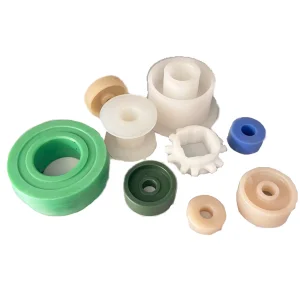
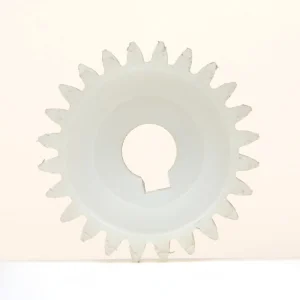
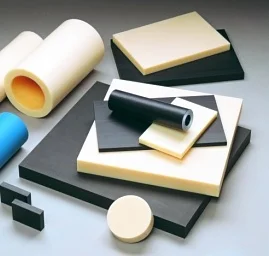
Industrial Shapes, Fasteners, Gears & Machined Stock
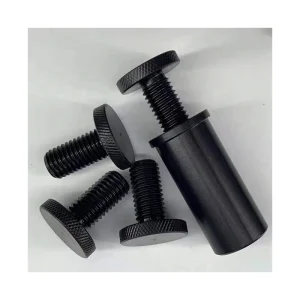
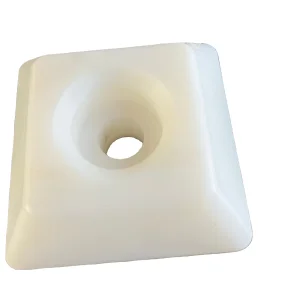
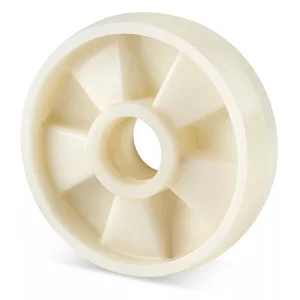
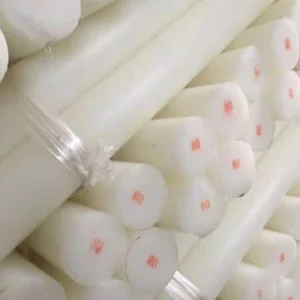
Complete your bill-of-materials with factory-direct supply lines encompassing precision-turned fasteners, extruded plate, heavy rollers, and wear pads.
Submit Your 3mm Nylon Rod Specification or Part Drawing
Our material engineers evaluate your requirements—including compound selection (virgin PA6, PA66, or graphite-filled), diametrical tolerances, centerless grinding, cut-to-length needs, and bulk ocean logistics. Receive a complete DFM report and price breakdown within 12 business hours.