
Standard & Semi-Finished Engineering Polymers
Explore high-volume industrial inventory engineered to rigorous European and North American mechanical specifications.
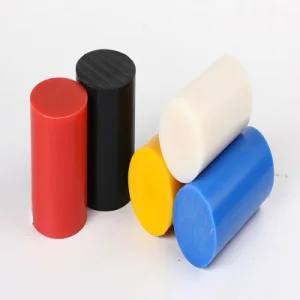
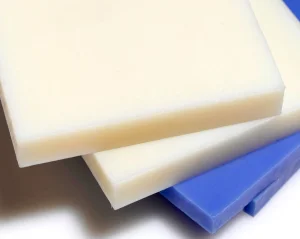
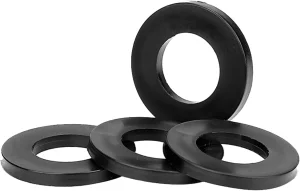
Discount Impact Blue White Black Color Nylon Ring Cushion Use For Impact Hammer For Piling Machine Suppliers, Exporters
View Specifications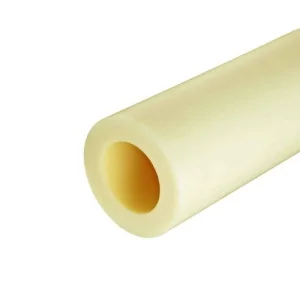
High-Quality Nylon Rod, Nylon Tube, PP Tube, ABS Tube, Plastic Tube, PP Rod Supplier, Factory
View Specifications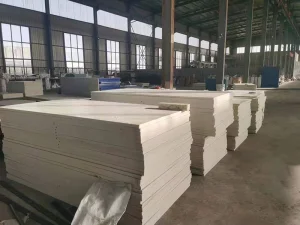
OEM Polyamide PA6 PA66 Nylon PP UHMWPE PTFE HDPE ABS Plastic Sheet Factory Customized Color With Size
View Specifications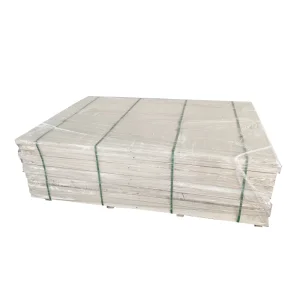
High-Quality China Engineering Plastic PA6 PA66 Nylon PP UHMWPE PTFE HDPE ABS Sheet Tube Rod Bar
View Specifications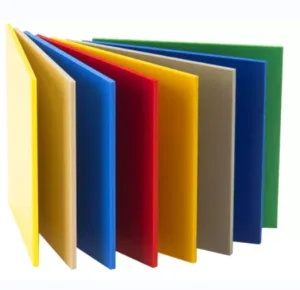
OEM Engineering Plastic PA6 PA66 Nylon PP UHMWPE PTFE HDPE ABS Sheet Rod Bar Customized Color
View Specifications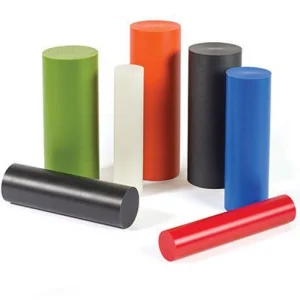
Buy Engineering Plastic Cast Board PA6 Nylon ABS PP PTFE Plastic Rod Bar Tube Customized Color
View SpecificationsGlobal Commercial & Industrial Landscape of UHMWPE Boards
An empirical study into molecular weight distribution, sliding mechanics, and cross-industry substitution of traditional alloys in severe operating environments.
Ultra-High Molecular Weight Polyethylene (UHMWPE) represents the pinnacle of linear polyolefin chemistry. Unlike standard high-density polyethylene (HDPE), which possesses an average molecular mass between 300,000 and 500,000 g/mol, medical and industrial-grade UHMWPE polymer chains contain between 3.5 million and 9.2 million grams per mole. This substantial chain entanglement significantly suppresses melt index fluidity (approaching near-zero melt flow under standard ASTM D1238 test regimes) and translates into extreme resistance against abrasive wear, micro-cracking, and cyclic fatigue.
In today's heavy processing industries—spanning metallurgical extraction, maritime infrastructure, automated bottling channels, and bulk solid material management—tribological degradation causes billions of dollars in recurring downtime. Traditional Manganese steel plates, chromium carbide overlays, and cast basalt slabs exhibit premature wear when handling slurry containing quartz, limestone, or fine coal tailings. UHMWPE board has evolved from a simple lining substitute into a standardized engineering material that systematically lowers friction co-efficients down to µ = 0.08–0.12 (dry sliding against polished structural steel), effectively eliminating catastrophic material caking, arching, and mechanical hang-ups.
According to standardized Sand-Slurry Testing (ISO 15527 method B), UHMWPE boards featuring molecular weights in excess of 5.0 million g/mol exhibit an abrasion index that is up to 6 to 8 times higher than standard Carbon Steel (St 37) and over 4 times higher than Polyamide 6 (Cast PA6). The mechanism is rooted in viscoelastic chain deformation: during the micro-plowing phase when abrasive mineral particles drag across the board's surface, the entangled polymer strands deform elastomeric-style rather than shearing off brittle fragments.
| Property Matrix (Standard Test) | UHMWPE Premium Grade (5.0M+) | MC Cast Nylon (PA6C) | POM-C (Acetal Copolymer) | High-Density PE (HDPE 500) |
|---|---|---|---|---|
| Average Molecular Mass (g/mol) | 5.0 – 9.2 × 10&sup6; | ~35,000 – 45,000 | ~30,000 – 35,000 | ~300,000 – 500,000 |
| Sand-Slurry Wear Index (ISO 15527) | 100 (Baseline) | 350 (Higher = Faster Wear) | 520 | 380 |
| Dynamic Coeff. of Friction (Dry on Steel) | 0.10 – 0.12 | 0.30 – 0.38 | 0.25 – 0.32 | 0.20 – 0.28 |
| Izod Notched Impact Strength (kJ/m²) | No Break (>140 kJ/m²) | 5 – 9 | 6 – 8 | 12 – 18 |
| Moisture Absorption (23°C, 50% RH) | < 0.01% | 2.2% – 2.8% (Dimensional Shift) | 0.20% | < 0.01% |
| Cryogenic Working Threshold (°C) | -260°C (No Brittle Transition) | -40°C | -50°C | -100°C |
China OEM Manufacturing Efficiency & Infrastructure
How upstream resin vertical integration, large-format hydraulic compression presses, and continuous sintering automation create undeniable B2B advantages.
Massive Hydraulic Multi-Daylight Presses
Operating continuous multi-daylight sintering presses up to 10,000 tons capacity. Our facilities cast single monolithic boards measuring up to 6,000 mm in length and 2,000 mm in width, with thickness capabilities extending from 6 mm to over 200 mm without thermal void formation or stress pockets.
Direct Upstream Monomer Sourcing
Integrated direct agreements with petrochemical polyolefin polymerizers provide stabilized ultra-high molecular mass powders with precise intrinsic viscosity (IV) guarantees. Zero reliance on intermediate distributors protects procurement margins, yielding 25%–35% cost reductions for global distributors.
High-Speed 5-Axis CNC Precision Fabrication
Beyond raw sheet extrusion and pressing, our in-house CNC milling battery executes complex counterbores, weld preparation bevels, interlocking dovetail edges, and high-tolerance chain guide profiles directly from client CAD/STEP files with tolerances held to ±0.05 mm.
Annealing & Residual Stress Normalization
Internal residual shear stresses resulting from hydraulic press cooling cycles are relieved through dedicated computer-monitored post-annealing thermal ovens. This guarantees that deep-milled UHMWPE boards remain laser-flat during high-speed CNC routing and mechanical installation.
Demanding Mission-Critical Applications
How engineering polymer sheets resolve catastrophic wear, material plugging, marine abrasion, and hygienic compliance hurdles worldwide.
Port Marine Fender Face Pads
Harbor terminal berthing faces endure cyclic compression, saltwater immersion, and severe shear from vessel hull friction. UV-stabilized UHMWPE marine pads protect concrete wharves, reduce mooring stresses, withstand tropical and arctic tides, and resist barnacle adhesion without environmental leach.
Bulk Storage Chutes & Hopper Liners
Handling fly ash, sub-bituminous coal, copper ore concentrates, and wet clay leads to rat-holing and bridging in steel hoppers. UHMWPE liners offer a super-slick zero-absorption boundary, allowing rapid gravity-driven mass flow down to hopper angles of only 15°–20°, eliminating costly bin vibrators.
FDA / USDA Compliant Food Conveying
Beverage packaging lines, poultry processing conveyor guides, and modular track curves require low-noise operation, resistance to harsh caustic clean-in-place (CIP) washdowns, and zero chemical toxicity. Virgin white UHMWPE boards fulfill strict FDA 21 CFR 177.1520 sanitary standards.
Cryogenic Tank Insulation & Supports
In liquefied natural gas (LNG) carrier vessels and cryogenic transfer pipelines operating down to -162°C, metallic components suffer extreme brittle transitions. Specially formulated virgin UHMWPE preserves superior yield strength, thermal non-conductivity, and impact dampening without shatter risk.
Heavy Machinery Outrigger Crane Pads
Mobile hydraulic cranes, utility boom trucks, and drilling rigs operate on asphalt, wet turf, or unstable gravel. Engineered UHMWPE pads distribute multi-ton concentrated ground reaction loads over expanded footprints without splintering, cracking, or waterlogging like traditional timber blocking.
Radiation Shielding & Nuclear Enclosures
Due to its exceptionally high atomic density of hydrogen atoms per unit volume, Boron-compounded UHMWPE boards (typically 5% Boron by weight) are globally procured for medical linear accelerator rooms, nuclear power plant partitions, and naval reactor containment doors for neutron thermalization.
Industry Trends & Next-Generation Material Science
Emerging additive technologies shaping smart polymer applications in explosive ATEX zones, mining automation, and sustainable operations.
Anti-Static (ESD) & Conductive Grades
In underground coal mines and chemical flour handling facilities, polymer surface friction easily generates static charges above 20 kV, risking dust explosions. Modern carbon-nanotube (CNT) and refined conductive carbon black compounding drops surface resistivity down to 10&sup5; ≤ Rs ≤ 10&sup9; Ω, meeting international ATEX certifications.
Ceramic-Reinforced Nano-Composites
By compounding sub-micron glass beads or silane-treated aluminum oxide particles into high-MW resin matrices, manufacturers create hybrid wear boards capable of resisting aggressive sharp quartzite rock abrasion while preserving non-stick release characteristics.
Internal Solid-Lubricant Crosslinking
Incorporating liquid silicone oils, MoS2, or crosslinked wax dispersions creates true dry-running, maintenance-free sliding surfaces. Dynamic coefficients drop below µ = 0.06, providing quiet high-velocity conveyor performance without requiring external oiling that contaminates packaged food items.
Closed-Loop Reprocessed Eco-Grades
With corporate ESG initiatives demanding sustainable plastic footprints, advanced recycling routes recover pure clean manufacturing skivings, transforming them into high-performance sintered Regenerated Black UHMWPE boards, offering high durability at reduced cost for scrap chute and soil-plow linings.
Global B2B Sourcing & Quality Control Protocols
Essential technical checkpoints and QA procedures for supply chain managers specifying UHMWPE boards to ensure zero adulteration with cheap recycled waxes.
A persistent challenge confronting engineering plastic procurement officers is verifying raw material purity. Because virgin UHMWPE powder commands a significant market premium over low-grade recycled HDPE or low-molecular processing aids, low-tier manufacturers sometimes blend inferior polyethylene regrind. These adulterated sheets look identical to the naked eye but catastrophically fail via brittle fracturing when subjected to sub-zero shock or heavy abrasion.
1. Intrinsic Viscosity (IV) & Dilute Solution Testing (ISO 1628-3): High molecular mass polyethylenes cannot be measured via conventional melt flow indexing (MFI < 0.01 g/10min). Laboratories dissolve samples in decahydronaphthalene (decalin) at 135°C. True virgin UHMWPE must produce IV figures exceeding 1,500 ml/g (correlating to molecular weights ≥ 3.5 × 10&sup6; g/mol).
2. Double-Notched Tensile Impact Testing (ISO 11542-2): Unlike conventional polyethylenes, true high-grade UHMWPE possesses extreme notch toughness. Double 14° V-notched specimens must endure minimal energy absorption levels ranging from 80 kJ/m² (reprocessed) to >130 kJ/m² (virgin 5.0M grade) without brittle separation.
3. Continuous Ultrasonic Non-Destructive Testing (NDT): Compression-molded boards with thicknesses greater than 40 mm must undergo high-frequency ultrasound scanning to detect sub-surface micro-voids, porosity, or cold-weld boundaries caused by non-uniform hydraulic thermal cycles.
4. Controlled CNC Machining & Expansion Gap Engineering: UHMWPE possesses a thermal expansion coefficient of approximately 1.5 × 10&sup-4 / K (around 10 times higher than structural steel). For heavy chute lining, our engineering department calculates slotted hole dimensions and step-bushed mounting profiles to allow free thermal movement without board buckling.
Frequently Asked Questions by Industrial Buyers
Clear, authoritative technical answers addressing tolerances, fastening techniques, chemical resistance, and logistics protocols.
What is the practical difference between Virgin UHMWPE and Regenerated / Reprocessed UHMWPE?
Virgin UHMWPE is manufactured entirely from pristine, unpolymerized synthetic resins without additives or regrind. It delivers peak tensile impact resistance (>130 kJ/m²), complete non-porous biocompatibility, and fully complies with FDA/USDA food-contact regulations. Regenerated UHMWPE incorporates clean, sorted production scrap blended with virgin powder (typically black or green); while retaining roughly 80%–85% of virgin sliding lubricity, its impact strength drops to around 70–90 kJ/m², making it ideal for non-food bulk chutes and truck liners where material cost savings are paramount.
Why choose UHMWPE board over Cast Nylon (PA6) or POM for sliding wear plates?
UHMWPE is chosen whenever extreme abrasion against wet or fine minerals is involved, or where zero moisture absorption is critical. Polyamide 6 (PA6) absorbs between 2.5% and 8% atmospheric water, causing swelling and losing dimensional stability in moist environments. Furthermore, UHMWPE offers substantially lower dynamic friction (µ ≈ 0.10 vs PA6 ≈ 0.35) and far superior release characteristics against sticky fines. POM is superior for rigid, load-bearing precision gears and mechanical parts requiring stiff tolerances, whereas UHMWPE excels in high-impact sliding, chute protection, and self-lubricating wear strips.
What fastening methods are recommended for attaching UHMWPE boards to steel substrates?
Because UHMWPE has a low surface energy, standard chemical adhesives cannot establish structural bonds without specialized plasma, corona, or chemical etching treatments. The industry standard utilizes mechanical fastening: countersunk stainless steel or galvanized elevator bolts with welded threaded studs on the substrate, or pre-engineered steel-insert step-bushings. Fastener holes must be drilled slightly oversized or slotted along the material flow direction to accommodate thermal expansion and contraction cycles.
What standard sheet sizes, thicknesses, and colors can our factory provide?
Our standard sintered board formats include 2000 × 1000 mm, 3000 × 1500 mm, 3050 × 1220 mm (4 × 8 ft and 10 × 5 ft imperial standards), and continuous skived roll lengths up to 6000 × 2000 mm. Thickness ranges from 3 mm to 200 mm. Standard stocked colors comprise Natural White, Jet Black (conductive or UV stabilized), Marine Harbor Green, Royal Blue, and Signal Yellow. Custom masterbatch formulations matching corporate RAL palettes are manufactured upon request.
How does our Hebei, China factory ensure export-safe packing for long sea voyages?
Standard export protocol includes multi-layer protective PE film masking on both board surfaces to eliminate scratching, fumigated solid-timber or heavy steel-pallet framing, full corner-edge edge protectors, and high-tensile PET strapping. Every pallet load is wrapped with waterproof shrink-film and loaded with industrial silica desiccants to mitigate condensation and container rain during trans-oceanic shipping across tropical routes.
Heavy-Duty Semi-Finished Stock & Machined Stock
Comprehensive industrial rods, cast wear bars, and precision-turned polyamides available for OEM production runs.
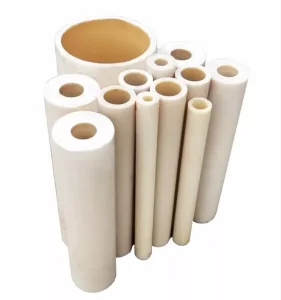
China Engineering Plastic Cast Board PA6 Polyamide Nylon ABS PP Plastic Tube Rod Bar
View Specifications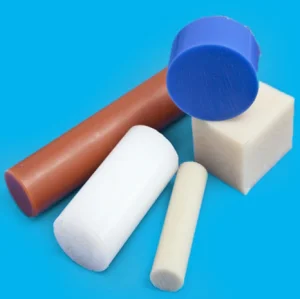
Famous Engineering Plastic Polyamide PA6 PA66 Nylon PP UHMWPE PTFE HDPE ABS Plastic Rod Bar
View Specifications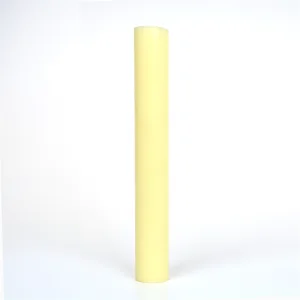
High Quality PP Rod, Polypropylene Rod, Plastic Rod With White, Grey, Green Color
View Specifications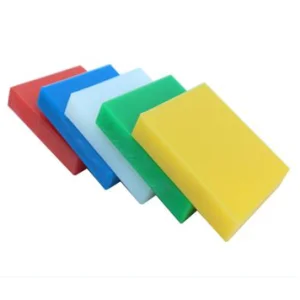
China Engineering Plastic PA6 PA66 Nylon PP UHMWPE PTFE HDPE ABS Plastic Sheet Rod Bar
View Specifications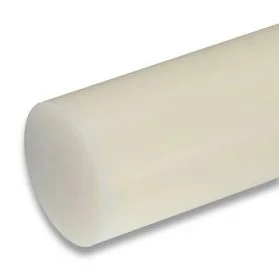
OEM Natural MC Cast Nylon PA6 Rod Round Bar POM PP UHMWPE PTFE HDPE ABS Plastic Rod Bar
View Specifications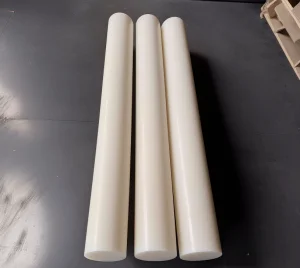
Cheap ODM OEM Engineering Plastic Cast PA6 Polyamide Nylon Tube Rod Bar Customized Color
View Specifications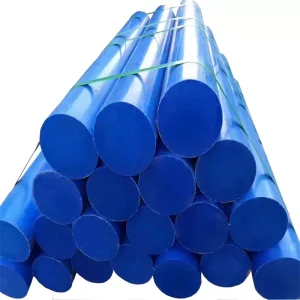
Accelerate Your UHMWPE Board Supply Chain
Submit your application parameters, 2D/3D component drawings (DWG, DXF, STEP, or PDF), target molecular weight, and volume projections. Our polymer engineers evaluate wear environments, provide full factory-direct quotes, and prepare verification test samples within 24–48 hours.