
High-Performance Engineering Stock & Semi-Finished Conduits
Direct supply from Hebei production base: precision-extruded and cast structural tubes, rods, and impact-resistant elastomeric components ready for global OEM assembly.
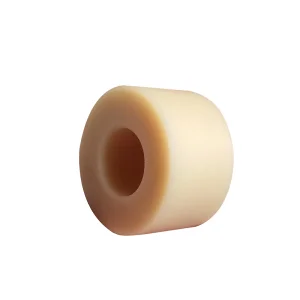
Factory Engineering ABS, Nylon, PP Tube & PTFE Stock
Cheap China Factory Engineering ABS,Nylon PP Plastic Tube, Plastic Tube ,POM Rod, PTFE Rod,PP Tube,PP Rod,ABS Rod,Nylon Rod Manufacturer, Product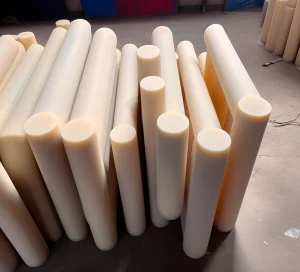
High-Density Cast MC Nylon Rods for Industrial Turning
High-Quality MC Nylon Rod Manufacturer, Exporter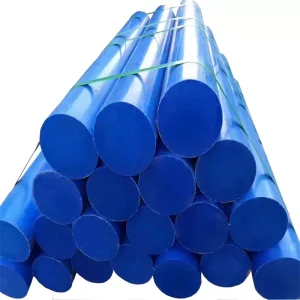
Wholesale PA66, MC Cast Nylon, PP, PE & HDPE Round Bars
Wholesale China MC Cast Nylon PA66 Plastic PP PE HDPE ABS Round Rod And Bar Supplier, Product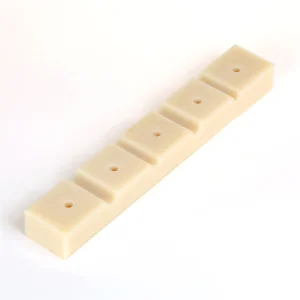
Heavy Wear Nylon Drag Chains & Abrasion Damping Pads
Wholesale Nylon Chain,Plastic Chain, Plastic Pad,Nylon Pad Manufacturer, Products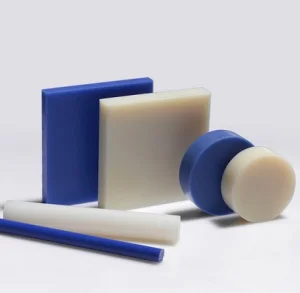
Discount Polyamide PA6 PA66, UHMWPE & PTFE Solid Stock
Discount China Engineering Plastic Polyamide PA6 PA66 Nylon PP UHMWPE PTFE HDPE ABS Plastic Sheet And Rod And Bar Suppliers, Company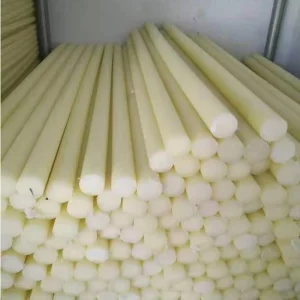
Custom Sized & Tinted OEM Cast PA6 Polyamide Rods
Discount ODM OEM Engineering Plastic Cast PA6 Polyamide Nylon ABS PP PTFE Plastic Rod And Bar Customized Color With Size Manufacturers, Suppliers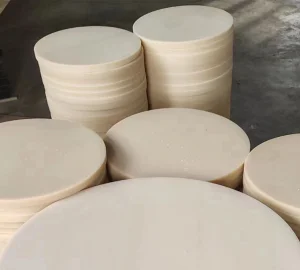
High Elastic Resilient Impact Damping Cushion Blocks
Discount Impact Cushion Use For Impact Hammer For Piling Machine Suppliers, Exporters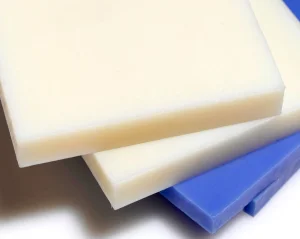
OEM Blue & Natural Virgin Nylon Wear Plates / Sheets
OEM Natural Nylon Plate/Sheet, Blue Nylon Plate/Sheet Factories, CompaniesThe Paradigm Shift in Industrial Fluid Transfer & Flexible Rubber Piping
Across chemical processing plants, deep mining operations, subsea dredging, and industrial robotics, modern conveyance infrastructure has moved rapidly away from unyielding, corrosion-prone metallic conduits toward hybrid vulcanized elastomeric rubber piping systems and engineered polymer linings.
Severe Wear & Slurry Transport
Unvulcanized and reinforced synthetic elastomers dissipate kinetic slurry impact exponentially better than mild steel or ductile iron. When coupled with ultra-smooth inner bores made of polyamides (MC Nylon) or UHMWPE, OEM rubber piping absorbs aggregate shock, eradicates particulate scaling, and prevents localized cavitation wear in hydraulic circuits.
Vibration Isolation & Pump Decoupling
High-capacity centrifugal pumps, slurry sumps, and reciprocal compressors generate intense harmonic resonance. Specialized elastomeric piping acts as a continuous mechanical shock dampener, isolating heavy machinery foundations, dampening acoustic transmission, and accommodating thermal expansion offsets without costly expansion bellows.
Chemical & Electrochemical Immunity
Unlike steel piping, vulcanized synthetic polymers such as EPDM, Nitrile (NBR), and fluoropolymer-lined elastomeric composite pipes do not experience stray-current galvanic corrosion, microbial-induced degradation (MIC), or pitting from acidic runoff, drastically reducing maintenance downtime in corrosive mine leaching and wastewater plants.
Global Enterprise Sourcing: Mitigating Risk in OEM Polymer & Piping Supply
Purchasing directors, EPC contractors, and mechanical system integrators face severe operational vulnerabilities when dealing with fragmented OEM rubber pipe suppliers. Our integrated manufacturing model solves core supply chain pain points.
Procurement Vulnerability: Compound Inconsistency & Accelerated Aging
A recurring failure mechanism in industrial elastomeric piping is polymer degradation due to recycled fillers or unstable vulcanization curatives. Low-grade EPDM and NBR hoses harden, micro-crack, and delaminate within months under outdoor UV or elevated temperature cycling. SHUNDA's Solution: 100% virgin compounding, calibrated Mooney viscosity testing, and heat-aging compliance according to ASTM D573 guarantees that physical properties remain stable under extreme continuous exposure.
Procurement Vulnerability: Dimensional Ovality & Flange Separation
Flexible piping subjected to dynamic surge pressures regularly fails at the fitting boundary when dimensional ovality exceeds tight tolerances or when fabric/steel reinforcement plies separate from the core tube. SHUNDA's Solution: Precision continuous extrusion and mandrel vulcanization, paired with precision CNC-machined acetal/POM, nylon, or stainless coupling collars that guarantee leak-free seal compression under severe dynamic fluid hammering.
Elastomer & Polymer Piping Engineering Comparison Matrix
Use this empirical reference table developed by our material scientists to specify optimal tubing materials based on operating pressure, thermal profile, and medium abrasiveness.
| Polymer / Elastomer Base | Working Temperature | Abrasion Resistance (DIN 53516) | Chemical & Acid Resistance | Recommended Industrial Context |
|---|---|---|---|---|
| EPDM Synthetic Rubber | -40°C to +135°C | Moderate (120 mm³) | Exceptional in polar fluids, alkalis & steam | Industrial cooling circuits, acid transfer lines, HVAC headers |
| Nitrile (NBR) Blend | -30°C to +110°C | High (95 mm³) | Superior against fuels, crude oils, hydrocarbons | Petrochemical transport, hydraulic returns, lube oil piping |
| MC Cast Nylon (PA6 / PA66) | -40°C to +105°C | Outstanding (35 mm³) | High against solvents, greases; inert to organics | Pulp & paper slurry lines, rigid guide tubes, high-wear sleeves |
| UHMWPE Lined Conduit | -100°C to +80°C | Extreme (18 mm³) | Universal chemical inertness; zero adhesion | Aggressive mineral tailings, dredging sand piping, hydro-transport |
| PTFE Lined Elastomeric Hose | -60°C to +230°C | Moderate-Low (Self-lubricating) | Near universal resistance to concentrated acids | Pharmaceutical reactors, high-purity chemical lines, hot acid feed |
Engineered Turnkey Solutions for Mission-Critical Sectors
From heavy mineral processing in South America to automated robotic assembly lines in Germany, SHUNDA designs and manufactures tailored elastomeric piping systems suited to intense operating envelopes.
Mining Tailings & Slurry Transport
Transporting crushed quartz, coal fines, and copper concentrate generates extreme friction that rapidly perforates Schedule 80 steel pipes. Our dual-compound rubber piping integrates high-tensile fabric breaker plies with an abrasion-resistant natural/synthetic rubber liner, providing up to 500% longer operating longevity compared to standard metallic spools.
Automotive & Industrial Powertrain
With electric vehicle (EV) battery cooling circuits demanding micro-bore tolerances, non-conductive dielectric materials, and tight packaging, we supply custom vulcanized EPDM coolant ducts and nylon hollow manifolds. These components meet UL 94-V0 flammability standards and maintain flexible sealing under constant vibrational and thermal shock.
Chemical Processing & Corrosive Scrubbers
Industrial pickling tanks, chlorine handling headers, and fertilizer scrubbers require comprehensive corrosion defense. SHUNDA engineers dual-laminate piping systems featuring internal fluoropolymer or UHMWPE liners reinforced with an elastomeric external jacket, resisting both positive pressure surges and internal vacuum collapse.
Regulatory Compliance, Traceability & Localized Engineering Support
International procurement requires absolute peace of mind. Every meter of rubber piping and custom machined polymer assembly produced at our Hebei facilities undergoes exhaustive testing to guarantee unyielding global compliance.
Hydrostatic Burst & Vacuum Testing
Conducted in accordance with ISO 1402 standards. We enforce a certified 4:1 safety factor (burst pressure relative to maximum operating pressure) across all reinforced rubber piping assemblies. Vacuum collapse tests confirm dimensional retention under full atmospheric negative pressure.
EU RoHS & REACH Compliance
Our compounds are fully certified free from restricted heavy metals, phthalate plasticizers, and SVHCs (Substances of Very High Concern). For sanitary, potable water, or food processing lines, raw materials conform strictly to FDA CFR Title 21 § 177.2600 rubber articles requirements.
Export Protective Packaging & Fast Turnaround
Heavy-duty heat-treated wooden crates, UV-blocking shrink wrap, and end-cap protection ensure tubes, rods, and flexible conduits survive intermodal sea transit without ovality deformation. Our technical English sales engineering desk delivers drawing reviews within 12 hours.
Next-Generation Technology Roadmap: Intelligent, Sustainable Piping
As industries accelerate toward zero-leakage sustainability and automated condition monitoring, SHUNDA's polymer research division is actively developing smart composite piping architectures.
Graphene-Enhanced Elastomer Formulations
Incorporating functionalized carbon nanotubes and nano-graphene platelets directly into the rubber vulcanizate matrix improves thermal conductivity by 40% and cuts static buildup in explosive flammable solvent pipelines without sacrificing flexural fatigue life.
Bio-Based Monomers & Closed-Loop Recycling
Transitioning toward bio-attributed ethylene and vulcanized thermoplastic elastomers (TPE/TPV) that offer 100% mechanical recyclability at end-of-life, helping multinational manufacturing partners achieve Scope 3 supply chain carbon reduction goals.
Embedded IoT Strain & Erosion Telemetry
Integrating conductive elastomeric sensor layers within the rubber pipe wall allows real-time impedance monitoring. Plant operators receive automatic alerts prior to liner erosion breakthroughs, shifting preventative maintenance from scheduled downtime to predictive precision.
Engineered Stock & Custom Fabricated Components
Explore our secondary lineup of precision wear plates, PTFE friction reduction rods, UHMWPE liners, and high-tensile hollow cast tubes manufactured to your exact CAD/STEP specifications.
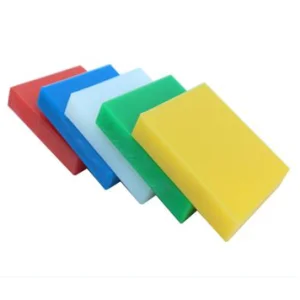
Polyamide PA6/66, UHMWPE & ABS Precision Stock
Buy China Engineering Plastic Polyamide PA6 PA66 Nylon PP UHMWPE PTFE HDPE ABS Plastic Sheet Rod Bar Suppliers, Product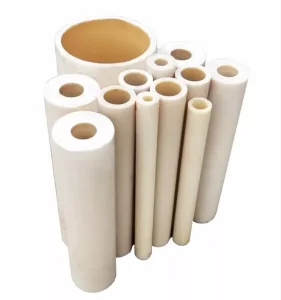
Custom Molded Cast Board PA6 & Hollow Tube Stock
China Engineering Plastic Cast Board PA6 Polyamide Nylon ABS PP Plastic Tube Rod And Bar Customized Color With Size Factories, Products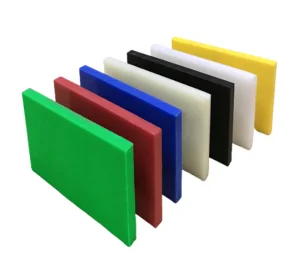
Heavy Slurry Wear Strips & Engineering Plastic Sheets
Cheap China Engineering Plastic polyamide PA6 PA66 Nylon PP UHMWPE PTFE HDPE ABS plastic Sheet Companies, Products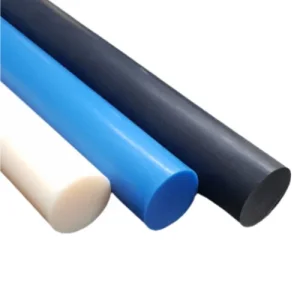
Virgin PTFE Teflon Rods for Chemical Resistant Valve Seats
Cheap TEFLON Rod Manufacturers, Exporter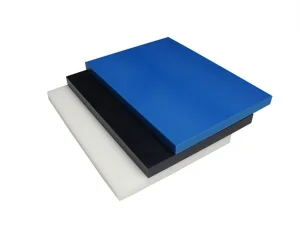
Wear-Resistant MoS2 Black, Blue & Natural Nylon Plates
Wholesale Natural Nylon Plate/Sheet, Black Nylon Plate/Sheet, Blue Nylon Plate/Sheet Exporter, Product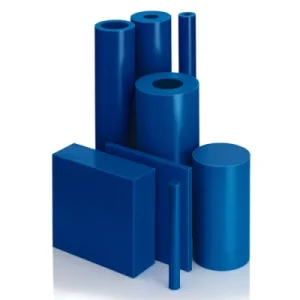
Ultra-Low Friction Abrasion Resistant UHMWPE Wear Pads
Discount UHMWPE Pad Manufacturers, Exporter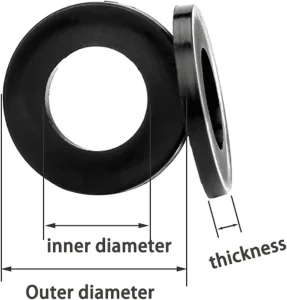
Turned MC Nylon Rings, Bushings & POM Polymer Sleeves
OEM Plastics Polyamide Natural MC Nylon Ring Cast Nylon Tube PA6 POM Rod Round Ring Engineering Plastic Black Polyamide PA66 Nylon PP UHMWPE PTFE HDPE ABS Tube Plastic Ring Bar Exporter, Product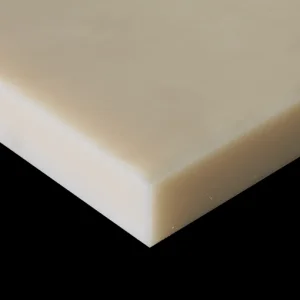
Stress-Relieved Virgin Cast MC Nylon Flat Slabs
Cheap Natural MC Nylon Sheet Factories, ExportersEngineering Questions & Procurement Insights
Concrete answers to the most rigorous technical, manufacturing, and logistical questions asked by fluid dynamics engineers and enterprise purchasing teams.
Need Custom Rubber Piping or CNC Machined Polymer Parts?
Our applications engineering group provides comprehensive design audits, compound selection advice, and rapid quotation within 12 hours. Submit your 2D/3D CAD models (STEP, DWG, DXF) to initiate immediate technical review.