
Featured Engineering Plastics & High-Tolerance Elastomers
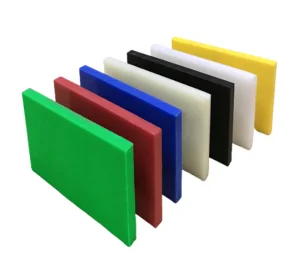
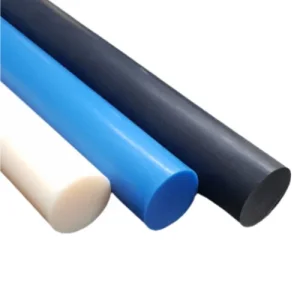
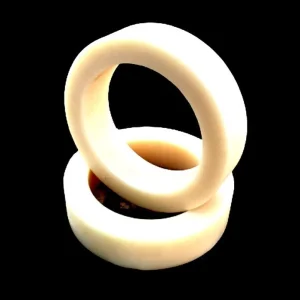
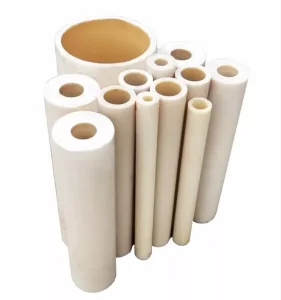
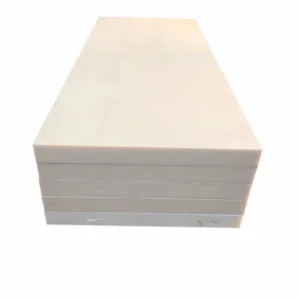
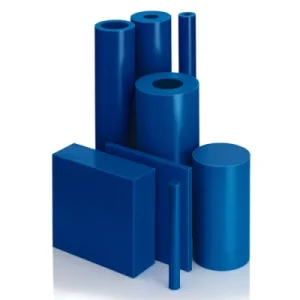
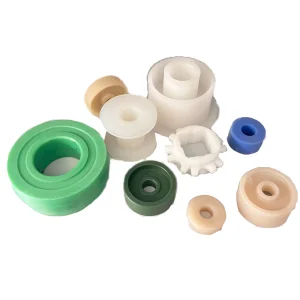
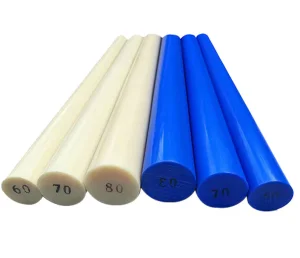
Explore our precision CNC-machined polymers, structural cast profiles, and wear-resistant polymer stock designed to integrate seamlessly alongside industrial OEM rubber chain assemblies and power transmission infrastructure.
The Engineering Architecture of Industrial OEM Rubber Chains
Demystifying composite continuous elastomeric track chains, helical continuous wound internal steel cords, vulcanization bonding kinetics, and performance envelopes in high-demand terrain.
Continuous Steel Cord Architecture
Standard mechanical link chains rely on pin-and-bushing assemblies susceptible to galling, rapid elongation, and abrasive wear. Modern OEM rubber chains engineered by advanced China manufacturing plants employ endless, helically wound continuous steel cord cores (typically 7x7 or 7x19 high-carbon galvanized wire rope). This eliminates mechanical joint failure, distributes tensile stresses uniformly, and prevents track stretch under severe breakout force vectors exceeding 45 kN.
Elastomeric Matrix Compounding
The carcass is not homogeneous rubber; it represents a tri-layer vulcanized polymer matrix. The outer carcass utilizes high-purity natural rubber (NR) compounded with cis-polybutadiene for cut-and-chip resistance against sharp rocks. The core encapsulation rubber features high-adhesion synthetic chloroprene/SBR compounds formulated with silane coupling agents that chemically bond to brass-coated steel cords, while the inner roller path incorporates low-hysteresis high-durometer blends preventing drive lug shearing.
Embedded Forged Metal Cores
To transmit massive planetary torque from drive sprockets, forged 40Mn2 or 45# carbon steel drive links are integrated directly within the elastomeric molding chamber. Induction hardened to 48-52 HRC across the sprocket contact pocket and chemically degreased before dual-coat polymeric adhesive priming, these drive lugs deliver seamless engagement without sprocket tooth slipping, tooth jumping, or rubber delamination during high-tilt slope maneuvers.
Why Global Tier-1 OEMs Source Rubber Chains from Chinese Factories
An unvarnished assessment of China's localized rubber processing clusters, vertical supply chain integration, automated multi-cavity press vulcanization, and comprehensive testing infrastructure.
Full Upstream-to-Downstream Cluster Verticality
Chinese manufacturing hubs in Hebei, Shandong, and Zhejiang cluster raw synthetic elastomer synthesizers, continuous brass-coated steel cord draw-wire mills, and steel forging houses within an 80-kilometer radius. This close geographic coupling slashes input raw-material transit times from weeks to hours, dampens the impact of global supply shocks, and enables OEM factories to rapidly compound custom anti-static, flame-resistant, or arctic-grade rubber formulations without paying exorbitant batch penalties.
Computer-Controlled Compression Vulcanization
Modern Chinese OEM facilities operate vacuum hydraulic presses boasting up to 4,500 metric tons of clamping force across precision multi-cavity hot-runner tooling. Multi-zone PID thermal monitoring maintains internal mold temperatures within ±1.5°C across the entire chain span. This absolute process control eliminates under-cured internal rubber pockets, prevents cord displacement, and ensures uniform sulfur crosslink density throughout the entire vulcanized elastomer volume.
Rapid Tooling & Mold Prototyping
Developing bespoke pitch dimensions, specialized drive lug geometry, or application-specific tread patterns historically required four to six months in European or American tooling shops. Chinese OEM factories leverage internal 5-axis high-speed CNC gantry machining centers to cut P20 and 718 steel compression molds within 14 to 21 business days, allowing international equipment builders to complete alpha and beta track prototyping before competing equipment even reaches the drawing-board stage.
E-E-A-T Quality Assurance & Destructive Testing
Top-tier Chinese OEM exporters maintain comprehensive ISO/IEC 17025 certified in-house metallurgical and elastomer testing labs. Every compounding run undergoes Mooney viscosity testing, moving die rheometer (MDR) curing curves, DIN abrasion volume loss assessments, cord-to-rubber peel adhesion pull tests (exceeding 12 N/mm), and cyclical tensile fatigue loading on calibrated continuous track dynamometers up to complete mechanical destruction.
Comparative Engineering Matrix: Steel Links vs. OEM Continuous Rubber Chains
Detailed mechanical, acoustic, and economic performance metrics comparing heavy all-steel linked tracks, bolt-on composite rubber pads, and modern continuous vulcanized rubber chains.
| Performance Parameter | Continuous OEM Rubber Chain | Conventional All-Steel Track Chain | Steel Chain with Bolt-On Rubber Pads |
|---|---|---|---|
| Ground Pressure (PSI) | 3.8 – 4.9 PSI (Low footprint, minimal ground disturbance) | 8.5 – 12.2 PSI (Severe rutting, high compaction) | 5.8 – 7.1 PSI (Moderate compaction risk) |
| Vibration Transmission (RMS) | Low (Elastomeric body absorbs chassis harmonic chatter) | Severe (High shock transmission to final drives & cab) | Moderate (Pad dampens ground impact, pin rattle remains) |
| Operating Noise Profile | 62 – 68 dBA (Compliant with urban night ordinances) | 84 – 92 dBA (Metal-on-metal pin and sprocket chatter) | 74 – 79 dBA (Subdued surface noise, mechanical rattle) |
| Asphalt / Concrete Preservation | 100% Non-Marking available, zero surface fracturing | Catastrophic surface destruction, track gouging | Acceptable; risks bolt shearing & pad loss |
| Maintenance Overhead | Virtually Zero (No pin greasing, sealed internal cables) | High (Frequent pin turning, bushing replacement, lubrication) | High (Retorquing bolt hardware, replacing individual worn pads) |
| Weight / Power Ratio | 50% lighter than equivalent steel track assemblies | Heavy tare weight, elevates machine fuel consumption | Heaviest configuration (Steel links + steel backing plates) |
| Tension Retention Mechanism | Zero elongation continuous wound high-tensile core | Gradual pin wear causes pitch growth and track slack | Same as steel track (Pin pitch elongation occurs) |
Specialized Deployment Environments & Industrial Solutions
How modern OEM rubber chain manufacturing solves acute operational pain points across agriculture, construction, automated material transport, and subsea mining.
High-Yield Precision Agriculture & Wet Paddy Harvesting
Heavy combine harvesters equipped with steel chains permanently damage soil permeability by destroying the delicate sub-surface aquifer capillaries. OEM wide-stance rubber chains featuring deep triangular or chevron lugs distribute 15-ton combine loads down to an astonishing 4.2 PSI. The self-cleaning tread compound expels high-plasticity clay, enabling smooth traversal across saturated Asian rice paddies and North American soybean fields without sinking or requiring external tractor extraction.
Urban Infrastructure, Utility Trenching & Road Milling
Municipal utility maintenance requires compact excavators, cold planers, and directional drillers to operate on finished asphalt and historic cobblestones. Steel chains fracture surface layers, causing hundreds of thousands of dollars in municipal damage penalties. OEM anti-vibration rubber chains deliver high-traction non-marking vulcanized rubber compounds that traverse finished roadways with zero surface scuffing while dampening vibration transmission to operator cabs and delicate electronics.
High-Speed Automated Logistics & Sortation Carousels
Beyond tracked earthmovers, high-volume automated distribution centers utilize rubber-sheathed drive chain systems and continuous elastomer timing chains for high-acceleration package sorters. Metal roller chains running dry create unacceptable ambient decibel levels and shed oil droplets onto consumer goods. Oil-free, fiber-reinforced elastomeric drive chains eliminate lubrication contamination entirely while operating continuously below 60 dBA at line speeds exceeding 3.5 m/s.
Subsea Trenching & Corrosive Chemical Washdown
Offshore wind cable lay installations deploy remote-operated crawlers (ROVs) operating along seabed seafloors saturated with salt water, hydrogen sulfide, and acidic silt. Steel chains undergo rapid galvanic corrosion and bushing seizure within weeks. OEM EPDM and polyurethane composite rubber chains encasing marine-grade 316 stainless steel cords offer absolute chemical inertness, surviving thousands of hours of seabed exposure without link degradation.
Enterprise Vendor Auditing: How to Select an OEM Rubber Chain Partner
A structured procurement verification checklist designed for global sourcing directors, supply chain heads, and OEM mechanical quality engineers.
Cord-to-Rubber Adhesion Data
Do not accept generic supplier certificates of conformity. Mandate independent lab verification under ASTM D429 (Standard Test Methods for Rubber Property—Adhesion to Rigid Substrates). Quality Chinese OEM producers present verifiable 90-degree peel test documentation demonstrating failure within the rubber matrix itself (cohesive failure) rather than at the brass-steel/adhesive interface (adhesive failure), confirming superior chemical bonding kinetics.
Audit Raw Polymer Traceability
Inquire whether the factory compounds using virgin RSS1 or STR20 natural rubber and primary synthetics, or blends in recycled reclaim rubber (crumb rubber). While recycled filler lowers spot prices by 25%, it catastrophic compromises tear strength and accelerates ozone micro-cracking under intense UV sunlight. High-tier OEM producers provide batch-specific carbon black dispersity certificates and sulfur curing rheograms with every bill of lading.
Tooling Tolerance & Pitch Precision
A variation of even 1.2 millimeters in sprocket drive pitch across a 4-meter rubber track leads to violent sprocket skipping, accelerated tooth wear, and internal cord fatigue. Verify that the supplier’s mold machining incorporates precise CNC EDM sinker processes and that finished tracks are tensioned on laser-calibrated coordinate measuring centerlines prior to container loading and packaging.
Frequently Asked Questions: OEM Rubber Chain Specifications & Procurement
Direct answers to the most critical technical, operational, and commercial questions asked by international equipment manufacturers and distributor purchasing networks.
What is the actual service lifespan of an OEM continuous rubber chain under harsh rock quarry conditions?
How does continuous wound steel cord architecture eliminate track elongation compared to joined link designs?
What are the key technical parameters required when requesting a custom OEM mold quotation?
Can Chinese OEM factories produce non-marking rubber chains that leave zero black scuff marks on clean factory flooring?
What prevents embedded steel drive lugs from pulling out or shearing off under high rotational torque?
How does track pitch affect drive sprocket wear, and how do OEM factories verify pitch consistency?
What are the cold-temperature thresholds for standard versus arctic-grade OEM rubber chains?
What is the standard production lead time and sea freight packaging methodology for overseas container orders?
Associated High-Performance Industrial Components & Liners
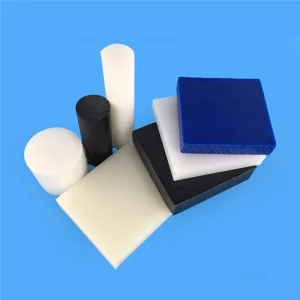
Direct factory supply of heavy-duty polymer outrigger pads, engineered PA6 cast wear plates, and precision CNC components that complement track systems and heavy mobile machinery chassis.
Initiate Your Custom OEM Rubber Chain & Polymer Production Program
Consult with our senior polymer engineers and mold design team. Send your 2D/3D component drawings, target operating loads, and annual production volumes for a comprehensive technical review and cost quotation within 12 hours.