
Featured Semi-Finished Engineering Polymer Stocks
Factory-calibrated PA66, MC nylon, POM, UHMWPE, and HDPE stock shapes fabricated under strict internal stress-relieving and molecular stabilization cycles.
-
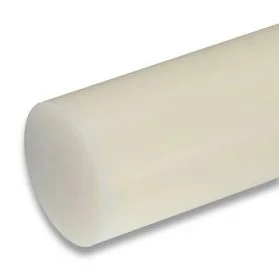
OEM Plastics Polyamide Natural Mc Nylon Cast Nylon PA6 Rod Round Bar Engineering Plastic Polyamide PA6 PA66 POM Nylon PP UHMWPE PTFE HDPE ABS Plastic Rod And Bar Manufacturer, Company
-
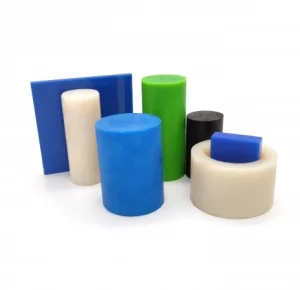
Buy Gold Supplier Engineering Plastic Polyamide PA66 Nylon PP UHMWPE PTFE HDPE ABS Plastic Sheet Rod And Bar Customized Color With Size Manufacturers, Exporters
-

Famous China Supplier Bigfoot Solid Plastic Blocks Customized HDPE Safety Crane Outrigger Pads Companies, Product
-
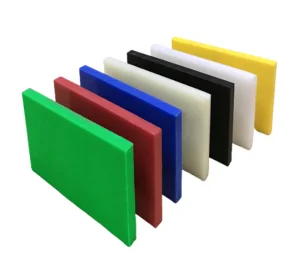
Cheap China Engineering Plastic Polyamide PA6 PA66 Nylon PP UHMWPE PTFE HDPE ABS Plastic Sheet Rod And Bar Customized Color With Size Suppliers, Exporters
-
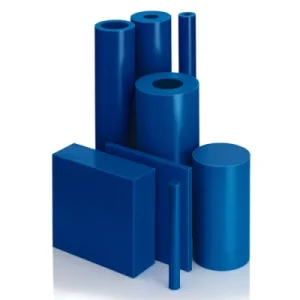
Discount UHMWPE Pad Manufacturers, Exporter
-
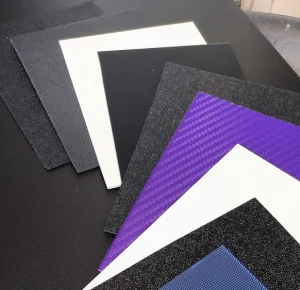
Buy China Engineering Plastic OEM Smooth Texture ABS Plastic Sheet Factory Customized Color With Size Factories, Companies
-
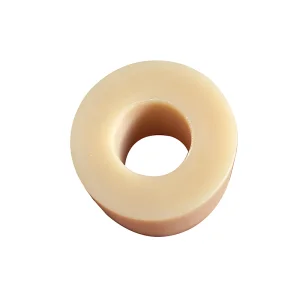
High-Quality China Engineering Plastic PA6 polyamide Nylon POM PTFE HDPE PVC Plastic Tube Rod And Bar Customized Color With Size Manufacturers, Supplier
-
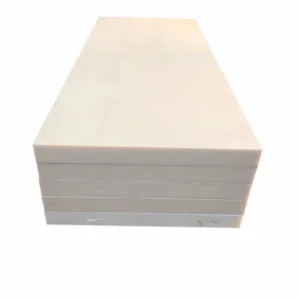
Buy Factory Free sample HDPE Sheet Panel Board Plate Manufacturer High Density Polyethylene Plastic Sheet Factory, Exporters
Global PA66 Commercial Landscape: The Metal-to-Polymer Evolution
As global manufacturing imperatives focus on lightweighting, energy reduction, and acoustic dampening, Polyamide 66 (Nylon 66) extruded rod stock serves as the premier engineering thermoplastic for mechanical powertrains and industrial friction assemblies.
Supply Chain Realignment
The global upstream supply of adiponitrile (ADN) and hexamethylenediamine (HMD) has undergone substantial geographical decentralization. Chinese compounding and polymerization centers have achieved localized synthesis independence, mitigating supply bottlenecks and ensuring stable, predictable stock pricing for overseas tier-1 suppliers and machinery fabricators.
EV & Powertrain Substitution
Automotive electrification demands structural thermoplastics capable of withstanding elevated thermal profiles and persistent dynamic shear. Unfilled and glass-reinforced PA66 rods allow CNC machinists to prototype and mass-produce thermal fluid distribution manifolds, high-voltage battery pack mounting brackets, and transmission gears that shave 60% mass compared to bronze or zinc.
Tribological Performance
With an inherently low coefficient of friction against steel surfaces (μ = 0.20 - 0.28) and superior resistance to cyclic fatigue, PA66 round stock eliminates the requirement for external petroleum lubricants in closed food packaging systems, cleanroom pick-and-place automation, and high-frequency planetary gear drives.
Comparative Polymer Selection: PA66 vs. PA6, POM & PEEK
Selecting the correct solid round bar requires understanding crystallographic density, heat deflection under continuous load, and moisture absorption equilibrium.
| Property Criterion | Extruded PA66 (Natural) | Cast PA6 (MC Nylon) | Acetal Copolymer (POM-C) | PEEK (Virgin Grade) |
|---|---|---|---|---|
| Chemical Structure | Polyhexamethylene Adipamide | Polycaprolactam (Anionic) | Polyoxymethylene Copolymer | Polyetheretherketone |
| Density (g/cm³) | 1.14 - 1.15 | 1.15 - 1.16 | 1.41 | 1.30 - 1.32 |
| Tensile Modulus (MPa, Dry) | 3,300 - 3,500 | 3,100 - 3,300 | 2,800 | 4,000 - 4,200 |
| Melting Temperature (°C) | 260°C | 220°C | 165°C | 343°C |
| Heat Deflection Temp (1.8 MPa) | 95°C - 105°C | 75°C - 85°C | 110°C | 152°C |
| Water Absorption (Saturation, 23°C) | 8.0% - 8.5% | 6.5% - 7.0% | 0.8% | 0.45% |
| Rockwell Hardness (M Scale) | M88 | M85 | M84 | M100 |
| Machinability & Chip Evacuation | Continuous curly chips; requires sharp positive rake | Slightly brittle chip; easy deep hole drilling | Short discontinuous chips; exceptional surface finish | Rigid, high tool wear; carbide/diamond required |
Engineering Guidance for CNC Machinists: PA66 exhibits greater hardness, superior rigidity, and approximately 40°C higher melting threshold than standard extruded PA6. When tight-tolerance cylindrical shafts or precision sleeves operate in elevated ambient temperatures (>100°C), PA66 retains yield strength significantly longer. For high moisture or immersed environments requiring dimensional accuracy below ±0.02 mm, consider POM Acetal Rod or specialized conditioning protocols.
Localized Industrial Deployments: Proven OEM Use Cases
From sub-zero mining extraction corridors to high-speed bottling lines, SHUNDA PA66 rod bars and custom machined parts are specified across critical global industries.
Heavy Construction & Cranes
Machined outrigger pads, telescopic boom wear pads, and cable sheaves. PA66 withstands exceptional Hertzian compressive stress without permanent deformation or spalling, protecting wire ropes from premature stranding.
Automotive Thermal Systems
End tanks, coolant valve spools, thermostat housings, and fuel connector bodies. Hydrolysis-stabilized PA66 grades maintain impact strength even when exposed to hot engine glycol-water mixtures at 120°C.
Bottling & Food Conveyance
Starwheels, timing screws, conveyor curve tracks, and guide rails. Low friction co-efficient minimizes container tipping and scuffing, operating silently at line speeds exceeding 1,200 cans per minute.
Railway & Rolling Stock
Axle guide liners, pantograph insulating bushings, and center bowl liners. High damping capacity absorbs acoustic track vibrations while withstanding continuous ballast dust abrasion.
Extrusion Metallurgy, Annealing & CNC Turning Guidelines
Internal stress is the primary failure mode when machining thick semi-finished stock. Our secondary thermal tempering process guarantees true straightness and stable concentricity.
Secondary Annealing Cycles
Every extruded PA66 rod undergoes an automated 24-to-48-hour thermal oil bath or circulating hot-air annealing sequence at 170°C to 180°C. This eliminates peripheral extrusion skins, ensures crystalline uniformity from outer skin to core, and prevents bowing or distortion during asymmetrical CNC milling operations.
Tooling Geometries
Use polished carbide or polycrystalline diamond (PCD) inserts. Recommend rake angles of 5° to 15° and relief angles of 10° to 15° to prevent material smeared along the cut edge. Keep feed rates continuous: never allow cutting tools to dwell against rotating polymer surfaces to avoid localized thermal softening.
Moisture Conditioning Equilibrium
PA66 parts undergo a natural ambient moisture equilibrium shift (absorbing 2.0% - 2.5% atmospheric humidity). When tight tolerances (±0.03 mm) are mandatory, SHUNDA provides pre-conditioning chambers or recommends post-machining stabilization so dimensions remain verified across final assembly environments.
Technological Roadmap: Next-Generation PA66 Formulations
Engineering polymers are evolving rapidly to meet international decarbonization goals and the extreme mechanical parameters of emerging robotics and aerospace platforms.
Bio-Based & Recycled Monomers
Integrating bio-derived sebacic and adipic precursors derived from non-food agricultural biomass. Achieving up to 45% bio-content in semi-finished bars while matching virgin tensile and thermal deflection thresholds.
Nanotube & Graphene Doping
Compounding continuous carbon nanotubes (CNTs) into extruded PA66 stock shapes for electrostatic dissipation (ESD) and enhanced thermal conductivity, resolving dielectric breakdown in semiconductor test fixtures.
Closed-Loop Precision Regrind
Deployment of in-house cryogenic granulation to recapture pure CNC swarf and machining runners. Strict optical sorting ensures 100% contaminant-free secondary extrusion for non-critical structural wear applications.
Frequently Asked Technical & Procurement Questions
Direct answers addressing material specifications, dimensional tolerances, and global shipping logistics for overseas purchasing engineers.
What are the definitive performance advantages of PA66 rods over cast PA6 (MC Nylon)?
How does SHUNDA ensure zero internal porosity and voids in thick PA66 rods?
Can you supply Glass-Fiber Reinforced PA66 (PA66-GF30) in extruded round bars?
What dimensional tolerances do you hold on stock diameter and length?
How does ambient humidity affect PA66 parts after CNC precision machining?
What export packing standards are utilized to prevent water absorption and transport warping?
Full Series Stock Materials & Finished Assemblies
Consolidate your procurement across high-performance PP, ABS, POM, PTFE, and custom cast nylon components from our integrated production workshops.
-
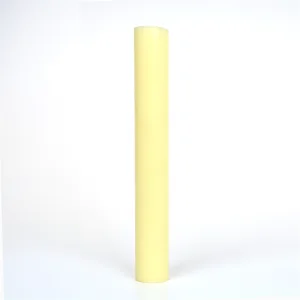
Buy PP Rod ,ABS Rod,Nylon Rod Bar, PTFE Rod,Plastic Rod, All Kinds Of Plastic Products Factories, Exporter
-
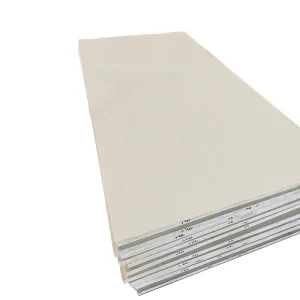
China China Engineering Plastic Casting Polyamide Nylon ABS PTFE HDPE UHMWPE Plastic Sheet Tube Rod And bar Customized Color With Size Suppliers, Companies
-
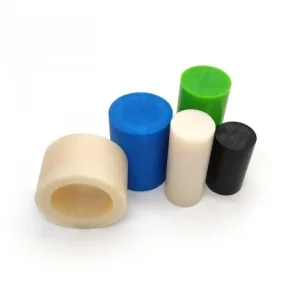
Discount Engineering Plastic Cast Board PA6 Polyamide Nylon ABS PP PTFE Plastic Tube Rod And Bar Customized Color With Size Manufacturer, Suppliers
-
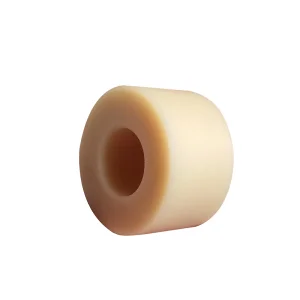
China Good Wholesale Vendors China High Hardness Plastic Products POM /Delrin Nylon/Rods 10mmx1000mm White Rod/Color Plastic Rods Manufacturers, Supplier
-
Cheap China Factory Engineering ABS,Nylon PP Plastic Tube, Plastic Tube ,POM Rod, PTFE Rod,PP Tube,PP Rod,ABS Rod,Nylon Rod Manufacturer, Product
-
Wholesale Impact Black Color Nylon Cushion Use For Impact Hammer For Piling Machine Manufacturer, Product
-
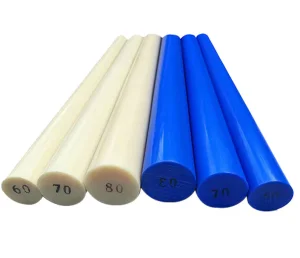
Cheap China MC Blue Cast Nylon Rod Plastic Round Rod And Bar Manufacturers, Factories
-
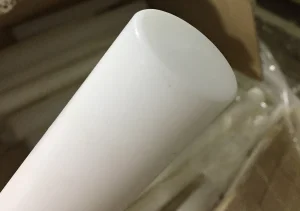
China White POM Rod, Black POM Rod, POM Bar, POM Plastic Rod Suppliers, Exporter
Connect Directly with Our Polymer Material Scientists
Upload your 2D/3D component drawings (STEP, DWG, DXF, PDF). Receive resin grade recommendations, finite element material evaluations, and formal factory export quotations within 12 hours.