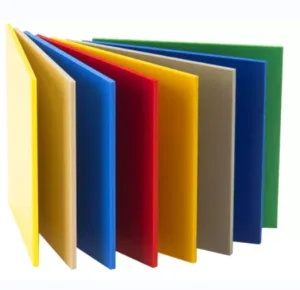
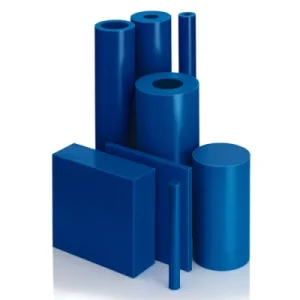
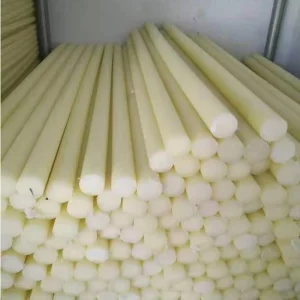
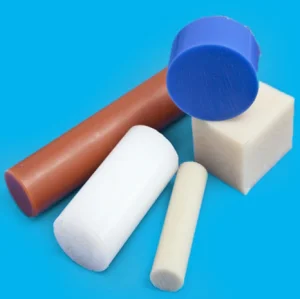
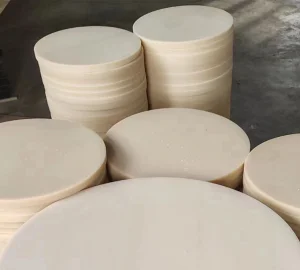
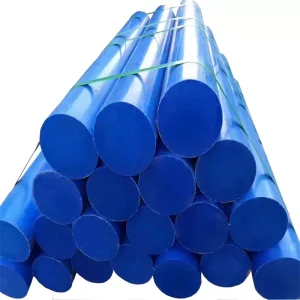
Featured Semi-Finished Stocks & Specialized Polymers
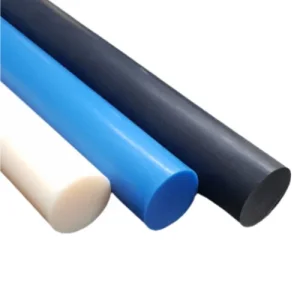
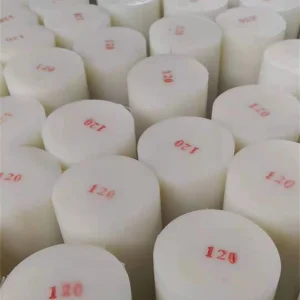
Factory-direct structural polymer stock, sheets, rods, and high-impact wear profiles engineered to withstand severe hydrostatic, mechanical, and tribological stresses.
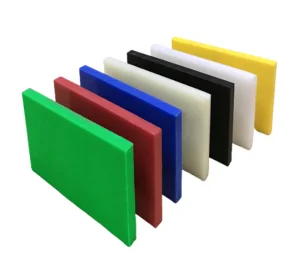

Engineering Whitepaper: GRP Panels in High-Criticality Applications
A deep dive into Sheet Molding Compound (SMC), Glass Reinforced Plastic (GRP), and hybrid engineered thermoplastics serving municipal water networks, offshore platforms, and heavy equipment infrastructure.
Matrix Morphology & Resin Rheology
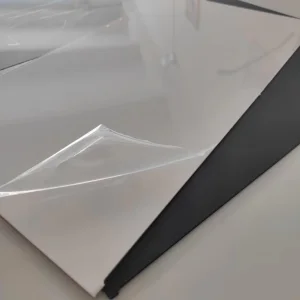
The structural efficacy of high-tensile GRP modular panels is determined by unsaturated polyester resin matrices integrated with chopped or woven roving E-glass fibers. High-temperature mold curing (130°C–150°C under 1,000–2,500 metric tons of compression) ensures an air-void fraction of less than 0.5%, optimizing flexural moduli and reducing micro-cracking propagation under continuous hydrostatic fatigue.
- Tensile Strength: > 70 MPa
- Flexural Modulus: > 7,500 MPa
Polymer Hybridization: MC Nylon & Polyolefins
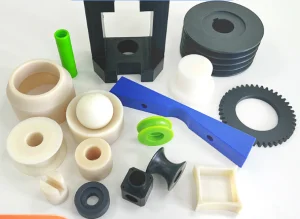
Beyond thermoset composite paneling, industrial facilities require dynamic sealing, low-friction wear interfaces, and robust outrigger support. By integrating Monomer Cast (MC) Nylon (PA6/PA66), POM, and UHMWPE directly into structural assemblies, engineers achieve zero lubrication dependency, minimal stick-slip behavior, and complete acoustic dampening across dynamic processing lines.
- Water Absorption (24h): < 0.15%
- Barcol Hardness: > 60
Hydrostatic Integrity & Seismic Deflection
Precision-pressed 1x1m, 1x0.5m, and 0.5x0.5m GRP panels feature optimized cross-ribbed profiles designed via finite element analysis (FEA). This geometry disperses outward fluid loads toward stainless steel external tie-rods and internal support struts (AISI 304/316), preventing localized wall deflection, joint stress, and elastomer gasket extrusion under major seismic ground movement.
- Burst Pressure Safety Factor: 4:1 Ratio
- Standard Compliance: BS EN 13280:2001
Macro-Industry Solutions: Engineered Resilience
Tailored engineering polymers and composite modular architectures engineered to solve mission-critical chemical corrosion, sanitary purity, and high-impact structural challenges.
Municipal Water Treatment & Desalination
Potable water storage tanks and reverse osmosis pre-treatment chambers constructed with GRP/SMC panels prevent algae proliferation via zero light transmittance (opacity coefficient < 0.001%). Highly resistant to saline corrosion, micro-organisms, and chlorination degradation, eliminating internal re-coating maintenance.
Primary Integration: WRAS-grade non-toxic thermoset GRP, reinforced EPDM seals, SS316 internal tie rods, and POM flow meter manifolds.
Heavy Construction & Deep Piling Systems
Piling rigs, cranes, and outrigger cranes demand high-absorption cushioning to isolate hydraulic mechanisms from violent cyclical vibrations. Cast nylon cushioning blocks and UHMWPE slider pads absorb intense compressive shocks without shatter failure, protecting costly crane boom assemblies.
Primary Integration: Oil-filled self-lubricating PA6 rods, shock-damping black nylon pads, and CNC-milled UHMWPE wear plates.
Mining, Bulk Solids & Slurry Transport
Abrasive slurries, conveyor transfer points, and aggregate chutes quickly wear away carbon steel plates. Utilizing thick UHMWPE and MC nylon wear liners eliminates material sticking, bridging, and abrasive wear, tripling the Mean Time Between Failures (MTBF) of critical plant processing assets.
Primary Integration: Ultra-High Molecular Weight Polyethylene liners, cast nylon pipe sleeves, and precision CNC chain guides.
Chemical Processing & Corrosive Storage
From electroplating baths to scrubber tanks, structural plastics must resist strong acids, caustic alkalis, and thermal cycling. Our custom-fabricated polypropylene (PP), HDPE, and PTFE assemblies deliver structural stability without dangerous weld seam failures.
Primary Integration: Chemically inert PP welded vessels, PTFE gasketing, and fluoropolymer internal pump seals.
China Factory 4.0: Supply Chain Resilience & Modern Production
How our intelligent production base in Hebei transforms raw polymer engineering into reliable, global-scale composite manufacturing.
Closed-Loop Temperature Compression
Our automated SMC compression facilities utilize multi-zone thermal loops across massive hydraulic platens. This setup guarantees that GRP panels cure with an even glass-to-resin ratio throughout, eliminating resin pooling, internal dry zones, and uneven cooling that causes warped parts.
- Platen Thermal Uniformity: ±1.5°C
- Cycle Telemetry: Real-time IoT Logging
Integrated Monomer Casting to CNC Milling
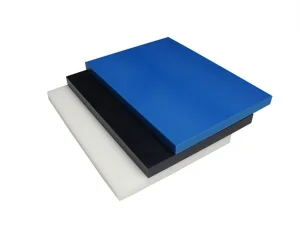
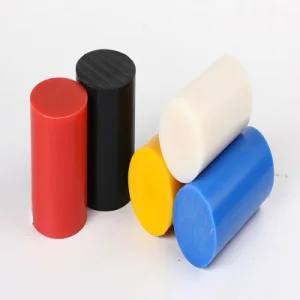
By producing cast nylon billets, tubes, and sheets in-house before sending them directly to multi-axis CNC machines, we remove secondary distribution markups and shorten turnaround cycles. Monomer conversion takes place in strictly controlled environments to keep internal mechanical stresses near zero.
- CNC Machining Envelope: Up to 3,200 mm
- Spindle Precision: H7 Engineering Fit
End-to-End Raw Material Provenance
We source premium Caprolactam, pure polyolefin pellets, and high-purity silane-treated glass strands from tier-one producers. Every manufacturing batch receives complete raw material verification, mechanical yield testing, and ultrasonic non-destructive testing (NDT) to prevent hidden structural voids.
- Traceability: Mill Test Certificate (MTC)
- Defect Detection: Ultrasonic A-Scan / C-Scan
Global Procurement Directives: Total Cost of Ownership (TCO)
How international EPC contractors, facility executives, and component buyers maximize budget efficiency and system longevity.
Eliminating Hidden Marine Transport Surcharges
Traditional fabricated tanks and large steel weldments take up massive amounts of expensive shipping container space. Our modular GRP panels and flat-packed polymer billets stack with high volumetric efficiency, significantly reducing ocean freight costs per cubic meter of installed storage capacity.
- Volume Optimization: Up to 70% Cube Reduction
- Export Protection: ISPM-15 Heat-Treated Crating
Corrosion Prevention vs. Stainless Steel
While SS304 and even SS316 can suffer from localized pitting and crevice corrosion when exposed to chlorides, GRP composites and high-grade polyamides are naturally immune to rust and galvanic issues. This eliminates the regular recoating, pickling, and sacrificial anode replacements that drive up lifecycle costs.
- Design Life: 30 to 50 Years
- Maintenance Downtime: Negligible Annual Expense
Rapid On-Site Assembly Without Hot Works
Welding steel on active industrial job sites or offshore platforms requires strict hot-work permits, fire watches, and specialized x-ray weld checks. Modular GRP panel tanks bolt together quickly using standard hand tools and torque wrenches, slashing on-site assembly timelines from weeks down to days.
- Installation Speed: 3x Faster than Steel
- Site Safety: Zero Hot-Work Permits Needed
Localization Support, Testing & Compliance Assurance
Bridging cross-border engineering differences with transparent certifications, detailed laboratory verifications, and professional export documentation.
International Code Verification
Our GRP panel tanks and engineering thermoplastics are produced in strict compliance with BS EN 13280:2001 (specification for glass reinforced plastics tanks), WRAS (Water Regulations Advisory Scheme for potable liquid contact), and ASTM D638 / D790 mechanical test standards.
- Potable Water: WRAS Approved Grade
- Fire Retardancy: UL94 V-0 Class Available
Comprehensive QA & Hydrostatic Testing
Every composite panel mold and finished CNC polymer component undergoes precise coordinate measuring machine (CMM) inspections. Furthermore, representative GRP tank panels undergo destructive hydrostatic burst evaluations and water tightness leak verification tests prior to container dispatch.
- Dimensional Audit: CMM Inspection
- Batch Verification: Full CoC Documentation
Turnkey Export Engineering Packages
We supply international project sites with comprehensive installation manuals, finite element analysis (FEA) reports, 2D AutoCAD foundation drawings, 3D STEP models, and pre-packaged assembly hardware (including stainless steel tie-rods, internal ladders, and external wind braces).
- Engineering Input: AutoCAD, STEP, SolidWorks
- Fastener Packs: HDG, SS304, or SS316
Technical Roadmap: The Next Generation of GRP & Advanced Polymers
Investing in long-term composite engineering through bio-based resins, nano-scale reinforcements, and smart asset monitoring.
Carbon Nanotube & Graphene Infusion
Our composite lab is developing graphene-doped thermoset compounds that yield a 25% increase in flexural modulus without adding weight. This improvement allows for thinner panel profiles that maintain full hydrostatic pressure ratings, reducing raw resin consumption and lowering transport emissions.
IoT-Enabled Predictive Structural Panels
We are piloting GRP panel sections embedded with passive RFID and fiber-optic strain sensors. These embedded sensors provide real-time updates on joint stresses, internal fluid levels, and micro-deflections directly to central plant SCADA systems, preventing leaks before they can develop.
Circular Economy & Recyclable Thermoplastic Hybrids
By pairing traditional GRP panels with ultra-high-density recyclable liners made of UHMWPE and bio-polyamides, we are engineering storage tanks and wear systems that are easier to recycle at the end of their service lives, lowering the overall environmental footprint.
Frequently Asked Engineering Inquiries
Detailed technical responses from our materials engineering and international supply chain teams.
How do GRP panel modular tanks compare to bolted steel or concrete tanks?
What is the standard manufacturing lead time for custom OEM GRP panels and parts?
Can SHUNDA manufacture specialized polymer components from custom CAD files?
How do you prevent leakage at panel joints under high hydrostatic pressure?
How does the factory manage quality control across export orders?
Industrial Bushings, Wear Bars & Specialized Polymers
High-durability semi-finished polymer rods, heavy piling cushions, and custom-machined wear pads direct from our production plant.