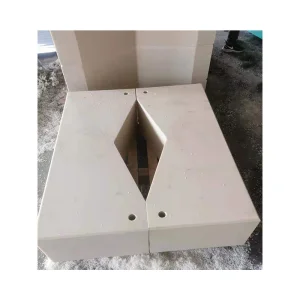
Featured Polymer Stock & Machined Components
Direct factory supply of high-grade engineering polymers, cast MC nylon compounds, and precision CNC components for heavy mechanical motion assemblies.
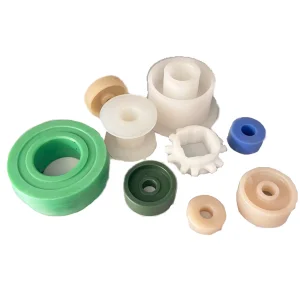
China Custom CNC Machining Components Peek ABS/PTFE/Derlin/Nylon POM CNC All Kinds Of Pulley Wheel Suppliers, Exporters
View Product Specification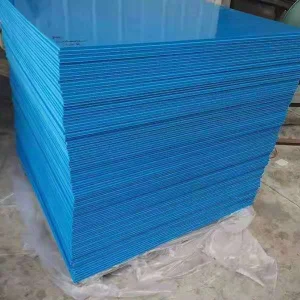
China Blue MC Nylon Sheet Manufacturers, Companies
View Product Specification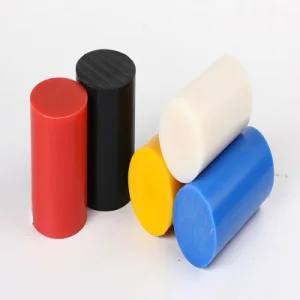
Cheap White Nylon Rod Manufacturers, Product
View Product Specification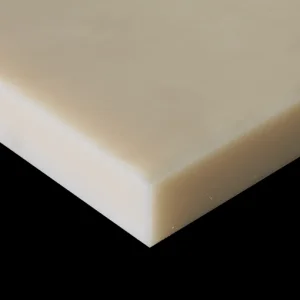
Cheap Natural MC Nylon Sheet Factories, Exporters
View Product Specification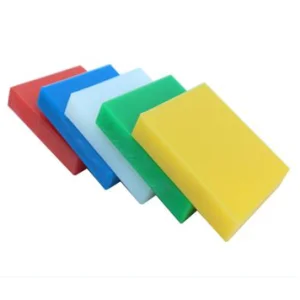
Buy China Engineering Plastic Polyamide PA6 PA66 Nylon PP UHMWPE PTFE HDPE ABS Plastic Sheet Rod Bar Suppliers, Product
View Product Specification
Wholesale Impact Black Color Nylon Cushion Use For Impact Hammer For Piling Machine Manufacturer, Product
View Product Specification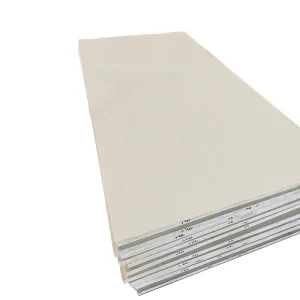
China China Engineering Plastic Casting Polyamide Nylon ABS PTFE HDPE UHMWPE Plastic Sheet Tube Rod And bar Customized Color With Size Suppliers, Companies
View Product Specification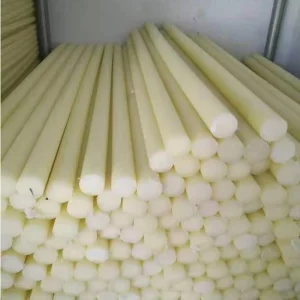
Discount ODM OEM Engineering Plastic Cast PA6 Polyamide Nylon ABS PP PTFE Plastic Rod And Bar Customized Color With Size Manufacturers, Suppliers
View Product SpecificationGlobal Industry Shifts: Advanced Tribology & Automation
The global heavy mechanical sector is undergoing an operational paradigm shift away from traditional vulcanized black rubber toward engineered hybrid polymer composites and cast polyamides.
Dynamic Hysteresis Reduction
Standard rubber treads experience significant internal heat generation under cyclical compression, inducing thermomechanical fatigue. Modern formulations integrate high-crystallinity polymers like cast nylon (MC PA6) and UHMWPE to decrease rolling resistance coefficients by up to 38%, dramatically reducing the energy consumption of battery-operated AGVs and AMRs.
Static & Dynamic Load Capacity
Traditional pneumatic and solid black rubber wheels suffer from plastic creep and permanent flat-spotting under continuous multi-ton loads. High-density polyamide and cross-linked elastomers maintain operational resilience under shore hardness scales up to 95 Shore A or 85 Shore D without deforming the hub interface.
Floor Surface Preservation
Logistics facilities utilizing polyurethane and self-lubricating polymer wheels eliminate surface carbon marking. In food-grade and semiconductor facilities, non-marking chemical-resistant thermoplastics eliminate tracking contaminants while maintaining superior traction over treated epoxy flooring.
Procurement Dynamics: What Global Buyers Demand
Procurement directors and supply chain engineers require quantifiable specifications rather than commercial generalizations. Key metrics govern global polymer and wheel selection.
DIN 53516 Abrasion Rating
Industrial wheel rubber and polymer sleeves must provide verified volumetric wear loss numbers below 30 mm³ to guarantee predictable operational lifespans in 24/7 port, logistics, and automated manufacturing hubs.
Interfacial Bonding Integrity
Delamination between elastomeric compounds and iron/cast nylon hubs is a frequent failure mode. Global tiers mandate silane coupling primers and strict mechanical anchoring geometries tested beyond 12 N/mm peel strength.
Thermal Resilience
Polymer wheels deployed in cold-chain logistics must resist embrittlement at -40°C (via impact-modified polyamides), while autoclave and foundry transfer trolleys require heat deflection limits exceeding 130°C.
Regulatory Compliance
Traceable batch documentation conforming to RoHS, REACH, and FDA 21 CFR (for food processing rollers and conveyor contact wheels) is mandatory for smooth importation into North American and European jurisdictions.
China Factory 4.0: Supply Chain Resilience & Precision
Transitioning from basic component casting to intelligent polymer manufacturing networks with end-to-end quality assurance.
Full Vertical Polymer Integration
SHUNDA maintains direct synthesis control, casting pure monomer PA6 and casting engineering sheets, bars, and rods internally. By eliminating intermediary material brokers, virgin polymer molecular weight is maintained without unverified regrind dilution.
Automated Stress-Relief Annealing
Residual stress in thick cast nylon and polymer billets causes post-machining warping and uneven wear. Our computer-monitored multi-stage oil and air annealing cycles relieve internal crystalline stresses, securing strict tolerances during high-speed CNC operations.
Digital Twin & Flexible Tooling
Equipped with 3-axis, 4-axis, and multi-axis CNC lathe centers, our facility translates 3D STEP drawings directly into automated toolpaths. Rapid retooling capabilities enable prototype turnarounds in under 48 hours and high-volume runs without tooling bottlenecking.
Global Industrial Application Profiles
Where advanced elastomeric polymers, nylon guide wheels, and machined cushions replace legacy materials in real-world infrastructure.
Automated Guided Vehicles (AGV) & AMRs
Modern distribution hubs demand drive and caster wheels that provide high coefficient of friction without abrasive wear. Self-lubricating nylon core wheels with elastomeric treads eliminate static electricity build-up while facilitating smooth multidirectional traversing.
Harbor Cranes & Heavy Cable Sheaves
Quayside container gantry cranes and construction cable hoists utilize cast nylon (PA6) sheaves instead of forged steel. Polyamide pulleys weigh roughly one-seventh of steel, reducing boom deadweight and extending wire rope operational lifespan by over 300%.
Piling Machinery & Impact Dampening
Heavy hydraulic impact piling hammers depend on high-molecular-weight nylon impact cushion rings. Engineered to absorb repeated kinetic shocks of thousands of metric tons per strike, custom polymer cushions protect steel hammer heads from brittle fracture.
Engineering FAQ: Polymer Wheels & Industrial Materials
Technical clarifications addressing chemical selection, manufacturing tolerances, wear dynamics, and export logistic parameters.
How does Cast MC Nylon compare to standard vulcanized rubber for heavy wheel applications?
What CNC machining parameters are necessary to maintain tight tolerances in engineering plastics?
Can you formulate custom colors and additive packages (MOS2, oil-filled, anti-static)?
How do you guarantee batch-to-batch consistency and moisture equilibrium control for export shipments?
Engineering Plastic Series & Semi-Finished Shapes
Explore our inventory of cast polyamide profiles, impact hammer cushions, PTFE compounds, and polyolefin solutions available for worldwide dispatch.
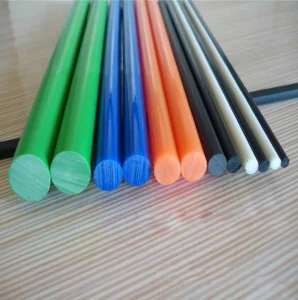
Discount Cast MC Nylon Bar Suppliers, Products
View Product Specification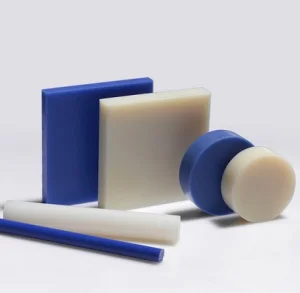
Discount China Engineering Plastic Polyamide PA6 PA66 Nylon PP UHMWPE PTFE HDPE ABS Plastic Sheet And Rod And Bar Suppliers, Company
View Product Specification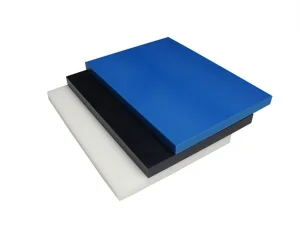
Cheap PTFE Sheet Supplier, Products
View Product Specification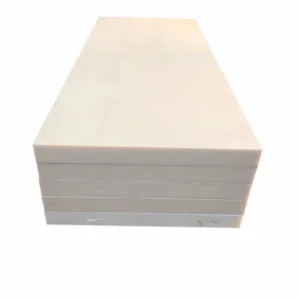
Buy Natural MC Nylon Plate Companies, Products
View Product Specification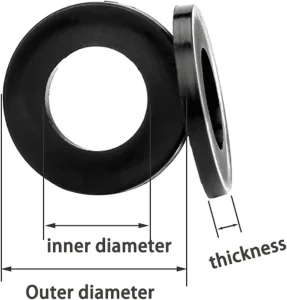
Famous Black Color Nylon Ring Cushion Use For Impact Hammer For Piling Machine Manufacturer, Manufacturers
View Product Specification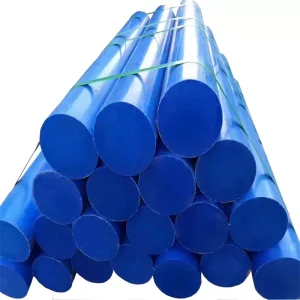
Wholesale China MC Cast Nylon PA66 Plastic PP PE HDPE ABS Round Rod And Bar Supplier, Product
View Product Specification
Discount UHMWPE Pad Manufacturers, Exporter
View Product Specification