
Featured Polymer Rods & Precision Feedstock
Engineered to international mechanical integrity tolerances, our primary selection covers cast polyamide, fluoropolymers, and acetal stock essential for chemical and industrial joint reliability.
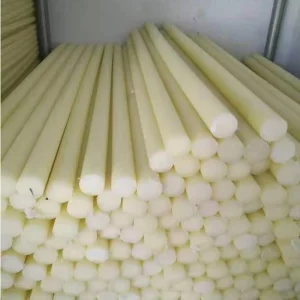
Discount ODM OEM Engineering Plastic Cast PA6 Polyamide Nylon ABS PP PTFE Plastic Rod And Bar
View Technical Profile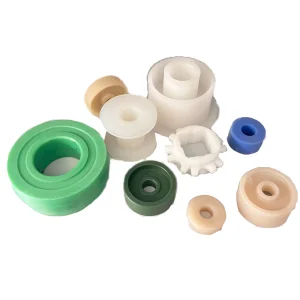
China CNC Machined Parts Exporters, Product
View Technical Profile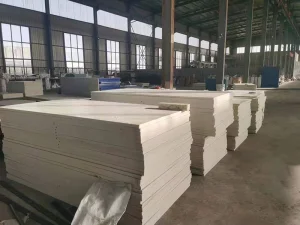
OEM China Engineering Plastic OEM Polyamide PA6 PA66 Nylon PP UHMWPE PTFE HDPE ABS Plastic Sheet
View Technical Profile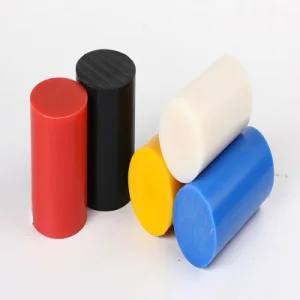
Cheap White Nylon Rod Manufacturers, Product
View Technical Profile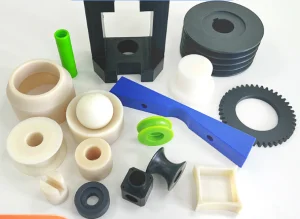
Discount MC Nylon Pad Product, Products
View Technical Profile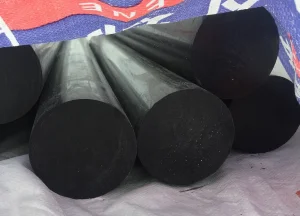
Wholesale POM Rod Black POM Rod, White POM Rod, POM Bar, POM Plastic Rod Factories
View Technical Profile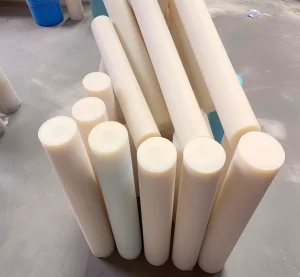
Wholesale Natural MC Nylon Cast Rod Supplier, Company
View Technical Profile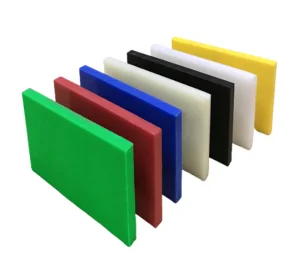
Buy MC Nylon Sheet Supplier, Company
View Technical ProfileAdvanced Polymer Welding & Material Science Specifications
In modern industrial fabrication, high-performance thermoplastic welding rods (PP, HDPE, PVDF, PTFE, ABS, and Nylon PA6) represent the crucial link that dictates structural containment integrity, operational safety, and chemical plant lifecycle performance.
Thermal Rheology & Melt Index
Successful thermoplastic fusion requires an exact rheological match between the welding rod substrate and the structural parent sheet. A mismatch in melt flow index (MFI) causes localized internal stresses, voids, and crystalline segregation, accelerating catastrophic failure under dynamic hydraulic loads.
Controlled Annealing Kinetics
SHUNDA applies strict thermal annealing protocols during horizontal and vertical rod casting. This controlled stabilization prevents micro-void formation and mitigates residual internal hoop stress, ensuring that plastic welding consumables do not crack during post-machining or deep-seam extrusion.
Oxidative & Cross-Linking Integrity
Exposure to uncalibrated hot-gas blowers can cause surface thermal degradation. Our specialty welding rods feature balanced, high-purity antioxidant packages, preventing polymer matrix embrittlement during hot-gas, high-speed, and extrusion welding sequences in corrosive operating environments.
China Factory Manufacturing Ecosystem & Global Export Scale
Operating from Xinhe County, Xingtai City, Hebei Province, SHUNDA couples extensive upstream material synthesis with multi-axis CNC fabrication facilities, delivering scalable procurement resilience for multinational buyers.
Virgin Resin Discipline
We source certified prime resins exclusively, rejecting low-grade regrind. This disciplined chemistry guarantees consistent batch tensile strength, dielectric resistance, and elongation values across every container load shipped overseas.
Precision Tolerance Calibrations
High-precision laser gauging monitors round, triangular, and twin-profile welding rods in real time during extrusion. Consistent diameter tolerances eliminate cold-weld seam jams and ensure smooth feeding through automatic welding guns.
Vertically Integrated Value Chain
By producing our own stock sheets, tubes, and rods prior to precision CNC milling, we compress processing times, eliminate tier-two markups, and maintain strict traceability from raw pellet to export crate.
Global Export Ready Logistics
Every shipment is treated with multi-layer barrier wrapping, desiccant saturation controls, and fumigated timber crating, safeguarding precision polymer products against maritime humidity and transcontinental freight wear.
Comparative Engineering Polymer Specifications
Direct technical benchmarks for structural engineering polymers and thermoplastic welding rods utilized in industrial containment, pipe systems, and heavy-duty machinery.
| Polymer Classification | Specific Density (g/cm³) | Tensile Strength (MPa) | Continuous Service Temp (°C) | Key Chemical / Mechanical Advantage | Primary Joint & Fab Method |
|---|---|---|---|---|---|
| Cast Nylon PA6 / MC | 1.15 - 1.16 | 75 - 85 | -40 to +105 | Exceptional abrasive resistance; dynamic shock absorbing | Friction welding, specialized hot-gas, mechanical fastenings |
| POM-C (Polyacetal) | 1.41 - 1.42 | 65 - 70 | -50 to +100 | Minimal water absorption; exceptional dimensional stability | Hot plate welding, spin welding, precision threading |
| HDPE (High-Density Polyethylene) | 0.95 - 0.96 | 23 - 32 | -50 to +80 | Superior impact resistance, broad chemical inertness | Hot gas extrusion welding, electrofusion, butt fusion |
| PP (Polypropylene-H/C) | 0.91 - 0.92 | 30 - 38 | 0 to +100 | Resistant to concentrated acids, alkalis, and solvents | Extrusion jointing, hot gas rod welding, sheet bending |
| PTFE (Fluoropolymer) | 2.15 - 2.20 | 20 - 35 | -200 to +260 | Universal chemical immunity; lowest static coefficient of friction | PFA/FEP flux fusion, ultrasonic bonding, mechanical clamping |
| UHMWPE | 0.93 - 0.94 | 25 - 40 | -150 to +85 | Unmatched sliding abrasion resistance; non-stick surface | Mechanical anchoring, specialized compression bonding |
Localized Engineering Support, Compliance & Industry Trends
Bridging Chinese manufacturing efficiency with localized engineering compliance standards (DVS, ASTM, ISO) to deliver turnkey reliability to multinational procurement groups.
Localized Engineering Support
SHUNDA collaborates with regional technical distributors across Europe, North America, and Southeast Asia. We supply custom test specimens, pre-cut bevel bars, and parameter guides (air volume, temperature, feed rate) tailored to match local welder certification standards (DVS 2207, ASTM D638).
DVS & Global Regulatory Compliance
Materials intended for fluid containment and chemical plants are produced to align with strict environmental and regulatory mandates, including RoHS, REACH, FDA CFR 21 (for food processing components), and ISO 9001:2015 quality assurance frameworks.
Sustainable & Automated Fusion Trends
Industrial trends favor automated robotic extrusion welding, smart dual-sensor hot-air extruders, and fully traceable raw polymer batches. Our research and development focuses on zero-internal-void extrusion, low-smoke additive chemistries, and bio-stabilized engineering polymers.
Localized Application Scenarios & Engineering Implementations
From high-volume fluid containment to offshore drilling equipment, our engineering plastics and welding rods provide dependable service across key heavy industries.
Chemical Storage & Scrubbers
Extruded PP and HDPE welding rods form high-integrity structural fillet welds in chemical storage tanks, acid pickling lines, exhaust scrubbers, and electroplating baths handling aggressive acids.
Bulk Materials & Mining
Cast Nylon PA6 and UHMWPE sheets, joined with specialized profile rods, line chutes, truck beds, and hopper silos, preventing bridging while withstanding abrasive rock impacts.
Cleanroom & Food Automation
FDA-compliant POM acetal and ultra-pure PP profiles are machined into conveyor guide tracks, timing stars, and precision filling nozzles requiring frequent chemical CIP sanitization.
Marine Infrastructure & Liners
UV-stabilized HDPE and ultra-tough blue cast nylon components provide low-friction facing pads on marine harbor fenders, commercial piling slides, and subsea cable pulleys.
Engineered Stock Shapes, Hollow Bars & Fabricated Profiles
Explore our heavy-section cast nylon bars, multi-wall POM hollow pipes, high-density polyethylene slabs, and specialized polymer blanks produced for precision machining.
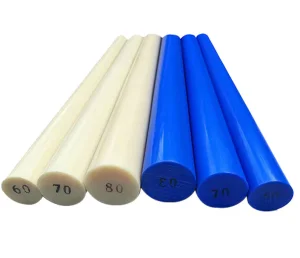
Cheap China MC Blue Cast Nylon Rod Plastic Round Rod And Bar Manufacturers
View Technical Profile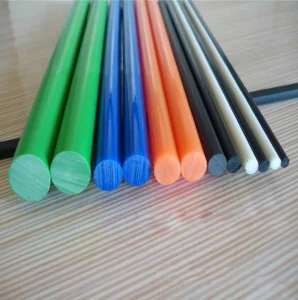
Discount Cast MC Nylon Bar Suppliers, Products
View Technical Profile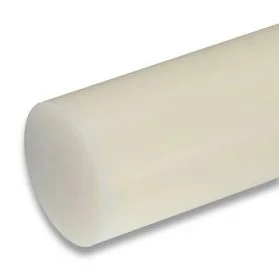
OEM Plastics Polyamide Natural MC Nylon Cast Nylon PA6 Rod Round Bar
View Technical Profile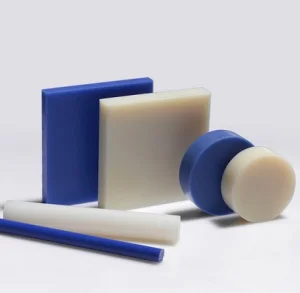
Discount China Engineering Plastic Polyamide PA6 PA66 Nylon PP UHMWPE PTFE HDPE ABS Sheet
View Technical Profile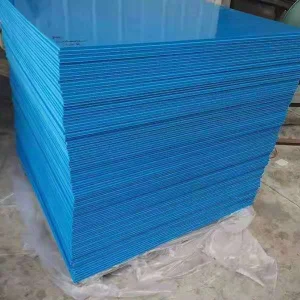
China Blue MC Nylon Sheet Manufacturers, Companies
View Technical Profile
Wholesale Engineering Plastic Polyamide PA6 PA66 Solid Nylon Rod, PTFE Rod, ABS Rod
View Technical Profile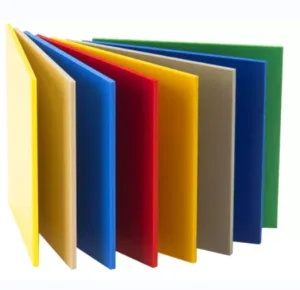
Cheap HDPE Sheet Exporters, Company
View Technical Profile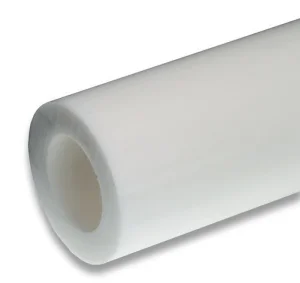
Cheap POM Tube White POM Tube, Black POM Tube, POM Pipe, POM Plastic Tube Pipe Factories
View Technical ProfileFrequently Asked Questions (Technical FAQ)
Direct technical answers addressing weld strength ratios, material selection, moisture conditioning, and export logistics for procurement officers and lead fabricators.
What joint weld-strength factor can be achieved with SHUNDA rods?
When welded following recognized DVS 2207 welding guidelines using clean, dry parent materials, our HDPE, PP, and PVDF welding rods routinely reach long-term tensile weld-strength factors (f-values) between 0.80 and 0.90 relative to the parent sheet strength.
How does moisture absorption in Cast Nylon PA6 impact weldability?
Polyamides are hygroscopic and can absorb up to 3% to 7% atmospheric moisture. For welding or thermal jointing, PA6 rods must be stored in dry conditions or predried. Moisture vaporizes during hot-gas processing, leading to interior joint porosity and compromised weld strength.
Why is POM-H and POM-C generally unsuitable for hot-gas hand welding?
Polyacetals release formaldehyde vapors when thermally degraded and exhibit sharp melt-phase transitions without a gradual softening zone. Joining acetal components is more effectively achieved via hot-plate welding, ultrasonic staking, or precision CNC mechanical threads.
Can you provide custom profiles such as triangular and dual-strand rods?
Yes. Beyond standard round profiles (3mm, 4mm, 5mm), we extrude triangular rods (90° corner fillet joints) and oval or twin-strand shapes designed to increase weld-pool deposition rates in single-pass high-speed fabrication work.
What quality documentation accompanies international orders?
Every commercial export order includes an EN 10204 3.1 Mill Certificate, detailing resin batch heat numbers, melt mass-flow rates (MFR/MFI), specific density, Shore D hardness, and RoHS / REACH chemical compliance verifications.
How does SHUNDA protect rods and machined parts during maritime shipment?
Precision rods are bundled, sealed inside heavy vapor-barrier plastic wraps with silica desiccants, and packed in reinforced, fumigated ISPM-15 wooden crates. This preserves rod straightness and prevents atmospheric humidity damage during ocean transit.