
Premier Engineering Plastics & Ring Products
Explore our precision-manufactured polymer blanks, solid rods, and high-tensile wear components configured to integrate directly into critical fluid handling and mechanical seal assemblies.
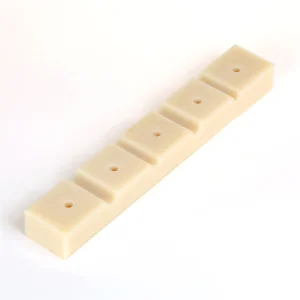
Wholesale Nylon Chain, Plastic Chain, Plastic Pad, Nylon Pad Manufacturer
View Specifications
Wholesale Polyamide PA6 PA66 Solid Nylon Rod, PTFE Rod, ABS Rod
View Specifications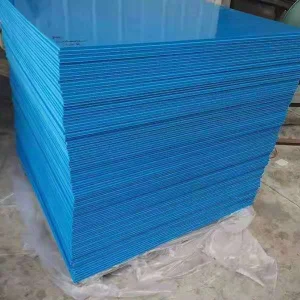
China Blue MC Nylon Sheet Manufacturers & Companies
View Specifications
China Special Price for Wholesale Plastic Board PA6/PA66 Durable Nylon Rods
View Specifications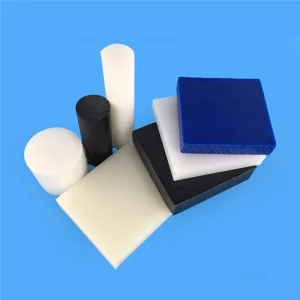
Famous Engineering Plastic Cast Sheet Board PA6 Polyamide PP HDPE Bar
View Specifications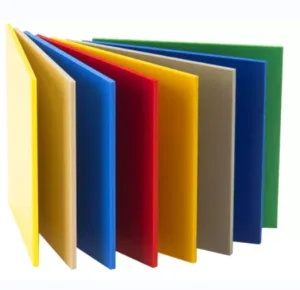
High-Quality UHMWPE Sheet Manufacturer & Industrial Supplier
View Specifications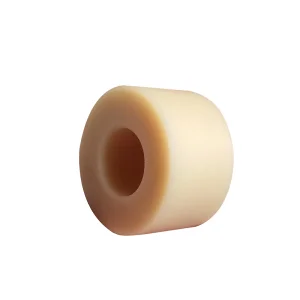
Factory Engineering ABS, Nylon PP Plastic Tube, POM Rod & PTFE Rod
View Specifications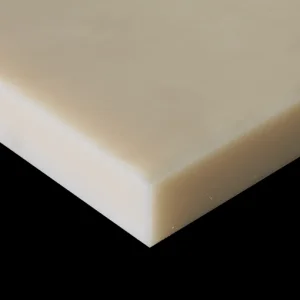
Industrial Natural MC Nylon Sheet Factories & Exporters
View SpecificationsElastomeric Rheology & High-Pressure Sealing Mechanics
Modern industrial machinery operates under extreme tribological demands, dynamic cycle frequencies, and aggressive petrochemical media. Selecting an engineering-grade rubber ring requires rigorous physical evaluation.
Compression Set & Elastic Recovery
The operational longevity of a rubber ring is determined by its compression set resistance under persistent mechanical strain. Our specialized vulcanization processes ensure elastomeric chains maintain molecular memory, preventing creep, permanent flat spots, and fluid leakage across hundreds of thousands of duty cycles.
Tribological Friction & Joule Effect
Dynamic sealing interfaces generate interface thermal energy, accelerating polymer degradation. By compounding fluoroelastomers (FKM/FFKM) and hydrogenated nitriles (HNBR) with micro-dispersed PTFE lubricants, SHUNDA achieves ultra-low stick-slip coefficients, mitigating heat generation and localized dry-friction wear.
Rapid Gas Decompression (RGD) Integrity
In high-pressure gas extraction and supercritical CO2 applications, atmospheric depressurization can cause explosive gas blistering within polymer matrices. Our anti-extrusion elastomers and NORSOK M-710 compliant compounds provide dense cross-linking that blocks gas absorption and destructive cell formation.
Sealing Technology Roadmap & Horizon Outlook
Next-generation industrial automation, aerospace electrification, and hydrogen mobility require sealing systems that go beyond static elastomer boundaries. Explore SHUNDA's active engineering innovations.
Smart Sensing Elastomer Rings (IoT-Integrated Sealing)
SHUNDA R&D is pioneering passive RF and conductive-nanotube matrices directly embedded into elastomeric lip seals and heavy O-rings. These smart seals track real-time compressive load variations, micro-fractures, and temperature gradients directly within the seal gland, notifying plant monitoring systems before catastrophic leakage occurs.
Bio-Based & Perfluoroelastomer (FFKM) Advancements
Balancing decarbonization imperatives with aggressive solvent immunity, we are rolling out monomer-purified bio-epichlorohydrin and sustainable fluoro-polymers. Our cleanroom FFKM formulas deliver continuous chemical resistance against aggressive plasma etching, amine stripping, and universal aromatic hydrocarbons at temperatures exceeding 320°C.
Macro Industry Solutions: Mission-Critical Operating Envelopes
From subsea petroleum exploration to automated pharmaceutical cleanrooms, our rubber rings, quad-rings, and polymer backup seals maintain flawless barrier integrity.
Automotive & E-Mobility
Thermal runaway cooling jackets, high-voltage battery enclosures, and dielectric oil-cooled motor shafts require specialized ethylene propylene (EPDM) and HNBR rings with low volume resistivity and ozone resilience for long automotive lifespans.
Heavy Hydraulics & Mining
Hydraulic cylinders running mineral oils under 400+ bar pressure depend on custom 90 Shore A NBR seals flanked by virgin or carbon-filled PTFE back-up rings to completely eradicate high-clearance extrusion failures.
Pharma & Food Grade 3-A
Manufactured under strict ISO Class 7 cleanroom controls, our platinum-cured silicone and fluorocarbon formulations meet FDA 21 CFR 177.2600 and USP Class VI requirements, surviving aggressive CIP and SIP steam-cycle sanitization.
Petrochemical & Subsea Extraction
Subsea manifolds and downhole valves endure corrosive sour gas (H2S), extreme methane pressures, and violent decompression. SHUNDA FKM and FEPM explosive-decompression-proof rings prevent swell and catastrophic seal blowout.
Semiconductor Plasma & Vacuum
Vacuum chamber sealing mandates ultra-pure elastomers with microscopic outgassing and high plasma resistance. Our high-fluorine rings eliminate particle generation in atomic layer deposition (ALD) and reactive ion etch (RIE) tools.
Elastomeric Matrix: Technical Performance Parameters
Match physical working environments to standardized compound properties according to ASTM D2000 and ISO 3601 sealing conventions.
| Compound Polymer | Hardness (Shore A) | Thermal Window (°C) | Tensile Strength (MPa) | Media Compatibility & Strengths | Typical Industrial Deployment |
|---|---|---|---|---|---|
| NBR (Nitrile Butadiene) | 50 – 90 | -40°C to +120°C | 14 – 18 | Hydraulic fluids, petroleum oils, water, silicone greases. High abrasion tolerance. | Standard hydraulic cylinders, automotive fuel systems, pneumatic valves. |
| FKM / Viton® (Fluoroelastomer) | 60 – 90 | -20°C to +205°C | 12 – 16 | Synthetic lubricants, aggressive fuels, aliphatic hydrocarbons, heavy acids. | Aerospace propulsion, chemical pumps, refinery line flanges, vacuum chambers. |
| EPDM (Ethylene Propylene) | 40 – 85 | -50°C to +150°C | 10 – 15 | Steam, hot water, brake fluid (DOT 3/4/5), polar solvents, phosphate esters. | HVAC heating systems, EV battery coolant lines, steam sterilization equipment. |
| VMQ (Silicone Rubber) | 30 – 80 | -60°C to +230°C | 6 – 10 | Physiologically inert, excellent ozone, UV and weather resistance. Low compression set. | Medical breathing apparatus, food processing, electrical connector weather seals. |
| HNBR (Hydrogenated Nitrile) | 65 – 90 | -35°C to +160°C | 20 – 28 | Superior tensile strength, high tear resistance, sour gas (H2S), ozone and oil. | Automotive timing belts, air conditioning systems, heavy-duty oilfield drill tools. |
| FFKM (Perfluoroelastomer) | 65 – 90 | -15°C to +325°C | 15 – 22 | Universal chemical immunity (acids, alkalis, amines, solvents). Lowest outgassing. | Semiconductor wafer fabrication, downhole HPHT safety valves, nuclear processing. |
China Factory 4.0: Supply Chain Agility & Efficiency Advantages
Located in Hebei's manufacturing industrial core, SHUNDA integrates fully digitalized compounding, precision compression tooling, and robotic vision finishing systems to deliver competitive TCO to global purchasers.
Automated Multi-Cavity Vacuum Compression
Our computerized vulcanization presses feature multi-zone vacuum degas cycles, eradicating micro-voids, bubbles, and scorch lines. Tooling cavities are electro-polished down to Ra 0.2 μm, yielding flawless surfaces that meet ISO 3601 Grade S requirements without post-machining.
Liquid Nitrogen Cryogenic Deflashing
Flash parting lines create catastrophic micro-leakage channels in dynamic applications. We deploy cryogenic deflashing units using liquid nitrogen at -196°C; tumbling polycarbonate media gently snaps off frozen flash at high speeds while preserving 100% of the seal body geometry.
Machine Vision & 100% Optical AOI Sorting
Eliminating defective rings before shipment is paramount for high-volume automotive and medical buyers. Automated optical inspection (AOI) machines inspect 1,200 parts per minute for inner diameter, outer diameter, cross-section flash, and surface burrs with sub-micron camera accuracy.
Institutional Quality Assurance & Localized Buyer Support
We de-risk overseas procurement by maintaining rigorous quality system approvals, transparent compound traceability, and comprehensive logistics support for tier-1 distributors and OEM plants.
Full Inspection Traceability & Material Certifications
Every production lot ships with documented EN 10204 3.1 Material Test Reports (MTR), moving-die rheometer (MDR) vulcanization cure curves, durometer verification, and complete batch raw material certificates. We supply PPAP Level 3 documentation, FMEA analysis, and IMDS submissions on demand.
Agile Supply Logistics, JIT & Kanban Consignment
To shield global assembly plants from supply chain disruptions, SHUNDA provides blanket purchase order (PO) arrangements, Vendor-Managed Inventory (VMI), and customized multi-barrier packaging designed to meet DIN 7716 / ISO 2230 guidelines for extended elastomer shelf life.
Frequently Asked Sealing Engineering & Procurement Questions
Detailed technical answers to help mechanical engineers, seal designers, and purchasing directors specify optimal rubber rings and engineered polymer components.
How do I calculate the correct extrusion gap and prevent nibbling under high pressure?
Elastomer extrusion occurs when the differential fluid pressure pushes the cross-section of the rubber ring into the mechanical clearance gap between moving metal components. To eliminate extrusion: (1) Increase elastomer durometer from 70 Shore A to 90 Shore A; (2) Minimize machining tolerances to hold the diametral clearance below 0.1 mm; or (3) Install SHUNDA virgin PTFE or PA66 back-up rings on the low-pressure side of the gland. Back-up rings provide rigid mechanical support across operating pressures exceeding 350 bar (5,000 PSI).
What is the difference between dynamic and static gland compression percentages?
For static sealing applications (e.g., pipe flanges, bolt washers, end caps), initial cross-sectional compression should range between 18% and 28% to provide high unit-seating load and overcome micro-asperities in metal surface finishes. In dynamic reciprocating or rotary sealing environments, compression is restricted to 10% – 16% to curb continuous friction drag, lower heat accumulation, and prevent stick-slip wear. Proper gland volume fill should stay below 85% to account for thermal expansion and chemical swell.
How should elastomeric rings be stored to prevent ozone degradation and maintain elasticity?
Per ISO 2230 and DIN 7716 standards, rubber components must be kept in controlled storage: temperatures below 25°C (away from direct radiators), relative humidity below 65%, hermetically sealed inside polyethylene or UV-blocking bags, and shielded from direct sunlight or ozone-generating electric motors. Avoid hanging rings on hooks, which creates continuous tensile stress concentrations that foster ozone cracking.
Can SHUNDA manufacture custom vulcanization molds and custom-profile quad-rings?
Yes. Our in-house tooling center uses high-speed CNC milling, wire EDM, and mirror-grinding machines to produce custom compression and injection molds within 7 to 14 business days. We regularly engineer non-standard X-rings (quad-rings), D-rings, square rings, custom-molded elastomeric diaphragms, and hybrid bonded metal-rubber seals built to customer CAD drawings (STEP, DXF, or DWG).
How does SHUNDA ensure chemical compatibility for aggressive solvent mixtures?
When sealing multi-solvent or sour media blends, standard single-polymer reference charts are insufficient. SHUNDA engineers perform standardized ASTM D471 immersion soak tests on cured sample buttons, assessing volumetric swell, tensile retention, and durometer shifts after 72-hour exposure at operational temperatures to recommend the right grade (such as specific fluorine content FKM, Aflas®, or high-integrity FFKM).
Heavy-Duty Semi-Finished Stock & Machined Plastic Parts
Round out your industrial parts inventory by sourcing our specialized wear pads, impact blocks, ultra-high-molecular-weight sheets, and precision-turned Delrin POM components.
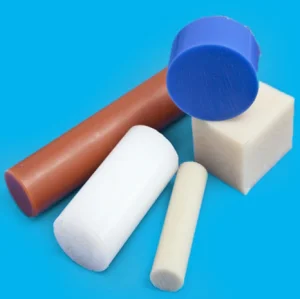
Polyamide PA6 PA66 Nylon, PP, UHMWPE, PTFE Plastic Rod & Bar
View Specifications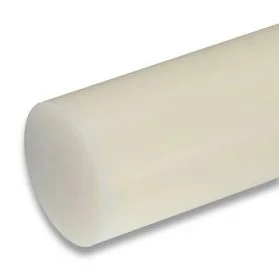
OEM Polyamide Natural MC Cast Nylon PA6 Rod & Round Bar
View Specifications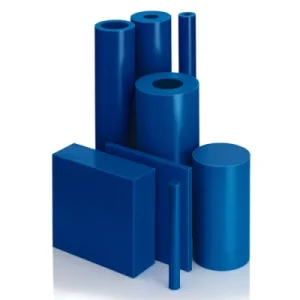
UHMWPE Heavy Duty Jacking Pads & Crane Support Plates
View Specifications
High Hardness POM / Delrin & Nylon Rods 10mmx1000mm Stock
View Specifications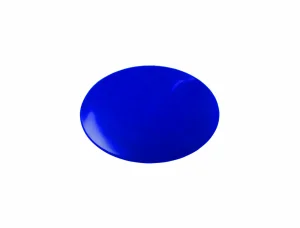
Impact Round Blue Nylon Cushion for Piling Machine Hammer
View Specifications
Discount Polyamide PA6 PA66 Nylon PP UHMWPE PTFE Sheet & Rod
View Specifications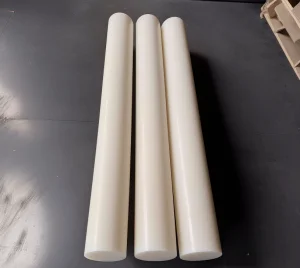
ODM / OEM Cast PA6 Polyamide Nylon Plastic Tube, Rod & Bar
View Specifications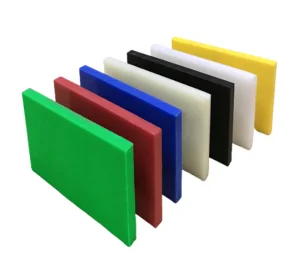
Wholesale Polyamide PA6 PA66 Sheet, Rod & Customized Bar Exporters
View SpecificationsConsult with SHUNDA Sealing Application Engineers
Send 2D/3D component drawings, fluid chemical composition data, or thermal boundary parameters. Receive an initial DFM engineering review and competitive quote within 12 hours.