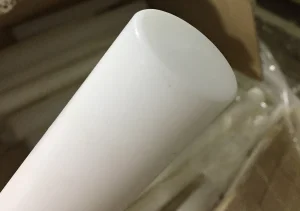
Primary Stock & Semi-Finished Portfolio
Precision-manufactured HDPE, Nylon, UHMWPE, and engineering copolymer tubes and profiles ready for immediate industrial procurement and global logistical delivery.
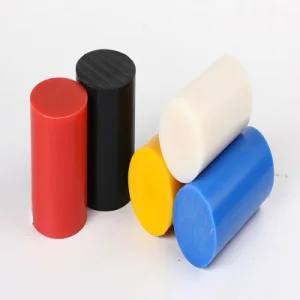
Discount MC Nylon Bar Manufacturers, Suppliers
View Specifications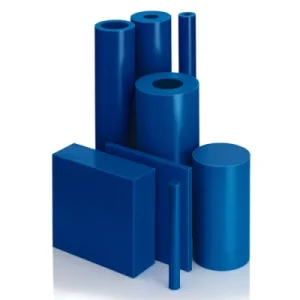
Discount Hot Sale for UHMWPE Heavy Duty Jacking Pads Crane Foot Support Plate Plastic Stabilizer Pad Manufacturer, Companies
View Specifications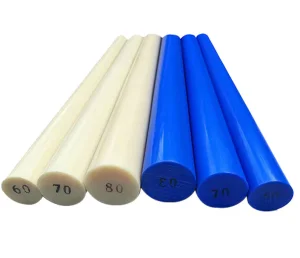
Cheap China MC Blue Cast Nylon Rod Plastic Round Rod And Bar Manufacturers, Factories
View Specifications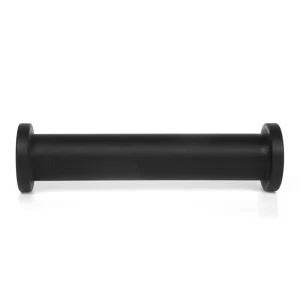
Famous Nylon ABS PP PTFE Plastic Rod Tube Bar Roller Exporters, Products
View Specifications
China Cast Nylon Rod Manufacturers, Products
View Specifications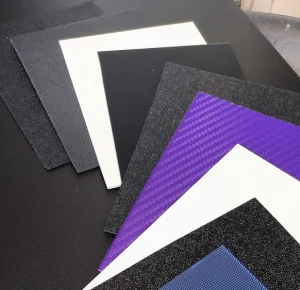
Buy China Engineering Plastic OEM Smooth Texture ABS Plastic Sheet Factory Customized Color With Size Factories, Companies
View Specifications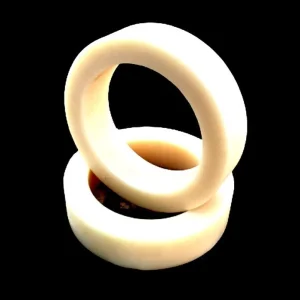
Buy Plastics Polyamide Natural MC Nylon Ring Cast Nylon Tube PA6 POM Rod Round Bar Engineering Plastic Black Polyamide PA66 Nylon PP UHMWPE PTFE HDPE ABS Plastic Ring Bar Factory, Companies
View Specifications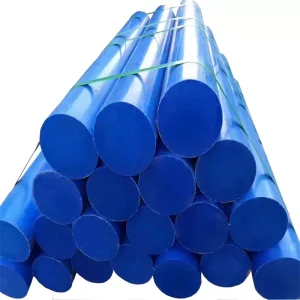
Wholesale China MC Cast Nylon PA66 Plastic PP PE HDPE ABS Round Rod And Bar Supplier, Product
View SpecificationsEngineering Excellence: Sourcing High-Quality HDPE Tubing
Evaluating thermoplastic high-density polyethylene (HDPE 100 / PE4710) polymer integrity, mechanical resilience against Slow Crack Growth (SCG), and precision hollow-bar extrusion.
Molecular Architecture & Density
HDPE tubing manufactured by top-tier suppliers relies on high-density polymer matrices (density range 0.941 to 0.965 g/cm³). By optimizing the bi-modal molecular weight distribution, our extruded tubes deliver an exceptional balance between high tensile yield strength and long-term environmental stress crack resistance (ESCR).
Hydraulic & Flow Dynamics
Featuring a Hazen-Williams roughness coefficient of C = 150, HDPE tubing provides smooth, non-wetting inner bore walls that prevent biological scale accumulation, chemical sediment build-up, and calcification, maintaining laminar flow rates while reducing pumping operational costs across decades of continuous service.
Controlled Thermal Extrusion
Eliminating internal hoop stresses requires continuous vacuum calibration tanks and multi-stage cooling gradients. SHUNDA applies ultrasonic wall thickness gauging during production to enforce precise concentricity, ensuring zero ovality issues during automated butt-fusion, electrofusion, or CNC precision machining.
| Physical / Mechanical Property | Test Standard (ASTM / ISO) | PE80 Technical Metric | PE100 / Premium Grade Value |
|---|---|---|---|
| Base Density (@ 23°C) | ASTM D1505 / ISO 1183 | 0.940 - 0.947 g/cm³ | 0.955 - 0.962 g/cm³ |
| Melt Flow Rate (MFR 190°C / 5kg) | ISO 1133 / ASTM D1238 | 0.4 - 0.7 g/10 min | 0.2 - 0.4 g/10 min |
| Tensile Strength at Yield | ASTM D638 / ISO 527 | 19 - 22 MPa | 23 - 26 MPa |
| Elongation at Break | ASTM D638 / ISO 527 | > 500% | > 650% |
| Slow Crack Growth Resistance (PENT) | ASTM F1473 | > 100 Hours | > 5,000 Hours (PE4710) |
Global Deployment & Localized Engineering Scenarios
Across global civil infrastructure, chemical processing plants, and marine agriculture, selecting verified HDPE tubing suppliers mitigates catastrophic line failure and cathodic corrosion.
Subsea Tailings & Mining Slurry
In copper and gold extraction projects across South America and Western Australia, heavy-wall HDPE hollow bars and tubes replace rubber-lined carbon steel. HDPE provides exceptional resistance to abrasive aggregate slurry while flexing naturally with dynamic tectonic seabed movements.
Chemical Acid Leaching Lines
With immunity to inorganic acids (such as sulfuric acid, hydrochloric solutions, and caustic sodas), industrial HDPE tubes eliminate chemical pitting and stress corrosion cracking (SCC), reducing shut-down maintenance in European and North American processing facilities.
Trenchless HDD Infrastructure
Urban utilities increasingly mandate Horizontal Directional Drilling (HDD) for gas mains and municipal potable water. HDPE's high tensile ductility allows continuous lengths to be pulled under riverbeds and highway interchanges without brittle fracture.
Marine Aquaculture & Offshore Pens
Scandinavian and Chilean open-sea salmon fisheries rely on large-diameter, UV-stabilized HDPE tubing for floating cage rings. Formulated with carbon black additives (>2.5%), our tubes offer superior photolytic degradation resilience against prolonged UV and saltwater exposure.
China Factory Supply Chain Resilience & Efficiency
Operating from Hebei's primary polymer fabrication hub, SHUNDA integrates domestic petrochemical polymer sourcing, high-tonnage automated extrusion lines, and in-house multi-axis CNC turning facilities.
Direct Virgin Polymer Influx
Through strategic industrial partnerships with major polyolefin refiners (Sinopec, PetroChina, Borouge), our facility maintains multi-thousand-ton inventories of certified PE80 and PE100 resins. This scale insulates procurement partners from global market feedstock price spikes and ensures batch-to-batch polymer purity.
Integrated Tooling & Sizing Dies
We design and manufacture our own extrusion calibration sleeves and breaker plates in-house. This cuts turnaround times on non-standard tube diameters (from thick-walled heavy bore to ultra-thin microducts) from the industry average of 45 days down to just 12 business days.
Intermodal Export Infrastructure
Located within close proximity to Tianjin Port, SHUNDA provides automated container stuffing, high-density nesting of disparate tubing diameters to cut shipping freight rates, and international fumigated timber packaging to prevent transport-induced ovality damage.
Technical Roadmap & Next-Gen Polymer Capabilities
To meet the evolving demands of hydrogen conveyance, deep geothermal harvesting, and high-purity microelectronics, our development centers focus on functionalized polyolefin matrices.
PE-RT Raised Temperature Formulations
Extending standard HDPE operating limits from 60°C to 95°C continuous service. By introducing controlled octene side-branching, our PE-RT hollow tubes support industrial hot hydronic circulation and geothermal fluid transfer without requiring chemical cross-linking.
Carbon Nanotube Antistatic Tubing
Formulated for ATEX explosive industrial zones and coal mine ventilation conduits. Multi-walled carbon nanotubes (MWCNT) impart permanent surface resistivity of 10⁴ to 10⁶ Ω/sq without compromising mechanical burst pressure.
Multi-Layer Co-Extrusion (EVOH Barrier)
Engineered for fuel, hydrocarbon conveyance, and sensitive chemical transfer. An impermeable inner Ethylene Vinyl Alcohol (EVOH) sheath acts as a non-permeable vapor shield, preventing hydrocarbon migration and odor leaching into surrounding environments.
Post-Industrial Circular Closed Loops
In support of global ESG initiatives, we offer verified mechanical recycling closed loops. We reprocess clean in-house industrial trimmings into non-pressure utility conduits, drainage pipes, and cable ducting, lowering the overall embodied carbon footprint by up to 48%.
Compliance, Standards & Localized Engineering Support
International distribution requires rigorous documentation. Our quality control laboratory performs real-time hydro testing and batch inspections on every production lot.
Global Regulatory Compliance
Our HDPE materials comply with FDA 21 CFR 177.1520 for direct food and beverage processing, alongside EU 10/2011, REACH, and RoHS directives, verified by third-party testing partners like SGS and TÜV Rheinland.
Standard Dimension Ratio (SDR) Precision
We extrude tubes across standard SDR ratings: SDR 7.4 (PN 25), SDR 9 (PN 20), SDR 11 (PN 16), SDR 17 (PN 10), and SDR 21 (PN 6), maintaining uniform outer diameter (OD) and wall thickness roundness within strict ISO 4427 / ASTM D3035 tolerances.
Technical Consultation & Drawing Reviews
Our dedicated English-speaking application engineering desk assists EPC contractors and machine builders with thermal expansion calculations, jointing fusion parameter charts, and CNC machining speeds and feeds for hollow profile turnings.
Frequently Asked Technical & Sourcing Questions
Clear, direct engineering answers to technical queries from procurement teams and polymer engineers.
What is the primary difference between HDPE tubing and UHMWPE tubing?
While both originate from the ethylene family, HDPE features a molecular weight between 100,000 and 250,000 g/mol, making it easily melt-processable through traditional continuous extrusion and easy to joint via thermal butt-fusion. In contrast, UHMWPE possesses a molecular weight of 3 to 9 million g/mol, which produces a melt index near zero and necessitates specialized ram-extrusion or compression molding.
How does HDPE tubing behave under below-freezing temperatures?
HDPE provides an extremely low glass transition temperature (Tg) of approximately -110°C (-166°F). This structural characteristic prevents brittle glass-phase fractures even in Arctic environments down to -40°C. If water within the tubing freezes, the tube's 600%+ elongation capability allows it to expand slightly without rupture.
What joinery and connection methodologies are recommended?
Because HDPE possesses a non-polar, low-surface-energy surface, traditional solvent adhesives are ineffective. The standard industrial methods are thermal butt-fusion (for heavy-wall tubes above 63mm OD), electrofusion fittings (ideal for gas distribution and tight urban trenches), and mechanical flanged connections incorporating metal backup rings.
Can HDPE hollow tubes be machined cleanly on standard CNC lathes?
Yes. HDPE turns cleanly with sharp tool geometry. Because HDPE has a lower thermal conductivity and higher thermal expansion coefficient than metals, machinists should use positive rake angles, high-speed steel or polished carbide tools, adequate clearance angles, and moderate spindle speeds to prevent localized thermal softening.
How does your factory prevent ovality and wall variations during shipping?
To prevent ovality distortion during ocean transit, large-diameter thin-wall tubes are fitted with internal cross-bracing end rings. Smaller tubes are stacked in rigid wooden crates or nested inside larger diameters. All export pallets feature UV-protective wrapping and desiccant packs for moisture control.
What minimum order quantities (MOQ) and lead times apply?
For standard off-the-shelf extrusion sizes, our MOQ starts at 500 kg per diameter. Custom wall thicknesses, custom colors, or specific SDR ratios typically require a 1,000 kg run. Typical production lead time ranges between 7 and 15 working days, with expedited dispatch for urgent maintenance outages.
Specialty Semi-Finished Shapes & Components
Explore our full line of wear-resistant sheets, solid round bars, outrigger plates, and hollow profiles engineered for demanding industrial tasks.
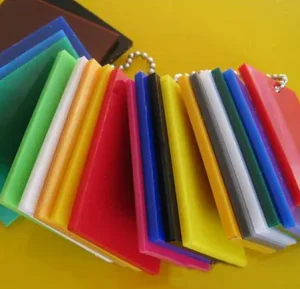
Famous China Supplier Bigfoot Solid Plastic Blocks Customized HDPE Safety Crane Outrigger Pads Companies, Product
View Specifications
Cheap White Nylon Rod Manufacturers, Product
View Specifications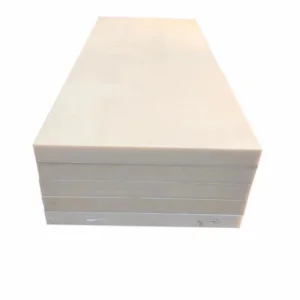
Buy China Gold Supplier Nylon PA6 HDPE UHMWPE ABS PP Moulded Plastic Sheet In Large Size Companies, Products
View Specifications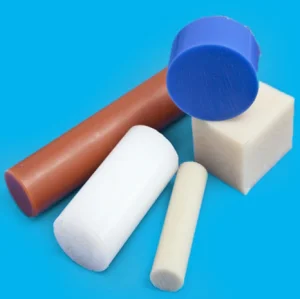
Famous China Engineering Plastic Polyamide PA6 PA66 Nylon PP UHMWPE PTFE HDPE ABS Plastic Rod And Bar Manufacturers, Suppliers
View Specifications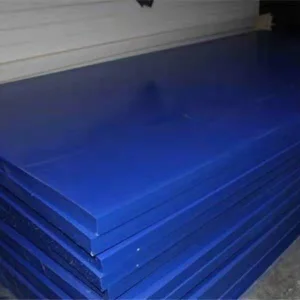
Cheap 2012 Latest Design China Factory Direct Sales Mc Nylon PA6 Sheet/ Polyamide Nylon Sheet Factories, Companies
View Specifications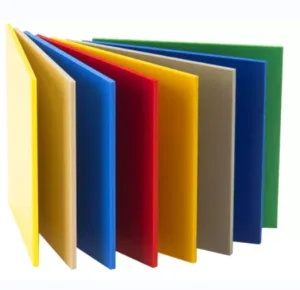
Cheap HDPE Sheet Exporters, Company
View Specifications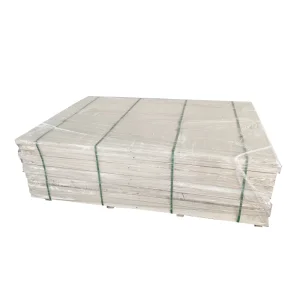
High-Quality China Engineering Plastic Polyamide PA6 PA66 Nylon PP UHMWPE PTFE HDPE ABS Plastic Sheet Tube Rod And Bar Customized Color With Size Suppliers, Factory
View Specifications