
Precision Stock Shapes & Calibrated Polymers
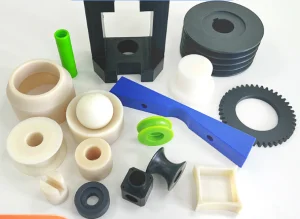
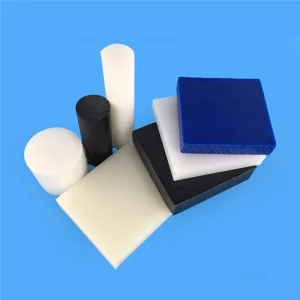
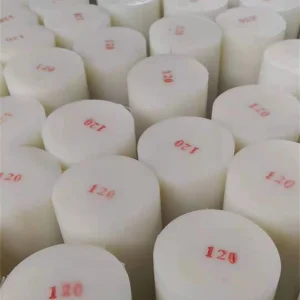
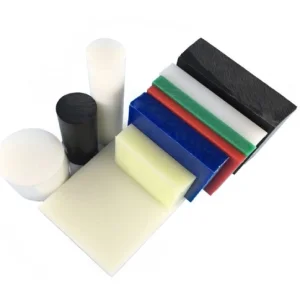
Explore our core continuous-extrusion panels, cast nylon profiles, and wear-grade stock blanks ready for high-tolerance CNC milling and extreme duty deployments.
Engineering Mechanics of High-Density Polyethylene Panels
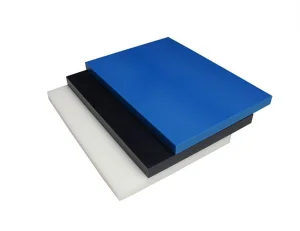
High-Density Polyethylene (HDPE) represents a benchmark thermoplastic characterized by a low degree of polymer chain branching, resulting in an exceptionally high crystalline fraction (up to 70–80%). As an authoritative manufacturer with over two decades of processing legacy in Hebei, China, SHUNDA exploits calibrated low-pressure polymerization regimes to synthesize HDPE panel profiles displaying superior tensile strength, chemical inertness, and cryogenic impact stability.
Unlike standard generic commodity plastics, engineering-grade HDPE panels must navigate the delicate boundary between molecular weight distribution (MWD) and stress-cracking resistance. By maintaining stringent resin rheology controls and continuous melt flow rate (MFR) monitoring (typically 0.2 to 0.5 g/10 min at 190°C/2.16 kg per ISO 1133), our production facilities eliminate the anisotropy and residual internal freezing stresses commonly found in conventional un-annealed thick sheets.
- Cryogenic Toughness: Retains non-brittle impact resistance down to -50°C, outperforming standard PVC and Polyamides in sub-zero applications.
- Universal Moisture Invariance: Water absorption rate < 0.01% (per ASTM D570), ensuring complete dimensional stability regardless of relative humidity.
- Zero Leaching & Biocompatibility: Certified compliant with FDA 21 CFR 177.1520 and EU Regulation No 10/2011 for direct food contact surfaces.
| Physical / Mechanical Property | HDPE Panel (SHUNDA 300) | HMW / UHMWPE Panel | Cast Nylon (PA6) |
|---|---|---|---|
| Density (g/cm³) | 0.955 – 0.965 | 0.930 – 0.940 | 1.15 – 1.16 |
| Tensile Strength at Yield (MPa) | 26 – 32 | 21 – 28 | 78 – 85 |
| Shore Hardness | 64 – 67 Shore D | 60 – 64 Shore D | 82 – 85 Shore D |
| Water Absorption (24h Sat., %) | < 0.01% | < 0.01% | 1.8% – 6.5% |
| Continuous Service Temp (°C) | -50 to +80 | -150 to +90 | -40 to +110 |
| Dielectric Strength (kV/mm) | 45 – 50 | 50 | 25 |
Macro Industry Solutions & Engineered Implementations
From deep-sea marine fenders to high-speed conveyor guideways, our heavy-gauge HDPE sheet formulations are custom compounded to eliminate operational downtime and chemical degradation.
Marine Infrastructure & Port Berthing Systems
Ports and marine jetties demand materials resilient to saltwater corrosion, continuous wave impact, and invasive barnacle fouling. Our UV-stabilized marine-grade HDPE panels serve as low-friction facing pads on port fendering units, ensuring gentle vessel kinetic deceleration without splintering or marking ship hulls.
Chemical Process Vessels & Plating Tanks
Industrial pickling, galvanic plating, and wastewater treatment reservoirs subject linings to aggressive acids, strong bases, and aromatic compounds. Extruded HDPE sheets can be butt-welded and thermoformed into seam-tight vessels that resist sulfuric, hydrochloric, and nitric solutions without micro-fissuring.
Food Processing & Industrial Cleanrooms
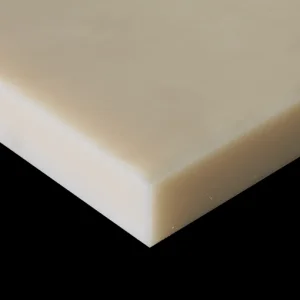
Hygienic butcheries, bakery conveyances, and pharmaceutical sorting tables require non-porous polymer slabs that resist hot caustic washdowns, fungal growth, and knife gouging. Our natural white virgin HDPE sheets are FDA compliant, providing clean chip-resistant slicing surfaces that extend blade lifecycle.
Global Compliance, In-House Metrology & Supply Security
For engineering plastics distributors and tier-1 industrial subcontractors, raw material verification is non-negotiable. SHUNDA operates a closed-loop quality inspection laboratory configured to evaluate every production batch under standardized ASTM and DIN/ISO regimens before export crating.
Our stress-relieved annealing chambers gradually equalize internal polymer temperatures, drastically reducing sheet warping when end-users perform deep pocket CNC machining or asymmetric profiling. Every overseas order is accompanied by standard EN 10204 Type 3.1 inspection documentation covering tensile yield, elongation at break, density variance, and melt volume index.
- REACH & RoHS Compliance: Audited free from heavy metals, phthalates, and Substances of Very High Concern (SVHC).
- Export Safeguard Packaging: Multi-layer PE protective film, edge-reinforced wooden pallets, and desiccated container wrapping for transoceanic maritime transit.
- Rapid Prototype Turnaround: Digital CAD/CAM file processing (STEP, DXF, DWG) for custom CNC components with lead times under 7 business days.
B2B Procurement Parameters
Standard stock specifications available for immediate global dispatch from our Hebei manufacturing hub:
Technology Roadmap: Next-Generation Polyolefins
Continuous investment in co-extrusion technology, molecular re-engineering, and circular circular economy frameworks keeps SHUNDA at the cutting edge of industrial thermoplastic innovation.
Co-Extruded Multi-Tone HDPE Panels
Developing sandwich co-extrusion (A-B-A skin core) with contrast colored layers engineered specifically for outdoor signage, architectural relief carving, and visual wear-indicator lining.
Nanocomposite Reinforced Polyolefins
Integrating surface-treated nano-silica and graphene nanoplatelets to enhance tensile flexural modulus, lowering linear thermal expansion coefficients (CLTE) closer to aluminum alloys.
Halogen-Free UL94 V-0 Flame Retardancy
Transitioning beyond traditional decabromo formulations to advanced phosphorus-nitrogen intumescent systems that extinguish combustion without releasing toxic halogenated dioxins.
Mass-Balance Bio-Attributed Monomers
Targeting fossil-depletion offsets through ISCC+ certified bio-based naphtha feedstocks, offering global OEM clients high-performance engineering panels with verified cradle-to-gate carbon parity.
Heavy-Duty Engineering Plastic Semis & Components
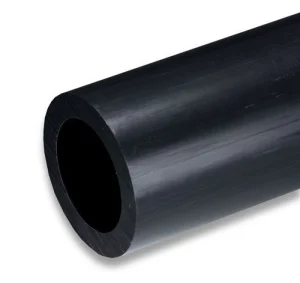
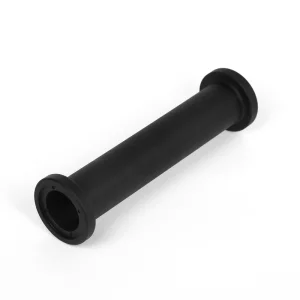
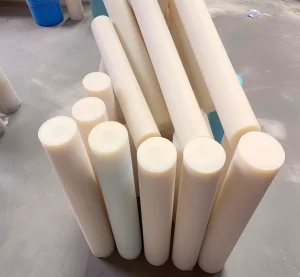
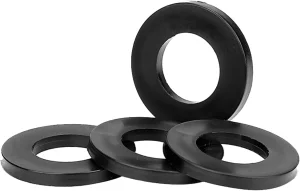
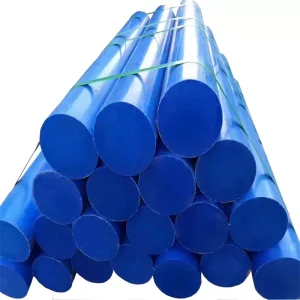
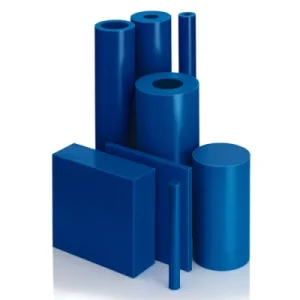
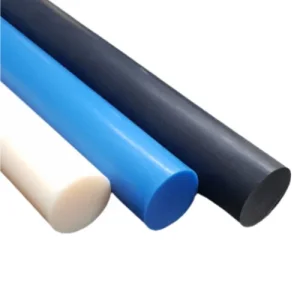
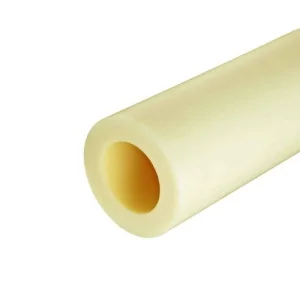
Complete your supply chain procurement with our specialized MC Cast nylon rods, stabilizer outrigger pads, and extruded polyolefin tubular stocks.

Frequently Asked Technical & Procurement Questions
Clear, unvarnished guidance straight from our material formulation scientists and shop-floor CNC machining directors.