
Famous Welding Bar Suppliers & Products: Precision Engineering Plastics
A comprehensive technical authority on high-performance thermoplastic welding bars, copolymer extrusion rods, joint integrity metrics (DVS/ASTM), and direct-source supply chain infrastructure.
Top 8 Recommended Engineering Polymer Welding & Structural Products
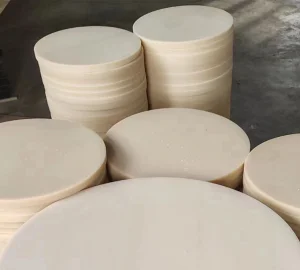
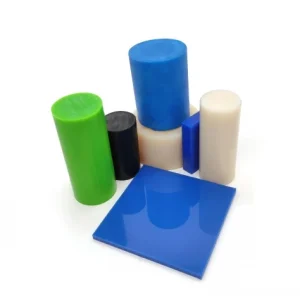
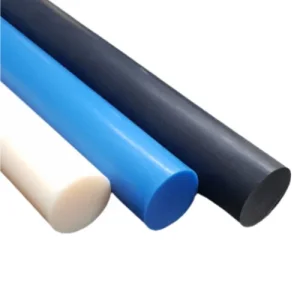
Certified factory-direct stock including standard and custom dimensioned polymer profiles, cast PA6 billets, wear rods, and CNC machineable semi-finished bars.
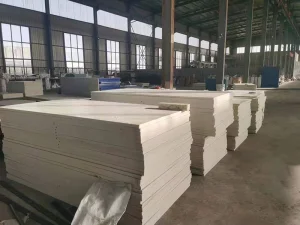
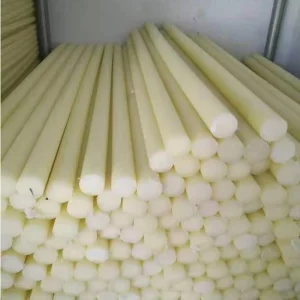
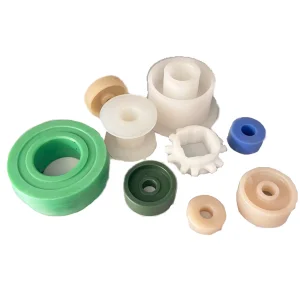
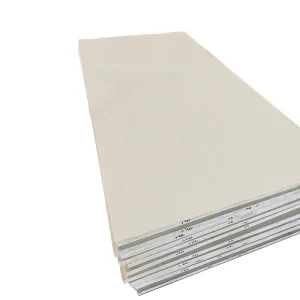
The Engineering Dynamics of Thermoplastic Welding Bars & Billets
How molecular weight alignment, melt flow indexing (MFI), and thermal stress management define seam strength in modern apparatus construction.
Intermolecular Chain Diffusion
Unlike adhesive bonding or mechanical fastening, high-grade polymer welding relies on macromolecular chain entanglement across the heat-affected zone (HAZ). When utilizing virgin PE-100, PP-H, or PA6 welding rods, matching the Melt Flow Index (MFI) within a 0.2 to 0.7 g/10min variance ensures a monolithic joint that matches parental hoop tensile strength.
Controlled Annealing & Internal Stress
Unannealed extrusion rods contain severe frozen-in draw stress that induces warping and localized micro-cracking under thermal hot gas or extrusion welding guns. SHUNDA implements secondary oil-free convection annealing cycles, reducing residual molecular tension to near-zero and preventing seam buckling in pressure vessel welds.
Antioxidant & Thermal Stabilization
During hot-air welding at 280°C to 340°C, inferior polymers undergo oxidative chain scission and rapid thermal degradation. Our welding bars incorporate dual-stage hindered phenolic antioxidants (Irganox grade equivalent) and organophosphites, preserving molecular integrity throughout high-temperature extrusion passes.
High-Stakes Localized Application Scenarios for Engineering Welding Bars
From extreme chemical pickling environments to sub-zero bulk material liners, explore where certified polymer welding delivers decisive structural performance.
Chemical Storage & Pickling Tank Fabrication
Industrial pickling vats containing 20% hydrochloric acid (HCl) at 60°C demand impervious joints. Using our 4mm and 5mm PP-H (Polypropylene Homopolymer) triple-strand welding rods, fabricators achieve seamless, void-free multi-pass V-butt welds compliant with DVS 2205-2 design standards, eliminating the catastrophic environmental hazards of corrosive acid leakage.
Mining Chute & Hopper UHMWPE Liners
Transfer chutes in iron ore processing plants suffer from constant abrasion. While UHMWPE cannot be melted via standard hand torches due to its near-infinite melt viscosity, specialized extrusion welding bars combined with crosslinked HDPE backing plates allow reliable joint sealing that prevents particulate ingress beneath the wear panels.
Automotive Collision Repair & Intake Manifolds
Modern vehicle bumper fascias and air intake components utilize impact-modified Polyamide (PA66-GF30) and ABS. Repairing hairline fractures requires welding rods formulated with identical organosilane-treated short glass fibers, recovering up to 88% of original flexural modulus without introducing stress concentrations.
Marine Infrastructure & Aquaculture Floating Pens
Black carbon-stabilized HDPE bars (grade PE-100 RC) are vital for fabricating ocean-going aquaculture pens and floating marina pontoons. The continuous bead profile resists high cyclic wave fatigue, UV radiation, and biofouling colonization in harsh saltwater splash zones.
Semiconductor Cleanroom Wet Benches
In wafer manufacturing, purity is absolute. Chemical etching benches require welding with high-purity natural PVDF (Polyvinylidene fluoride) and PTFE filler rods. Fabricated in ISO Class 7 cleanrooms, these rods feature sub-ppb metal ion extractables and extreme resistance to hydrofluoric acid (HF).
Municipal Underground Water & Gas Culverts
Large-diameter trenchless pipelines require extrusion welding of joints on-site. SHUNDA supplies 4mm round and triangular coiled HDPE welding bars featuring high environmental stress crack resistance (ESCR > 5000 hours under ASTM D1693 condition B).
Engineering Plastics Thermal Fusion Specification Reference
A reference guide formulated by factory process metallurgists to eliminate weld seam porosity, oxidative thermal degradation, and structural notch sensitivity.
| Polymer Base Material | Melt Temp (°C) | Hot Air Temp (°C) | Extrusion Mass Temp (°C) | Joint Strength Factor (fz) | Profile Forms Available |
|---|---|---|---|---|---|
| PA6 / Polyamide (Nylon) | 215 – 225 | 270 – 300 | 240 – 260 | 0.80 – 0.88 | Round 3mm, 4mm, 5mm; Cut lengths |
| PP-H (Polypropylene Homopolymer) | 160 – 168 | 260 – 285 | 210 – 230 | 0.90 – 0.95 | Round, Triangular 90°, Triple-strand |
| HDPE (PE-100 High Density PE) | 130 – 135 | 250 – 275 | 205 – 225 | 0.92 – 0.98 | Round 3, 4, 5mm; Oval; Spools & Bars |
| POM-C (Polyacetal Copolymer) | 165 – 175 | 240 – 260 | 190 – 210 | 0.75 – 0.82 | Precision Calibrated Round 3mm, 4mm |
| ABS (Terpolymer) | 105 (Tg) | 230 – 250 | 190 – 210 | 0.85 – 0.90 | Custom Color Matching; Round & Flat |
| PVDF (Polyvinylidene Fluoride) | 172 – 178 | 310 – 330 | 240 – 255 | 0.88 – 0.94 | High Purity Cleanroom Bagged 3mm, 4mm |
Technical Welding Note: Pre-Drying Hygroscopic Polymers
Crucial Process Rule: Unlike polyolefins (HDPE, PP), Polyamide (PA6/PA66) naturally absorbs up to 3.5% atmospheric moisture at equilibrium. Hot gas welding with moisture-saturated nylon causes instantaneous steam cavitation within the melt zone, generating microscopic bubbles that slash joint impact toughness by up to 60%. Always pre-dry PA welding bars at 80°C for 4 to 6 hours or specify vacuum-sealed moisture barrier foil packaging direct from our factory.
Global Industrial Landscape: Standardization & Supply Bottlenecks
Analyzing shifting international regulatory frameworks and how modern fabricators manage raw material volatility.
DVS & ASTM Global Standard Convergence
The global thermoplastic fabrication industry is transitioning toward rigid compliance under the German Welding Society (DVS) standards (specifically DVS 2207 for heated tool and extrusion welding and DVS 2209 for hot gas welding) alongside ASTM C1147 tensile evaluation. Overseas procurement managers can no longer accept non-standardized rods where batch-to-batch molecular weight fluctuations lead to seam cracking under pressure testing.
Supply Chain Realignment & OEM Sourcing
Traditional North American and European fabricators face unprecedented inflation in energy and regional polymer processing costs. This has driven EPC contractors and tier-1 OEM equipment makers to establish direct relationships with verified Chinese manufacturing facilities capable of producing certified polymer billets, sheets, and welding consumables with documented trace certificates.
Custom Compound Formulation Demands
Standard off-the-shelf plastic rods frequently fail in specialized applications involving static discharge risks or extreme flame-retardancy mandates. Global industrial demand is shifting rapidly toward custom-compounded welding bars infused with carbon black (conductive ATEX-rated), UV inhibitors (Ciba Tinuvin systems), or UL94-V0 non-halogenated flame retardants.
Chinese Supply Chain Resilience & Factory Cost-Efficiency
How SHUNDA's Xinhe manufacturing base combines raw resin polymer synthesis, dedicated extrusion lines, and rapid deep-sea shipping logistics.
Vertical Integration from Resin to Extrusion
Situated in the industrial polymer cluster of Xingtai, Hebei Province, our factory operates with end-to-end process control. We maintain direct pipeline partnerships with Sinopec and PetroChina for prime virgin polyolefin and polyamide resins, mitigating intermediate merchant markups and ensuring 100% prime-virgin batch purity without regrind contamination.
Rapid Tooling & High-Tolerance Calibration
Our in-house tool and die design department creates custom extrusion nozzles within 72 hours. Utilizing multi-axis laser micrometer diameter monitors, our automated extrusion lines hold continuous rod tolerances to within ±0.05mm, preventing wire feed jamming in automated Leister, Wegener, and Munsch extrusion guns.
Strategic Deep-Water Export Corridors
Located within direct trucking transit to Tianjin Port and Qingdao Port, our factory eliminates inland transshipment delays. Palletized and export-crated shipments clear customs swiftly, supporting FOB, CIF, or DDP delivery frameworks worldwide with full certificate trace suites (MTR, RoHS, REACH, FDA).
Technological Roadmap & Future Outlook (2025–2035)
Pioneering advancements in automated laser welding additives, nano-composite matrix enhancement, and zero-loss circular polymer recycling.
Laser Polymer Transmission Welding (LPTW) Formulations
Next-generation automotive and medical devices demand flash-free, vibrationless joining. SHUNDA R&D is engineering welding bars compounded with near-infrared (NIR) absorbent micro-dyes (980nm wavelength peak), enabling laser-guided sub-millimeter seam fusion with zero mechanical tool contact or thermal distortion.
Graphene & CNT Reinforced Fusion Matrices
By dispersing 0.5% carbon nanotubes (CNTs) into polyolefin welding profiles, our advanced engineering laboratory has recorded a 35% increase in interlaminar shear strength and complete electrical dissipative continuity, unlocking explosion-proof ATEX-rated pipeline containment joints.
Circular Bio-Polyamides & Recycled PE-100 RC
Aligning with global ESG and EU taxonomy mandates, we are validating bio-derived PA510 welding rods (castor oil monomer derived) and 100% PCR high-density polyethylene profiles that maintain strict ISO 527 tensile ratings without oxidative embrittlement during re-melting cycles.
Localized Technical Support & Rigorous Compliance Frameworks
Comprehensive international certifications, non-destructive test documentation, and dedicated engineering consultation for EPC buyers.
International Compliance Portfolio
Every batch of engineering plastic rod, sheet, and welding profile ships with verifiable documentation conforming to RoHS 2.0 (Directive 2011/65/EU), REACH SVHC (Regulation EC 1907/2006), and FDA 21 CFR 177.1500 / 177.1520 food-contact contact standards.
Non-Destructive High-Frequency Spark Verification
To assure flaw-free joins in lining installations, our technical service provides guidelines for high-frequency spark leak testing (DVS 2206). When fabricating with our conductive-core co-extruded welding bars, inspectors can pinpoint pinhole gaps with 25kV test probes in seconds.
Dedicated Engineering Drawing Review
Submit your 2D (DWG/PDF) or 3D (STEP) drawings for review by our senior polymer applications team. We verify weld prep chamfer angles (60° V-groove vs. 70° X-groove), evaluate differential thermal expansion factors, and suggest optimal stock billet sizing to reduce machining waste.
Frequently Asked Questions: Technical Engineering & Sourcing
Authoritative, chemistry-backed solutions to the most critical technical inquiries encountered by procurement agents and field welding supervisors.
Why cannot different polymer materials (e.g., PP and HDPE) be welded together?
Welding requires mutual chain diffusion and thermodynamic miscibility at the molecular level. PP and HDPE possess distinct crystalline morphologies and melt transition temperatures (PP melts at ~165°C, HDPE at ~132°C). Mixing the melts results in a phase-separated boundary with zero polymer chain entanglement, causing the joint to fail under minimal shear stress. Always weld like-to-like materials.
What is the difference between Round, Triangular, and Triple-strand welding profiles?
Round bars (3mm, 4mm, 5mm) are universally versatile for multi-run fill passes. Triangular profiles (e.g., 90° fillet profiles in 5.7mm or 7mm) allow single-pass corner fillet welds on tank stiffeners, drastically reducing labor time while maximizing root throat depth. Triple-strand profiles consist of three parallel round strands bonded together, designed specifically for rapid single-pass root filling on heavy plate butt joints.
How does SHUNDA ensure diameter consistency and prevent rod feeding blockages?
We utilize closed-loop digital puller track systems paired with dual-axis Mitutoyo laser micrometer gauges running at 500 scans per second. If rod diameter deviates beyond ±0.05mm from the nominal specification, the extrusion speed automatically recalibrates. This completely prevents jam-ups inside the pre-heating chamber of hand-held extrusion welding shoes.
Why is scraping/scraping the surface oxide layer mandatory before polymer welding?
When engineering plastics (especially polyolefins like PE and PP) are exposed to ambient light and air, UV radiation and atmospheric oxygen form a microscopic photo-oxidized degradation layer on the surface. This oxidized skin has a crosslinked or fragmented molecular structure that will not fuse. It must be mechanically scraped away with a dedicated scraper blade immediately prior to applying hot air or extrusion shoes.
What packaging standards are used to protect rods during multi-week ocean transport?
Precision welding rods and semi-finished stock bars are susceptible to atmospheric moisture and UV discoloration. We wrap coils and straight bars in heavy-duty polyethylene stretch film, pack them inside sealed vapor-barrier foil pouches with silica desiccant, and crate them in ISPM-15 compliant heat-treated plywood cases engineered for forklift handling and zero shipping sag.
Can you formulate custom color matches to match proprietary OEM tanks?
Yes. By utilizing our computerized spectrophotometer laboratory, we compound masterbatches according to RAL or Pantone color standards. We ensure that our color pigments are cadmium-free, non-migrating, and do not compromise the dielectric breakdown voltage or tensile yield rating of the base resin.
Additional Engineering Polymer Billets, Machined Parts & Profiles
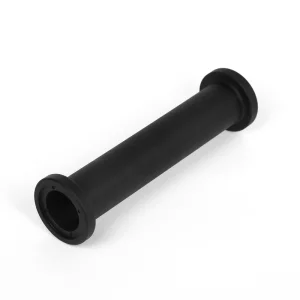
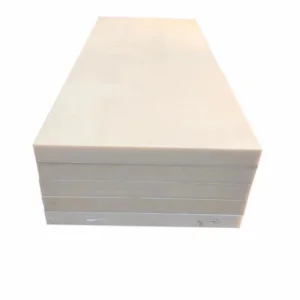
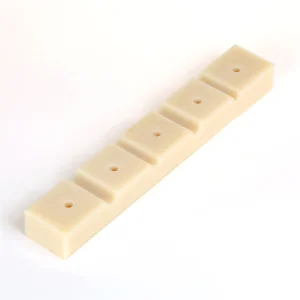
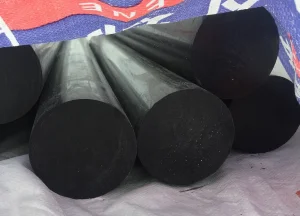
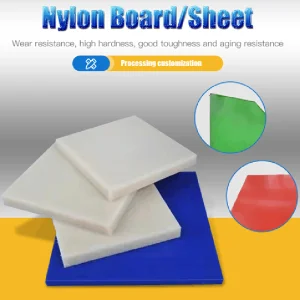
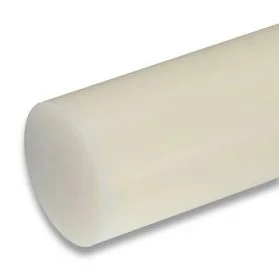
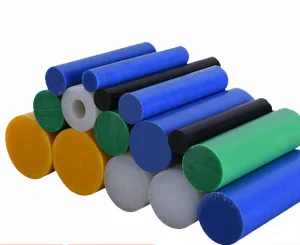
Complete your supply chain requirements with our specialized cast nylon rollers, molded sheets, POM bar stock, and custom fabrications.

Request Certified Material Test Reports & Factory Price Schedules
Partner with a dedicated Chinese polymer manufacturer with 20+ years of production experience. Contact our technical team with your dimensional tolerances, material grade, and estimated order volumes.