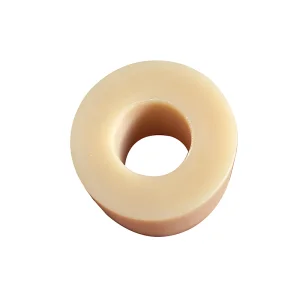
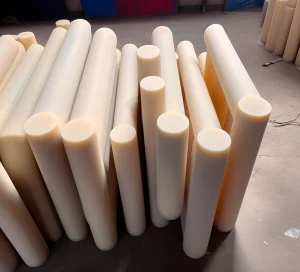
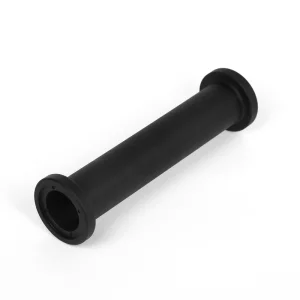
Primary Engineered Polymer Stock & Mobility Assemblies
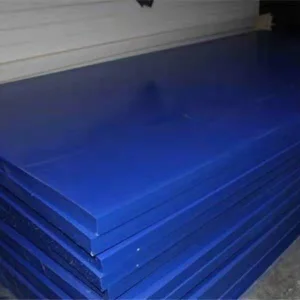
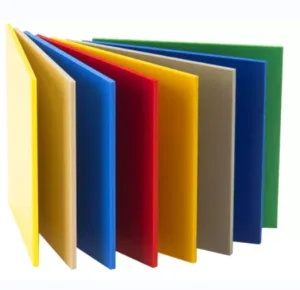
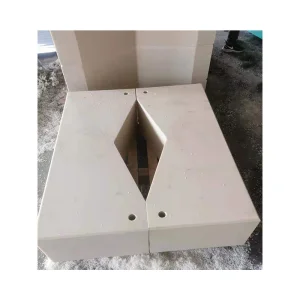
Explore our core engineering grade rods, wear sheets, precision-machined tubes, and performance polymer components selected by global logistics manufacturers.
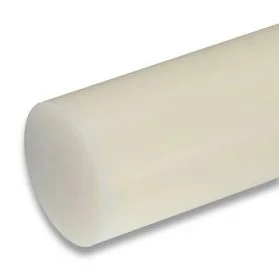
Global Industry Panorama & Material Dynamics
The convergence of automated logistics, warehouse robotics, and extreme heavy-duty transport demands resilient mobility solutions.
The Macro-Industrial Transition: From Natural Rubbers to Polymer-Rubber Hybrids
In modern industrial logistics, the classification of a famous rubber wheel manufacturer is no longer limited to basic vulcanization. International intralogistics systems, automated guided vehicles (AGVs), and autonomous mobile robots (AMRs) impose continuous dynamic loading cycles that surpass traditional solid rubber limits. Standard elastomeric systems suffer from hysteresis heat buildup, interfacial delamination, and excessive rolling resistance under sustained multi-ton payloads.
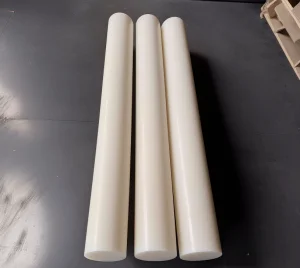
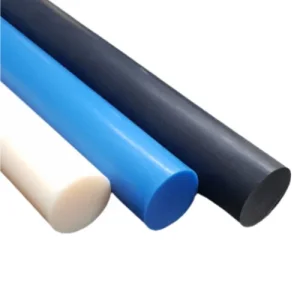
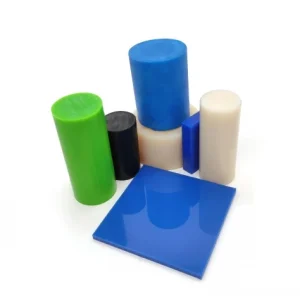
SHUNDA bridges elastomeric elasticity with high-modulus semi-finished engineering polymers. By manufacturing heavy-duty cast polyamides (MC Nylon PA6), polyoxymethylene (POM), and ultra-high-molecular-weight polyethylene (UHMWPE) as core hubs and structural bushings, we produce high-performance industrial wheels with exceptional fatigue endurance. Our hybrid assemblies prevent catastrophic rim deformation, reduce rolling resistance, and safeguard coated floor infrastructure across international distribution centers.
Thermal Hysteresis Control
Continuous dynamic flexing generates internal friction. Our advanced compounding integrates dynamic silanized silica and optimized polybutadiene structures, keeping heat low during high-speed, continuous robotic travel.
Severe Chemical Stability
Industrial manufacturing plants expose wheel treads to hydraulic oils, aggressive acids, and alkaline cleaning fluids. Our polymer wheel cores and synthetic tread rings resist swell, degradation, and loss of tensile integrity.
Precision CNC Hub Interface
By producing CNC-machined inserts from POM acetal and self-lubricating PA6 bars, SHUNDA eliminates bearing race slop and axial misalignment under heavy lateral loads.
Engineering Material Selection Matrix for Heavy Industry
A technical comparison to help mechanical designers and procurement directors choose the optimal polymer-elastomer configuration.
| Material Classification | Hardness (Shore / Rockwell) | Dynamic Friction Coeff. (μ) | Tensile Strength (MPa) | Core Application Benefit |
|---|---|---|---|---|
| Cast PA6 (MC Nylon) | M88 - M95 | 0.15 - 0.22 | 85 - 110 | Ideal for high-load wheel rims, heavy gantry rollers, and low-wear bushings. |
| Vulcanized NBR / Rubber | 65A - 85A | 0.45 - 0.70 | 15 - 28 | Superior impact shock dampening, non-marking floor traction, and quiet rolling. |
| UHMWPE Ultra-Slide | 64D - 68D | 0.08 - 0.12 | 35 - 48 | High chemical inertness, sub-zero cold storage performance, zero moisture uptake. |
| POM-C Acetal Copolymer | M80 - M85 | 0.20 - 0.25 | 65 - 75 | Tight machining tolerance for precision gear hubs and high-speed bearings. |
| PTFE Solid Composite | 50D - 55D | 0.04 - 0.06 | 20 - 32 | Continuous chemical exposure lines, high-temperature autoclaves, and cleanroom tracks. |
Localized Industrial Application Scenarios
Engineered rubber wheel assemblies and polymer stocks perform across mission-critical global operational domains.
Automated Warehousing & AGVs
High-duty cycles in robotic fulfillment centers require wheels that resist flat-spotting under stationary dwell times. Our vulcanized rubber treads paired with cast nylon cores provide true tracking, low power draw, and consistent odometry readings.
Port & Maritime Heavy Transport
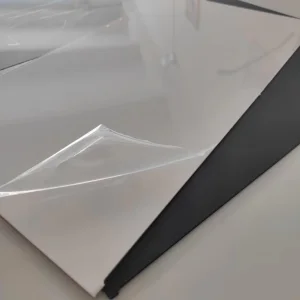
Salt spray, seawater immersion, and heavy dock crane operations degrade low-grade metals. SHUNDA UHMWPE sheets and solid MC Nylon guide rollers withstand coastal corrosion, outlasting bronze and steel sheaves without grease washing.
Food & Pharmaceutical Handling
Processing plants demand daily washdowns with aggressive caustic agents and steam. Our POM and virgin natural polyamide components resist moisture expansion, ensuring dimensional integrity across hygiene-critical processing corridors.
Technical Roadmap & Sustainable Manufacturing Outlook
Our research and engineering initiatives focus on closed-loop circularity, low rolling resistance, and smart tracking systems.
Bio-Based Elastomers
Integrating sustainably sourced epoxidized natural rubbers and recycled silicates to cut lifecycle carbon emissions without compromising dynamic load ratings.
Integrated RFID Hubs
Embedding passive temperature and rotation sensors directly into CNC-machined nylon wheel cores for real-time predictive wear monitoring.
Continuous Cast Polyamide
Advancing automated vertical mold casting for monobloc MC Nylon wheels up to 1200mm in diameter, minimizing internal void formations.
Extreme Cryo-Resilience
Engineered UHMWPE molecular formulations designed for continuous operation at -45°C in automated cold-chain distribution vaults.
Technical Clarifications & Engineering FAQ
Real-world insights on polymer selection, wheel dynamics, and heavy industrial integration.
Export Precision Machined Polymers & Specialized Rollers
Explore our secondary lineup of precision hollow bars, sliding sheets, fluoropolymer rods, and specialized rollers manufactured for international equipment builders.