Industrial Product Showcase
High-Velocity Impact Cushions & Specialized Polymeric Rods
Direct factory engineering solutions optimized for pile driving, high-load industrial machinery, and aggregate screening modules.
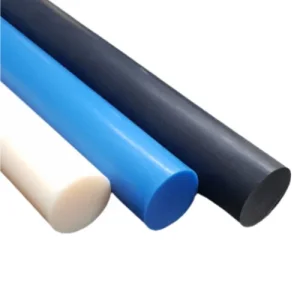
OEM Cast MC Nylon Rod Suppliers, Product
View Details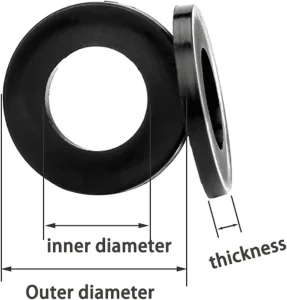
Famous Black Color Nylon Ring Cushion Use For Impact Hammer For Piling Machine
View Details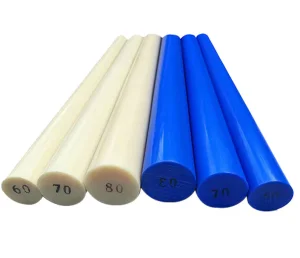
Cheap China MC Blue Cast Nylon Rod Plastic Round Rod And Bar Manufacturers
View Details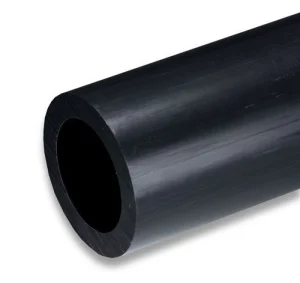
Discount POM Tube Black POM Tube, White POM Tube, POM Pipe Exporters
View Details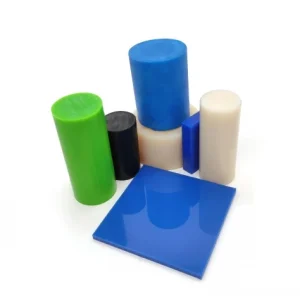
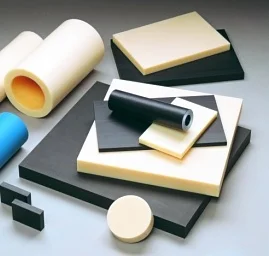
Engineering Plastic Polyamide PA6 PA66 Nylon PP UHMWPE PTFE Sheet Rod Bar
View Details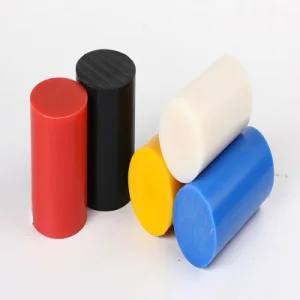
Cheap White Nylon Rod Manufacturers, High-Elasticity Stock Product
View Details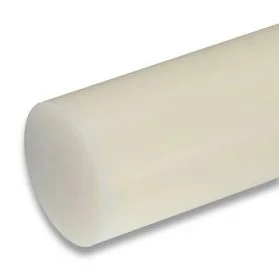
OEM Polyamide Natural MC Nylon Cast PA6 Rod Round Bar Engineering Plastic
View Details
Industry White Paper
The Global Landscape of Industrial Rubber & Polymeric Panels
A deep dive into high-rebound dampening, mineral extraction screening dynamics, and structural impact abatement systems.
Dynamic Macroeconomic Demand
Modern processing plants face strict continuous uptime mandates. Globally, famous rubber panel manufacturers are moving away from homogeneous vulcanized natural rubber towards composite elastomer plates. By integrating high-molecular polymers like PA6, MC cast nylon, and UHMWPE with multi-layer steel reinforcement cords, factories achieve superior dampening matrices capable of withstanding tens of thousands of metric tons of dynamic cyclical fatigue without delamination.
Cross-Disciplinary Material Synergy
When pure elastomers are deployed in extreme abrasion zones, premature shearing occurs. Our factory champions polymer co-curing techniques: bridging high-damping synthetic chloroprene/polyurethane rubber panels with slick, wear-resistant engineered acetal (POM) and ultra-high-molecular-weight linings. This hybrid profile neutralizes impact shock vectors while maintaining an ultra-low coefficient of kinetic friction to eliminate material pegging and blinding.
Noise & Vibration Attenuation (NVH)
Regulatory tightening across North America, the EU, and Australasia now mandates strict limits on industrial decibel emissions. Rubber screen panels and piling cushion blocks deliver acoustic deadening of up to 18–25 dB(A) compared to traditional manganese steel plates. This mechanical dampening reduces structural chassis stress across vibratory screening units, significantly extending machine service life.
Macro Solutions
Macro-Industrial Engineering Solutions & Modern Paradigms
Transitioning from consumable wear plates to predictive, high-efficiency polymeric systems.
Hydraulic Hammer & Pile Driver Cushioning
Piling operations subject machinery components to extreme compressive shock. By coupling specialized Nylon Ring Cushions with elastomeric rubber backing plates, impact hammer forces are absorbed evenly. This prevents direct metal-on-metal micro-welding and spalling, protecting both the anvil core and pile head from catastrophic shattering.
High-Tonnage Slurry Chute Protection
In copper, gold, and iron beneficiation circuits, acidic slurries carrying sub-10mm particles wear out bare metal chute walls within months. Tailored rubber-faced panels reinforced with cast polyamide liners provide a resilient elastic rebound phase that dissipates abrasive hydrodynamic scouring, extending chute lifespans by up to 400%.
Modular Quick-Change Screen Decks
Legacy bolted panels require substantial downtime during changeouts. Next-generation rubber panels utilize snap-in pin and sleeve fasteners alongside self-relieving apertures. Apertures are engineered with downward flare tapers, preventing moist clays and fines from lodging within the screen and ensuring uninterrupted screening throughput.
Operational Environments
Field Deployment Scenarios Across Key Regions
Examining operational adaptations to differing geology, chemical exposure, and mechanical stress profiles.
Pilbara Iron Ore (Western Australia)
High ambient operating temperatures (frequently exceeding 45°C) combined with hematite ore abrasive hardness demand rubber panels with tailored thermal stabilizers and carbon-black structures. Our factory supplies UV- and thermal-degradation resistant blends that retain elasticity without embrittlement or surface hardening under sustained desert sun exposure.
Marine Infrastructure & Deepwater Piling (Southeast Asia)
Port reclamation projects in high-salinity marine zones require impact hammer nylon cushions and rubber buffer rings that resist saltwater swelling, microbial degradation, and hydraulic oil splashing. Hydrolysis-resistant polymer compounding ensures compressive strength and elasticity remain steady during millions of continuous strikes.
Sub-Zero Aggregates & Crushing (Nordic & Canadian Belts)
In cold arctic quarries, ordinary rubber and basic thermoplastics drop below their glass transition temperature (Tg), turning brittle and prone to cracking under rockfall. We supply low-Tg polybutadiene-modified elastomer panels with UHMWPE cap strips, preserving high dynamic elasticity down to -40°C.
R&D Vision
Technology Roadmap: Next-Gen Elastomer & Polymer Composite Panels
The progression toward intelligent condition monitoring, eco-circular formulations, and advanced compounding.
Phase 1: Nano-Silica Reinforcement
Deploying organo-functionalized nano-silica and graphene platelets within the rubber matrix. Laboratory testing shows a 32% increase in ultimate tensile strength and a 40% reduction in DIN abrasion loss, enabling thinner panels with higher operating throughput.
Phase 2: IoT-Embedded Wear Sensors
Embedding ultra-thin, passive RFID micro-transponders and conductive elastomer layers directly into panels. Maintenance teams monitor real-time thickness loss via non-destructive telemetry, shifting plant operations from scheduled maintenance to true predictive condition-based changeouts.
Phase 3: Circular Polymer Recyclability
Engineering devulcanizable thermoplastic vulcanizate (TPV) blends to replace thermoset rubber panels. Spent panels can be cleaned, reground, and re-extruded into baseline engineering plastic rods or sheet products, supporting zero-landfill ESG targets for multinational mining operators.
Buyer Knowledge Base
Frequently Asked Technical Questions (FAQ)
Clear, direct answers to common engineering questions regarding rubber panels and polymeric components.
What are the key performance differences between rubber screen panels and polyurethane (PU) screen panels?
While both materials outperform punched steel plates, natural or synthetic rubber panels excel in high-impact, coarse-feed primary and secondary screening environments (top sizes exceeding 75mm to 150mm). Rubber provides superior natural rebound resilience, energy absorption, and noise dampening. Polyurethane panels, on the other hand, provide higher tear resistance across fine-mesh wet slurry classifications below 10mm. Many industrial plants combine both: heavy rubber panels in the high-impact feed zone, transitioning to polyurethane in the discharge and dewatering stages.
Why are Cast MC Nylon and Cushion Rings paired with rubber in piling hammer equipment?
Impact hammers generate massive, instantaneous kinetic shock waves that easily shatter rigid metals. Pairing impact-resistant Cast MC Nylon blocks (or PA6) with tough elastomeric cushion rings creates a balanced two-stage absorption profile. The nylon distributes high compressive loads evenly across the ram face without mushrooming or fracturing, while the rubber backing absorbs residual vibrational frequencies. This protects hydraulic circuits and anvil cylinders from rapid fatigue failure.
How does Shore Hardness affect wear life in abrasive ore handling?
For high-angle impact zones (where materials drop vertically onto a plate), a softer rubber (50 to 65 Shore A) performs best by deforming elastically and rebounding energy without tearing. For shallow sliding abrasion zones (chutes, launders, and conveyor transfers under 30° impact angle), harder elastomers (75 to 90 Shore A) or engineered plastics like UHMWPE or Cast Nylon are preferred. These prevent abrasive aggregate edges from gouging into the surface layer.
Can your factory provide custom sizes, pre-formed bolt holes, and metal backplates?
Yes. Our manufacturing facility handles both standard catalog formats and fully customized OEM production runs. We produce vulcanized rubber panels bonded with mild steel or aluminum backplates, countersunk fastening apertures, internal reinforcement skeletons, or direct CNC routing for unique equipment configurations. Custom formulations can also be tuned for specific oil resistance, fire-retardant (MSHA), or antistatic performance requirements.
How do engineering plastics like POM and UHMWPE compare when combined with rubber panels?
POM (Polyoxymethylene / Acetal) delivers high mechanical rigidity, precise dimensional stability, and low moisture absorption, making it an excellent choice for alignment sleeves, machined guide bushings, and precision interlocking pins. UHMWPE delivers the lowest coefficient of friction and superior sliding abrasion resistance, making it ideal as a smooth capping strip or slider plate bonded to rubber cushions in continuous belt conveyors and hopper transfer walls.
Precision Machining & Extrusions
Custom Engineered Polymeric Plates, Sheets & Composite Stock
Complete in-house control: from casting and extrusion to finished CNC-machined components ready for immediate site integration.
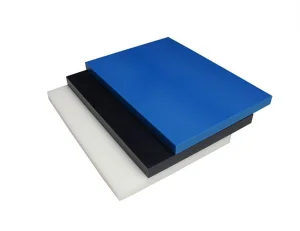
Engineering Plastic PA6 Nylon UHMWPE PTFE HDPE PP Sheet Board Plate Tube Rod
View Details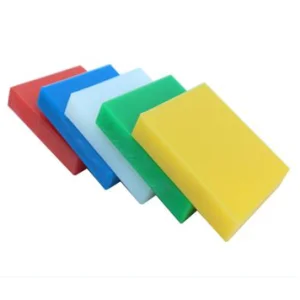
Engineering Plastic Polyamide PA6 PA66 Nylon PP UHMWPE PTFE ABS Sheet Rod
View Details
Discount MC Nylon Bar Manufacturers, Precision Extruded Suppliers
View Details
China White POM Rod, Black POM Rod, POM Bar, POM Plastic Rod Suppliers
View Details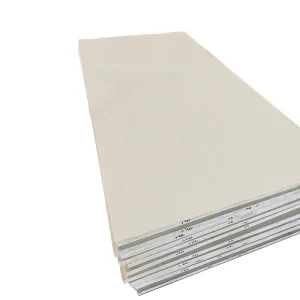
Casting Polyamide Nylon ABS PTFE HDPE UHMWPE Plastic Sheet Tube Rod Bar
View Details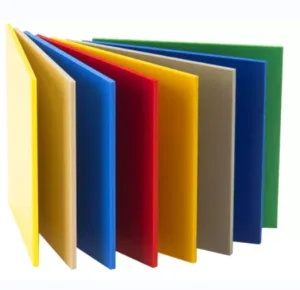
High-Quality UHMWPE Sheet Manufacturer, High Slip Wear Plates
View Details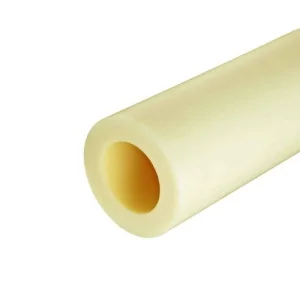
Nylon Rod, Nylon Tube, PP Tube, ABS Tube, Plastic Tube, PP Rod Factory
View Details