
Featured Industrial Polymers & Precision Components (Batch 01)
Direct factory production of ultra-resilient engineering polymers, high-impact casting boards, and precision-machined elements engineered for pallet core reinforcing and heavy equipment skids.
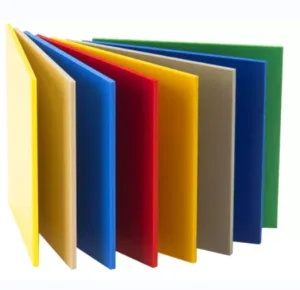
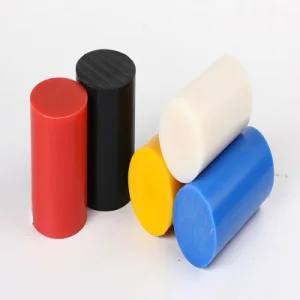
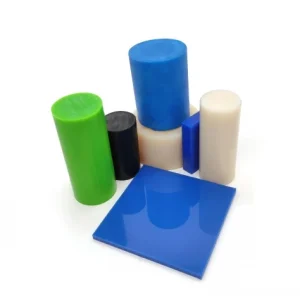
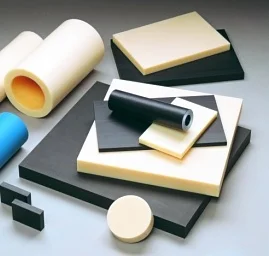
Next-Generation Elastomer & Rubber Pallet Engineering
Modern automated warehousing, hazardous chemical transport, and aerospace sub-assembly plants are aggressively replacing wood and unreinforced plastics with advanced elastomeric vulcanized polymer pallets.
High Energy Damping
Compounded vulcanized rubbers absorb shock loads from forklift drops up to 8.5 m/s without brittle cracking, dampening vibrational resonance during intermodal rail transit and reducing cargo scuffing.
ESD & Antistatic Safety
Available in carbon-black loaded, inherently conductive configurations yielding surface resistivity ranges between 10⁴ and 10⁶ ohms/sq for explosive munitions, volatile solvent facilities, and semiconductor fabs.
Friction & Slip Resistance
Natural dynamic friction coefficient (μ ≥ 0.65) completely halts load slippage during sudden deceleration on automated conveyors, eliminating expensive shrink-wrap waste and pallet load instability.
AS/RS Dimensional Precision
Compression-molded tolerances held within ±0.5 mm ensure high-speed optical scanner compatibility, preventing automated rack jams that can cause catastrophic warehouse downtime in 24/7 facilities.
Global Procurement Demands Across Regulated Verticals
Modern enterprise procurement executives do not purchase mere platforms; they invest in risk mitigation, clean-protocol compliance, and automated warehouse uptime across five essential industrial applications.
Pharmaceutical & cGMP Cleanrooms
FDA Title 21 CFR compliance mandates that packaging substrates cannot harbor mold, bacterial colonies, or shed particulate matter. SHUNDA rubber and high-density polymer matrices withstand daily CIP (Clean-in-Place) washdowns using caustic peroxide or steam sanitization up to 130°C without polymer swelling or delamination.
Chemical, Hazardous & Battery Intralogistics
Transporting Class 3 flammables and lithium-ion cells requires compliance with explosive zone ATEX regulations. Custom-compounded elastomeric skids prevent electrostatic spark discharges while resisting corrosive acids, aromatics, battery electrolyte spills, and hydraulic fluid pooling.
Heavy Automotive Powertrain Skids
Engine blocks, EV battery enclosures, and transmission assemblies exert intense concentrated point loads that buckle ordinary hollow blow-molded skids. Solid composite elastomeric pads reinforced with MC Nylon core runners deliver localized load tolerance exceeding 45 MPa.
Automated AS/RS High-Bay Racking
Automated storage and retrieval systems demand zero deflection under load. Conventional plastic creeps under 1.5-ton loads, triggering automated laser deflection alarms. SHUNDA fiber-reinforced elastomeric structures maintain edge-deflection tolerances under 4.0 mm across standard 1200 mm rack spans.
Extreme Cryogenic Cold Chain
Standard polyolefins become brittle and shatter when subjected to forklift shocks below -20°C. Compounded EPDM and synthetic fluoroelastomer-modified rubber platforms preserve glass transition temperatures (Tg) below -55°C, offering ductile flexibility inside deep-freeze blast freezers.
Aerospace Precision Sub-Assemblies
Composite carbon-fiber wings, turbine stators, and optical payloads demand clean non-marring contact surfaces. Engineered rubber contact pads absorb vibration while preventing scratches, contact abrasion, or chemical leeching onto finished aerospace alloys.
Engineering Matrix: Rubber/Polymer Hybrids vs Traditional Pallets
A detailed physical and mechanical breakdown compiled by SHUNDA polymer technicians, evaluating performance parameters under ISO 8611 testing protocols.
| Performance Metric | Hardwood Pallet (Heat Treated) | Standard Recycled HDPE Plastic | SHUNDA Vulcanized Rubber / UHMWPE Hybrid | Engineering Benefit |
|---|---|---|---|---|
| Dynamic Load (ISO 8611) | 1,000 kg – 1,200 kg | 1,200 kg – 1,500 kg | 2,500 kg – 3,500 kg | Enables dense high-tonnage double-stacking in transit |
| Static Load Rating | 3,500 kg | 5,000 kg | 12,000 kg – 15,000 kg | Safe prolonged floor staging of cast steel and battery banks |
| Racking Capacity (Unsupported) | 600 kg (High creep failure) | 800 kg (Requires steel rods) | 1,800 kg (Internal PA6/Nylon truss) | Eliminates internal rack failure in automated AS/RS |
| Coefficient of Friction (μ) | 0.30 – 0.40 (Prone to load slide) | 0.18 – 0.25 (Extremely slick) | 0.68 – 0.82 (High-tack elastomeric) | Eliminates cargo shifting without auxiliary strapping |
| Impact Resilience (Charpy) | Brittle fracture on fork impact | 6.0 – 9.0 kJ/m² (Cold brittle cracking) | No Break (> 45 kJ/m²) | Tolerates direct 8 km/h high-speed forklift tine impact |
| Phytosanitary Compliance | ISPM-15 Treatment Required | Exempt | Exempt (Full cGMP Washdown Rating) | Seamless cross-border customs clearance without fumigation |
| Mean Lifespan | 1.2 – 1.8 Years (High maintenance) | 3.5 – 5.0 Years | 12.0+ Years (Closed Loop Lifecycle) | Drives lowest 10-year Total Cost of Ownership (TCO) |
10-Year Lifecycle TCO Analysis: Wood vs. Rubber Composite Skids
While traditional hardwood pallets carry a lower initial purchase price, their operational maintenance costs, product loss liabilities, and short operating life turn them into a major long-term operating expense.
Initial Acquisition vs. Rotations
A standard hardwood pallet offers an average of 18 to 22 round-trip transit cycles before failure. In contrast, SHUNDA vulcanized composite elastomeric pallets reliably deliver over 350+ heavy-load rotations without structural cracking, reducing replacement turnover by over 90%.
Product Damage Elimination
Fastener head pop-out and splintered boards account for up to 3% of boxed product puncture losses in fast-paced automated distribution hubs. The smooth yet high-grip elastomeric deck completely removes exposed nails, sharp edges, and slivers, protecting high-value retail packaging.
AS/RS Downtime Reduction
Broken wood stringers falling into automated crane tracks or jammed stacker cranes cause facility halts costing upwards of $12,000 per hour. Precision-molded rubber polymer skids maintain exact millimeter tolerances, safeguarding automated equipment integrity.
ESG & Circular Reclaiming
At end of life (12+ years), SHUNDA provides a closed-loop buyback program. Spent elastomeric skids are cryogenic-ground into micro-pellets and re-compounded into secondary industrial products, eliminating landfill waste and supporting Corporate Net-Zero sustainability targets.
International Standards & Regulatory Compliance Protocols
For multinational exporters, cross-border material compliance prevents border customs rejections, port quarantine delays, and occupational liability fines.
ISO 8611-1:2021 Certified
All pallets are systematically tested for static bending, dynamic lifting, bottom-deck fork-pocket stress, and corner drop resistance, ensuring international standard compliance for both racking and transit loads.
ISPM-15 Fumigation Exempt
Being entirely non-porous and free of biological cellulose, elastomeric composite pallets bypass IPPC ISPM-15 heat treatment and methyl bromide fumigation, ensuring border crossing without delays.
UL 94-V0 Flame Retardance
Formulated with halogen-free flame-retardant chemistries, SHUNDA fire-rated polymer grades achieve UL 94-V0 and NFPA 13 warehouse storage ratings, mitigating fire insurance premiums in high-density rack hubs.
REACH & RoHS 3 Compliance
Rigorous spectrometry guarantees zero banned phthalates, heavy metals, or SVHC (Substances of Very High Concern), providing clean material compliance across EU, North American, and Japanese jurisdictions.
Hebei Factory Direct: Advanced Polymer Compounding & CNC Machining
With over two decades of technical manufacturing experience in Xinhe County, Hebei, SHUNDA controls every step of polymer synthesis, casting, extrusion, compression molding, and 5-axis CNC machining.
In-House High-Pressure Tooling
We build our own modular steel compression molds, allowing enterprise customers to prototype custom footprint sizes (e.g., 1200x1000mm, 1200x800mm, 48x40-inch US Standard, and customized automotive cradles) with minimal tooling lead times.
Engineered Polymer Hybridization
By integrating in-house cast MC Nylon runners and UHMWPE sliding components directly into molded elastomeric bodies, we create composite structures that offer high impact resistance on the deck and low-friction wear on conveyor contact points.
Worldwide Logistics Ready
Our sales engineering team provides clear CAD drawings, detailed material certification data sheets (MDS), export-grade packing, and rapid FOB/CIF dispatch from Xingtai, Hebei to major global seaports, answering technical queries within 12 hours.
Deep Technical Procurement & Engineering Q&A
Clear, detailed engineering answers to the most common questions raised by materials handling teams, supply chain directors, and compliance managers.
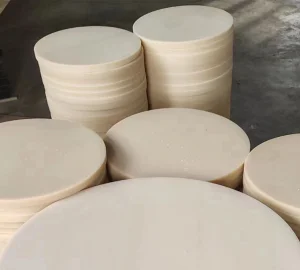
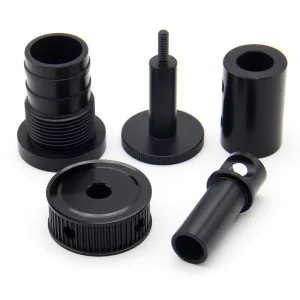
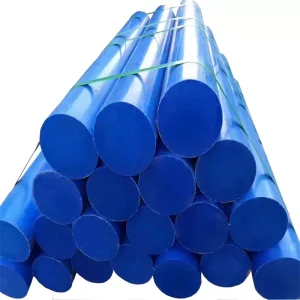
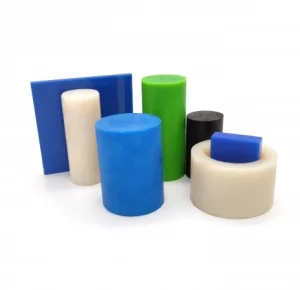
Featured Industrial Polymers & Precision Components (Batch 02)
Advanced high-durability rods, precision CNC machined wear components, custom casting plates, and impact cushions designed for heavy mechanical loading and skid-rail assemblies.

Request a Comprehensive Pallet & Polymer Quotation
Whether you require standard high-load elastomeric skids, custom CNC-profiled runners, or composite engineering plastic boards, our factory engineers deliver detailed feedback, 3D CAD design reviews, and commercial quotes within 12 hours.