
Featured Industrial Gears & Engineering Plastic Stock (Series I)
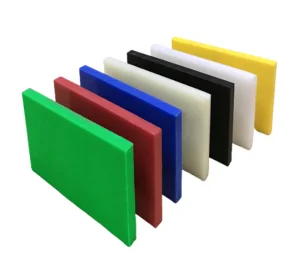
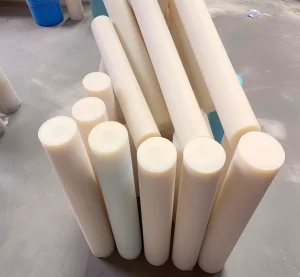
Manufactured directly by SHUNDA under strict German DIN and American AGMA tolerances, providing extreme shock attenuation, self-lubrication, and anti-wear kinematic performance.
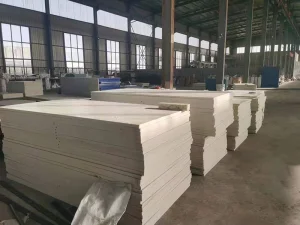
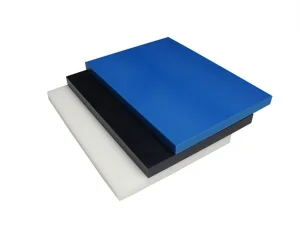
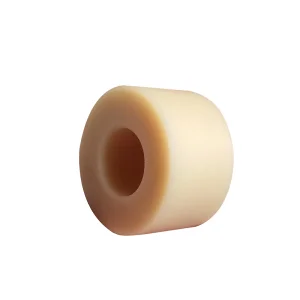
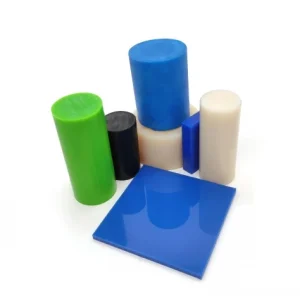


The Technological Evolution of Rubber & Polymer Gear Systems
Why modern high-torque, low-noise machinery is rapidly replacing metallic spur gears with hybrid elastomer-core and high-crystalline polymer gearing.
Acoustic NVH Damping Dynamics
Traditional steel and bronze gears inevitably generate meshing resonance, whine, and micro-vibrations across high pitch velocities. Vulcanized rubber gears and elastomeric-inserted polymer gears dissipate vibrational energy via internal viscoelastic shear, reducing structural decibel ratings by up to 18 dB in automated sorting lines, medical pump drives, and precision opto-mechatronics.
Torsional Shock Absorption
Transient torque spikes caused by emergency stops or asynchronous motor surges trigger catastrophic tooth fracture in brittle gears. High-density rubber blends (HNBR, EPDM, polyurethane elastomer matrices) allow transient tooth deflection under shock loads without permanent plastic deformation, returning instantaneously to original pitch involute geometries without loss of timing accuracy.
Zero Lubrication & Non-Contamination
Lubricant misting poses extreme product contamination hazards in pharmaceutical manufacturing, chemical cleanrooms, and food automation. Engineered self-lubricating rubber gear systems compounded with MoS2 and PTFE additives operate in completely dry environments, eliminating maintenance overhead while resisting chemical exposure up to pH 2–12.
Global Procurement Demand Analysis & Sourcing Specifications
How tier-1 manufacturers mitigate supply-chain disruption by vetting certified rubber gear exporters with complete vertical integration from monomer synthesis to finished CNC profile milling.
Total Cost of Ownership (TCO) Metrics
When global enterprise buyers evaluate custom rubber and polymeric transmission gears, component purchase price accounts for less than 14% of overall lifecycle cost. Catastrophic gear failure directly translates to assembly line halts, field warranty claims, and unscheduled maintenance downtime. By partnering with an exporter possessing deep polymer tribology data, buyers reduce mean time between failures (MTBF) by more than 300% across 24/7 operating cycles.
Compound Formulation & Shore Hardness Selection
Sourcing engineers must pinpoint the exact durometer balance for specific operational duty cycles. A compound that is too soft incurs rapid tooth-tip bending hysteresis and thermal accumulation; conversely, excessive hardness elevates NVH frequencies and compromises impact toughness. SHUNDA's technical laboratory formulates rubber gears across Shore A 65 to Shore D 85, calibrating tensile elongation and modulus to exact rotational loads.
Macro-Industry Material Matrix: Polymers vs. Elastomeric Blends
A granular engineering overview comparing physical, thermal, and mechanical characteristics across primary gearing materials utilized in heavy machinery, robotics, and clean manufacturing.
| Material Classification | Hardness Spectrum | Dynamic Friction Coeff. (Dry) | Max Operating Temp (°C) | Tensile Strength (MPa) | Primary Industrial Use Case | Regulatory Compliance |
|---|---|---|---|---|---|---|
| Cast MC Nylon (PA6) | Shore D 80–84 | 0.18 – 0.24 | -40 to +115 | 85 – 95 | Heavy-load industrial sheaves, crane gears, mine conveyors | RoHS / REACH |
| Polyoxymethylene (POM / Delrin) | Shore D 82–86 | 0.20 – 0.28 | -50 to +100 | 68 – 75 | Precision sub-millimeter gears, timing sprockets, valves | FDA / EC 1935 |
| Polyurethane Elastomer (CPU/TPU) | Shore A 75 – Shore D 75 | 0.25 – 0.35 | -30 to +85 | 40 – 60 | Backlash-free drive wheels, flexible elastomeric couplings | RoHS / REACH |
| Hydrogenated Nitrile (HNBR Gear Rings) | Shore A 70 – 90 | 0.30 – 0.40 | -40 to +150 | 22 – 32 | Oil-immersed gear dampers, automotive timing systems | ATEX / Oil Proof |
| UHMWPE Polyethylene | Shore D 65–68 | 0.10 – 0.15 | -150 to +80 | 35 – 45 | Abrasive chemical slurries, cryogenic bottling equipment | FDA Safe |
| Polytetrafluoroethylene (PTFE) | Shore D 55–60 | 0.04 – 0.10 | -200 to +260 | 20 – 35 | Extreme acid/alkali environments, aerospace vacuum drives | Universal Inactive |
Precision CNC Gear Hobbing & Molded Vulcanization
Operating 4-axis and 5-axis simultaneous high-speed CNC turning, tooth shaving, and compression vulcanization units in Hebei, China.
Sub-Zero Cryogenic Deflashing
Molded rubber gears undergo automated liquid nitrogen tumbling at -120°C, cleanly shearing micro-parting lines without degrading tooth surface finish or involute profile curvature.
5-Axis Gear Profile Hobbing
High-speed diamond and micro-grain carbide tooling creates AGMA Quality Class 9 to 11 tooth profiles directly from solid cast nylon and polyoxymethylene billets.
Dual-Material Overmolding
Specialized chemical bonding agents lock high-damping rubber tooth crowns onto hardened steel or cast iron hubs, eliminating risk of interfacial slippage under peak reverse torque.
Laser Involute Scanning
Non-contact laser coordinate metrology confirms base circle diameter, pitch circular thickness, and lead error against CAD models prior to export cartoning.
Localized Support, Traceability & Global Compliance Assurance
How SHUNDA structures international engineering support, from finite element mesh verification to export phytosanitary crating.
CAD & FEA Verification
Engineers review 2D/3D models (STEP, DXF, DWG) evaluating Lewis tooth strength, pitch deflection under dynamic torque, and contact ratio parameters.
Resin Quality Control
Monomer raw materials and compounding rubbers are analyzed via Differential Scanning Calorimetry (DSC) to prevent cross-contamination or thermal degradation.
12-Hour Engineering SLA
Direct English-language engineering consultation for European, North American, and Asian-Pacific buyers, guaranteeing technical quotes inside 12 business hours.
Protective Marine Packing
Moisture-sealed vacuum barrier packaging with desiccant protection inside reinforced plywood crates prevents humidity warp during multi-week ocean freight.
Technology Roadmap: High-Performance Gearing (2025–2035)
Anticipating next-generation mechatronic challenges through continuous polymer synthesis innovation, smart monitoring, and bio-based elastomers.
Graphene & Carbon Nano-Reinforcement
Integrating functionalized graphene nanoplatelets within rubber and cast polyamide matrices yields a 45% increase in flexural fatigue resistance while dramatically expediting thermal dissipation from gear teeth under continuous pitch velocities.
Closed-Loop Sustainable Elastomers
Developing depolymerizable bio-derived engineering elastomers matching the wear kinetics of virgin polyurethanes, enabling aerospace and automotive OEMs to hit strict ESG carbon-neutral targets by 2030.
IoT Piezoresistive Strain Telemetry
Embedding micro-scale conductive elastomer sensors directly into gear root fillets allows real-time wireless monitoring of tooth shear stress, dynamic load distribution, and predictive failure warning before breakdown occurs.
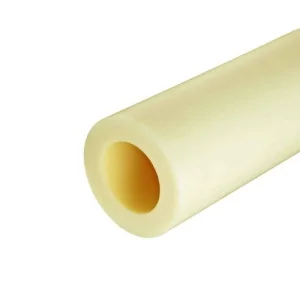
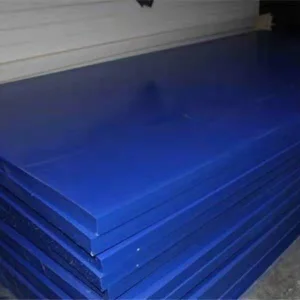
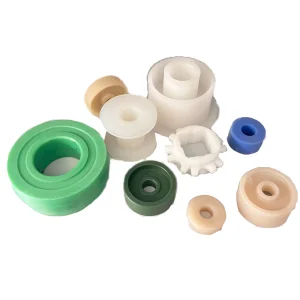
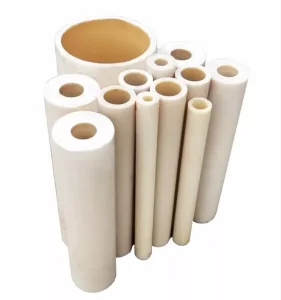
Featured Industrial Components & Precision Parts (Series II)
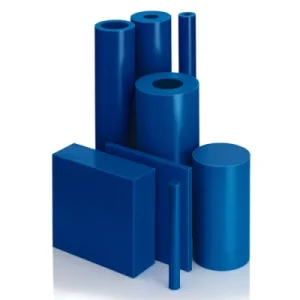
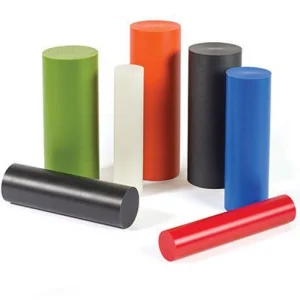
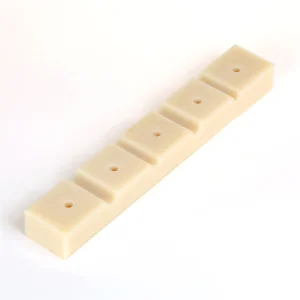
From heavy-duty crane stabilizers and MC nylon impact buffers to custom CNC finished parts, manufactured to strict engineering standards for global deployment.

Frequently Asked Engineering & Sourcing Questions
Answers prepared by our senior plastics design engineers covering thermal expansion, lubrication, tooth strength, and international customs logistics.
How do rubber and elastomeric gears handle tooth shear stress compared to cast nylon or POM?
What backlash tolerance must be engineered for polymer gears experiencing thermal expansion?
How does moisture absorption affect MC Nylon gears in humid or washdown environments?
Can custom rubber gears be manufactured directly from 3D STEP drawings or physical samples?
What are the minimum order quantities (MOQ) and lead times for export shipments?
Which international quality and chemical standards do SHUNDA products comply with?
Partner with a Leading China Rubber Gear Exporter
Optimize your transmission systems with proven polymer damping, sub-millimeter precision CNC machining, and direct manufacturer pricing. Send us your project drawing or application specifications today.