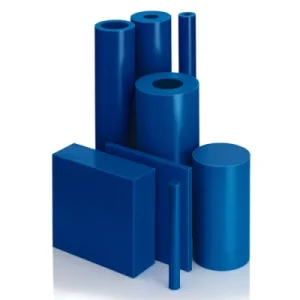
High-Precision Semi-Finished & Machined Stock
Explore our core engineering polymer components, engineered for tight mechanical tolerances, superior self-lubricating tribology, and demanding continuous-duty industrial applications.
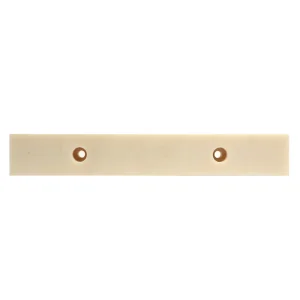
Discount UHMWPE Pad Manufacturers, Exporter
Product Details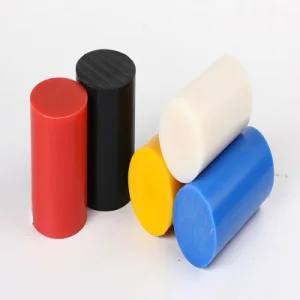
Cheap White Nylon Rod Manufacturers, Product
Product Details
Wholesale China Engineering Plastic OEM Smooth ABS Plastic Sheet Factory
Product Details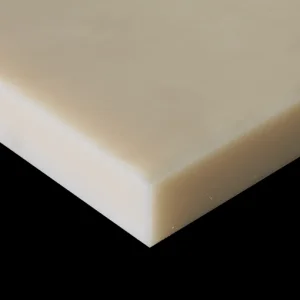
Cheap Natural MC Nylon Sheet Factories, Exporters
Product Details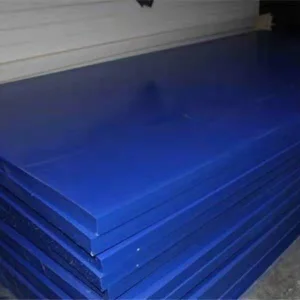
Cheap Factory Direct Mc Nylon PA6 Sheet / Polyamide Nylon Sheet
Product Details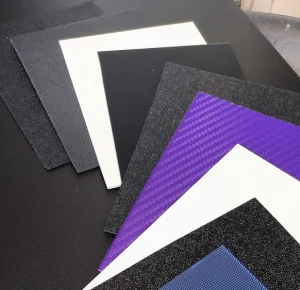
OEM Smooth Texture ABS Plastic Sheet Factory Customized Color
Product Details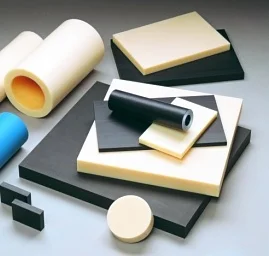
OEM Engineering Plastic Backing Casting Board Nylon PP ABS PTFE UHMWPE
Product Details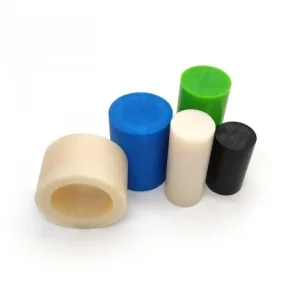
Discount Engineering Plastic Cast Board PA6 Polyamide Nylon Rod & Bar
Product DetailsPA6G Cast Polyamide Engineering & Global Industry Dynamics
A technical assessment of monomer casting (activated anionic polymerization) versus conventional extrusion, addressing mechanical resilience, thermal stability, and large-scale structural performance.
Molecular Weight & Crystallinity
Cast Polyamide 6 (PA6G/MC Nylon) is synthesized directly in atmospheric molds through anionic ring-opening polymerization of caprolactam. This unique thermodynamic pathway produces molecular weights exceeding 200,000–300,000 g/mol with crystallinity rates above 45–50%, substantially higher than extruded PA66 or PA6. This yields superior compressive modulus, enhanced fatigue resistance, and minimal void porosity in massive cross-sections.
Zero Internal Stress Regimes
Extrusion processes subject polymers to violent shear and rapid quenching gradients, embedding latent internal stresses that trigger warp during subtractive machining. SHUNDA executes multi-stage convective annealing schedules over 48 hours for PA6G profiles, eradicating residual thermal stresses and preserving near-zero deformation throughout aggressive milling and 5-axis CNC roughing operations.
Tribological Self-Lubrication
In high-load, low-velocity mechanical drive assemblies, dry contact friction results in galling and accelerated surface degradation. PA6G exhibits an intrinsic dry sliding friction coefficient of 0.20–0.28 against hardened steel. When compounded with molybdenum disulfide (MoS2) or internal liquid lubricants, friction drops below 0.12, dramatically mitigating stick-slip phenomena without secondary external greasing.
China Industry 4.0: Supply Chain Resilience & Modern Precision
How digitalized monomer casting cell control and automated CNC fabrication transform high-volume polymer processing into an ultra-reliable global source of supply.
Automated Anionic Polymerization
SHUNDA’s Industry 4.0 facility integrates closed-loop digital melt-temperature sensors, catalytic dosing pumps, and programmable curing ovens. By monitoring monomer dehydration levels below 50 ppm and controlling exothermic rise curves in real time, our production guarantees uniform molecular weights, eliminating soft centers in ultra-thick PA6G slabs up to 300 mm.
Upstream Chemical Cluster Resilience
Situated in Hebei, China, within the core petrochemical industrial belt, our plant benefits from uninterrupted pipeline caprolactam monomer feedstocks. This geographical integration isolates international procurement managers from regional raw material shortages, buffer stock imbalances, and volatile raw polymer index shocks experienced across European and North American facilities.
Vertical Integration: Resin to Precision Part
Rather than distributing coarse semi-finished billet to third-party machine shops, SHUNDA executes end-to-end processing within a unified quality boundary. In-house high-torque turning, multi-axis milling, and CMM laser metrology ensure that dimensional parameters, true positions, and geometrical runouts conform strictly to your digital CAD specifications.
Mission-Critical Applications & Global Procurement Trends
How Tier-1 engineering firms deploy PA6G cast components to replace phosphor bronze, stainless steel, and cast iron in harsh operating environments.
Heavy Mobile Cranes & Marine Winches
Wire rope sheaves fabricated from PA6G weigh one-seventh of cast steel sheaves, slashing boom-tip inertia while drastically mitigating mechanical cable wear. The viscoelastic dampening properties of cast polyamide absorb cyclic impact spikes during marine crane hoist cycles.
Bulk Materials & Mining Excavation
Heavy wear pads, telescopic outrigger pads, and guide bushings in hydraulic excavators encounter abrasive rock aggregate and severe dust. High impact resistance, notch insensitivity, and embedded lubricity make PA6G superior to brittle thermoplastic alternatives.
Conveyor Drives & Bottling Automation
High-speed silent gears, star wheels, and chain guides utilize modified blue and natural PA6G to dampen acoustic transmission up to 15 dB compared to metal pairings, running entirely free of hydraulic oil mist inside clean-room bottling facilities.
Hydroelectric & Offshore Rudder Bearings
Submerged trunnion bushings and sluice gate slide plates deploy self-lubricated PA6G compounded with water-repelling elastomeric modifiers. They withstand saltwater galvanic corrosion, avoiding electrolytic seizure typical of brass-on-steel pairings.
Engineering Plastics Performance Comparison
Reference empirical data benchmarked under ISO 527, ISO 178, and ISO 1183 standards to accelerate polymer selection for specific mechanical stress profiles.
| Polymer Grade | Tensile Strength (MPa) | Tensile Modulus (MPa) | Impact Strength (kJ/m²) | Density (g/cm³) | Coefficient of Friction (Dry) | Primary Industrial Use |
|---|---|---|---|---|---|---|
| PA6G (Cast Nylon / Natural) | 80 – 88 | 3,200 – 3,500 | > 4.0 (Charpy Notched) | 1.15 | 0.25 – 0.28 | Heavy sheaves, drive gears, wear pads, crane bearings |
| PA6G + MoS2 (Cast Black) | 82 – 90 | 3,400 – 3,700 | > 3.5 (Charpy Notched) | 1.16 | 0.20 – 0.24 | High-pressure slide ways, mining guide shoes |
| POM-C (Polyacetal Copolymer) | 65 – 70 | 2,800 – 3,000 | > 6.0 (Charpy Notched) | 1.41 | 0.28 – 0.32 | Precision gears, electrical bobbins, hydraulic valves |
| UHMWPE (1000 Grade) | 20 – 25 | 700 – 900 | No Break | 0.93 | 0.12 – 0.18 | Chute liners, scraper blades, high-abrasion wear strips |
| HDPE (High Density PE) | 22 – 28 | 1,000 – 1,200 | > 12.0 (Charpy Notched) | 0.95 | 0.22 – 0.26 | Chemical tanks, fluid conduits, marine fender panels |
| PTFE (Virgin Polytetrafluoroethylene) | 20 – 35 | 400 – 750 | > 16.0 (Charpy Notched) | 2.18 | 0.04 – 0.08 | Cryogenic seals, non-stick chemical gaskets, insulators |
Frequently Asked Questions by Industrial Sourcing Teams
In-depth responses resolving engineering queries regarding cast nylon properties, machining guidelines, moisture mitigation, and supply security.
What distinguishes PA6G Cast Nylon from Extruded PA66 in high-load service?
PA6G is synthesized via monomer casting under near-atmospheric pressure, achieving higher molecular weight, superior crystallinity, and virtually zero internal stress. This allows it to bear greater continuous compressive loads without deformation and renders it suitable for massive, thick-walled parts (up to 300 mm) that would suffer vacuum voids if extruded.
How does moisture absorption affect dimensional stability, and how is it compensated?
Polyamides absorb ambient moisture (up to 2.5–3.5% at equilibrium), causing predictable linear volumetric expansion (~0.2% per 1% water absorbed). For submerged or high-humidity assemblies, SHUNDA engineers compensate for this expansion in the initial CNC CAD/CAM design tolerances, or recommend MoS2/oil-filled grades with reduced absorption characteristics.
What machining parameters are recommended for tight-tolerance PA6G finishing?
High-speed steel (HSS) or carbide tooling ground with acute cutting angles, positive rake (15°–25°), and generous relief is essential to prevent heat buildup. Proper feed rates, sharp tooling, and compressed air cooling prevent thermal expansion during finishing cuts, holding machining tolerances down to ±0.03 mm on critical bearing bores.
Can PA6G cast components directly replace bronze bushings without redesign?
Yes, but wall thickness and running clearance must be adjusted. PA6G requires approximately 1.5 to 2 times the radial clearance of phosphor bronze to accommodate thermal expansion and moisture absorption. When designed correctly, PA6G outlasts bronze in abrasive sand and slurry conditions by up to 300% without grease lubricants.
What quality documentation does SHUNDA provide for international export orders?
Every shipment is accompanied by complete inspection protocols: Material Inspection Certificates (EN 10204 3.1 equivalent), raw caprolactam monomer traceability batches, ultrasonic flaw detection reports on ultra-thick rods, dimensional CMM inspection sheets, and RoHS/REACH compliance declarations.
How does China factory-direct ordering reduce overall Total Cost of Ownership (TCO)?
By eliminating multiple tiers of regional stockists, trading distributors, and third-party machining subcontractors, sourcing managers save 25–40% on material costs. In addition, direct technical communication with our polymer engineers mitigates misinterpretation of drawing notes, shortening the sample-to-production lifecycle.
Precision Castings, Tubes & Specialized Profiles
Complete your supply chain requirements with our full line of cast nylon tubes, POM bar stocks, polyolefin sheets, and high-performance custom-machined plastic components.
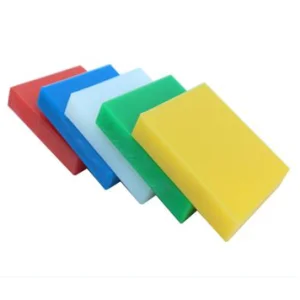
Polyamide PA6 PA66 Nylon PP UHMWPE PTFE HDPE ABS Plastic Sheet
Product Details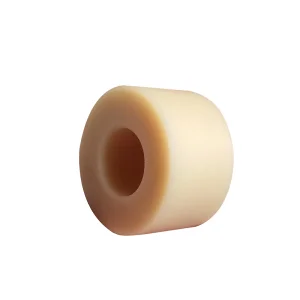
High Hardness POM / Delrin Nylon Rods 10mm-1000mm White & Color
Product Details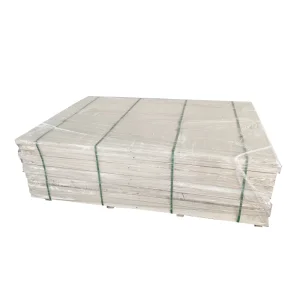
Engineering Plastic PA6 PA66 PP UHMWPE PTFE HDPE Tube & Bar
Product Details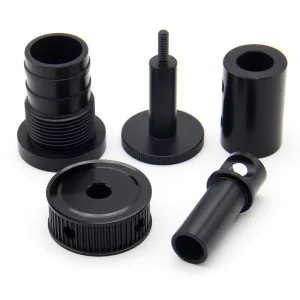
Discount Custom CNC Machining Components PEEK / PTFE / Delrin / Nylon
Product Details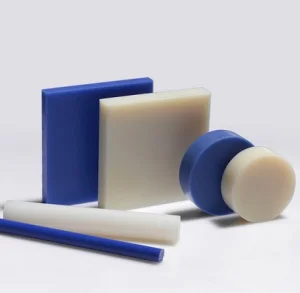
Discount PA6 PA66 Nylon PP UHMWPE PTFE HDPE ABS Sheet & Rod
Product Details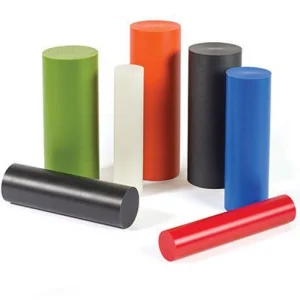
Engineering Plastic Cast Board PA6 Polyamide Nylon Tube & Bar
Product Details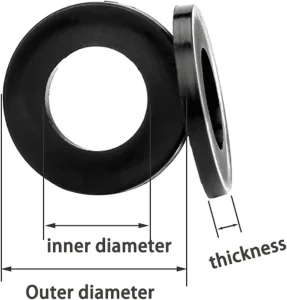
OEM Natural MC Nylon Ring Cast Nylon Tube PA6 POM Round Ring
Product Details