
High-Performance Engineering Plastic Stock Shapes & Components
Explore our export-certified polymer solid billets, extruded nylon staf, hollow tubes, and custom CNC machined components designed for rigorous industrial applications.
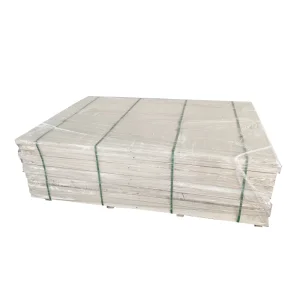
PA6 PA66 Nylon PP UHMWPE PTFE HDPE ABS Plastic Sheet Tube Rod & Bar
View Specifications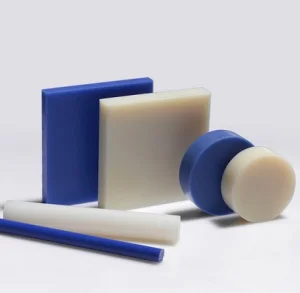
Engineering Plastic Polyamide PA6 PA66 Nylon Sheet & Rod Stock
View Specifications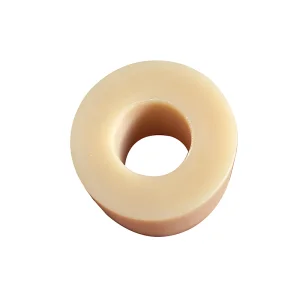
PA6 Polyamide Nylon POM PTFE HDPE PVC Extruded Tube, Rod & Bar
View Specifications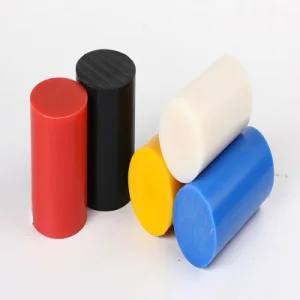
Industrial Grade Cast Nylon Staf & Large Diameter Cylindrical Rods
View Specifications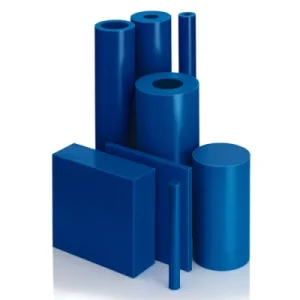
High-Abrasion UHMWPE Wear Pad & Heavy Machinery Sliding Plate
View Specifications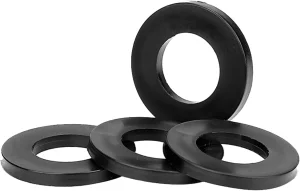
Heavy Impact Blue/Black Nylon Ring Cushion for Foundation Piling Hammers
View Specifications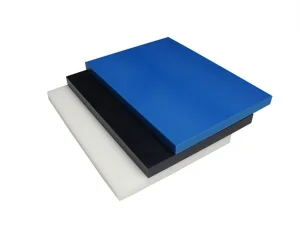
Virgin & Filled PTFE Fluoropolymer Chemically Inert Sheet & Liners
View Specifications
Pure Polyamide 6.0 Solid Staf & Precision Round Rod Stock for Turning
View SpecificationsEngineering Fundamentals: Polymer Chemistry, Casting vs Extrusion
A comprehensive technical analysis of solid nylon staf (rods, bars, and cylindrical stock) for design engineers, mechanical project leads, and global supply managers.
Monomer Casting (MC Nylon / PA6G)
Monomer casting involves the direct liquid polymerization of caprolactam monomer inside atmospheric molds at elevated temperatures. This unpressurized casting process yields ultra-high molecular weight polyamide (PA6G) exhibiting superior crystallinity (up to 52%), minimal residual internal stresses, elevated surface hardness (M85–M90 Rockwell), and the unique capability of producing giant billet diameters exceeding 800 mm without thermal core collapse or void defects.
Extruded Polyamide (PA6 / PA66)
Extruded nylon staff shapes are processed via single or twin-screw continuous melt extruders from pre-synthesized polymer pellets. PA66 provides greater melting temperatures (260°C vs 220°C) and superior stiffness at elevated heat. However, continuous melt extrusion introduces high directional shear stresses and thermal shrinkage differentials across the core, making secondary fluid-bed thermal annealing imperative for precision dimensional retention during heavy subtractive turning.
Thermal Annealing & Stress Relief
Residual internal stresses in solid nylon rounds frequently cause warping, centerline splitting, and non-concentric bore dilation during high-speed CNC lathing. Shunda utilizes programmable multi-stage air convection annealing ovens with thermal soaking cycles lasting from 24 to 72 hours per billet batch. By carefully elevating temperatures just below the glass transition threshold and ramping down at ≤2°C per hour, microcrystalline equilibrium is locked in.
| Property Parameter | Cast MC Nylon (PA6G Natural/Blue) | Extruded Nylon 66 (PA66) | MoS2 Filled Cast Nylon (Black) | Oil-Impregnated Nylon (Green) |
|---|---|---|---|---|
| Tensile Strength at Yield (ISO 527) | 82 – 88 MPa | 85 – 92 MPa | 80 – 86 MPa | 68 – 74 MPa |
| Elongation at Break (%) | 25 – 40% | 15 – 30% | 15 – 25% | 35 – 50% |
| Flexural Modulus (ISO 178) | 3,350 MPa | 3,600 MPa | 3,500 MPa | 2,800 MPa |
| Rockwell Hardness (Scale M) | M 86 | M 89 | M 88 | M 78 |
| Dynamic Coeff. of Friction (μ) | 0.28 – 0.35 (Dry steel) | 0.30 – 0.38 (Dry steel) | 0.20 – 0.25 (Self-lubricating) | 0.12 – 0.18 (Continuous internal lube) |
| Thermal Deflection Temp (0.45 MPa) | 175°C | 195°C | 180°C | 160°C |
| Continuous Service Temperature | -40°C to +105°C | -30°C to +115°C | -40°C to +110°C | -40°C to +100°C |
| Maximum Stock Staf Diameter | Up to 1,000 mm Billet | Up to 200 mm Rod | Up to 800 mm Billet | Up to 600 mm Billet |
Subtractive Machining Rule for High-Tolerance Turnings
Due to the hygroscopic nature of polyamides, a diametrical moisture absorption allowance of 1.5% to 2.5% in atmospheric exposure must be designed into final bearing tolerances. When milling solid nylon staf, always use sharp tungsten carbide (C2 grade) tooling with a positive rake angle of 5° to 15° and generous clearance to avoid frictional melting and dimensional rebound.
Why Tier-1 Global Procurement Directs to China's Polymer Clusters
Analyzing the manufacturing efficiencies, raw material backward integration, scalable casting lines, and quality control systems in Hebei Province.
Upstream Chemical Integration
China hosts over 65% of global high-purity caprolactam and cyclohexanone synthesis capacity. Factories in Xinhe County, Hebei maintain direct pipeline and bulk container access to virgin-grade monomers, bypassing intermediaries. This backward integration guarantees consistent melt index, crystal purity, and immediate price shielding against global polymer resin spikes.
Vertical Tower Continuous Casting
Shunda’s facility operates automated vertical casting columns capable of continuous gravity and centrifugal monomer polymerization. Unlike manual pot casting that produces erratic density layers, automated temperature and vacuum degasification eliminates microscopic air inclusions and air pocket voids across 100% of solid nylon rod cores.
Full-Spectrum CNC Finish Machining
Beyond stock shapes, overseas buyers eliminate intermediate supply links by leveraging our integrated machining center. With over 30 modern 3-axis, 4-axis, and 5-axis CNC turning and milling stations, we convert semi-finished nylon staf into finished sprockets, high-impact bushings, cable sheaves, and hammer rings adhering to DIN ISO 2768-m tolerances.
Comprehensive Material Traceability
Every extruded batch and cast nylon staf lot undergoes rigorous spectrometer density validation, durometer hardness profiling, and ultrasonic non-destructive testing (NDT) to verify core solidarity. All outbound ocean shipments carry batch-specific EN 10204 3.1 Material Test Reports (MTR) confirming compliance with REACH, RoHS, and FDA guidelines.
Macro-Level Industry Solutions: Metal Replacement & Energy Efficiency
How replacing legacy bronze, babbitt metal, brass, and hardened steel with advanced nylon staf delivers game-changing operational longevity and total cost of ownership (TCO) reductions.
7:1 Weight Reduction & Structural Inertia
With a specific gravity of 1.15 g/cm³ compared to bronze (8.8 g/cm³) and steel (7.85 g/cm³), parts machined from cast nylon staf yield an immediate 85% mass reduction. In rotating equipment, mobile crane booms, and high-speed assembly guides, this drastically curbs rotational inertia, motor power consumption, and mechanical fatigue failure on cantilevered pivots.
Zero Galling & Mating Surface Protection
Metal-on-metal sliding contacts without continuous external oil lubrication suffer adhesive galling, scoring, and catastrophic seizure. Cast MC nylon and oil-filled polyamides possess an elastic modulus that permits micro-deformation under localized Hertzian contact stress. Foreign grit and grit particulates embed innocuously into the polymer matrix without scratching expensive chrome shafts.
Acoustic Damping & Vibration Attenuation
In high-load gear trains, conveyor star wheels, and heavy pile-driving operations, steel components generate hazardous noise pollution (>95 dB) and shock transmission. Polyamide molecular chains absorb shock waves through internal viscoelastic friction, dampening vibration amplitudes by up to 13 dB and extending the lifecycle of adjacent drive bearings.
Solid Lubricant Matrix Integration
The modern polymer market is shifting rapidly toward internally lubricated composite staff. By homogenously distributing liquid lubricants, molybdenum disulfide (MoS2), or PTFE micro-powders directly into the caprolactam monomer melt before mold polymerization, the finished parts achieve maintenance-free self-lubrication across their lifetime.
High-Stress Application Scenarios Across Global Industries
Demonstrated performance data where high-grade nylon staf parts outperform traditional non-ferrous and composite alloys.
Deep Foundation Piling Hammer Cushions
During hydraulic pile-driving, kinetic hammer impacts generate extreme compressive shocks of up to 45 MPa. Laminated impact rings and cushion blocks machined from tough high-molecular nylon staf absorb rebound shocks, protect steel ram heads from fracture, and withstand over 150,000 impact cycles without shattering or melting under peak adiabatic compression.
Mobile Crane Wire Rope Sheaves
Machined cast nylon sheaves replace cast iron sheaves on mobile, harbor, and offshore cranes. The resilient groove surface contours to the steel hoist cable, multiplying wire rope operational lifespan by 3.5 to 4.5 times while eliminating groove crushing, wire bird-caging, and upper boom deadweight.
Marine Rudder & Stern Tube Bearings
Unlubricated or seawater-lubricated pintle bearings made from oil-filled nylon round rods withstand saline corrosion, bio-fouling adhesion, and low-speed, high-load oscillating pivoting. The low coefficient of friction eliminates stick-slip shudder during precision vessel steering adjustments.
Food Processing Bottling Timing Screws
Precision feedscrews, guide stars, and wear track strips turned from FDA-compliant natural white nylon staff provide non-marring, quiet container transfer in high-speed beer, beverage, and pharmaceutical capping facilities, resisting caustic CIP cleaning solvents.
Steel Mill Rolling Stand Slipper Blocks
In hot and cold strip steel rolling mills, slipper pads turned from MoS2 modified cast nylon operate inside universal drive spindles. They resist severe cyclical shock loading, water spray, scale contamination, and operating temperatures up to 105°C while preventing spindle neck scoring.
Global B2B Sourcing Protocol: Audits, Tolerances, and Packaging
A procedural checklist for international import specialists, procurement directors, and quality auditors sourcing nylon staf containers from China.
Centerline Porosity & Ultrasonic Verification
Inferior casting practices leave micropores and shrinkage cavities along the billet core. Shunda applies 100% longitudinal pulse-echo ultrasonic flaw detection on all rods >80 mm OD. Any internal density variation >0.5 mm equivalent defect size triggers automated lot rejection, ensuring pristine CNC boring integrity.
Dimensional Tolerance & Ovality Control
Exported solid nylon staff are supplied either as unground cast oversize (+1.0 mm to +4.0 mm for machine cleanup) or centerless-ground to ISO h9 / h10 tolerances for Swiss-style lathe bar feeders. Strict optical laser micrometers verify that out-of-round ovality does not exceed 0.25% of outer diameter.
Hermetic Oceanic Moisture Barrier Protection
Polyamides absorb atmospheric water (up to 7% saturated). Cross-equatorial maritime freight trips lasting 30 to 45 days expose raw rods to tropical condensation. Shunda packs all nylon staf stock in multilayer vacuum-sealed polyethylene barrier film with desiccant satchels, enclosed within heavy fumigated wooden export crates.
Frequently Asked Questions by Industrial Sourcing Engineers
Accurate, authoritative technical answers regarding polymer specifications, machinability, tolerances, and procurement guidelines.
Cast MC Nylon (PA6G) is synthesized by liquid monomer casting at low temperatures, resulting in significantly higher molecular weight, superior crystallinity, greater dimensional stability, and minimal internal stress. This makes it ideal for large diameter billets (up to 1,000 mm) and high-load wear components. Extruded PA6 is mass-produced through melt pellet extrusion, which introduces directional draw stress and limits solid bar diameters generally below 200 mm.
Nylon is hygroscopic, absorbing roughly 1.5% to 3.0% atmospheric moisture in standard ambient humidity and up to 7% to 8% when submerged in water. This absorption acts as a plasticizer, increasing impact toughness while slightly decreasing tensile strength and causing dimensional swelling (approximately 0.2% to 0.3% linear dimensional growth per 1% moisture gain). For tight-tolerance bearings, engineers must apply appropriate clearance allowances or specify moisture-conditioned stock.
Natural cast nylon is suitable for general mechanical structural parts, rollers, and impact pads. MoS2 (molybdenum disulfide) filled nylon should be selected for high-pressure, low-speed sliding friction applications where higher surface hardness and enhanced lubricity are needed. Oil-filled nylon contains an evenly dispersed liquid lubricant throughout the polymer matrix, lowering the friction coefficient from 0.35 to 0.14, making it the premier choice for maintenance-free bushings where unlubricated bronze was previously used.
Because nylon has low thermal conductivity (0.24 W/m·K) compared to steel (50 W/m·K), frictional heat concentrates at the cutting edge. Machinists should employ razor-sharp carbide or diamond tools with a positive rake angle (10° to 20°), large clearance angles (10° to 15°), and moderate surface speeds (250 to 500 m/min) combined with heavy feed rates (0.2 to 0.5 mm/rev). Heavy feeds produce thick chips that carry the heat away from the workpiece. Air blast cooling is preferred over water-soluble cutting oils.
For standard catalog diameters of natural white and blue cast nylon staf (OD 20 mm to 300 mm), our factory maintains a ready rolling inventory with a minimum order quantity of 300 kg to 500 kg, shippable within 5 to 7 days. For custom diameters (>500 mm), customized compound formulations (e.g., carbon-fiber reinforced, glass-filled, custom RAL colors), or tailored cut-to-length billets, production lead times average 12 to 18 working days for full 20ft/40ft container quantities.
Centering shrinkage in thick nylon billets occurs when the exterior shell solidifies faster than the molten interior. Shunda addresses this through microprocessor-regulated vertical casting chambers with zone-controlled directional cooling from the bottom up, paired with top thermal reservoirs that continuously feed molten caprolactam monomer into the shrinkage void. After demolding, every billet is passed through automated ultrasonic pulse scanning to certify zero internal voids.
Yes. All virgin nylon, POM, HDPE, and UHMWPE semi-finished shapes produced by our factory are strictly formulated in compliance with EU Directive 2011/65/EU (RoHS), EC Regulation 1907/2006 (REACH SVHC list), and select natural unpigmented grades hold FDA 21 CFR 177.1500 certificates for direct repeated contact with food substances. Complete third-party SGS/TUV chemical laboratory audit reports accompany all initial master supply orders.
Absolutely. We operate a dedicated CNC manufacturing department housing multiple machining centers. Customers can send 2D engineering drawings (DWG, DXF, PDF) with specific tolerance callouts or native 3D solids (STEP, IGES, Parasolid). Our mechanical engineering team reviews tool access, clamp deformation risks, and material thermal expansion parameters, issuing complete DFM (Design for Manufacturability) verification prior to cutting material.
Specialized Polymer Stock Shapes, Sheets, Tubes & Rollers
Complete your supply chain requirements with our full portfolio of polyoxymethylene (POM), high-density polyethylene, polytetrafluoroethylene, and cast nylon products.
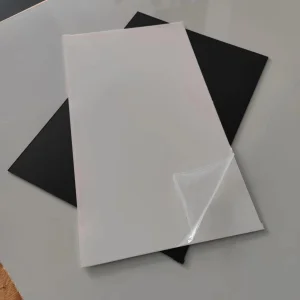
OEM Polyamide PA6 PA66 Nylon PP UHMWPE Smooth ABS Plastic Sheet
View Specifications
Monomer Cast MC Nylon Bar & High Hardness Heavy Wear Guide Staf
View Specifications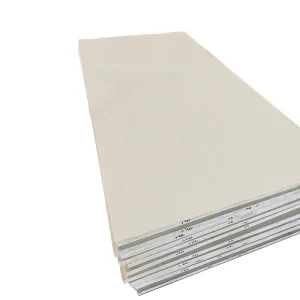
Casting Polyamide Nylon ABS PTFE HDPE UHMWPE Sheet Tube Rod & Bar
View Specifications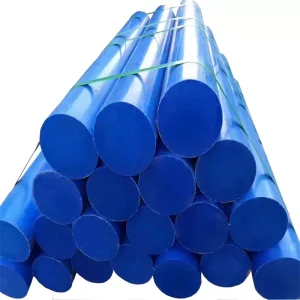
MC Cast Nylon PA66 Plastic PP PE HDPE ABS Round Staf Rod & Bar
View Specifications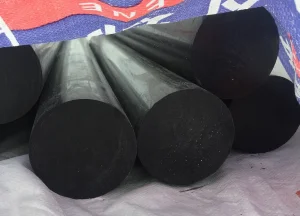
POM Acetal Rod & Bar (White & Black Polyoxymethylene Solid Rounds)
View Specifications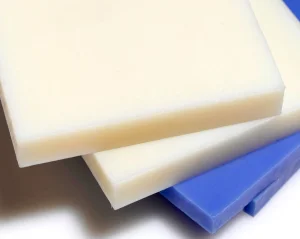
OEM Natural White & Industrial Blue Nylon Plate Sheet & Wear Board
View Specifications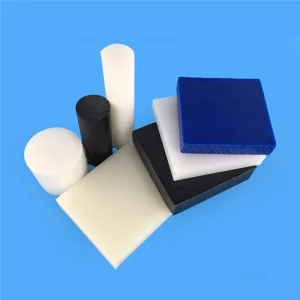
Engineering Plastic Cast Sheet Board PA6 Polyamide Nylon Rod & Bar
View Specifications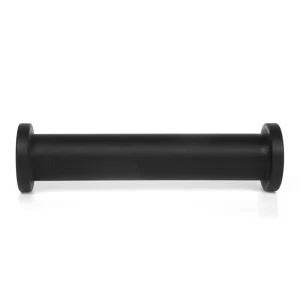
Custom Polyamide Nylon ABS PP PTFE Plastic Rod Tube Bar Roller Stock
View SpecificationsEnd-to-End Export Logistics & Delivery Milestones
From custom extrusion and monomer casting to ocean freight clearance, here is how our international logistics desk manages delivery worldwide.
1. Technical Specification Sign-Off
Our polymer application engineers review your CAD drawings, required polymer grades (PA6, PA66, MC blue, MoS2-filled), hardness thresholds, and allowable concentricity tolerances, issuing a formal technical confirmation sheet and proforma invoice within 12 hours.
2. Controlled Casting & Annealing
Stock billets and custom rods are manufactured on automated casting towers or extrusion lines. All solid stock passes through our computerized multi-stage convection annealing cycle to purge internal stresses before surface centerless grinding or custom CNC machining.
3. In-Line QA & Ultrasonic Testing
Every lot is subjected to non-destructive ultrasonic void testing, surface roughness checks (Ra ≤ 1.6 μm), and hardness indentation validation. Batch-linked chemical test reports and physical property datasheets are cataloged into our ERP system for full traceability.
4. Moisture-Barrier Export Packing
Rods and machined components are tightly wound in heavy-gauge polyethylene stretch film, packed with active molecular sieve desiccant, and housed in solid fumigated plywood cases with protective foam cradling to prevent transit bending, scuffing, or oceanic moisture absorption.
5. Port Clearance & Rapid Transit
Located near Tianjin Port, China’s primary northern maritime export gateway, we facilitate direct container dispatch (FCL and LCL) with streamlined customs brokerage. Complete sets of Bills of Lading, Certificates of Origin (CO/Form A/Form E), and packing lists are delivered electronically and by courier.