
Featured Industrial Nylon O-Ring & Polymer Components (Part I)
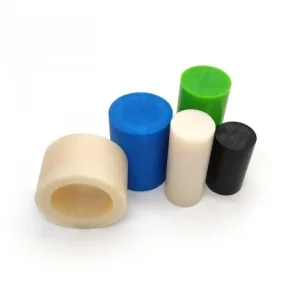
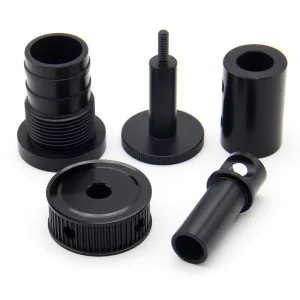
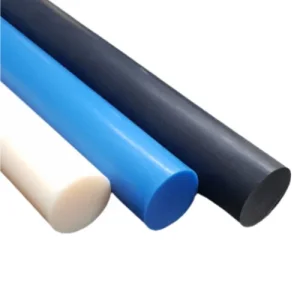
Factory-direct polyamide raw materials, extruded hollow tubes, and custom turned seal rings calibrated for harsh hydraulic and mechanical environments.

Nylon O-Ring Dynamics: Physics of High-Modulus Thermoplastic Sealing
Why modern heavy industry is transitioning from purely elastomeric seals to engineering polyamide O-rings and backup rings in severe fluid power operations.
In mechanical engineering and high-pressure fluid conveyance, the term Nylon O-Ring represents an elite class of semi-rigid, high-tensile thermoplastic sealing components. Unlike conventional elastomeric O-rings composed of Nitrile (NBR), Fluoroelastomer (FKM), or Ethylene Propylene Diene Monomer (EPDM), polyamide (PA6, PA66, and MC Cast Nylon) rings possess an extraordinarily high modulus of elasticity (2,800 to 3,500 MPa) coupled with superior shear yield strength. These intrinsic material attributes position nylon rings not merely as static fluid barriers, but as indispensable anti-extrusion sealing elements, spiral backup rings, and high-load hydraulic dynamic guide seals.
When operating environments surpass 25 MPa (approx. 3,600 PSI), traditional elastomer rings undergo rapid mechanical degradation known as extrusion nibbling. Fluid pressure pushes the pliable rubber matrix into the microscopic clearance gap between the piston head and the cylinder bore, leading to catastrophic seal tearing. By contrast, a precision-machined Polyamide Nylon O-Ring or Contoured Backup Ring exhibits negligible deformation under extreme shear. Acting as a structural reinforcement barrier immediately adjacent to an elastomeric primary seal, it completely bridges the diametral clearance gap, allowing the hydraulic system to sustain sustained pressures exceeding 70 MPa (10,000+ PSI) without extrusion failure or pressure loss.
Cast Monomer MC Nylon (PA6G)
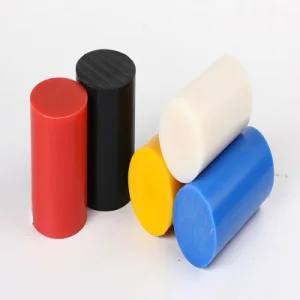
Polymerized directly within molds via caprolactam anion catalytic reaction, achieving a molecular weight exceeding 300,000 g/mol. Yields superior crystal density, outstanding abrasion resistance, and minimal internal stress for large-diameter sealing rings.
Extruded Polyamide (PA66 / PA6)
Characterized by tightly packed intermolecular hydrogen bonds, high surface hardness (Rockwell R118), and elevated continuous service temperature thresholds (+110°C to +130°C). Perfect for high-speed continuous dynamic turning and reciprocating rods.
Solid Lubricant Infused (MoS2 & Oil)
Molybdenum disulfide (MoS2) and micro-dispersed synthetic lubricants blended directly into the polyamide chain radically decrease stick-slip friction, dampen dynamic resonance, and eliminate dry-running surface galling during pneumatic startup.
Global Industry Trends: The Shift Towards Advanced Polymer Tribology
How decarbonization, weight reduction, and extreme fluid complexity are reshaping the procurement priorities of tier-1 industrial OEMs.
Metal-to-Plastic Conversion
Heavy phosphor bronze and sintered brass bearing rings are systematically being replaced with cast nylon rings. MC Nylon provides an 85% mass reduction, dampens acoustic resonance by up to 14 dB, and prevents galling against expensive chrome-plated rods.
High-Cycle Unlubricated Systems
Modern cleanroom automation, medical packaging, and semiconductor handling demand oil-free operation. Polyamide O-rings infused with PTFE micro-powders deliver dry self-lubrication without particulate contamination or fluid misting.
Synthetic Biodegradable Fluids
The rise of synthetic esters and fire-resistant water-glycol (HFC) hydraulic fluids severely deteriorates generic elastomers. Specialized engineering nylons maintain structural stability and resist chemical hydrolysis where rubber fails within hours.
Total Lifecycle Carbon Audit
Industrial procurers increasingly evaluate Scope 3 carbon footprints. The low-temperature molding and recyclable profiles of thermoplastic polyamides provide substantial energy conservation advantages over vulcanized thermoset rubbers.
| Material Engineering Grade | Tensile Modulus (MPa) | Continuous Temp Range (°C) | Dynamic Friction Coefficient | Extrusion Resistance Rating | Core Application Domain |
|---|---|---|---|---|---|
| Natural MC Cast Nylon (PA6G) | 3,200 – 3,500 | -40 to +105 | 0.20 – 0.25 | Extreme (>70 MPa) | Heavy Excavators, Hydraulic Cylinders, Pivot Bushings |
| Extruded PA66 Virgin | 3,000 – 3,300 | -30 to +120 | 0.25 – 0.30 | Very High (50–70 MPa) | Pneumatic Solenoids, Automotive Regulators |
| MoS2-Filled MC Nylon (Grey/Black) | 3,400 – 3,700 | -40 to +115 | 0.15 – 0.20 | Maximum (80+ MPa) | Dynamic Guide Bands, Rotary Swivels, Winch Gears |
| Glass Fiber 30% PA66 (PA66-GF30) | 8,500 – 9,500 | -40 to +140 | 0.32 – 0.40 | Ultra Structural (100+ MPa) | Subsea Manifolds, Stationary Anti-Extrusion Rings |
| Standard NBR 70 Shore A (Reference) | < 15 | -25 to +100 | 0.50 – 0.80 | Poor (< 15 MPa without backup) | Low-pressure static pipe fittings & plumbing seals |
Global Enterprise Procurement Requirements: Navigating Precision & Hygroscopy
Critical engineering criteria international procurement directors must verify when selecting an OEM polyamide sealing supplier.
Purchasing precision-machined nylon components is distinctly different from sourcing generic rubber hardware. Strategic corporate procurement demands deep technical auditing of polymer hygroscopy, thermodynamic stress-relief conditioning, and CNC cutting dynamics. Below are the non-negotiable procurement gates used by global enterprise buyers:
1. Hygroscopic Dimensional Compensation
Polyamides are hygroscopic materials that absorb atmospheric moisture until reaching equilibrium (typically 1.5% to 3.0% in ambient air, and up to 8.0% at full saturation). Top-tier manufacturers utilize computerized environmental compensation algorithms, pre-machining stock at calibrated sub-dimensions so the seal expands into exact nominal drawing tolerance once deployed in fluid media.
2. Thermal Annealing & Stress Elimination
During the extrusion or casting of large-diameter nylon tubes and bars, massive internal radial stresses accumulate. Without secondary thermal annealing in heated oil or forced-air convective ovens (140°C to 160°C for up to 24 hours), dynamic rings will warp, develop ovality, or fissure during precision parting and lathe turning operations.
3. Comprehensive PV Limit Calculation
Procurement engineers must verify the continuous Pressure-Velocity (PV) threshold of the nylon seal material. Operating beyond the material's specific PV ceiling generates localized frictional heating that exceeds the polymer's glass transition temperature (Tg), inducing surface melting and catastrophic hydraulic bypass.
Macro Industry Solutions: Mission-Critical Deployment Matrices
From super-heavy construction piling rigs to offshore exploration valves, explore how custom engineered polyamide rings solve extreme fluid containment challenges.
Hydraulic Power & Heavy Earthmoving
Boom and arm cylinders on 50-tonne mining excavators encounter extreme cyclic impulse spikes. Polyamide split backup rings prevent elastomeric seal nibbling under 42 MPa operating pressures, extending maintenance overhaul intervals from 1,500 to over 6,000 engine hours.
Subsea Oil, Gas & Petrochemical Piping
Deep-sea downhole completions experience sour gas (H2S), carbon dioxide (CO2), and crude brine mixtures that rapidly swell generic rubber. Specially stabilized PA66 and MC Cast rings deliver unyielding static sealing and pressure energization at water depths exceeding 2,500 meters.
Robotics & Aerial Automation
Miniature collaborative robotic arms (cobots) require compact joint seals with ultra-low break-away breakaway torque. Self-lubricating nylon dynamic seal rings eliminate stick-slip stutter, allowing robotic servos to execute sub-millimeter positional trajectories smoothly.
Localization Support, Quality Assurance & Compliance Safeguards
Ensuring uncompromised component integrity, international chemical compliance, and supply chain continuity across key geographic markets.
Full REACH & RoHS 3 Compliance
Every resin batch is systematically screened by GC-MS spectroscopy to guarantee complete absence of SVHCs (Substances of Very High Concern), brominated flame retardants, phthalates, and restricted heavy metals (lead, cadmium, mercury, hexavalent chromium).
FDA 21 CFR 177.1500 Certification
For sanitary food processing equipment, pharmaceutical bottling valves, and beverage dispenser pumps, our pure virgin PA6 and PA66 polymers are certified safe for repeated liquid and fat-bearing food contact without organic extractable migration.
ISO 9001:2015 Statistical Process Control
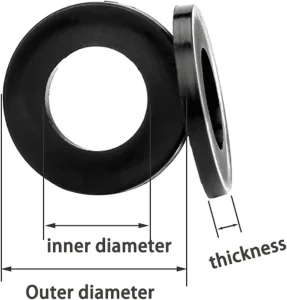
Utilizing automated Coordinate Measuring Machines (CMM) and non-contact laser micrometer scanning to continuously track critical inner diameter (ID), outer diameter (OD), and cross-section (CS) tolerances with CPK capability indices > 1.67.
Hermetic Packaging Protocols
Machined nylon rings are vacuum-sealed inside nitrogen-flushed, multi-layer aluminum barrier foil pouches. This isolates the parts from atmospheric humidity during sea freight, ensuring parts arrive at the customer's factory with zero dimensional drift.
Technical Roadmap & Future Horizons: 2025 – 2035
Pioneering tomorrow’s fluid power systems with advanced nanomaterial compounding and additive manufacturing integration.
Carbon Nanotube (CNT) Compounding
Incorporation of multi-walled carbon nanotubes into the PA matrix to develop electrostatically dissipative (ESD) sealing rings. Eliminates static spark accumulation in high-velocity fuel delivery systems while raising tensile modulus to an extraordinary 5,500 MPa.
Bio-Based Polyamides (PA56 / PA1010)
Synthesis of high-performance polyamides derived 100% from renewable castor oil feedstocks. Delivers an inherently low moisture absorption index (under 0.8% saturation) comparable to POM while maintaining true nylon impact toughness and carbon neutrality.
Additive Selective Laser Sintering (SLS)
Direct printing of complex contoured hydraulic seals featuring internal micro-cooling and pressure-equalizing channels. Enables bespoke rapid prototyping of customized sealing profiles without expensive steel tooling investments.
Frequently Asked Questions (FAQ) on Industrial Nylon O-Rings
Deep technical answers addressing common design, selection, and manufacturing inquiries from mechanical engineers.
Featured Industrial Nylon O-Ring & Polymer Components (Part II)
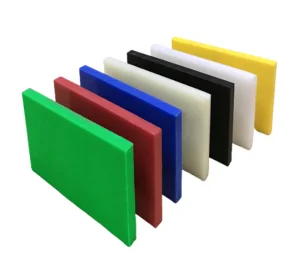
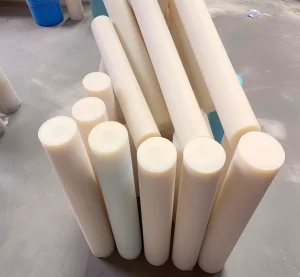
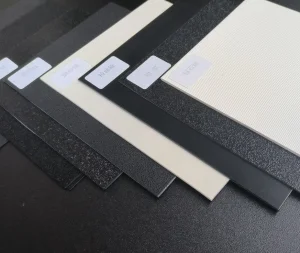
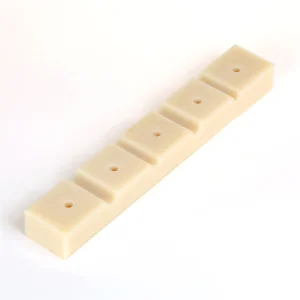
Comprehensive factory inventory spanning precision rods, wear plates, custom fabricated pads, and high-modulus tubing.
Request Engineering Consultation & Custom Drawing Quotation
Connect directly with our senior polymer engineers for material selection guidance, hygroscopic expansion calculations, and factory-direct batch quotations for precision nylon O-rings, backup rings, and CNC turned components.