
High-Precision Engineering Semi-Finished & Machined Stocks
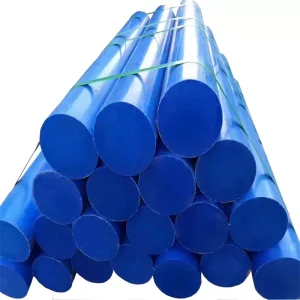
Browse our certified inventory of Monomer Cast Nylon, Acetal (POM), and industrial polymer series manufactured for zero-defect machining and extreme wear applications.
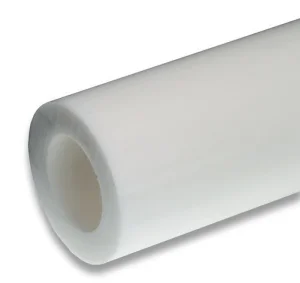
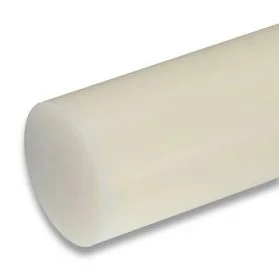
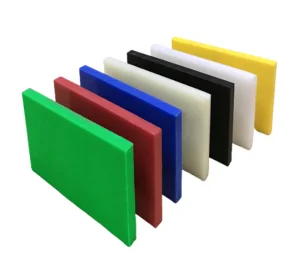
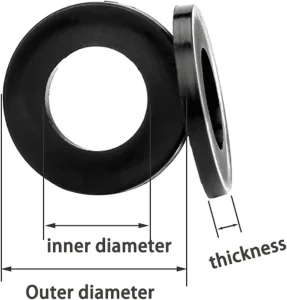
What Defines Modern "Famous Mc Rubber Factory & Factories"?
Understanding the technological convergence between Monomer Cast (MC) structural polyamides, modified polyurethanes, and high-performance synthetic elastomer fabrication.
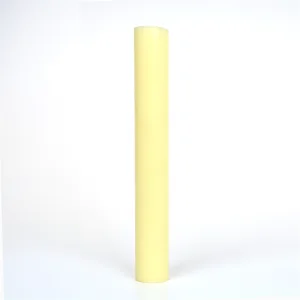
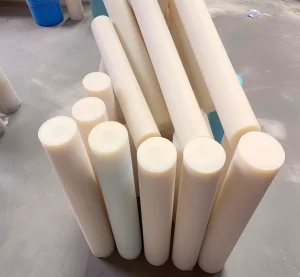
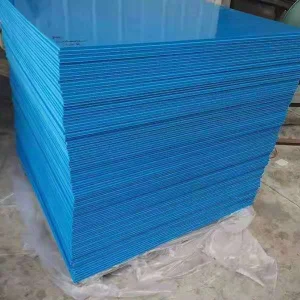
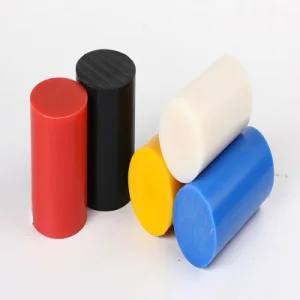
In modern industrial procurement, buyers researching terms such as "Famous Mc Rubber Factory & Factories" frequently bridge two deeply intertwined manufacturing disciplines: the synthesis of high-impact Monomer Casting (MC) Polyamide (Nylon PA6/PA66) and the processing of advanced industrial elastomeric compounds, commonly including vulcanized rubber, polyurethane (cast PU), and synthetic polymers. While strictly distinct in polymer chemistry, these materials operate side-by-side in demanding heavy-machinery assemblies.
A premier Chinese manufacturing complex like SHUNDA Polymer operates at the nexus of these material technologies. By executing direct alkaline-catalyzed lactam polymerization inside precision thermal molds, MC cast nylon achieves higher molecular weight and crystallinity (over 50%) than conventional extruded stock. When paired with rubber cushions, hydraulic seals, and damping blocks, these components form complete friction-management systems engineered to endure extreme shear, abrasive friction, and cyclic dynamic loading across mining, marine, civil foundation, and factory automation environments.
Superior Tensile & Impact Hardness
MC Nylon blocks and bars achieve Rockwell hardness ratings exceeding M85 to M98, exhibiting up to 5 times the operational wear lifespan of traditional white metals or phosphor bronze sleeves.
Internal Lubrication & Damping
Infused with molybdenum disulfide (MoS2) or liquid lubricant blends, specialized cast grades dramatically lower the dry friction coefficient, preventing stick-slip wear against mating steel surfaces.
Stress-Free Structural Casting
Because the monomer polymerizes at ambient atmosphere without hydraulic extrusion pressure, thick billets, oversized cylinders, and heavy plates remain free of core thermal stresses that lead to machining warping.
Engineering Specifications: Comparing Cast Nylon, POM & Industrial Elastomers
Technical decision data for OEM engineers, procurement managers, and MRO leaders shortlisting raw polymers and finished machined components.
| Material Category | Tensile Strength (MPa) | Dynamic Friction (Dry) | Moisture Absorption (24h) | Continuous Temp Range (°C) | Typical Mechanical Advantage |
|---|---|---|---|---|---|
| MC Cast Nylon (PA6 Natural / Blue) | 85 – 110 | 0.15 – 0.25 | 0.6% – 1.2% | -40 to +110 | Outstanding impact absorption, protects mating shafts, lightweight gear sets |
| Oil-Filled / MoS2 Cast Nylon | 75 – 95 | 0.10 – 0.18 | 0.5% – 0.9% | -40 to +105 | Self-lubricating under dry running; lowers operating temperature in sheaves |
| Polyoxymethylene (POM / Acetal) | 65 – 80 | 0.20 – 0.32 | 0.2% | -50 to +100 | Superior dimensional stability; zero hygroscopic swelling in wet pumps |
| Ultra-High Molecular Weight PE (UHMWPE) | 35 – 50 | 0.10 – 0.15 | < 0.01% | -150 to +80 | Zero stick-slip, unmatched resistance to fine-particle sand and rock abrasion |
| Industrial Rubber & Cast PU Elastomers | 25 – 60 | 0.40 – 0.70 | < 0.3% | -30 to +90 | Extreme shock dampening, vibration decoupling, high-pressure dynamic sealing |
Why Tier-1 Global Enterprises Source from Hebei's Manufacturing Base
Strategic cluster economies, integrated monomer refining, and direct multimodal logistics provide irreplaceable efficiency advantages.
Upstream Monomer Integration
Direct raw material supply alliances with regional petrochemical refiners in northern China buffer volatile caprolactam monomer pricing, allowing fixed-price supply contracts across annual cycles.
Full-Spectrum CNC Machining Fleet
From raw billet centrifugal casting to 5-axis turning and planar routing, eliminating intermediate machining third parties reduces production scrap and accelerates prototyping turnaround.
Tianjin & Qingdao Port Proximity
Strategically situated in Xinhe County, Xingtai, goods reach major deep-water ports within 4 hours, expediting fast-track export customs clearance with full Ro-Ro and container vessel frequency.
Mission-Critical Use Cases Across Heavy Industry
Where structural polymer strength and shock-absorbing elastomeric damping perform together under real operational stress.
Piling Machinery Cushion Blocks
Heavy hydraulic foundation pile hammers subject tooling to extreme kinetic shocks. Engineered high-density Impact Black Nylon Cushions disperse multi-ton hammer impacts, dampening high-frequency rebound vibrations and preventing brittle hammer casing fatigue.
Port Crane Sheaves & Cable Pulleys
Cast MC Nylon cable pulleys replace heavy forged steel units. Weighing 85% less, they reduce dynamic wire rope wear by up to 300% through mild modulus contact, drastically diminishing dry friction fraying and prolonging wire hoist cable longevity in salt-mist marine harbors.
Food & Beverage Conveying Trackway
Combining FDA-compliant natural POM rods, UHMWPE wear plates, and elastomeric scraper strips guarantees friction-free, hygienic conveyor movement. Resisting aggressive clean-in-place (CIP) alkaline sanitizers, these components eliminate metallic contamination risks.
Localized Support, Traceability & International Standards
Ensuring compliance with stringent North American, European, and Asia-Pacific import standards.
RoHS & REACH Compliance
Every casting run uses virgin, non-recycled lactam base resins certified free from heavy metals, phthalates, and SVHC chemical hazards, accompanied by third-party SGS laboratory test reports for hassle-free EU customs clearance.
Full Lot Traceability & MTR
Direct issuance of EN 10204 Type 3.1 Material Test Reports (MTR) specifying melt viscosity, density, tensile modulus, and Charpy impact values with indexed lot numbers stamped on every batch billet or plate.
Door-to-Door Delivery Logistics
Comprehensive Incoterms support (FOB, CIF, DDP) paired with specialized ocean crating: moisture-barrier shrink film, desiccants, heavy wooden pallets, and fumigated timber crates to prevent dimensional warping during long sea transits.
Emerging Trends: The Future of Cast Engineering Plastics & Rubber Alloys
Material innovation accelerating weight reduction, decarbonization, and intelligent condition monitoring.
Nano-Graphene Reinforced Polyamides
Compounding minute fractions of nano-carbon and graphene into the caprolactam liquid melt achieves unprecedented structural rigidity and electrostatic dissipation (ESD), replacing expensive fluoropolymers in cleanrooms and volatile mining galleries.
Lightweighting Heavy Mechanical Systems
Replacing cast-iron idlers and bronze bushings with MC Cast Polyamides reduces rotational inertia by up to 80%. This directly lowers drive motor energy draw and decreases carbon intensity throughout automated packaging and mining conveyors.
Closed-Loop Zero-Waste Milling
Precision CNC turning generates pure dry swarf chips. Advanced clean-separation scrap recovery infrastructure enables closed-loop depolymerization back to monomer stages, supporting corporate circularity and ESG sustainability benchmarks.
Frequently Asked Procurement & Engineering Questions (FAQ)
Quick, authoritative answers addressing tolerances, moisture handling, and factory-direct custom compounding.
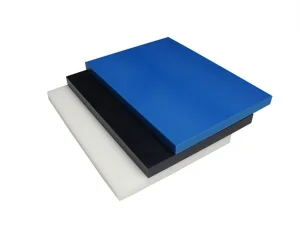
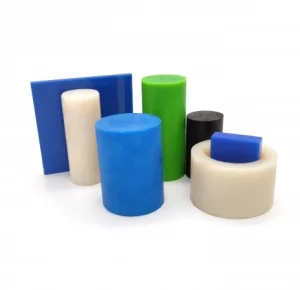
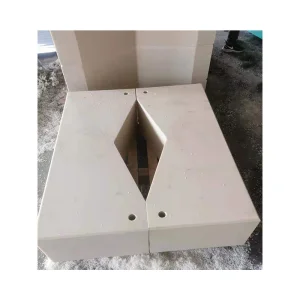
Specialized Industrial Plastics, Plates & Custom Machined Bushings
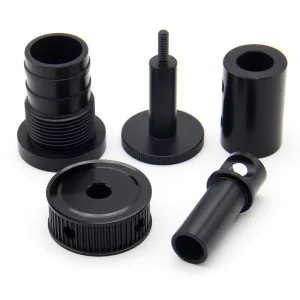
Explore our full line of PTFE, HDPE, heavy-duty piling cushions, and CNC turning components built to exact customer specifications.

Initiate Your Custom Engineering Polymer Request
Send your DWG, DXF, or STEP 3D CAD files directly to our senior polymer engineering team in Xingtai, Hebei. We provide upfront material selection validation, tolerance assessments, and comprehensive export pricing without intermediaries.