
Precision Engineering Stock & Custom Machined Castings
Direct factory supply of high-crystallinity MC cast nylon, POM, UHMWPE, and fluoropolymer components engineered to extreme mechanical tolerances for heavy machinery, hydraulics, and fluid conveyance systems.
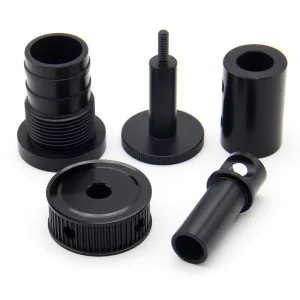
Discount Custom CNC Machining Components PEEK / ABS / PTFE / Delrin / Nylon / POM
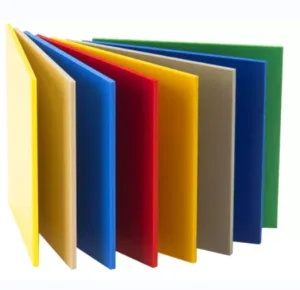
OEM China Engineering Plastic PA6 PA66 Nylon, PP, UHMWPE & PTFE Sheet/Rod
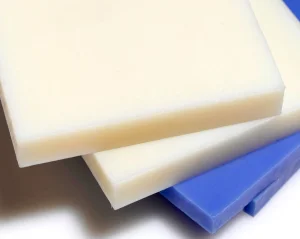
OEM Natural & Cast Blue PA6 Plate/Sheet for Machined Wear Strips
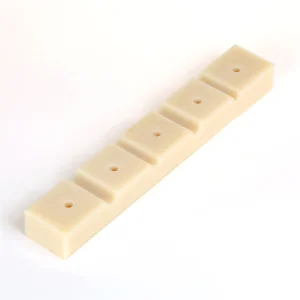
Wholesale Cast Nylon Drag Chains, Wear Guides & Cushioning Slide Pads
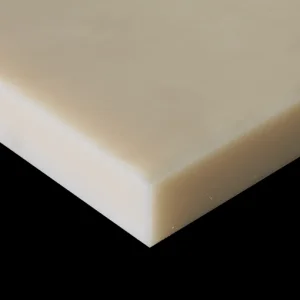
High-Density Natural Monomer Cast (MC) Nylon Sheet Factories & Exporters
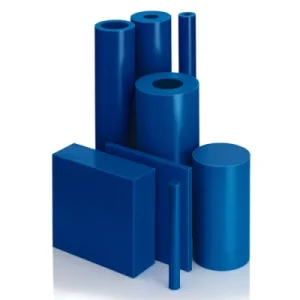
Discount Industrial UHMWPE Impact Pads, Marine Fender Panels & Liners
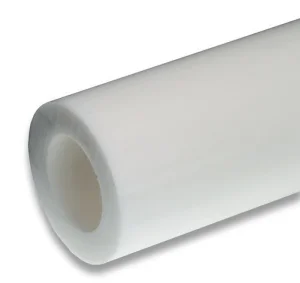
Acetal POM Tubes & Hollow Bars: White & Black Low-Friction Bushing Stock
High-Impact Black Nylon Cushion Block for Foundation Piling Hammers
The Engineering Anatomy of Monomer Casting (MC) Nylon Rings
In mechanical power transmission, heavy lifting rotaries, metallurgical cold/hot rolling, and marine offshore swivels, structural wear rings have historically been formed from bronze alloys (such as Phosphor Bronze or Aluminum Bronze), cast iron, or Babbitt metals. However, the advent of Monomer Casting Polyamide 6 (MC Nylon) has caused a fundamental paradigm shift in wear-face engineering.
Unlike standard extruded PA6 or injection-molded nylon resins that undergo shear thermal degradation in an extruder screw, MC Nylon is produced via the anionic polymerization of caprolactam directly inside casting molds. Liquid caprolactam monomer, mixed with basic alkaline catalysts (such as sodium caprolactamate) and activators, polymerizes under atmospheric pressure at temperatures between 140°C and 160°C.
This process results in an extraordinarily high molecular weight (ranging from 350,000 to over 500,000 g/mol, compared to 30,000–45,000 g/mol for conventional extruded PA66) and an elevated degree of crystalline alignment (typically reaching 48% to 52%). The resultant polymeric matrix yields exceptional yield strength, self-lubrication, high impact resilience, and extraordinary resistance to cyclic fatigue.
Key Physical Parameters of Cast MC Nylon
- Density: 1.15 – 1.16 g/cm³ (1/7th the weight of bronze, reducing rotational inertia).
- Tensile Strength at Yield: 80 – 95 MPa (ASTM D638).
- Compressive Strength (10% Def.): 100 – 115 MPa with zero brittle flaking.
- Dynamic Friction Coefficient (μ): 0.15 – 0.22 unlubricated; 0.08 – 0.12 with boundary oil.
- Vibration Damping: 4.5× higher elastic damping loss factor than copper alloys.
Why Leading OEMs Partner with China's Advanced MC Ring Producers
Global engineering procurement teams in Germany, North America, Japan, and Australia increasingly consolidate high-duty cast nylon ring production into specialized Chinese manufacturing corridors. Here is how modern Chinese factories deliver decisive competitive advantages.
Vertical Monomer Polymerization Integration
Chinese facilities directly integrate caprolactam chemical cracking and polymerization units adjacent to casting workshops. By maintaining direct fluid piping of molten monomer into nitrogen-blanketed mixing vessels, plants eliminate moisture re-absorption and guarantee consistent bulk density free from internal micro-porosity.
Computerized Oil-Bath Annealing Cycles
Internal residual stress is the primary cause of dimensional warping when turning large-bore polymer rings. Top Chinese suppliers utilize automated thermal oil tempering vats for up to 72 continuous hours, gradually lowering internal strain to under 4.2 MPa, ensuring that rings hold tight circularity post-machining.
Advanced Large-Bore CNC Turning Centers
Equipped with 3-meter to 5-meter vertical CNC lathe tables and multi-axis live-tooling centers, Chinese manufacturers execute complex outer seal grooves, keyways, split stepped joints, and internal oil reservoirs in a single clamping setup, guaranteeing concentricity within ISO IT7 tolerances.
Proprietary Compound Customization
Chinese engineers formulate bespoke modified grades on-demand: molybdenum disulfide (MoS2) addition for severe boundary contact, micro-capsule liquid lubricant inclusion for permanent self-lubrication, glass-fiber matrix enhancement for high modulus, and carbon-nanotube dosing for ATEX anti-static zones.
Cost-to-Performance Dominance
Benefiting from domestic chemical supply chains (such as Sinopec and DSM partnerships) and optimized power infrastructures, finished MC nylon rings deliver a 35% to 55% landed cost advantage compared to European or North American converters, with zero compromise in metallurgical test compliance.
Performance Matrix: MC Ring Formulations vs. Conventional Metals
Selecting the correct polymer composition is vital for tribological reliability. The table below illustrates the physical and operational differences between primary MC nylon grades, POM acetal, and traditional Copper Alloy bearings.
| Material Designation | Color / Additive | Tensile Modulus (MPa) | Max Dynamic PV (MPa·m/s) | Operating Temp (°C) | Typical Industrial Application |
|---|---|---|---|---|---|
| Standard MC901 | Natural / Blue (Unfilled) | 3,200 | 1.8 | -40 to +105 | Crane sheaves, gear rings, mechanical spacers, guide rings |
| MC-MoS2 (Polyamide + MoS2) | Dark Grey / Black | 3,600 | 2.4 | -40 to +115 | Excavator pivot bushings, slewing wear rings, rolling mill shoes |
| Oil-Filled MC Nylon (PA6+Oil) | Green / Yellow (Internal Lube) | 2,900 | 3.2 | -30 to +100 | High-speed conveyor bushings, packing machinery seals, dry-run rings |
| POM (Polyoxymethylene Acetal) | Natural White / Black | 2,800 | 1.6 | -50 to +100 | Precision hydraulic guide rings, moisture-sensitive valve seats |
| Phosphor Bronze (C93200) | Metallic Gold | 100,000 | 3.5 (Requires grease) | Up to +250 | Heavy engine wrist pins, high-temperature furnace trunnions |
Mission-Critical Industrial Installation Scenarios
MC Nylon rings deliver quantifiable lifecycle benefits across harsh operating environments. Below are five proven field installations where polymeric rings replace metals to eradicate equipment failure.
Heavy Mobile Crane Sheaves & Slewing Rings
Telescopic and lattice boom cranes subject wire cables and pin sheaves to extreme point loading. MC nylon wire-rope sheaves and slewing support rings cushion shock loads, prevent metallurgical work hardening of steel wire rope, and extend cable lifespans by up to 300%.
Hydraulic Cylinder Piston Wear & Guide Rings
High-tonnage hydraulic cylinders in earthmoving and mining dump trucks require wear rings that eliminate metal-to-metal contact between piston and barrel. MC nylon guide rings absorb radial side loads, accommodate microscopic bore misalignment, and embed foreign contamination harmlessly.
Tunnel Boring Machine (TBM) Cutterhead Rings
Operating under intense hydrostatic and rock-slurry pressures, TBM articulation mechanisms rely on MoS2-filled cast nylon seal retainers and wear rings. The material resists fine abrasive quartz dust, eliminates galling, and survives uninterrupted throughout multi-kilometer excavation cycles.
Hydropower Wicket Gate & Turbine Runner Bushings
Grease-free environmental mandates in river hydro systems make cast nylon the premier material for wicket gate thrust rings. Self-lubricating oil-impregnated MC rings run submerged in fresh or silt-laden water without leaching contaminants or suffering electrolytic bimetallic corrosion.
Steel Rolling Mill Roll-Neck Bearings
Hot rolling steel operations face aggressive water cooling and heavy scale exposure. MC nylon roll-neck split rings operate with water as the primary cooling lubricant, dampening chattering vibrations, lowering drive electrical wattage, and protecting forged steel roll necks from severe scoring.
Procurement Protocols: Specifying MC Rings for Critical Projects
International industrial procurement teams must establish meticulous inspection gates when sourcing polymer rings. Unlike isotropic metals, polyamides exhibit anisotropic shrinkage during solidification and are subject to moisture equilibration.
When drafting Requests for Quotation (RFQs) and factory inspection criteria, our global engineering consulting desk recommends integrating the following five quality assurance protocols:
- Ultrasonic Defect Screening: Mandatory ultrasonic volumetric scanning (ASTM E114) for ring wall thicknesses over 50mm to verify zero internal shrinkage voids or gas cavitation.
- Hygroscopic Allowance Modeling: Cast PA6 absorbs 1.5%–2.0% atmospheric moisture under standard ambient conditions (up to 6.5% under total water immersion). Machined clearances must compute hygroscopic swelling coefficients alongside thermal expansion rates (α = 80–100 × 10&supmin;&sup6; K&supmin;¹).
- Raw Material Traceability: Certificate of Analysis (CoA) confirming virgin caprolactam monomer without recycled regrind, ensuring consistent yield ductility.
- CMM Coordinate Verification: Post-annealing Coordinate Measuring Machine inspection reports certifying circular run-out, cylindricity, and chamfer radii.
Complete Quality Assurance & Compliance Checklist
Every precision order dispatched from certified Chinese partner facilities carries full international compliance verification:
- ISO 9001:2015 Quality Management Certification
- RoHS & REACH Compliant for SVHC non-toxicity
- FDA 21 CFR 177.1500 Compliance (Natural virgin grade)
- EN 10204 3.1 Inspection Certificates provided
- Vacuum moisture-barrier export crating with desiccant packs
Emerging Trends in Engineering Polymer Ring Manufacturing
The cast nylon ecosystem is rapidly transforming. Technological disruption in monomer chemistry, green circularity, and digital tooling continues to reshape how global equipment builders procure friction components.
Nano-Graphene Tribo-Modification
Incorporating functionalized graphene platelets into the liquid monomer mix improves heat dissipation at sliding friction interfaces, elevating the maximum continuous PV operating threshold by up to 45%.
Atmospheric Near-Net Centrifugal Casting
Dynamic rotational centrifugal casting produces hollow ring sleeves with extremely dense grain structure, minimal outer tooling stock allowance, and up to 30% material cost savings on large diameters.
Bio-Sourced Caprolactam Monomers
China's major chemical developers are pioneering the depolymerization of nylon turnings alongside bio-based adiponitrile pathways, slashing the cradle-to-gate carbon footprint of industrial MC rings by 40%.
Digital AI-Driven Machining Compensation
5-axis CNC vertical turning machinery integrates laser real-time surface measurement with thermal compensation algorithms, compensating in real-time for polymer tool-pressure deflection.
Industrial Engineering Polymers, Rods & Machined Stocks
Complementary industrial semi-finished polymer stock, custom extruded profiles, and heavy-gauge wear sheets supporting global turn-key engineering projects.
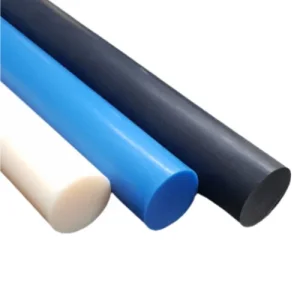
Engineering Plastic PA6 PA66, POM, UHMWPE & PTFE Round Rods & Bars
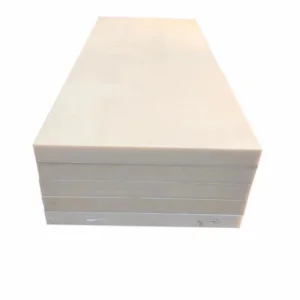
Large Size Moulded Plastic Sheets: PA6, HDPE, UHMWPE & PP Slabs

Custom Color & Sized Engineering Plastic Sheets & Solid Cylinders
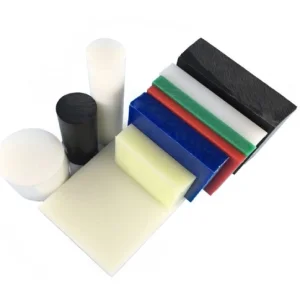
High-Quality Polyamide PA66, UHMWPE, PTFE & HDPE Stock Material
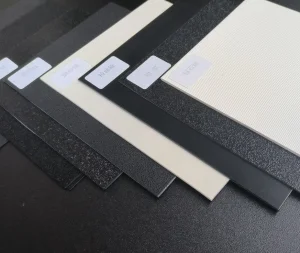
OEM Smooth Texture ABS Plastic Sheet for Refrigerator & Enclosures
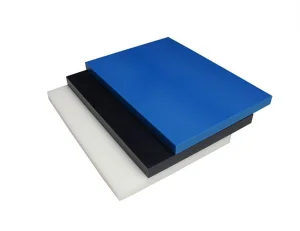
PA6 Nylon & UHMWPE Sheet, Board, Plate, Tube & Rod Profiles
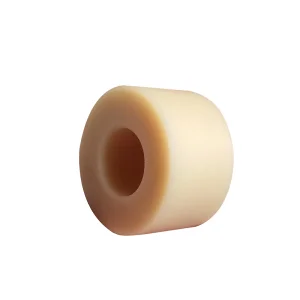
Factory Engineering ABS, Nylon & PP Plastic Tubes, POM & PTFE Rods
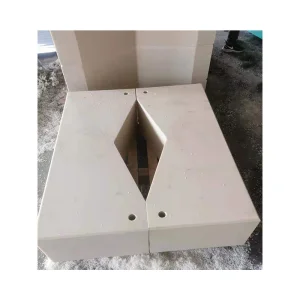
High-Quality MC Casting PA6 Nylon Sheet & Dense Rigid Board Stock
Frequently Asked Questions on MC Ring Sourcing & Engineering
Direct answers to technical, tolerances, and supply chain questions encountered by procurement professionals, mechanical draftsmen, and maintenance engineers.
What is the primary mechanical difference between MC Cast Nylon and Extruded PA66 rings?
Monomer Casting (MC) nylon is synthesized through in-situ chemical polymerization of caprolactam inside the mold at low temperature without high shear stress. This produces a molecular weight (350k–500k g/mol) that is roughly ten times that of extruded nylon. Consequently, MC rings exhibit significantly higher dimensional stability, higher tensile modulus, greater hardness (Rockwell R115–120), higher heat deflection temperatures under load, and drastically lower internal residual stresses, making them ideal for large-bore (>200mm) components.
How do you calculate running clearance to prevent polymer shaft seizure?
Polyamides have a coefficient of linear thermal expansion approximately 5 to 7 times higher than carbon steel (80–100 × 10&supmin;&sup6; K&supmin;¹) and will swell by approximately 0.2% to 0.3% per 1% of absorbed moisture. As an engineering benchmark rule for MC ring bushings, the initial diametral clearance over steel shafts should be sized at 0.003 to 0.005 mm per 1.0 mm of shaft diameter (never less than 0.25 mm total), expanding appropriately if operating in warm aquatic environments.
Can MC Nylon rings run dry without grease or oil lubrication?
Yes. Unfilled MC901 possesses an unlubricated dynamic friction coefficient of 0.18–0.25 against hardened polished steel shafts (Ra < 0.4 μm). For continuous unlubricated operation, oil-filled cast nylon grades (containing 3%–5% homogeneously blended synthetic lubricants) or MoS2-impregnated formulations are recommended, dropping the dry friction coefficient to 0.08–0.12 and eliminating stick-slip friction chatter.
What CNC machining parameters are necessary to prevent heat distortion in MC nylon?
Due to low thermal conductivity (0.23 W/m·K), cutting heat remains concentrated in the tool-chip interface. High-speed steel (HSS) or polished micro-grain carbide tooling with generous positive rake angles (15°–25°) and sharp relief angles (10°–15°) must be utilized. Maintain high chip-feed rates (0.2–0.5 mm/rev) with moderate surface cutting speeds (150–350 m/min) and continuous compressed-air or synthetic emulsion mist blast to evacuate chips instantly.
What is the maximum diameter achievable for monolithic (seamless) MC rings?
Utilizing static atmospheric casting molds, monolithic seamless MC rings and cylinders can be cast up to 2,500 mm (2.5 meters) in outside diameter with single-piece cast weights exceeding 1,200 kg. For applications exceeding 2.5 meters, precision-machined stepped scarf-cut or puzzle-interlocking segment rings are engineered for facile on-site assembly.
How are MC rings packaged and protected during transoceanic shipping?
Because polyamides are sensitive to varying humidity levels, precision-machined MC rings undergo post-annealing ultrasonic cleaning, followed by sealing within heavy-gauge polyethylene moisture-barrier envelopes containing silica desiccant canisters. Outer crating utilizes heat-treated, ISPM-15 compliant solid plywood cases with internal CNC foam profiling to protect against circumferential deflection and transit impact.