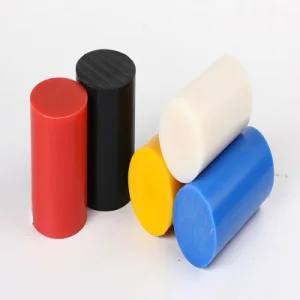
Engineered Polymers & Precision Cast Solutions
Discover our primary certified stock shapes, hollow profiles, and custom CNC components tailored for critical industrial operations worldwide.
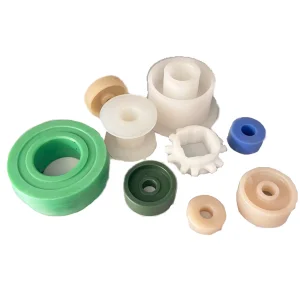
China Custom CNC Machining Components Peek ABS/PTFE/Derlin/Nylon POM CNC All Kinds Of Pulley Wheel Suppliers, Exporters
View Product Specs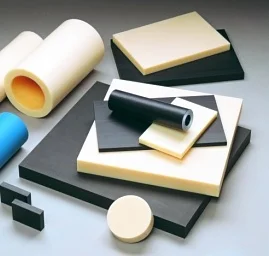
OEM Engineering Plastic Backing Casting Board Nylon PP ABS PTFE UHMWPE Board Sheet Rod Tube Waterproof Customized Color Made In China Manufacturer, Factories
View Product Specs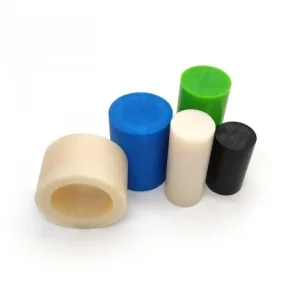
Discount Engineering Plastic Cast Board PA6 Polyamide Nylon ABS PP PTFE Plastic Tube Rod And Bar Customized Color With Size Manufacturer, Suppliers
View Product Specs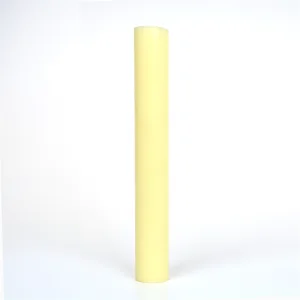
Buy Trending Products China High Quality PP Rod, Polypropylene Rod, Plastic Rod With White, Grey, Green Color etc. Manufacturers, Suppliers
View Product Specs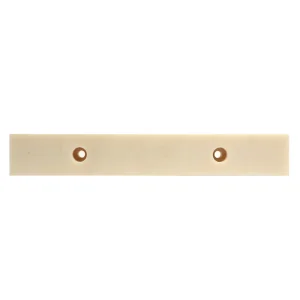
OEM Nylon,ABS,HDPE ,UHMWPE Plastic Sheet Pad With Hole Supplier, Company
View Product Specs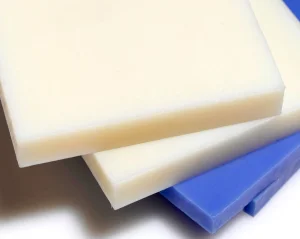
OEM Natural Nylon Plate/Sheet, Blue Nylon Plate/Sheet Factories, Companies
View Product Specs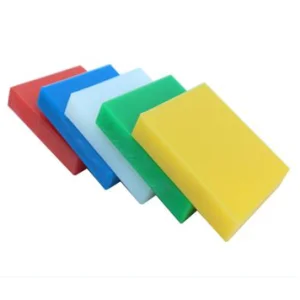
Buy China Engineering Plastic Polyamide PA6 PA66 Nylon PP UHMWPE PTFE HDPE ABS Plastic Sheet Rod Bar Suppliers, Product
View Product Specs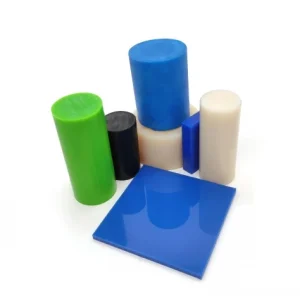
Wholesale Engineering Plastic Polyamide PA6 PA66 Solid Nylon Rod , PTFE Rod, ABS Rod Plastic Solid Rod And Bar Customized Color With Size Factory, Companies
View Product SpecsTechnical Roadmap & Future Outlook: Cast POM Pipes
Analyzing the shift from standard extrusion to high-crystallinity cast polyacetal tubing, molecular orientation engineering, and advanced tribological polymers.
Crystalline Morphology Control
Polyoxymethylene (POM), commonly known as acetal, demonstrates remarkable rigidity and mechanical strength due to its closely packed crystalline regions. In traditional extruded heavy-wall POM pipes, centerline porosity frequently undermines structural integrity under pressure. Our advanced continuous hollow horizontal and centrifugal casting technologies utilize precisely controlled cooling gradients, establishing a uniform spherulitic microstructure with crystallization exceeding 75%, effectively eliminating void defects.
Tribological Nano-Composites
The technological horizon for cast POM tubing centers on hybrid polymer compounds. By introducing homogeneously dispersed polytetrafluoroethylene (PTFE) sub-micron particles, ultra-fine molybdenum disulfide (MoS2), and surface-grafted carbon nanotubes (CNTs), next-generation POM-C and POM-H cast pipes offer dry-running sliding coefficients as low as 0.08 while maintaining superior volumetric electrical resistivity and thermal dissipation under dynamic radial loads.
Sustainable Bio-Polyacetal
Environmental regulations across Europe and North America demand quantifiable lifecycle carbon reduction. Our 2026–2030 development agenda integrates mass-balanced bio-methanol feedstocks into POM polycondensation reactors. This paradigm enables chemically identical bio-acetal cast pipes with a 65% reduction in Product Carbon Footprint (PCF), without compromising tensile modulus, chemical endurance, or compliance with stringent aerospace and automotive standards.
| Physical & Mechanical Property | Standard Extruded POM-C Tube | Premium Cast POM Hollow Pipe | Modified POM + PTFE/MoS2 Cast | Test Standard |
|---|---|---|---|---|
| Density (g/cm³) | 1.41 | 1.42 – 1.43 | 1.45 – 1.48 | ISO 1183 |
| Tensile Strength at Yield (MPa) | 65 | 72 | 68 | ISO 527-2 |
| Tensile Modulus of Elasticity (MPa) | 2,800 | 3,200 | 3,450 | ISO 527-2 |
| Water Absorption at Saturation (23°C, %) | 0.80 | 0.22 | 0.15 | ISO 62 |
| Dynamic Coefficient of Friction (Dry, vs Steel) | 0.32 | 0.21 | 0.08 – 0.12 | ASTM D3702 |
| Continuous Service Temperature (°C) | -40 to +100 | -50 to +115 | -50 to +130 | UL 746B |
| Centerline Porosity Occurrence (%) | 8% – 14% | < 0.01% (Zero Porosity) | < 0.01% (Zero Porosity) | Ultrasonic NDT Class A |
Macro-Industry Engineering Solutions
Solving high-stress operational challenges across fluid conveyance, high-load machinery, chemical processing, and renewable infrastructure.
Hydraulic & Pneumatic Systems
Piston guide rings, valve bodies, and hydraulic cylinder bushings require uncompromising dimensional stability under sustained operating pressures. While standard cast nylon swells when exposed to synthetic hydraulic fluids or ambient humidity (absorbing up to 8% water), cast POM hollow pipes absorb negligible moisture (0.2%). This eliminates cylinder jamming and piston seizure in extreme subsea valves and industrial hydraulic accumulators.
Food & Pharmaceutical Pipelining
In sanitary fluid routing, resistance to aggressive Clean-in-Place (CIP) and Sterilization-in-Place (SIP) chemicals is vital. Cast POM pipes are inert to alkaline wash solutions, peracetic acid disinfectants, and organic solvents. Precision honed POM pipe segments serve as metering tubes, pump sleeves, and scraper rings without micro-cracking, shedding plastic particles, or leaching plasticizers into sanitary supply chains.
Automotive Transmission & E-Mobility
Electric vehicle (EV) drivelines demand lightweight structural polymers capable of dampening high-frequency motor harmonics while resisting synthetic dielectric cooling oils. Thick-walled cast POM pipe blanks are machined into planetary gear spacers, high-speed planetary carrier bushings, and differential thrust washers, reducing rotational mass by 80% compared to phosphor bronze while eliminating galvanic corrosion.
China Factory 4.0: Supply Chain Resilience & Efficiency
How deep vertical integration, automated continuous casting lines, and strategic Hebei production facilities drive global delivery velocity.
Continuous Hollow Casting
Unlike conventional rod boring which produces up to 60% swarf waste, our automated continuous hollow casting line forms thick-walled POM pipe stock directly from polymer melt, delivering superior grain uniformity, dense wall structures, and significant raw material savings passed onto our international clients.
Precision Annealing Protocol
Internal residual stress is the primary cause of cracking and dimensional warping during CNC machining of acetal hollow profiles. Every batch of SHUNDA cast POM pipes undergoes a programmed 72-hour air-circulation annealing cycle, equalizing thermal history and guaranteeing stress-free stock for high-speed machining.
Direct Resins Sourcing
Through strategic long-term procurement pacts with tier-one chemical manufacturers including Sinopec, Celanese, and Formosa Plastics, we insulate our global buyers from raw polymer price shocks and guarantee virgin-grade, unadulterated high-viscosity resin for every extrusion and casting run.
In-House 5-Axis Finishing
From standard hollow profiles to finished high-tolerance components, our facility houses 45+ CNC lathes, multi-axis machining centers, and deep-hole drilling equipment, enabling single-source convenience from resin melting to finished, coordinate-measuring-machine (CMM) inspected parts.
Global Enterprise Procurement Requirements
A strategic framework for procurement directors, supply chain managers, and OEM design engineers sourcing semi-finished engineering plastics.
Total Cost of Ownership (TCO)
Sourcing cast POM hollow pipe instead of solid POM rod eliminates up to 65% of center core drilling time, spindle wear, and coolant consumption. When evaluating suppliers, global procurement teams must weigh raw material tonnage versus machined net part yield. Our pre-cast inner diameter options significantly reduce swarf waste and total operational machining expense.
Defect Verification & Traceability
Acetal is susceptible to internal thermal voids if cooling is improperly managed. Tier-1 buyers demand batch-level Ultrasonic Non-Destructive Testing (NDT) to ISO 10121 standards, differential scanning calorimetry (DSC) reports confirming melt temperatures, and EN 10204 3.1 chemical inspection certificates to guarantee zero subsurface flaws.
Logistics & Packaging Protocols
Ocean and intercontinental transit expose plastic pipes to extreme relative humidity, salt mist, and mechanical shock. Our industrial packaging features moisture-barrier shrink wrapping, protective polymer end-caps, shock-dampening interior crating, and ISPM-15 compliant fumigated solid timber cases for risk-free delivery.
Localization Support & Compliance Assurance
Ensuring absolute adherence to international environmental, chemical, and industrial certifications for seamless customs clearance and assembly line integration.
RoHS & REACH SVHC Compliance
All SHUNDA polyoxymethylene formulations are 100% compliant with EU Directive 2011/65/EU (RoHS 3) and Regulation (EC) No 1907/2006 (REACH). Our materials are certified free from heavy metals (Lead, Cadmium, Mercury, Hexavalent Chromium), polybrominated biphenyls (PBB/PBDE), and Substances of Very High Concern (SVHC), verified by independent SGS and TÜV test laboratories.
FDA 21 CFR 177.2470 & EU 10/2011
For food processing machinery, beverage dispensing systems, and pharmaceutical conveyor bushings, our virgin white and natural POM stock meets US FDA food-contact criteria under 21 CFR 177.2470, as well as European Commission Regulation EU 10/2011 for overall and specific migration limits in aqueous and fatty food environments.
Engineering Support & Local Hubs
To bridge timezone differentials, our multinational technical sales engineering desk provides sub-12-hour turnaround on CAD/CAM drawing reviews, DFM (Design for Manufacturability) optimizations, custom tooling estimates, and material selection consultations. Partner bonded warehouses across Western Europe and North America facilitate buffer stock and expedited JIT deliveries.
Frequently Asked Technical Questions (FAQ)
Deep-dive technical inquiries addressed by our Chief Polymer Materials Engineer and Quality Assurance Team.
How does cast POM pipe compare to cast nylon (MC PA6) in high-moisture environments?
Cast POM (Polyoxymethylene) exhibits vastly superior moisture resistance compared to cast nylon. While MC Nylon can absorb up to 6.0%–8.0% of its weight in water at atmospheric saturation—leading to significant swelling, loss of tensile modulus, and tolerance drift—Cast POM has a saturated moisture uptake of only 0.20%–0.25%. For precision bushings, valve slides, and guide sleeves submerged in water or operating in humid climates, POM ensures absolute dimensional stability and predictable operating clearances.
What is "centerline porosity" in POM, and how does your casting process prevent it?
Centerline porosity is a classic structural defect in thick-walled extruded POM rods caused by differential cooling rates between the exterior skin and the polymer core. Because polyacetal shrinks by approximately 14% to 18% during crystallization, the core solidifies last, resulting in microscopic vacuum voids. SHUNDA resolves this through automated continuous hollow casting and specialized centrifugal mold cooling, which solidifies the material uniformly from inner and outer surfaces simultaneously, achieving a void-free, 100% solid density across the entire wall thickness.
Should I specify POM Copolymer (POM-C) or POM Homopolymer (POM-H) for pipe applications?
POM-C (Copolymer) is our primary recommendation for 90% of industrial piping and sleeve applications because it offers superior thermal-oxidative stability, superior resistance to strong alkaline media and hot water hydrolysis (up to 85°C continuous), and lower center porosity. POM-H (Homopolymer, e.g., Delrin) provides roughly 10%–15% higher room-temperature tensile strength and stiffness, but is prone to centerline voids and degrades rapidly in contact with high-pH cleaning chemicals.
What tooling geometries and cutting parameters yield the best CNC results on cast POM pipes?
When machining cast POM, sharp cutting edges with high rake angles (15° to 25°) and clearance angles (10° to 15°) prevent material smearing and frictional heat buildup. Uncoated carbide or polycrystalline diamond (PCD) tools with polished flutes ensure rapid chip evacuation. Surface cutting speeds of 250 to 450 m/min with moderate feeds (0.15 to 0.35 mm/rev) are optimal. Compressed air cooling or non-aromatic flood coolants are recommended to maintain close tolerances down to ±0.02 mm.
Can cast POM pipes be joined via thermal welding or chemical adhesives?
Due to its high chemical inertness and low surface energy, POM is exceptionally challenging to bond using conventional solvent adhesives. Structural bonding requires mechanical surface abrading followed by chemical etching (e.g., chromic acid treatment) or atmospheric plasma corona treatment to accept high-strength cyanoacrylate or two-part epoxy adhesives. For piping runs, heated tool butt welding and ultrasonic friction welding are highly recommended, yielding joint efficiencies exceeding 85% of parent polymer strength.
What is the maximum outer diameter (OD) and length SHUNDA can produce for custom cast POM pipes?
Our continuous casting and specialized centrifugal hollow molding facilities can produce POM hollow pipes and heavy-wall tubes with outer diameters ranging from 25 mm up to 600 mm, with wall thicknesses spanning 5 mm to 80 mm. Standard factory production lengths are 1,000 mm, 2,000 mm, and 3,000 mm, but custom continuous lengths can be manufactured or pre-cut to exact net part lengths to eliminate client handling scrap.
Cast Nylon, PTFE & Semi-Finished Engineering Shapes
Complete your supply chain requirements with our broad spectrum of high-density cast sheets, bars, tubes, and specialized fluoropolymers.
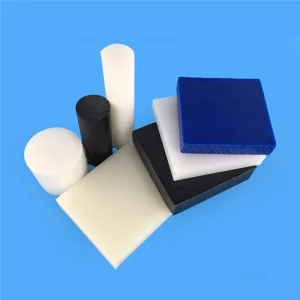
Famous Engineering Plastic Cast Sheet Board PA6 Polyamide Nylon PP HDPE ABS Plastic Rod And Bar Customized Color With Size Exporters, Companies
View Product Specs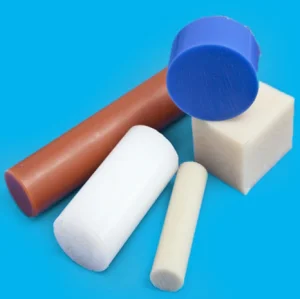
Famous China Engineering Plastic Polyamide PA6 PA66 Nylon PP UHMWPE PTFE HDPE ABS Plastic Rod And Bar Manufacturers, Suppliers
View Product Specs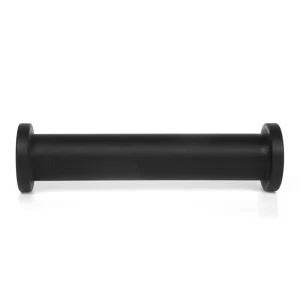
Famous Nylon ABS PP PTFE Plastic Rod Tube Bar Roller Exporters, Products
View Product Specs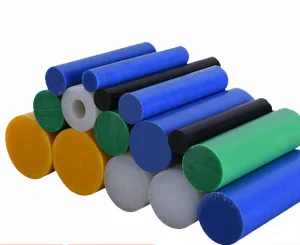
Discount Cast Nylon Tube Rod Cast Nylon Pipe Bar MC Nylon Tube Rod Bar Exporters, Products
View Product Specs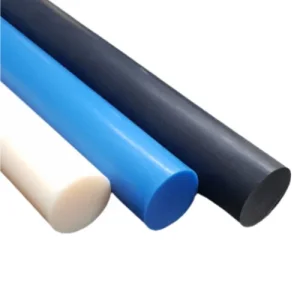
Cheap TEFLON Rod Manufacturers, Exporter
View Product Specs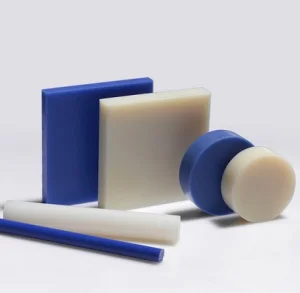
Discount China Engineering Plastic Polyamide PA6 PA66 Nylon PP UHMWPE PTFE HDPE ABS Plastic Sheet And Rod And Bar Suppliers, Company
View Product Specs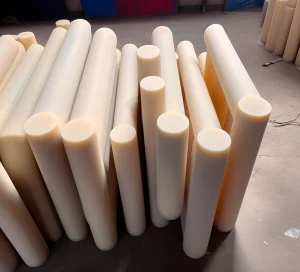
High-Quality MC Nylon Rod Manufacturer, Exporter
View Product Specs