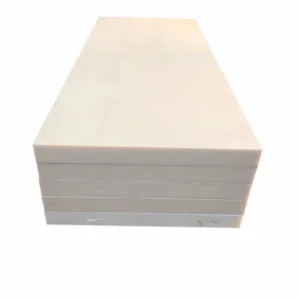
Buy Natural MC Nylon Plate Companies, Products
View Product Details
Certified industrial stock forms including cast polyamide, wear-resistant sheets, impact-damped cushions, and hollow bar extrusions manufactured directly in our Hebei polymer plant.
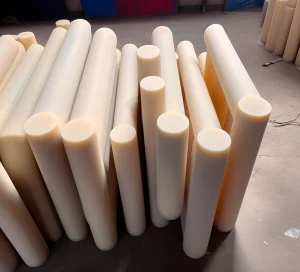
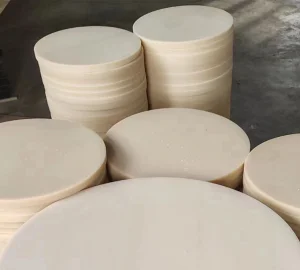
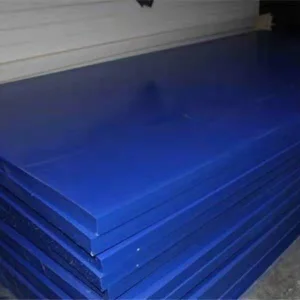
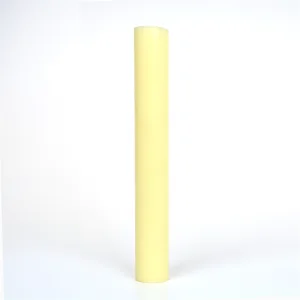
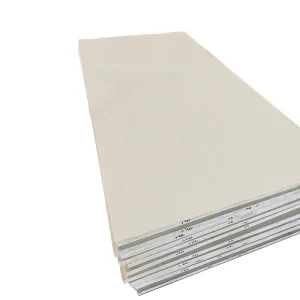
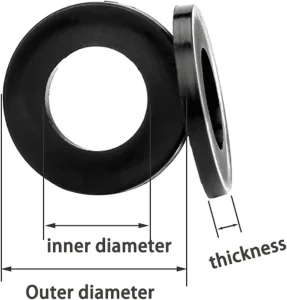
Heavy engineering, offshore exploration, fluid logistics, and precision robotics are shifting away from traditional ferrous and non-ferrous bronze tubes toward engineered thermoplastic and thermoset hollow stock.
Metallic tubing lines deployed in corrosive chemical, maritime, or wastewater installations face continuous pitting and galvanic corrosion. Semi-crystalline thermoplastics such as Monomer Cast (MC) Nylon (PA6), POM Acetal, and Ultra-High Molecular Weight Polyethylene (UHMWPE) offer total galvanic isolation, self-lubricating characteristics, and coefficient of friction values as low as 0.10, dramatically reducing maintenance downtime.
With densities ranging from 0.94 g/cm³ (UHMWPE) to 1.42 g/cm³ (POM)—compared to 7.85 g/cm³ for carbon steel and 8.8 g/cm³ for phosphor bronze—polymer tubing slashes inertial mass in high-speed mechanical sleeves, rotating rollers, and robotic articulators. This translates into smaller drive motors, lower mechanical fatigue, and reduced baseline power consumption across continuous manufacturing plants.
Machining heavy-wall bushings, sliding bearings, and wear rings from solid cylindrical rods generates up to 65% swarf and raw material waste. Factory-cast hollow tubes provide an optimized near-net shape. Procuring pre-dimensioned cast nylon or extruded tubing eliminates internal bore roughing steps, accelerates CNC spindle throughput, and reduces machine tool wear.
In sophisticated B2B global supply networks, obtaining "discount tubing" is not about downgrading virgin polymer resins with regrind. Rather, it is the structural result of vertical supply chain integration, automated centrifugal casting lines, and direct regional access to monomer synthesis in China.
China represents over 58% of the world's primary caprolactam and virgin polyolefin production capacity. By operating in Hebei's advanced polymer corridor, our factory procures liquid monomer batches directly from petrochemical refiners without intermediary warehousing, re-liquefaction, or broker markups. This delivers an immediate 18% to 27% baseline raw material cost advantage over Western compounding facilities.
Unlike traditional static vertical casting which suffers from gravity-induced density stratification and void formation, our plant deploys automated horizontal centrifugal casting drums. High rotational speed forces molten polyamides outward under intense G-force, producing a dense crystalline structure completely free of porosity, micropores, or centerline shrink cracks while guaranteeing uniform wall concentricity.
Raw extruded and cast tubing contains severe frozen-in thermodynamic stresses. Without controlled post-crystallization tempering, components crack or warp during machining. Our factory uses multi-stage heated oil bath annealing tanks that hold tubing at 160°C–170°C for up to 48 hours, fully relaxing polymer chain orientations and ensuring dimensional tolerance retention up to ±0.05 mm.
Procuring low-grade scrap-filled tubing may seem cost-effective on initial quotation sheets, but hidden porosity leads to blown seals, seized shafts, and high scrap rates on high-speed CNC centers. By pairing certified virgin polymer formulations with high-speed automated extrusion and casting, our factory delivers true discount economics: lower unit prices alongside guaranteed zero-defect machinability.
A technical comparison compiled by our material testing laboratory to assist procurement directors, toolmakers, and OEM mechanical engineers in selecting the optimal polymer tubing grade.
| Polymer Formulation | Tensile Strength (MPa) | Operating Temp Range (°C) | Water Absorption (24h %) | Dynamic Coeff. of Friction | Rockwell Hardness | Primary Industrial Utility |
|---|---|---|---|---|---|---|
| Cast Nylon 6 (MC Natural/Blue) | 80 – 95 | -40 to +110 | 1.2 – 1.8 | 0.20 – 0.25 | M85 – M92 | Heavy-duty sheaves, crane outrigger bushings, large wear rings |
| POM-C (Polyacetal / Delrin) | 65 – 75 | -50 to +105 | 0.2 | 0.25 – 0.30 | M80 – M88 | Precision fluid sleeves, high-stability gears, hydraulic guides |
| UHMW-PE (Virgin 5M+ g/mol) | 25 – 40 | -150 to +80 | < 0.01 | 0.10 – 0.15 | Shore D 65 | Bulk hopper chute liners, wear guides, non-stick slurry pipes |
| HDPE (High Density Polyethylene) | 22 – 32 | -50 to +80 | < 0.01 | 0.18 – 0.22 | Shore D 63 | Acid conveyance, drainage piping, low-friction guide tubes |
| ABS (Acrylonitrile Butadiene) | 40 – 50 | -20 to +80 | 0.3 – 0.4 | 0.35 – 0.45 | R105 – R112 | Industrial instrument housings, pneumatic delivery conduits |
| PTFE (Polytetrafluoroethylene) | 20 – 35 | -200 to +260 | < 0.01 | 0.04 – 0.08 | Shore D 55 | Cryogenic seals, aggressive chemical lines, extreme temp bushings |
Engineered hollow bars and discount tubing from our production floors are deployed worldwide across harsh operating environments where metallic piping and bushings fail prematurely.
Harsh marine salt spray rapidly pits standard steel sheaves and bronze bushings, degrading wire ropes and generating high friction. Using large-bore, oil-impregnated cast nylon tubing (PA6 + MoS₂), container terminals in Rotterdam and Ningbo report a 400% increase in wire-rope service life, zero corrosion, and over 1,500 hours of continuous maintenance-free rotary service without greasing.
Metal piping systems handling pickling bath solutions, hydrofluoric acid, and concentrated alkaline liquors suffer from weld-seam leaks and wall erosion. Our custom-extruded polypropylene (PP) and high-density polyethylene (HDPE) tubing lines provide total chemical passivity across pH 0–14, eliminating hazardous plant floor spills and expensive secondary containment liners.
Modern packaging machinery requires FDA-compliant, zero-drip, clean-operating sleeve bearings and roller tubes. Virgin polyacetal (POM-C) and ultra-high-weight polyethylene tubing are precision CNC-machined into change parts, star wheels, and guide rollers, allowing continuous CIP (Clean-in-Place) washdowns with caustic sprays without swelling or dimensional binding.
The industrial tubing sector is evolving rapidly. Next-generation production integrates nanotechnology additives, automated non-destructive evaluation (NDE), and sustainable bio-based monomers to handle extreme industrial demands.
Standard plastic tubes generate electrostatic charges through dry friction, creating explosion hazards in flour mills, pharmaceutical plants, and petrochemical lines. Next-generation tubing incorporates multi-walled carbon nanotubes (MWCNTs) directly into the monomer melt, achieving surface resistivity ratings of 10⁴ to 10⁶ ohms/sq for static dissipation without sacrificing tensile strength.
Modern extrusion lines now leverage automated high-frequency ultrasonic transducers mounted directly within the cooling calibration water tanks. These arrays scan the entire 360-degree circumference of the tube in real-time, measuring wall thickness and eccentricity at 1,000 pulses per second. Any deviation triggers instantaneous automated servo-corrections to the extruder die lip.
With international decarbonization mandates and Corporate Sustainability Due Diligence Directives (CSDDD), European and American buyers increasingly demand lower Scope 3 supply chain emissions. Our facility is developing bio-monomer cast polyamides derived from sebacic acid and castor oils, reducing the cradle-to-gate carbon footprint by up to 42% while retaining equivalent mechanical load ratings.
When vetting offshore tubing manufacturers, global sourcing managers should request: (1) Mill Test Certificates (MTC) proving virgin polymer content; (2) Ultrasonic internal void scan logs verifying the absence of shrinkage cavities; (3) Thermal annealing soak logs confirming residual stress relief; and (4) Laser micrometer documentation ensuring runout and ovality fall within ISO 2768-m standards.
Authoritative technical answers to common questions asked by supply chain executives, industrial distributors, and precision machining facilities before establishing recurring factory direct orders.
Warping, ovality, and bore closure during CNC turning or boring stem from unrelaxed internal frozen stresses induced by rapid surface cooling during casting or extrusion. In poorly managed facilities, tubes are pulled quickly from molds to maximize line speed. At our factory, all cast nylon and polyacetal hollow bars undergo a secondary multi-cycle thermal annealing treatment in temperature-controlled liquid media. This holds the polymer chains at molecular relaxation temperatures, eliminating internal hoop stress and guaranteeing consistent straightness and dimensional retention during heavy cutting passes.
Specify Cast Nylon (PA6/MC) when maximum load capacity, impact resistance, and dynamic shock absorption are paramount, such as in crane sheaves, piling cushions, mining rollers, and heavy-duty slide bearings. Cast nylon also allows for economical custom mold casting of large outside diameters (up to 1,500 mm). Choose Polyacetal (POM-C) when operating in wet or submerged marine environments where moisture-induced hygroscopic swelling cannot be tolerated (water absorption is only 0.2% vs. 1.5% for nylon), and for tight-tolerance fluid metering sleeves and fine-pitch gears requiring exceptional dimensional precision.
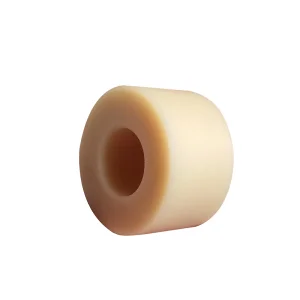
When a finished part requires an internal bore (such as a bushing, flange sleeve, or guide collar), starting with a solid rod requires deep core drilling. This consumes significant machine run time, wears out carbide insert tooling, and turns up to 65% of the purchased polymer into scrap chips. Procuring custom-dimensioned hollow tubing provides near-net geometry. Your CNC centers can proceed immediately to semi-finish boring and OD turning passes, cutting spindle cycle times by up to 60%, reducing tool wear, and trimming net freight shipping weight.
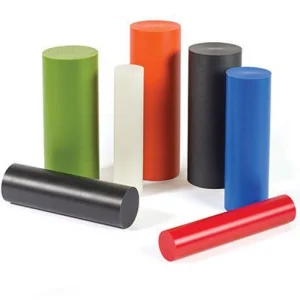
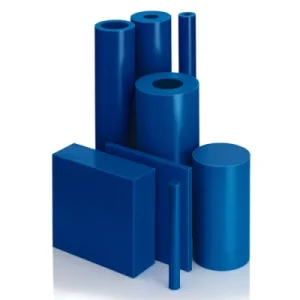
Yes. In addition to standard metric and imperial tooling stock (OD 30 mm to 800 mm), our modular horizontal casting and continuous extrusion tooling allow us to manufacture custom OD/ID configurations on short lead times. We can compound polymer blends with solid lubricants like MoS₂ (black/grey), oil-impregnated blends (green), food-compliant virgin natural (ivory/white), and high-visibility safety blue, as well as fiber-reinforced or antistatic additives.
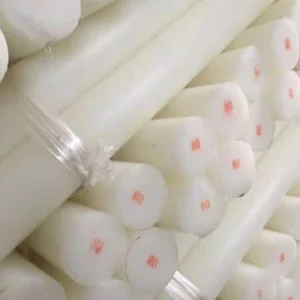
Polymers—particularly polyamides—are hygroscopic and can absorb airborne moisture during multi-week ocean transit across equatorial routes, which can cause slight dimensional swelling. To safeguard stock integrity, our export shipments are hermetically heat-sealed in thick polyethylene barrier film with desiccant packets, capped on tube ends with protective plastic guards to prevent edge chipping, and packed inside fumigated IPPC-stamped solid plywood crates or heavy-gauge steel strapped pallets.
Every production lot ships with complete traceability documentation, including: (1) Raw Material Mill Test Certificates specifying resin grade, melt flow index (MFI), and density; (2) In-house Inspection Test Reports (ITR) detailing OD/ID dimensional verification, roundness, and concentricity; (3) Non-Destructive Ultrasonic Void Test sign-offs; and (4) RoHS and REACH compliance statements. Third-party inspections via SGS, TÜV, or Bureau Veritas can also be coordinated prior to factory departure.
Complete your bill-of-materials sourcing with high-rigidity POM rods, customized PA66 cast boards, ultra-durable UHMWPE wear pads, and structural polyolefin profiles manufactured directly by SHUNDA.