
Priority Extruded & Molded Polymer Profiles
Explore initial product lines sourced straight from our factory floor. Dimensional consistency, zero-porosity guarantees, and optimized bulk discounts.
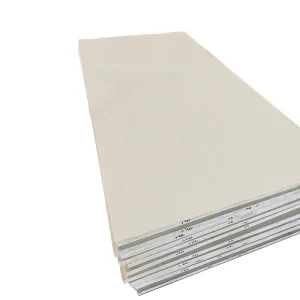
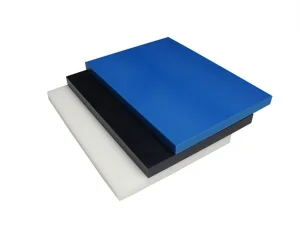
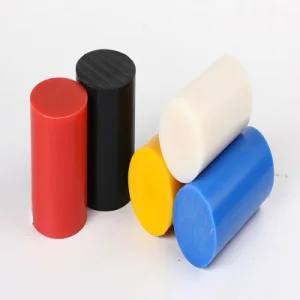
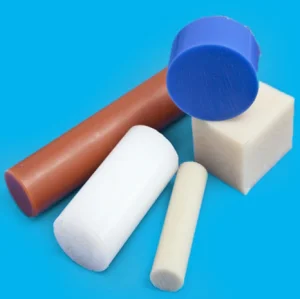
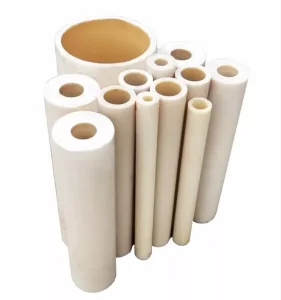

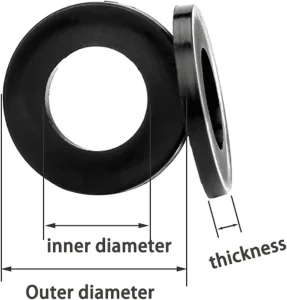
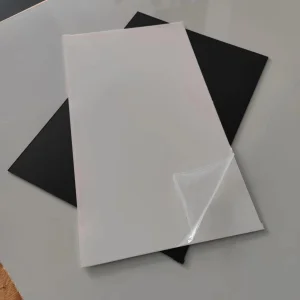
Global Market Trajectory of Polytetrafluoroethylene (PTFE) Rods
Strategic overview of structural polymer market transitions, cost drivers, environmental compliance (PFAS frameworks), and bulk purchasing trends worldwide.
Supply Chain Realignment
Global procurement teams are shifting away from traditional single-tier Western distribution distributors that impose massive markups. By integrating directly with tier-1 Asian polymer compounders and extrusion mills, procurement officers achieve 25% to 45% lower landed costs without sacrificing ISO 9001 quality standards or dimensional tolerances.
PFAS Regulatory Readiness
As EU REACH and US EPA regulations review fluoropolymer regulations, the demand for certified, fully traceable, high-molecular-weight virgin PTFE resins (non-degraded, RoHS and FDA 21 CFR 177.1550 compliant) has surged. Discount Teflon rod buyers now demand certified raw granular stock rather than reprocessed regrind.
Composite PTFE Formulations
While unfilled virgin PTFE rods remain standard for electrical insulation and sanitary seals, modern mechanical processing favors modified composites. Carbon-filled, glass-fiber reinforced, bronze-infused, and MoS2-lubricated PTFE billets deliver enhanced creep resistance and high compressive load tolerance in extreme downhole and hydraulic environments.
China Factory 4.0: Efficiency, Resilience, and Precision Extrusion
How state-of-the-art polymer engineering operations in Hebei and beyond provide an unmatched price-to-performance matrix for international OEMs.
Automated RAM Extrusion
Automated continuous ram extrusion lines guarantee uniform density across the full length of the PTFE rod. By eliminating human loading variances during cold compression, density is stabilized at 2.15–2.20 g/cm³, preventing internal voids that can cause catastrophic failure during 5-axis CNC machining.
Controlled Thermal Sintering
Microprocessor-controlled sintering cycles run between 360°C and 380°C with gradual ramping and cooldown protocols. This precise thermal treatment relieves internal crystal shear stresses, minimizing rod warping, bowing, or post-machining shrinkage for precision semiconductor and medical component fabricators.
Aggregated Bulk Raw Material Synergy
Direct supply partnerships with primary fluorine chemical synthesis bases yield distinct resin cost advantages. We pass these bulk volume economics on to international engineering distributors, maintaining strict dimensional tolerances (ISO h9, h10) at scale without premium pricing penalties.
Comparative Analysis: PTFE vs. Engineering Polymers
A comprehensive technical reference to assist design and component engineers in identifying the right structural material for high-stress industrial applications.
| Property Parameter | Virgin PTFE Rod | POM (Acetal / Delrin) | MC Cast Nylon (PA6) | UHMWPE Bar | PEEK (Polyetheretherketone) |
|---|---|---|---|---|---|
| Operating Temp Range | -200°C to +260°C | -50°C to +105°C | -40°C to +110°C | -150°C to +80°C | -60°C to +250°C |
| Tensile Strength (MPa) | 20 – 35 | 65 – 75 | 75 – 85 | 20 – 40 | 95 – 105 |
| Dielectric Strength (kV/mm) | 50 – 80 (Superior) | 20 | 15 – 20 | 50 | 20 |
| Moisture Absorption (%) | < 0.01% (Zero) | 0.2% | 1.5% – 3.0% (High) | < 0.01% | 0.1% |
| Chemical Resistance | Universal (pH 0–14) | Moderate (Attacked by Acids) | Hydrocarbons Only | High Aqueous Resistance | Exceptional (Harsh Chemical) |
| Coefficient of Friction | 0.04 (Self-Lubricating) | 0.20 – 0.25 | 0.25 – 0.35 | 0.12 | 0.30 |
Global Industrial Implementations
Real-world integration sectors where our extruded PTFE rods, tubes, and CNC-turned components provide critical, long-term reliability.
Semiconductor & Wet Bench Processing
Because virgin PTFE is pure fluorocarbon without plasticizers, fillers, or metal stabilizers, it exhibits zero ion leaching. Rod stock is turned into fluid manifolds, ultra-pure chemical distribution fittings, wafer baskets, and DI water valve cores for high-purity microelectronics fabrication.
Petrochemical & Cryogenic Fluid Seals
In LNG transportation, offshore oil drilling, and chemical pipelines, temperatures swing from -196°C to +200°C. Virgin and glass-filled PTFE rods provide the stock required for ball valve seats, chevron V-packings, stem seals, and flanged gaskets that withstand concentrated acids, alkalis, and solvents.
Food, Beverage & Sanitary Valves
PTFE's FDA-compliant surface resists bacterial growth and withstands aggressive CIP (Clean-in-Place) and SIP (Steam-in-Place) sanitation cycles. It is widely used to machine rotary food filler bushings, volumetric dispensing pistons, and sanitary mixer shaft bearings without lubricants.
Engineered Stock Profiles & Machined Components
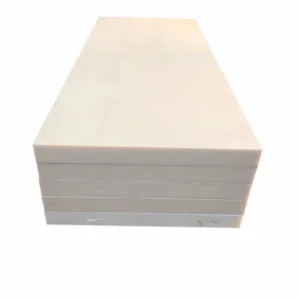
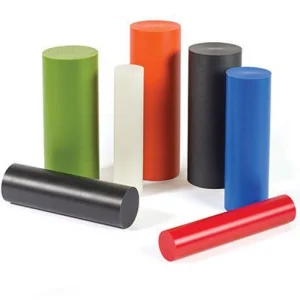
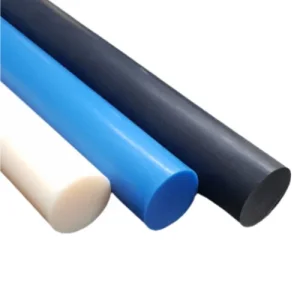
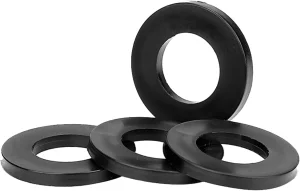
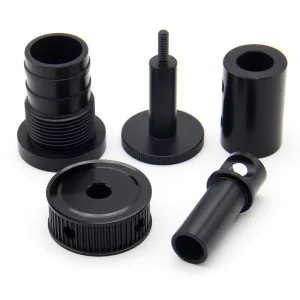
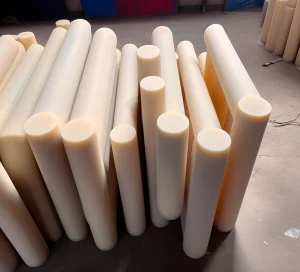
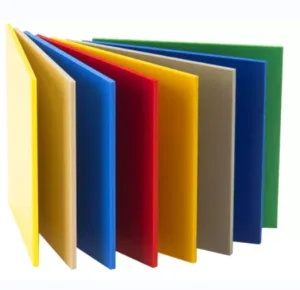
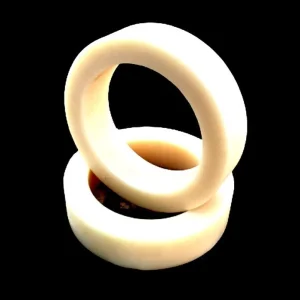
Complete your supply plan with bulk engineering polymers, custom turned billets, and durable industrial stock from Shunda.
Frequently Asked Questions on Sourcing Teflon Rods
Real-world technical answers on tolerances, machining strategies, thermal stress, and import documentation.