Primary Industrial Piping & Polymeric Components
Engineered for high-abrasion slurry transport, chemical containment, hydraulic buffering, and extreme wear applications across modern industrial plants.

Global Evolution of Rubber Pipe & Polymer Fluid Infrastructure
Comprehensive engineering insights into modern fluid displacement, thermodynamic elastomeric composites, and procurement rationales shaping multinational supply chains.
Procurement Economics & TCO
Global original equipment manufacturers (OEMs) and EPC contractors are abandoning transactional purchasing. Procurement strategies are now grounded in Total Cost of Ownership (TCO) calculations. High-grade discount rubber pipes and elastomeric conduits are evaluated based on MTBF (Mean Time Between Failures), slurry friction coefficients, anti-cavitation attributes, and ease of automated crimp couplings.
Polymer Hybridization Shift
Traditional single-elastomer rubber pipes are rapidly being supplanted by multi-layer vulcanized conduits featuring inner co-extrusions of UHMWPE, PTFE, or cross-linked POM linings. These hybrid composites resist ultra-harsh chemicals, aromatic hydrocarbons, and dynamic slurry abrasions while preserving the elastic shock-absorbing dampening properties characteristic of EPDM, NBR, and natural rubbers.
Regulatory & Green Mandates
Zero-emission transport systems and stringent environmental regulations (such as REACH, RoHS, and EPA clean water initiatives) necessitate non-leaching plasticizers and odorless compounds. As companies pursue decarbonization targets, lightweight, thermally insulated polymer tubes directly reduce auxiliary pump horsepower demands and systemic energy footprints.
China Factory 4.0: Automated Precision & Elastic Supply Resilience
Decoupling cost from quality: How intelligent continuous compounding, automated crosshead extrusion, and localized industrial clusters empower global enterprises with unbeatable bulk pricing.
Automated Compounding
Closed-loop micro-ingredient dosing eliminates human weighing variables, ensuring continuous Shore hardness stability, optimal carbon black dispersion, and uniform tensile strength across multi-ton runs.
Supply Chain Cluster
Proximity to first-tier monomer refineries, cord reinforcement textile mills, and mold-casting foundries in Hebei allows rapid custom tooling turnarounds and near-zero raw material logistics markups.
Real-Time Ultrasonic NDT
In-line multi-axis laser wall thickness gauges and ultrasonic non-destructive testing (NDT) continuously scan every meter of extruded pipe to identify concentricity anomalies or micro-voids in real time.
Agile Export Packaging
Direct ocean-container skid loading with vapor-phase corrosion inhibitors (VCI), UV-stabilized stretch wrapping, and precision pallet geometry to prevent ovalization and transit-induced stress cracking.
Polymeric Tube & Rubber Conduits Engineering Matrix
A comprehensive mechanical, thermal, and chemical parameter index for enterprise piping design and OEM specification.
| Polymer Formulation | Tensile Strength (MPa) | Working Temp (°C) | Abrasion Resistance Index | Primary Industrial Utility | Recommended Coupling / Interface |
|---|---|---|---|---|---|
| Reinforced EPDM Rubber Pipe | 12 – 18 | -40 to +150 | Good (Medium Slurry) | Hot cooling loops, acidic wastewater, high ozone outdoor lines | Swaged King Nipples / Camlocks |
| UHMWPE Lined Dynamic Hose | 35 – 45 | -100 to +85 | Ultra-High (>6x Carbon Steel) | Mining tailings, pneumatic dredging, abrasive cement discharge | Built-in Vulcanized Rubber Flanges |
| Cast PA6 / MC Nylon Tube | 75 – 90 | -40 to +115 | High (Exceptional Sliding Wear) | Hydraulic sleeves, structural conduit, high-load bushings | Machined Thread / Retaining Grooves |
| Polyoxymethylene (POM-C) Tube | 65 – 72 | -50 to +105 | High (Low Friction / Low Creep) | Precision fuel manifolds, pneumatic valve tubes, chemical metering | Ferrule Compression Fittings |
| Extruded PTFE Fluid Liner | 20 – 32 | -200 to +260 | Moderate (Lowest Coeff. Friction) | Aggressive acids (Aqua Regia), steam bypass, pharmaceutical transport | Flared PTFE / 316SS Sanitary Clamps |
Real-World Deployment: Mission-Critical Environments
Demonstrated performance in severe mining installations, petrochemical refineries, automated manufacturing cells, and bulk marine terminals.
Dredging & Slurry Transport
In Australian open-pit mining operations, high-solid gold and iron ore slurries degrade carbon steel within months. By migrating to heavy-wall, internally smooth UHMWPE-lined rubber pipelines, downtime caused by pipe rotation was reduced by 64%, while vibration dampening absorbed heavy dynamic pump surges.
Automotive Production Robotics
Robotic spot-welding and high-flex automated assembly lines demand anti-torsion, spatter-resistant polymer lines. Our custom-formulated PA6/PUR multi-core tubes maintain cross-sectional circularity over tens of millions of continuous bending cycles without kinking or micro-fissuring.
Chemical & Electroplating Baths
Industrial pickling plants dealing with hydrochloric and sulfuric acid vapors rely on extruded PP and PTFE hollow structures. These inert tubular constructs eradicate the external oxidation, scale buildup, and cathodic degradation typical of traditional metal alloy conduits.
Enterprise Technical Clarifications & Commercial FAQ
Expert answers addressing dimensional tolerances, material selection, custom vulcanization, and international compliance verification.
What core distinctions exist between conventional industrial rubber pipes and engineering polymer tubes?
How does your factory manage dimensional tolerances and ovalization during long-distance oceanic freight?
Can you supply customized rubber pipes with integrated, vulcanized steel flanges?
What testing and material certificates accompany large-volume export shipments?
High-Performance Polymer Stock & Machined Piping Assemblies
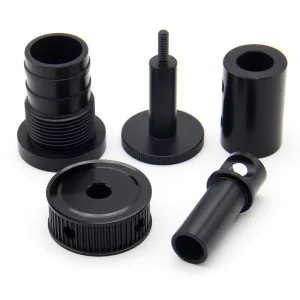
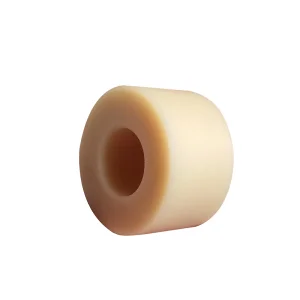
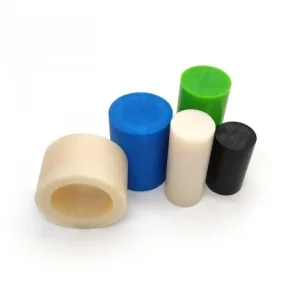
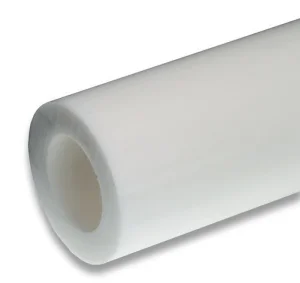
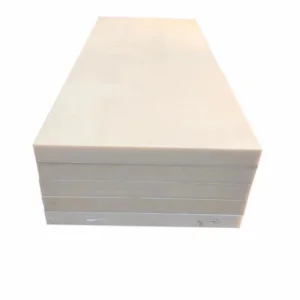
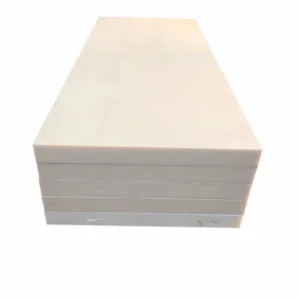
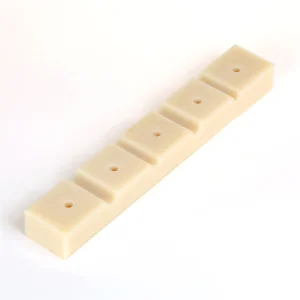
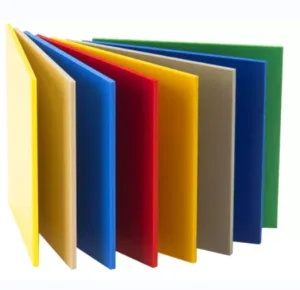
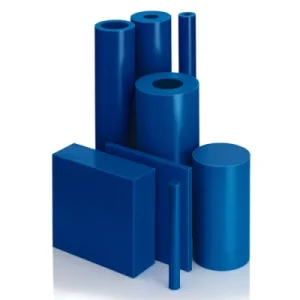
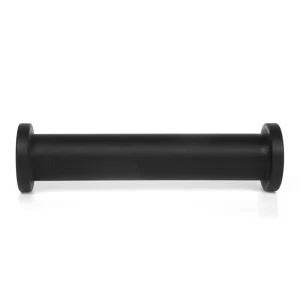
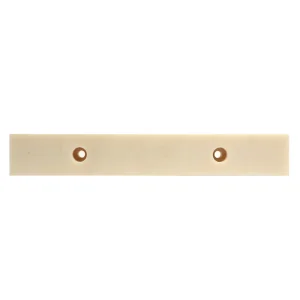
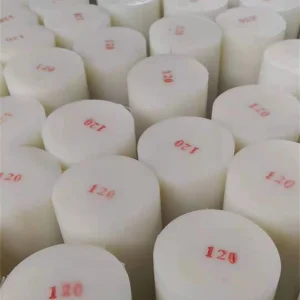
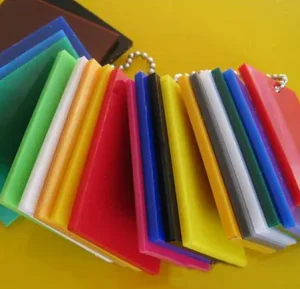
Discover our precision CNC machined parts, extruded solid bars, hollow shafts, and specialized high-density polymer sheets ready for immediate global logistics dispatch.