
Top Engineering Plastic & Elastomeric Pad Series
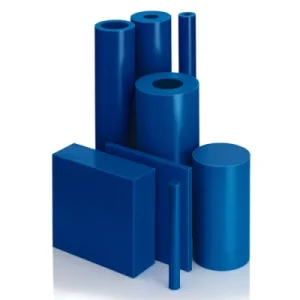
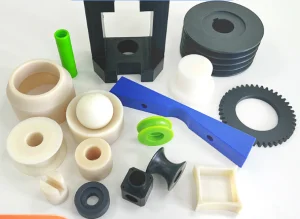
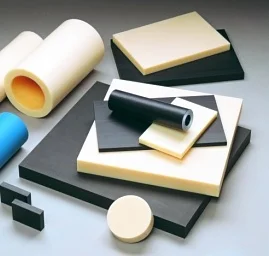
Review our high-demand vibration control slabs, cast MC nylon plates, crane stabilizer outrigger footplates, and high-impact cushions manufactured under tight dimensional tolerances.
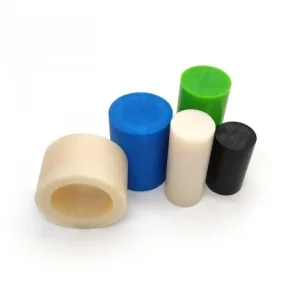
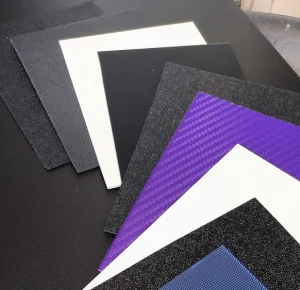
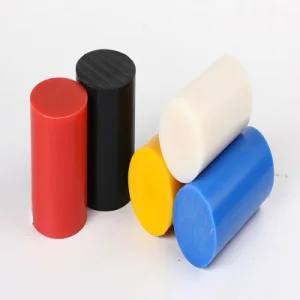
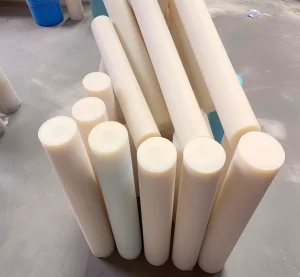
The Mechanics of Modern Elastomeric & Polymer Damping Pads
In modern heavy mechanical engineering, civil infrastructure, and heavy transport, solid elastomeric pads and polymer-matrix isolation blocks represent critical load-bearing interfaces. When enterprise buyers query "discount rubber pad manufacturer & factories", their search intent transcends superficial unit pricing: industrial procurement teams demand high-tensile endurance, precise Shore durometer calibration, predictable compression deflection characteristics, and direct factory-level supply chain transparency.
B2B Economy of Scale
Direct factory purchasing eliminates secondary distributor markups (often exceeding 28-42%). Factory discounts are driven by automated compounding, batch vulcanization, and in-line trimming, yielding superior cost structures without compromising polymer integrity.
Vibration Attenuation
Rubber and cast elastomer pads convert kinetic harmonic disturbance into low-grade thermal dissipation. Tuned hysteresis loss protects sensitive manufacturing machinery, high-speed rail tracks, and structural foundations against continuous acoustic excitation.
Engineered Hybrid Matrix
Modern applications increasingly integrate elastomeric bases with ultra-high molecular weight polyethylene (UHMWPE) or cast MC nylon facing boards, combining severe shock absorption with self-lubricating sliding wear capabilities.
Global Sourcing Dynamics & Industrial Demand Vectors
Across North America, the European Union, Southeast Asia, and the Middle East, structural engineers and fleet managers are revising equipment maintenance standards. The transition toward high-durability synthetic elastomers and high-load thermoplastic composites has sparked intense global demand.
1. Infrastructure Rehabilitation & Seismic Buffers
Aging global infrastructure has precipitated large-scale bridge, viaduct, and highway bearing refurbishment programs. Neoprene and natural rubber laminated pads with internal steel shims must sustain longitudinal shear strains exceeding 100% while resisting atmospheric ozone degradation. Infrastructure contracts demand batch traceability with certified test reports to ASTM D4014 and EN 1337-3 specifications.
2. Mobile Crane & Outrigger Safety Protocols
The global crane rental and heavy lifting market has transitioned away from perishable timber cribbing toward engineered polymer-elastomer composite outrigger pads. Modern safety protocols (OSHA 1926.1402) stipulate non-compressible, load-spreading footplates that mitigate ground bearing pressure failure over saturated, soft, or uneven soils, preventing catastrophic tip-overs.
3. Industrial Automation & CNC Floor Decoupling
Precision stamping presses, laser cutting centers, and 5-axis CNC machining centers transmit destructive reciprocating forces into structural floors. Enterprise machine tool OEMs install custom waffle-pattern and ribbed elastomeric leveling pads that mitigate vibration cross-talk between high-speed machinery, preserving optical alignment tolerances and spindle bearings.
4. Deep Foundation & Piling Impact Attenuation
Hydraulic piling hammers impart massive dynamic kinetic blows to precast concrete and steel piles. Without sacrificial high-elasticity cushion pads, pile tops suffer premature spalling and shatter. Specially formulated MC cast nylon and high-density polyurethane impact cushion blocks withstand cyclic multi-megapascal shock loadings without embrittlement.
China Factory 4.0: Supply Chain Resilience & Volume Economics
When B2B purchasers search for a "discount rubber pad manufacturer", pricing advantages in high-end Chinese manufacturing do not stem from cheap raw material compromises. Rather, they are generated by automated vertical integration, closed-loop monomer-to-polymer synthesis, and high-efficiency Factory 4.0 manufacturing ecosystems.
Zero-Intermediary Supply Chain Model
By controlling monomer compounding, casting, curing, vulcanization, and high-speed multi-axis CNC profiling in-house at our Hebei production hub, our factory removes five layers of trading intermediaries. This direct pipeline passes 25% to 40% gross margins directly back to global equipment OEMs, international distributors, and large-scale industrial contractors.
Automated Compression Molding
Multi-daylight hydraulic vulcanizing presses equipped with computerized thermal PID loops guarantee uniform cross-linking density throughout pads up to 150mm thick, preventing soft centers or under-cured voids.
Raw Material Traceability
Virgin polyamides, premium natural rubber latex, chloroprene monomers, and ultra-high-weight ethylene polymers undergo rheometer and durometer validation prior to production, backed by full EN 10204 3.1 material test certificates.
Expedited Global Logistics
Direct access to Tianjin Port and major international air corridors facilitates sea-freight container packing with vapor-barrier wrapping and shock-proof wooden palletization, ensuring zero moisture degradation during transit.
Elastomeric & Polymer Pad Material Selection Matrix
Selecting the appropriate pad compound requires balancing dynamic shear modulus, shore hardness, chemical resistance, and continuous operating thermal ceilings. Review our comprehensive material engineering reference below:
| Material Classification | Shore Hardness | Tensile Strength (MPa) | Compression Set (22h @ 70°C) | Key Strengths & Primary Suitability | Limiting Operating Conditions |
|---|---|---|---|---|---|
| Natural Rubber (NR) | 50 - 75 Shore A | 15 - 25 MPa | ≤ 22% | Exceptional dynamic resilience, superior tear propagation resistance, highest kinetic damping | Vulnerable to petroleum hydrocarbons, ozone, and prolonged direct UV exposure |
| Neoprene / CR (Chloroprene) | 55 - 80 Shore A | 12 - 18 MPa | ≤ 25% | Balanced oil, atmospheric weathering, and ozone resistance; standard for bridge bearing pads | Moderate dynamic hysteresis; elevated cost compared to plain natural rubber |
| Nitrile Rubber (NBR) | 60 - 85 Shore A | 10 - 16 MPa | ≤ 20% | Superior fuel, hydraulic oil, and mineral grease tolerance; industrial machinery base mounting | Poor resistance to polar solvents (ketones, esters) and ozone weathering |
| Cast Polyurethane (PU / CPU) | 70 Shore A - 65 Shore D | 25 - 45 MPa | ≤ 18% | Extreme cut, gouge, and abrasion endurance; high load-bearing hydraulic bump stops | Susceptible to hot water hydrolysis above 60°C and strong organic acids |
| Cast MC Nylon (PA6 Polyamide) | 80 - 88 Shore D | 75 - 90 MPa | ≤ 5% (Yield) | Extremely high compressive yield strength; self-lubricating, ideal for crane slider pads | Moisture absorption in 100% relative humidity can cause slight dimensional swelling |
| UHMWPE Stabilizer Matrix | 64 - 68 Shore D | 22 - 35 MPa | ≤ 6% (Permanent) | Virtually zero moisture absorption; chemical imperviousness; indestructible outrigger footplates | Low continuous operating temperature threshold (≤ 80°C) |
Engineering Insight: Durometer Drift & Compression Set
Discount pads sourced from unverified brokers often suffer from high compression set (>45%), causing irreversible creep and loss of isolation performance within 6 months. Our automated curing processes strictly maintain compression set below 22% (ASTM D395 Method B), ensuring decade-long operational stability under static preloads.
Industrial & Heavy Field Application Scenarios
Explore how enterprise clients worldwide deploy our high-performance elastomeric and polymeric dampening plates across demanding operational environments.
Construction & Piling Operations
Installed directly inside hydraulic impact hammer caps to absorb shock rebounds and protect drive heads during pile driving into bedrock. Custom-machined PA6 and elastomeric round cushions prolong hammer valve life by 35%.
Marine & Port Berthing Fenders
Heavy rubber cone and arch fender pads faced with low-friction UHMWPE backing boards. Absorbs kinetic berthing momentum of ultra-large container vessels while protecting dock walls from concrete shearing.
Mobile Cranes & Aerial Lifts
Engineered outrigger pads featuring integrated rope handles, non-slip textured surfaces, and load-spreading cores. Tested under extreme desert heat (+55°C) and sub-zero Arctic conditions (-40°C) without brittle fracture.
Mining Conveyor Transfer Points
Impact cradle beds utilizing elastomeric damping blocks with vulcanized UHMWPE tops. Absorbs multi-ton drop shocks of jagged iron ore and aggregate, extending conveyor belt carcass lifespan by more than double.
HVAC Chillers & Roof Acoustic Mounts
Cross-ribbed neoprene anti-vibration isolation pads deployed beneath rooftop cooling towers, industrial compressors, and blowers to eliminate structure-borne acoustic vibration throughout commercial high-rise buildings.
High-Speed Railway Ballast Mats
High-elasticity microcellular polyurethane and rubber sub-ballast damping mats installed beneath rail tracks. Dampens wheel-rail contact impacts, stabilizes track geometry, and suppresses secondary low-frequency ground rumble.
Frequently Asked Questions for Sourcing Directors
Clear, direct answers regarding customized compound development, tiered discount mechanisms, quality documentation, and international shipping logistics.
How do volume discounts work on custom-sized rubber & plastic pads?
Our discount structure is indexed directly to production batch volume and compound weight. Tier 1 discounts apply at pallet-scale orders (1,000kg+), while full-container load (FCL) orders trigger Tier 3 rebates where tool amortization is fully absorbed by the factory, lowering unit prices by up to 35% compared to small LCL runs.
Can you vulcanize or bond steel reinforcement plates inside the pads?
Yes. We specialize in elastomeric laminated bearing pads incorporating internal ASTM A36 or stainless-steel shims. Chemical degreasing, sandblasting, and automated Chemlok adhesive application ensure bond strength exceeding rubber tear strength during peel testing.
What testing data is provided with every manufacturing shipment?
Every delivery includes a certified EN 10204 3.1 inspection certificate documenting Shore hardness (ASTM D2240), tensile strength, elongation at break (ASTM D412), compression set (ASTM D395 Method B), and dimensional verification reports via coordinate measuring systems.
How do I choose between Cast MC Nylon and UHMWPE for outrigger pads?
Choose Cast MC Nylon when you require elevated mechanical stiffness, higher compressive yield thresholds, and minimal footprint bending under extreme concentrated loads. Choose UHMWPE if operating in wet, muddy, or corrosive environments where absolute non-absorption and zero brittle failure are primary prerequisites.
What is the typical production lead time for customized mold runs?
Standard stock slabs and rods ship within 3–5 working days. For custom compression molds, tooling fabrication and initial sample approval require 12–15 calendar days, followed by mass volume production cycles of 15–20 days for 20ft container quantities.
Can you produce flame-retardant or anti-static (ESD) grades?
Yes. We incorporate conductive carbon black additives or non-halogenated flame retardants to achieve surface resistivity between 10^4 and 10^9 ohms/sq (ESD safe) and meet UL94 V-0 and EN 45545-2 railway fire protection ratings on demand.
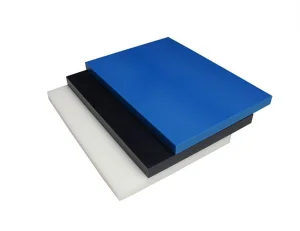
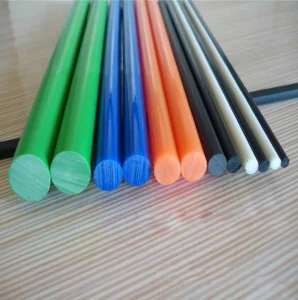
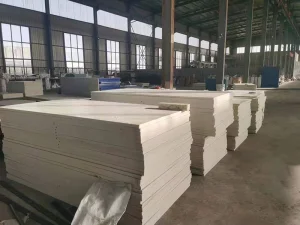
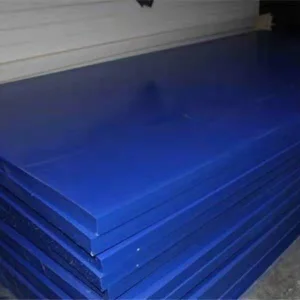
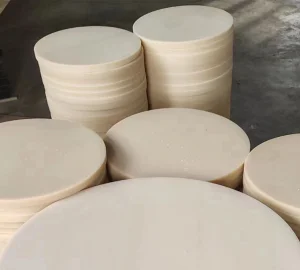
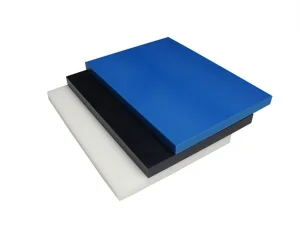
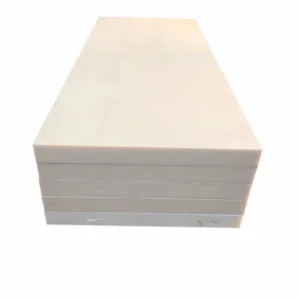
Precision Polymer Stock, Bushing & Impact Cushion Products
Explore our full line of engineered semi-finished profiles, impact hammer cushions, HDPE/UHMWPE lining plates, and wear bars ready for worldwide export packing.
Fast-Track Engineering Quote & Specification Review
Submit 2D/3D CAD drawings (.DWG, .DXF, .STEP, .PDF) or application requirements. Our polymer engineering team reviews compound suitability, durometer requirements, and batch discount rates within 12 hours.