Factory-Direct Discount PU Wheel & Engineering Polymers Catalog
Engineered for extreme dynamic loads, high abrasion resistance, and chemical resilience. Explore our prime certified materials formulated for heavy machinery, automated systems, and high-wear operational environments.
Why Global Tier-1 Enterprises Source PU Wheels Direct from China
A comprehensive strategic analysis by SHUNDA polymer material researchers on cost optimization, raw chemical supply security, and precision casting thermodynamics.
Upstream Chemical Prepolymer Integration
China commands over 45% of the worldwide polyol and diisocyanate synthesis infrastructure. Our strategic positioning enables bulk procurement of premium MDI (Methylene diphenyl diisocyanate), TODI, and Vulkollan-equivalent NDI chemistries with direct traceability. This vertical synergy removes multi-tier trading margins, providing buyers with high-spec discount polyurethane castors and wheels at true factory cost.
Automated Continuous Casting & Curing
Polyurethane dynamic reliability rests on bubble elimination and uniform stoichiometry. Our factory operates 6-axis automated vacuum degassing dispersion machines coupled with constant-temperature rotary casting lines. We control prepolymer-to-chain-extender mixing down to ±0.1% variances, ensuring zero internal micro-voids, uniform Shore 60A–75D hardness across large production runs, and zero delamination risk.
Chemical Bonding Metallurgy with Core Hubs
Wheel de-treading represents the costliest downtime hazard in material handling. We utilize an industrial 5-step wheel core pretreatment system: automated robotic grit blasting, degreasing, twin-coat silane coupling agents, and heated primer activation before casting onto ductile iron, forged steel, or aluminum cores. Our interface tensile peel strength exceeds 14 N/mm, surpassing DIN EN 12532 standards.
Technological Frontiers: The Evolution of Industrial PU Wheels
From smart autonomous mobile robots (AMRs) to deep cold-storage warehousing, modern logistics demands distinct elastomeric formulations. Here is how advanced compound engineering solves the thermal and dynamic hysteresis challenges of tomorrow.
Low-Hysteresis High-Speed Compounds
Traditional polyurethane under high continuous velocity suffers from severe internal heat buildup (>90°C), resulting in thermal blowouts. By tailoring long-chain polyols and nano-silica dispersion, our R&D has engineered ultra-low rolling resistance formulations (tan δ < 0.045 at 60°C). This ensures high runtime batteries for AGVs and prevents thermal melt-down on automated sorters operating 24/7.
ESD & Antistatic Safety Formulations
In sensitive electronics manufacturing, micro-chip transport, and explosion-proof chemical facilities, static discharge is catastrophic. SHUNDA synthesizes permanently conductive polyurethane compounds with conductive carbon nanotubes (CNTs), achieving stable volume resistivity between 10^4 and 10^7 Ω without compromising dynamic tensile strength, tensile elongation, or leaving black marking streaks on cleanroom epoxy floors.
Cryogenic & Hydrolysis Resilience
Standard ester-based urethanes degrade rapidly in warm, damp food preparation facilities or become brittle and shatter in -35°C blast-freezers. Our polyether and special polycarbonate polyurethanes provide extreme hydrolytic stability against steam cleaning detergents and retain elasticity down to -40°C, offering extended operational life in maritime docks, cold chains, and chemical plants.
| Elastomer Formula | Hardness Range | Dynamic Dynamic Tan δ (Hysteresis) | Working Temp (°C) | Key Strengths & Primary Application Field |
|---|---|---|---|---|
| PPDI / High-Grade Cast PU | 85A - 95A | 0.035 - 0.045 Ultra-Low | -30°C to +110°C | Highest dynamic mechanical limits; perfect for AGV drive wheels, monorails, roller coasters. |
| NDI (Vulkollan Equivalent) | 90A - 95A | 0.040 - 0.050 Optimal | -25°C to +90°C | Unrivaled tear propagation resistance and cut resistance; ideal for heavy forklift steer wheels. |
| Standard TDI / Polyether PU | 70A - 95A | 0.075 - 0.095 Economy | -20°C to +70°C | Cost-effective hydrolysis-proof compound; widely utilized for marine boat rollers and general factory castors. |
| Cast MC Polyamide / Nylon | 115R - 120R | N/A (Rigid Matrix) | -40°C to +105°C | Zero flat-spotting under stationary high tons, non-elastic; for heavy crane outriggers and steel-track rollers. |
Solving Mission-Critical Challenges in Global Industrial Ecosystems
Procurement teams from North America, Europe, Southeast Asia, and South America source our specialized PU wheels and engineering shapes to eliminate application bottlenecks.
Intralogistics & AGV/AMRs
Automated storage and retrieval systems (ASRS) demand drive tires that eliminate directional slippage while keeping precision positioning encoders accurate. Our high-friction, non-marking polyurethane formulas guarantee stable traction on smooth concrete floors under heavy accelerations.
Heavy Mining & Port Material Handling
Continuous contact with abrasive gravel, sea salt spray, and extreme impact loads easily disintegrates ordinary rubber tires. Our high-tensile cast PU wheels and combined MC Nylon bushings withstand heavy debris without slicing, significantly decreasing maintenance cycles in dockyards.
Cold Chain Food & Pharma Processing
Strict hygiene and cold temperature cycles require corrosion-resistant, wash-down proof mobility parts. We supply polyurethane bonded directly to 304/316 grade stainless steel cores, resisting caustic cleaning solutions and avoiding bacterial harborage points.
Automotive Assembly Lines
Heavy overhead conveyor carriers transport multi-ton chassis without vibration. Our high-rebound polyurethane roller wheels minimize decibel levels across plant zones, meeting rigorous OSHA noise regulations while preserving factory flooring integrity.
Frequently Asked Questions: Global Sourcing & Technical Specifications
Clear answers to help procurement managers, mechanical engineers, and import specialists optimize cost and quality parameters.
How does China factory direct pricing reduce total procurement cost for polyurethane wheels?
By bypassing western regional distributors, industrial buyers cut middleman markups by 30% to 50%. Furthermore, because our Hebei factory manufactures both the polymer castings and operates full in-house CNC turning centers for core hubs (iron, steel, aluminum), you avoid multiple sub-contractor fees, obtain consolidated pallet shipping, and maintain unified quality certification.
What is the standard procedure to prevent polyurethane tire delamination under heavy dynamic duty?
Delamination occurs when metal cores are contaminated or inadequately chemically primed. At SHUNDA, all hubs receive shot-blasting to Sa 2.5 surface roughness, followed by dual-pass ultrasonic washing, automated robotic silane bonding agent spraying, and preheating in temperature-regulated curing ovens. We execute destructive hydraulic push-off and 90-degree peel tests per production lot.
Can you manufacture custom PU wheels and engineered plastic components directly from drawings?
Yes. We regularly accept 2D PDF/DWG files and 3D STEP/IGES models. Our engineering department handles mold cavity fabrication, core turning, polyurethane casting chemistry selection, and final tight-tolerance CNC truing (concentricity under ±0.03mm) tailored to your exact payload and rotational speed constraints.
How do PU wheels perform in comparison to MC Cast Nylon wheels in load-bearing applications?
MC Cast Nylon has higher compressive modulus and zero rolling resistance under extreme, static heavy tons; however, it transmits floor shocks and lacks grip. Polyurethane provides substantial elasticity, floor protection, high grip, and shock dampening. For mobile equipment needing traction and cushioning, choose PU; for pure static outrigger supports or sliding pads, choose Cast Nylon.
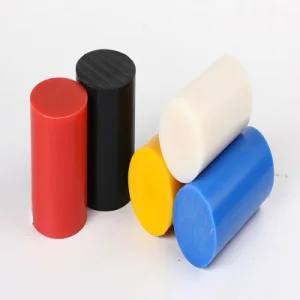
Precision Machined Plastic Stock, Stabilizers & Extruded Profiles
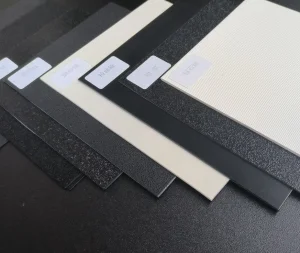
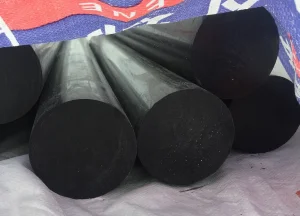
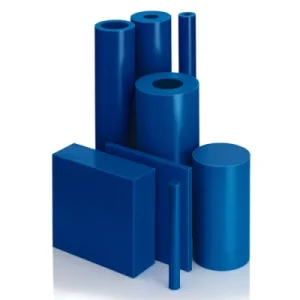
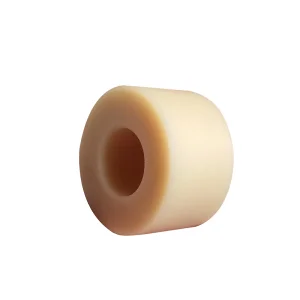
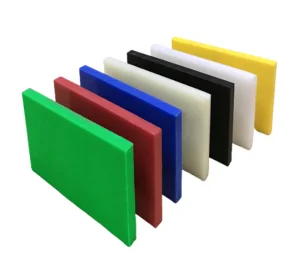
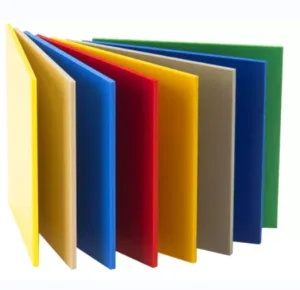
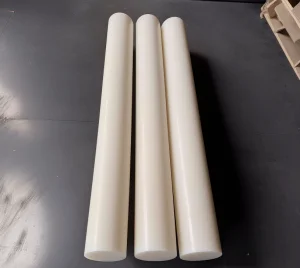
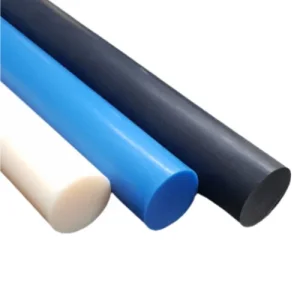
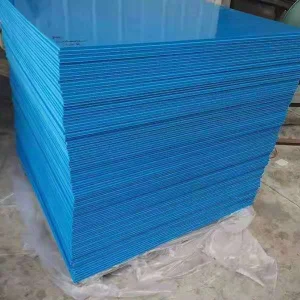
Pair your polyurethane wheels with matched polymer wear parts, structural pads, and precision-turned rods for single-supplier consolidation.