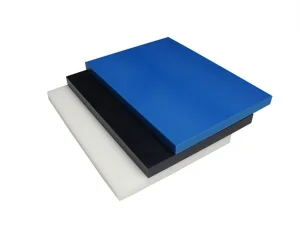
Factory Direct Inventory & Precision Components
Explore our export-certified semi-finished polymer plates, cast nylon heavy-duty bars, and CNC precision turned stock shapes directly fabricated at our advanced manufacturing lines.
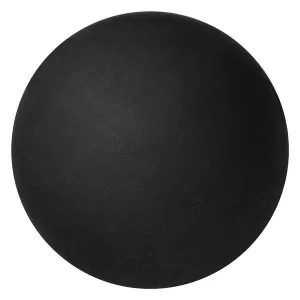
Wholesale Impact Black Color Nylon Cushion Use For Impact Hammer For Piling Machine
View Specifications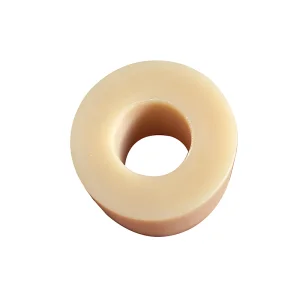
High-Quality China Engineering Plastic PA6 PA66 Polyamide Tube Rod & Bar
View Specifications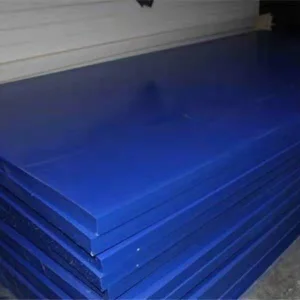
China Factory Direct Sales MC Nylon PA6 Sheet / Polyamide Nylon Sheet
View Specifications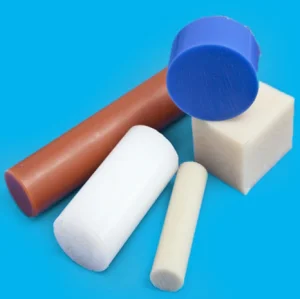
Engineering Plastic Polyamide PA6 PA66 Nylon Rod & Solid Bar
View Specifications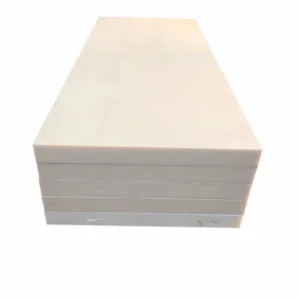
Buy Natural Virgin & Extruded MC Nylon Plates & Slabs
View Specifications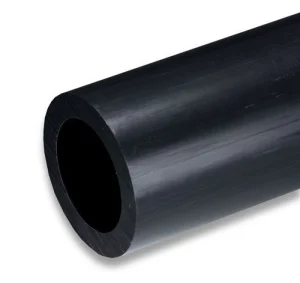
Discount POM Acetal Hollow Tube & Precision Bushing Pipes
View Specifications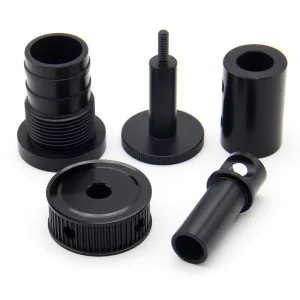
Discount Custom CNC Machining Components: PA66, PEEK, Delrin, POM Parts
View Specifications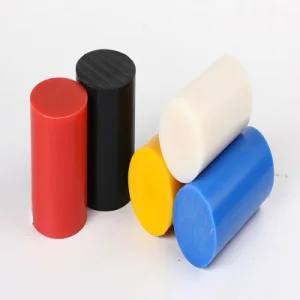
High Toughness China Cast Nylon Rod Stock & Semi-Finished Shapes
View SpecificationsEngineering Superiority: Polyamide 66 (PA66) Structural Matrix
Understanding the molecular crystallographic behavior, thermal boundaries, and load-bearing parameters of virgin PA66 plates in mission-critical industrial hardware.
Polyhexamethylene Adipamide Matrix
PA66 is synthesized by polycondensation of hexamethylenediamine and adipic acid. The repeating unit possesses symmetrical dual-amide linkages, allowing dense hydrogen-bonding across polymeric chains that significantly increases its crystalline melt transition point to 260°C (500°F), far superior to PA6 (220°C).
Equilibrium Moisture Kinetics
While polyamides exhibit moisture affinity due to polar amide groups, PA66 features a tighter intermolecular packing than PA6, resulting in lower saturation moisture equilibrium (approx. 8.0% in water immersion vs 9.5% for PA6). This structural density ensures vastly superior mechanical stiffness and dimensional reliability under dynamic operational stress.
Tribological & Creep Resistance
Under persistent heavy loads and high frictional velocities (PV threshold), PA66 sheets demonstrate minimal deformation. The dynamic coefficient of friction against hardened steel settles between 0.25 to 0.38 without supplemental lubrication, delivering self-lubricating longevity and preventing catastrophic galling in heavy-duty machinery.
Comparative Matrix: Semi-Finished Engineering Polymers
| Physical / Mechanical Property | Virgin PA66 Extruded Plate | Cast MC Nylon (PA6C) Sheet | POM-C (Acetal Copolymer) | UHMW-PE (1000 Grade) |
|---|---|---|---|---|
| Specific Gravity (g/cm³) | 1.14 - 1.15 | 1.15 - 1.16 | 1.41 - 1.42 | 0.93 - 0.95 |
| Tensile Yield Strength (MPa) | 88 - 92 | 78 - 85 | 65 - 70 | 22 - 25 |
| Modulus of Elasticity (GPa) | 3.2 - 3.4 | 3.0 - 3.2 | 2.8 - 3.0 | 0.7 - 0.8 |
| Heat Deflection Temp (0.45 MPa, °C) | 190 - 200 | 165 - 180 | 155 - 160 | 75 - 85 |
| Continuous Service Temp Range (°C) | -40 to +110 | -40 to +105 | -50 to +100 | -150 to +80 |
| Water Absorption @ Saturation (%) | 7.5 - 8.5 | 9.0 - 10.0 | 0.65 - 0.85 | < 0.01 |
Factory Operations: Precision Extrusion & Secondary Annealing
How our factory eliminates internal hydrostatic tension, micro-porosity, and warping through calibrated thermal stabilization cycles.
1. High-Torque Twin-Screw Degassing
Raw polyhexamethylene adipamide chips undergo deep dehumidifying drying (-40°C dew point) before entering twin-screw extruders with vacuum volatilization ports, eliminating entrapped air and volatile monomer fractions.
2. Heavy Calibrated Sizing Dies
Plates pass through oil-heated coat-hanger dies and multi-roll calendar units designed for high-tonnage thermal compression. Continuous thickness gauges maintain precise cross-directional slab tolerances down to ±0.2mm.
3. Multi-Stage Annealing Chambers
Internal stress is the primary cause of warping during CNC milling. Our slabs undergo 48 to 72 hours of liquid oil or forced-air annealing at 160°C to 180°C, relieving residual extrusion shears and maximizing crystalline symmetry.
4. Ultrasonic NDT Flaw Inspection
Every batch of thick PA66 slabs (30mm+) undergoes ultrasonic immersion non-destructive scanning. Internal voids, density fractures, or particulate occlusions are detected and culled prior to final surface planar milling.
China Supply Chain Economics: Why Factory-Direct Pricing Wins
Analyzing raw chemical feedstock integration, domestic adiponitrile breakthroughs, and vertical integration that allow our factory to provide unmatched price-to-performance value.
Domestic Upstream Adiponitrile Integration
Historically, global PA66 prices fluctuated sharply due to Western monopolies on butadiene-to-adiponitrile synthesis. Over the past decade, Chinese domestic petrochemical refiners successfully localized large-scale butadiene direct hydrocyanation. As a result, our raw resin input costs remain highly stable, allowing us to pass significant discounts directly to global importers without sacrificing virgin molecular weights.
Vertical Tooling & Cut-to-Size Modularization
Unlike regional distributors who charge hefty markups for cutting services, our Xingtai, Hebei facility integrates custom computerized sawing tables, four-axis CNC surface planers, and waterjet gantries. Whether you require standard 1000x2000mm sheets or thousands of bespoke wear strip blanks, processing occurs at the origin of manufacture, minimizing scrap transit fees and crating overhead.
Consolidated Multi-Polymer Export Logistics
Purchasing teams face escalating shipping logistics costs. By maintaining direct extrusion lines for PA6, PA66, POM, HDPE, UHMWPE, PTFE, and ABS under a unified export roof, we provide mixed-container loading (FCL / LCL). Overseas buyers consolidate procurement invoices, reduce customs clearance administration, and minimize harbor drayage overhead.
Enterprise Sourcing & CNC Milling Protocol for PA66 Plates
Guidelines for manufacturing engineers, toolmakers, and global buyers tasked with achieving tight dimensional tolerances on high-crystalline engineering plastics.
Tooling Geometries & Edge Relief
PA66 has lower thermal dissipation and higher elasticity than structural metals. Machinists must utilize razor-sharp carbide or polycrystalline diamond (PCD) cutters with high positive rake angles (15° to 25°) and generous relief angles (10° to 15°). Dull tools cause localized frictional heating, causing material smearing, gumming, and dimensional collapse.
Thermal Management & Coolant Selection
Because virgin polyamide expands with heat (linear thermal expansion: 80 x 10⁻⁶ K⁻¹), flood coolant using non-aromatic synthetic emulsions or high-velocity compressed cold air (vortex tubes) is vital during aggressive roughing operations. Avoid petroleum oils with aggressive aromatic additives that could cause chemical stress-cracking over time.
Pre- & Post-Machining Moisture Conditioning
Parts machined in dry-as-molded (DAM) states will naturally absorb ambient moisture until equilibrium is reached, growing up to 0.5% in linear dimension. For tight-tolerance bores (IT7 or tighter), parts should be conditioned in warm water (60°C to 80°C) to accelerate natural equilibrium prior to final finishing passes.
Localized Support & International Compliance Assurance
Ensuring complete regulatory clearance for EU, North American, and Asia-Pacific importers across hazardous substances, flammability, and food safety.
RoHS 3 & REACH SVHC Compliance
Every batch of our PA66 plates is verified through third-party laboratories (SGS / TÜV) ensuring complete absence of heavy metals (lead, cadmium, mercury, hexavalent chromium) and restricted phthalate plasticizers under EU Directive 2015/863.
UL94 Flammability Ratings
Natural virgin PA66 plates carry a baseline self-extinguishing UL94 V-2 classification. For electrical busbar isolators and railway battery pack housings, our factory formulates halogen-free flame-retardant PA66 compounds meeting UL94 V-0 standards.
FDA 21 CFR 177.1500 Sanitation
Our natural (unpigmented) food-grade PA66 stock shapes comply with FDA regulations for repeated contact with aqueous, fatty, and dry foodstuffs, rendering them ideal for automated packaging scrapers, bottling star-wheels, and conveyor slides.
Localized Engineering Consultation
We eliminate language and timezone hurdles by fielding certified polymer engineers fluent in English, offering 12-hour turnarounds on drawing DFM reviews, material substitution recommendations, and automated nesting optimization.
Real-World Engineering Deployments for PA66 Plates
Examining field installations across construction equipment, railway transit, automotive EV battery integration, and material handling systems.
Hydraulic Crane Boom Slide Pads
Telescoping cranes rely on PA66 plates modified with solid lubricants (MoS2 or silicone oils). Compared to bronze bushings, PA66 slide pads prevent stick-slip chatter, damp mechanical acoustic vibration, and reduce grease consumption across thousands of operational cycles without boom scouring.
High-Voltage Railway Rail Tie Insulators
Modern high-speed rail tracks require severe electrical insulation between concrete sleepers and steel rails. Precision-machined PA66 plates withstand intense cyclic dynamic pounding from passing trains while maintaining insulation resistance exceeding 10¹² Ω·cm under driving rain and thermal swings.
EV Battery Pack Structural Isolation Shims
Next-generation electric vehicle battery enclosures deploy CNC-milled flame-retardant PA66 plates as cell-to-pack compression barriers. The material offers structural rigidity, absorbs crash impact energy, and prevents thermal runaway propagation between modules.
Emerging Trends: Bio-Polyamides, Nano-Doping & Sustainability
A look at continuous research in lightweight composite compounding and circular polymer economics reshaping global industrial manufacturing.
Bio-Based & Low-Carbon Precursors
The transition toward decarbonized manufacturing has spurred commercial development of bio-based sebacic acid and castor oil derived diamine substitutes (PA610, PA56, bio-PA66). Our factory is piloting bio-attributed feedstocks that lower carbon footprints by over 40% while preserving identical crystallographic yield points and thermal behavior.
Graphene & Carbon Nano-Tube Doping
For specialized semiconductor fixtures and explosive dust environments (ATEX), compounding virgin PA66 with multi-walled carbon nanotubes (MWCNTs) yields plates with permanent electrostatic dissipation (ESD 10⁶ to 10⁹ Ω/sq) without degrading unnotched Charpy impact values or shedding conductive carbon particles.
Chemical Depolymerization Recycling
Unlike thermal mechanical remelting which shears polymer chains and reduces tensile performance, chemical solvolysis and depolymerization break PA66 CNC shavings and post-industrial plate scraps back into pure monomers. Our closed-loop recycling initiative enables green certification for enterprise supply chains.
Frequently Asked Questions (FAQ)
Detailed engineering guidance and commercial procurement answers for plant managers, purchasing directors, and design engineers.
What is the core technical difference between PA6 and PA66 plates for machining?
While both are engineering polyamides, PA66 possesses a symmetric molecular structure resulting from adipic acid and hexamethylenediamine, giving it a higher melting point (260°C vs 220°C), approximately 15% higher tensile modulus, and superior surface hardness. PA66 yields crisper edges during high-speed CNC milling and exhibits higher resistance to creep under sustained mechanical loads. However, unreinforced PA6 exhibits marginally higher impact toughness at sub-zero temperatures.
How does your factory prevent internal voids and stress cracking in thick PA66 slabs (50mm - 100mm+)?
Thick semi-finished slabs are vulnerable to centerline shrinkage porosity caused by the differential cooling rate between the exterior skin and core. Our factory utilizes multi-stage progressive calendar rolls paired with prolonged pressurized cooling. Following extrusion, all slabs undergo a 48- to 72-hour thermal annealing cycle in computerized heat-treatment ovens. Finally, 100% of critical thickness batches are scanned using ultrasonic non-destructive testing (NDT) to ensure zero internal voids before export packing.
Can PA66 plates be used in food processing machinery, and what compliance documents are available?
Yes. Our natural (virgin white / off-white) PA66 plates are fabricated using FDA-compliant polyhexamethylene adipamide resins that conform to FDA 21 CFR 177.1500 and European Commission Regulation (EU) No 10/2011 for plastic materials intended to come into contact with food. Full migration test reports, RoHS 3 certification, and REACH SVHC declarations are supplied with every export shipment.
How do you handle moisture-induced dimensional expansion when machining tight-tolerance parts?
In standard ambient warehouse air (23°C / 50% Relative Humidity), virgin PA66 absorbs roughly 2.0% to 2.5% moisture by weight, expanding dimensionally by roughly 0.2% to 0.3%. For components with tolerances tighter than ±0.05mm, we advise rough machining, artificial moisture conditioning in water baths to stabilize dimensions, and executing final finish passes at stable ambient temperatures.
What are your minimum order quantities (MOQ), lead times, and custom packaging standards for export?
For standard stocked sheet dimensions (1000x2000mm, 610x1220mm, 1220x2440mm), we offer low MOQs starting from 500 kg, which can be mixed with rods and tubes across polymers (PA, POM, HDPE, UHMWPE). Custom cut-to-size blanks require 1 to 2 weeks for processing. Shipments are packaged in fumigation-free solid plywood cases, wrapped in waterproof PE stretch films, and banded with high-tensile steel straps to ensure pristine arrival at overseas seaports.
Custom Castings, High-Performance Sheets & CNC Turning Parts
Review our specialized cast board formulations, smooth extrusion ABS panels, oil-filled friction nylon grades, and turnkey multi-axis turned assemblies.
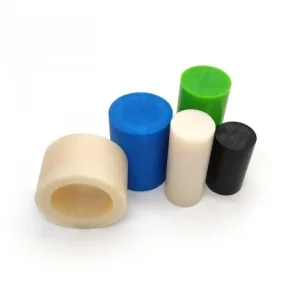
Discount Engineering Plastic Cast Board PA6 Polyamide Nylon Board & Rod
View Specifications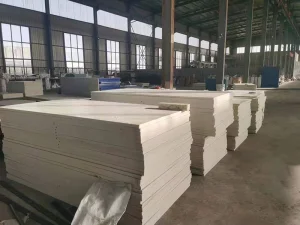
OEM Engineering Plastic Polyamide PA6 PA66 Nylon Sheet & Custom Slabs
View Specifications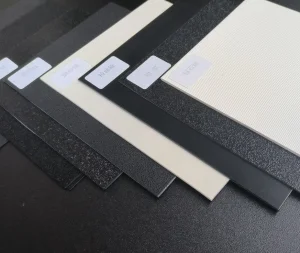
OEM Smooth Texture ABS Plastic Sheet for Appliances & Industrial Covers
View Specifications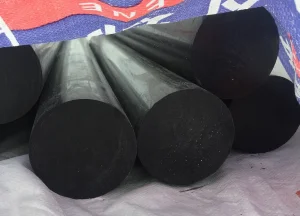
Wholesale POM Rod: Natural White & Black Delrin Acetal Plastic Bars
View Specifications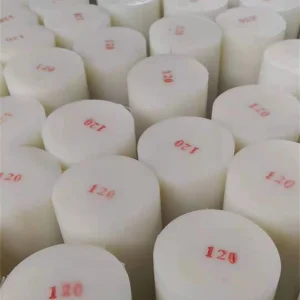
Oil-Filled Self-Lubricating Nylon & Glass-Filled PA66 Rods
View Specifications
Custom Color Engineering Plastic PA6 PA66 PP UHMWPE PTFE Sheets
View Specifications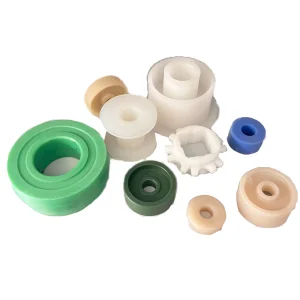
China High Precision CNC Machined Polymer Parts & Turnkey Components
View Specifications