
Standard & Custom PA6 Semi-Finished Shapes
Direct factory pricing on high-viscosity extruded Polyamide 6, monomer cast (MC) nylon boards, solid precision rods, heavy piling hammer rings, and multi-polymer industrial sheets manufactured under certified ISO 9001 quality management.
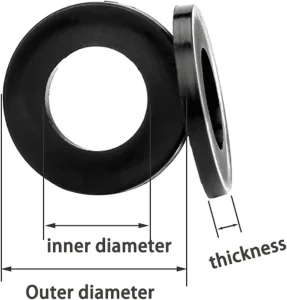
Famous Black Color Nylon Ring Cushion Use For Impact Hammer For Piling Machine Manufacturer, Manufacturers
Explore Specification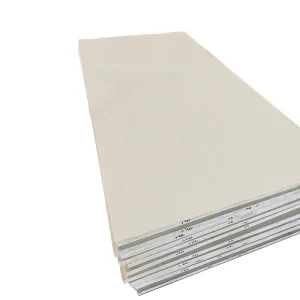
China China Engineering Plastic Casting Polyamide Nylon ABS PTFE HDPE UHMWPE Plastic Sheet Tube Rod And bar Customized Color With Size Suppliers, Companies
Explore Specification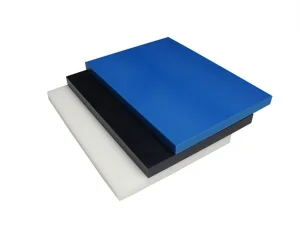
Cheap PTFE Sheet Supplier, Products
Explore Specification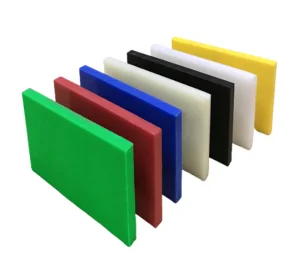
Buy MC Nylon Sheet Supplier, Company
Explore Specification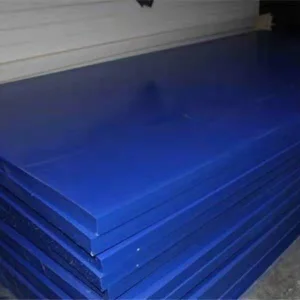
Cheap 2012 Latest Design China Factory Direct Sales Mc Nylon PA6 Sheet/ Polyamide Nylon Sheet Factories, Companies
Explore Specification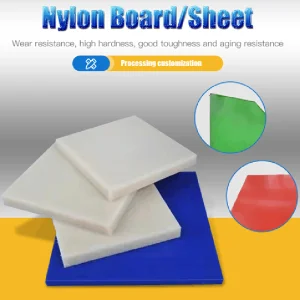
Famous Online Exporter China SBR Nitrile Insertion Cloth Nylon Rubber Mat Flooring Sheet Suppliers, Exporter
Explore Specification
China Special Price for Wholesale Plastic Borad PA6/PA66 Board Durable Nylon Rods for Various Uses Factory, Exporter
Explore Specification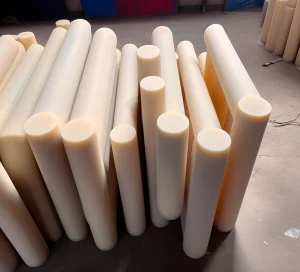
High-Quality MC Nylon Rod Manufacturer, Exporter
Explore SpecificationThe Engineering Foundations of Polyamide 6 (PA6)
An authoritative technical analysis of molecular weight distribution, degree of crystallinity, mechanical dissipation factors, and why PA6 remains the indispensable polymer for high-load industrial tribology.
Semi-Crystalline Morphology
PA6 (Polycaprolactam) is formed via the ring-opening polymerization of ε-caprolactam. Its chemical backbone consists of alternating hydrocarbon segments and polar amide (-CO-NH-) linkages. These hydrogen bonds allow high-density hydrogen-bonded crystalline sheet matrices (α and γ spherulite phases) that yield superior tensile yield strength (>80 MPa dry) and tremendous deflection under load without catastrophic brittle failure.
Mechanical Energy Damping
Unlike hardened carbon steels or rigid unplasticized fluoropolymers, PA6 displays a loss factor (tan δ) engineered to absorb high-frequency kinetic energy and shock cycles. In applications such as deep-foundation piling machine ring cushions, cast PA6 attenuates peak g-force shockwaves, safeguarding hydraulic driving rigs while dramatically reducing ambient acoustic emissions on construction jobsites.
Tribological Self-Lubrication
The dynamic friction coefficient of raw PA6 sliding against polished steel runs as low as 0.28 to 0.38 unlubricated, decreasing down to 0.12 when formulated with molybdenum disulfide (MoS2) or internal oil additives. As surfaces wear microscopically, polyamide transfer films form on mating metallic counterfaces, effectively inhibiting galling, adhesive micro-welding, and premature bearing seizure.
Technical Differentiation Note: While PA66 offers marginally higher thermal deflection thresholds (HDT of 85°C vs 70°C at 1.8 MPa unreinforced), virgin PA6 exhibits vastly superior impact resistance at low temperatures (-30°C Izod notch), higher elongation at break, and noticeably better machinability during precision lathe profiling and 5-axis CNC machining, drastically reducing chip binding.
Why Global Procurement Heads Partner Directly with China PA6 Exporters
Evaluating the operational economics, vertical integration of caprolactam monomer processing, and large-scale precision extrusion that generate unmatched cost-performance advantages.
Upstream Monomer Integration
Over 65% of global petrochemical caprolactam capacity is clustered within modern industrial parks across coastal China. Chinese polyamide processors access high-purity virgin resin flakes directly from adjacent synthesis reactors via pneumatic pipelines, entirely eliminating intermediary packaging, double-handling logistics, and ocean tariff surcharges.
Large-Scale Casting & Extrusion
Our manufacturing floor runs specialized horizontal and vertical automated casting carousels alongside high-torque single-screw degassed extrusion lines. We cast solid nylon stock up to Ø800 mm in diameter and extrude slabs up to 100 mm in thickness with continuous ultrasonic flaw detection to ensure 100% void-free internal molecular integrity.
Post-Cure Thermal Annealing
Internal mechanical stresses are the primary culprit behind warped machined nylon gears. We utilize industrial microprocessor-controlled mineral oil and hot-air annealing chambers running 48-hour heating and cooling ramps. This thermal conditioning relieves locked-in crystal orientation, ensuring dead-flat plates and rods that hold strict DIN ISO 2768 tolerances.
Economies of Scale & Price Stability
By processing thousands of metric tons per quarter, factory overhead, tooling retooling, and electrical energy consumption per kilogram are reduced to an absolute industrial baseline. These scale advantages translate directly into substantial discounts for international polymer distributors, system fabricators, and heavy machinery OEMs.
Comparative Tribology & Mechanical Property Matrix
Review quantitative laboratory test benchmarks across Extruded PA6, Monomer Cast MC Nylon, Acetal POM-C, and Ultra-High Molecular Weight Polyethylene (UHMWPE) to calibrate design safety factors.
| Property Parameter | Test Standard | Extruded PA6 | Monomer Cast MC901 | POM-C (Acetal) | UHMWPE (1000) |
|---|---|---|---|---|---|
| Density (g/cm³) | ISO 1183 | 1.14 | 1.15 - 1.16 | 1.41 | 0.93 - 0.94 |
| Tensile Strength at Yield (MPa) | ISO 527 | 82 | 88 - 92 | 67 | 23 |
| Modulus of Elasticity (MPa) | ISO 527 | 3,200 | 3,500 | 2,800 | 700 |
| Charpy Notched Impact (kJ/m²) | ISO 179 | 6.0 | 4.5 | 6.0 | No Break (>100) |
| Ball Indentation Hardness (N/mm²) | ISO 2039-1 | 155 | 170 | 140 | 38 |
| Coefficient of Dynamic Friction (Dry on Steel) | Tribo-Test | 0.32 | 0.25 - 0.28 | 0.30 | 0.15 |
| Heat Deflection Temp (1.80 MPa) (°C) | ISO 75 | 70 | 95 | 100 | 42 |
| Moisture Absorption (Sat. at 23°C/50% RH) (%) | ISO 62 | 2.8% | 2.2% | 0.2% | <0.01% |
*All figures represent mean values obtained from certified laboratory batch testing under dry-as-molded (DAM) conditions. Properties vary based on relative ambient humidity pre-conditioning and filler compounding ratios.
Worldwide Export Certification & Local Technical Support
Cross-border polymer procurement demands absolute regulatory verification. Our materials are fully documented, batch-traceable, and backed by factory engineering support from technical drafting to overseas port arrival.
Full RoHS 3 & REACH SVHC Auditing
Every production heat undergoes annual non-destructive spectrometer and chemical leaching validation by independent testing laboratories (SGS / TÜV Rheinland). Our semi-finished PA6 sheets and extruded rods comply with EU RoHS Directive 2011/65/EU and contain zero Substances of Very High Concern (SVHC) exceeding 0.1% w/w under Regulation (EC) No 1907/2006.
FDA 21 CFR 177.1500 Compliance
For food processing lines, pharmaceutical conveyor components, and automated sorting pucks, our unpigmented Natural PA6 grades are formulated with virgin, non-recycled monomer bases compliant with FDA regulations for repeated contact with aqueous, fatty, and dry foodstuffs, verified with comprehensive overall migration testing (OMT).
EN 45545-2 & UL94 Fire Hazard Rating
For mass transit rolling stock, railway track insulation plates, and electrical busbar supports, our specialized flame-retardant polyamide compounds achieve UL94 V-0 ratings without halogenated additives, meeting toxic smoke gas density and optical transmission limits according to EN 45545-2 Hazard Level HL2/HL3.
Dedicated Application Engineering
Procuring custom plastic machined parts requires more than basic commercial negotiation. Our senior mechanical tooling engineers offer comprehensive DFM (Design for Manufacturability) analysis, suggesting thermal expansion allowances, tooth pitch geometry modifications for PA6 gears, and press-fit interference calculations for self-lubricating sleeve bushings.
Pre-Conditioned Moisture Packaging
Because polyamide exhibits hygroscopic properties, improper maritime transit packaging can result in dimension creep before the goods arrive at the client's machining floor. We offer desiccated vacuum barrier foil wrapping or pre-conditioned equilibrium stabilization baths (2-3% moisture content) so that machined components retain final tolerances upon installation.
100% Raw Material Lot Traceability
Every pallet, rod, and machined batch is tagged with a unique laser-etched QR code and physical job traveler. Mill Test Certificates (EN 10204 3.1) detailing monomer batch chemistry, melt volume rate (MVR), tensile yield, and ultrasonic porosity verification are supplied with every bill of lading.
Mission-Critical Field Applications for Engineered PA6
Examining how high-performance polyamides replace heavy bronzes, cast irons, and costly super-alloys across harsh operational environments worldwide.
Heavy Construction: Piling Impact Cushions
Piling rigs and hydraulic drop hammers subject driving caps to recurring 20-ton kinetic shocks. Steel-on-steel impact causes severe micro-cracking and hammer head destruction. High-density black MC PA6 ring cushions withstand sustained high-cycle mechanical compression while providing the exact elasticity required to transfer driving energy without fracturing concrete or steel pilings.
Offshore & Marine: Crane Wire Rope Sheaves
Harsh marine salt-spray rapidly corrodes traditional cast iron sheaves, causing abrasive wire rope grooving that slashes rope operational life. Cast nylon MC901 sheaves are totally impervious to saltwater corrosion, reduce overall boom-tip weight by 85%, and cushion multi-strand wire ropes, extending expensive hoisting cable life by over 300%.
Mining & Bulk Material Conveyor Bearings
Coal, bauxite, and aggregate processing environments destroy lubricated ball bearings when fine dust ingress forms an abrasive grinding paste. Solid oil-filled PA6 flanged bushings operate completely lubricant-free. The embedded particulate settles harmlessly into the elastic polymer matrix without abrading the rotating stainless steel drive shaft.
The Next Decade of PA6 Polymer Innovation
Anticipating next-generation material science advances: from bio-derived caprolactam monomer syntheses to graphene-doped ultra-conductive polymers designed for EV thermal management.
Circular Feedstocks & Bio-PA6
To meet strict European Corporate Sustainability Due Diligence Directives (CSDDD), our research facilities are scaling depolymerization chemistry capable of converting reclaimed post-industrial fishing nets and carpet fibers back into virgin-grade ε-caprolactam. This closed-loop chemical recycling maintains identical mechanical tensile ratings while reducing Product Carbon Footprints (PCF) by over 60%.
Graphene & Carbon Nanotube Doping
Standard unreinforced PA6 acts as an electrical insulator with a surface resistivity of ~10¹⁴ ohms. By dispersing engineered graphene nanoplatelets and multi-walled carbon nanotubes (MWCNTs) within the molten caprolactam before casting, we yield permanently anti-static (ESD safe: 10⁶ to 10⁹ ohms) plates and wear strips engineered for volatile explosion-proof ATEX mining conveyors.
Thermally Conductive Formulations
Electric vehicle battery enclosures, motor end caps, and high-frequency inverters demand materials that shield electromagnetic interference (EMI) while sinking localized hot-spots. Our newly patented ceramic-whisker filled PA6 composites achieve in-plane thermal conductivity up to 2.5 W/m·K while maintaining high breakdown dielectric strength.
Frequently Asked Questions for PA6 Global Sourcing
Clear, technically accurate answers to the questions global procurement directors, mechanical design engineers, and industrial parts importers ask before contracting production runs.
What is the structural difference between Extruded PA6 and Cast MC Nylon (PA6G)?
Extruded PA6 is manufactured by melting pre-polymerized nylon pellets through a heated extruder barrel under high pressure. Monomer Cast Nylon (MC PA6 / PA6G) is produced via pressureless alkaline-catalyzed anionic polymerization directly inside molds. Cast nylon yields a substantially higher molecular weight (up to 300,000–500,000 g/mol vs 30,000–40,000 g/mol for extruded), resulting in higher crystalline density, improved tensile strength, better dimensional stability, greater wear resistance, and the ability to produce massive thick-wall slabs without internal sink voids.
How do you control dimensional tolerances when PA6 absorbs atmospheric humidity?
PA6 absorbs moisture from ambient air until an equilibrium state is achieved (~2.5% to 3.0% at 23°C / 50% Relative Humidity), which causes predictable dimensional expansion of approximately 0.2% to 0.3% per 1% moisture gained. For precision CNC-machined components requiring tight tolerances (±0.05 mm), our engineering team designs thermal expansion/hygroscopic allowances directly into the CAD master model. Additionally, we provide post-machining moisture pre-conditioning cycles so parts reach dimensional equilibrium before installation into mating metal housings.
Can you provide custom color-coded PA6 rods and sheets matching RAL standards?
Yes. In addition to our standard Natural (Ivory/Off-White), Engineering Blue (MC901), and MoS2 Black grades, our compounding lines utilize high-temperature organic and mineral color masterbatches to match exact client RAL or Pantone specifications. This includes bright Yellow for safety outrigger crane footpads, Signal Red for emergency guide rails, and Green for agricultural machinery sliders, all formulated with UV-stabilizer packages for extended outdoor service life.
What testing and quality documentation is supplied with international shipments?
Every export sea container or airfreight pallet leaves our manufacturing facility with complete documentation: EN 10204 Type 3.1 Mill Inspection Certificates containing real heat-run chemistry, actual tensile test curves, hardness measurements (Rockwell R / Ball Indentation), Certificate of Origin (Form E, CO, etc.), and complete RoHS/REACH SVHC declarations. Ultrasonic flaw inspection records are also provided for heavy diameter rods (Ø100 mm to Ø800 mm) verifying zero internal porosity.
What is the minimum order quantity (MOQ) and production turnaround for custom dimensions?
For standard stocked solid rods, hollow bars, and standard sheets (1000x2000 mm, 1220x2440 mm), we have zero MOQ restrictions and can dispatch inventory within 3 business days. For customized formulations (oil-filled, glass-fiber reinforced, customized cross-sections, or custom cast shapes), the standard pilot MOQ is typically 500 kg. Custom extrusion tooling lead times range between 10 to 14 days, with full-scale production completed within 20 calendar days.
Engineered Cast Rods, Wear Bushings & Advanced Polymers
Explore our extended industrial polymer catalog: impact cushions, multi-polymer hybrid rods, POM pipes, and precision cast MC nylon stock available with volume factory-direct export discounts.
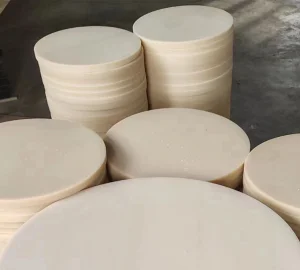
Discount Impact Cushion Use For Impact Hammer For Piling Machine Suppliers, Exporters
Explore Specification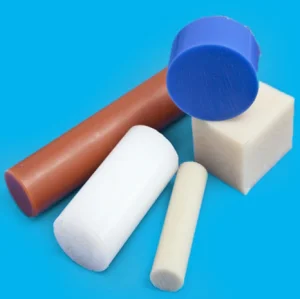
Famous China Engineering Plastic Polyamide PA6 PA66 Nylon PP UHMWPE PTFE HDPE ABS Plastic Rod And Bar Manufacturers, Suppliers
Explore Specification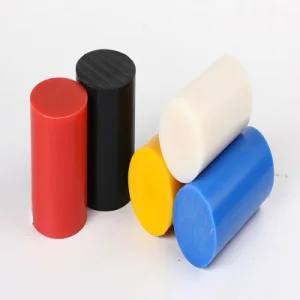
China Cast Nylon Rod Manufacturers, Products
Explore Specification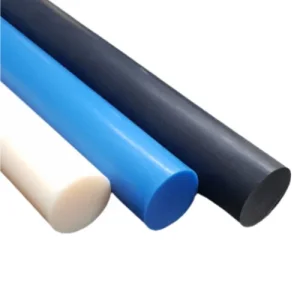
OEM Cast MC Nylon Rod Suppliers, Product
Explore Specification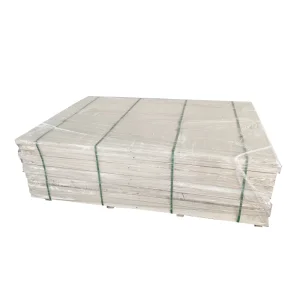
High-Quality China Engineering Plastic Polyamide PA6 PA66 Nylon PP UHMWPE PTFE HDPE ABS Plastic Sheet Tube Rod And Bar Customized Color With Size Suppliers, Factory
Explore Specification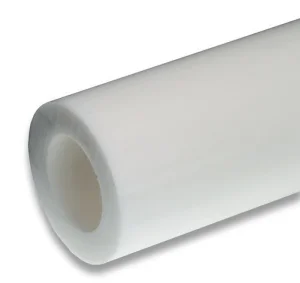
Cheap POM Tube White POM Tube, Black POM Tube, POM Pipe, POM Plastic Tube Pipe Factories, Exporter
Explore Specification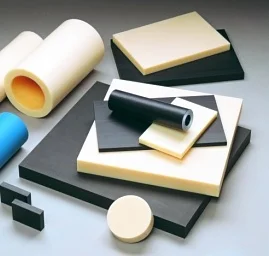
OEM Engineering Plastic Backing Casting Board Nylon PP ABS PTFE UHMWPE Board Sheet Rod Tube Waterproof Customized Color Made In China Manufacturer, Factories
Explore Specification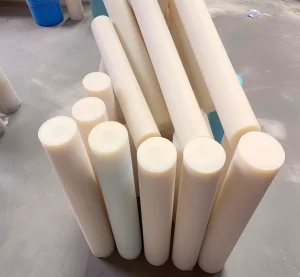
Wholesale Natural MC Nylon Cast Rod Supplier, Company
Explore SpecificationOptimizing Your PA6 Sourcing Specification Checklist
Accelerate quotation cycles and prevent expensive cross-border engineering revisions by aligning your inquiry package with factory production standards.
1. Clarify Operating Environmental Stress
Always stipulate peak operating temperatures, exposure to UV radiation or industrial steam, contact with aggressive solvents/ketones, and expected mechanical duty cycles. This allows our metallurgical and polymer engineers to recommend standard virgin PA6 or upgrade to oil-impregnated or MoS2-filled casting stock.
2. State As-Delivered Dimensional Standards
For rough-cut plates and billets intended for downstream machining at your local facility, specifying generous outer diameter/thickness tolerances saves stock material costs. For finished components, upload 2D drawings with critical GD&T datums alongside 3D STEP/IGES solid models.
3. Define Incoterms & Protective Packing
We offer FOB Tianjin/Qingdao, CIF global major ports, and DDP direct warehouse deliveries. Solid polyamide rods are wrapped in water-resistant polyethylene film, secured in reinforced fumigated wooden crates with interior shock isolation, ensuring zero mechanical gouging or marine moisture saturation in transit.