
High-Performance Polymer Stock & Components
Procure premium heavy-duty extruded and cast nylon materials engineered for extreme load absorption, low moisture expansion, and superior structural rigidity.
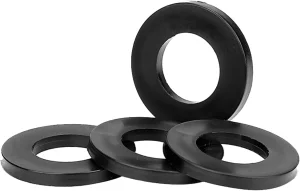
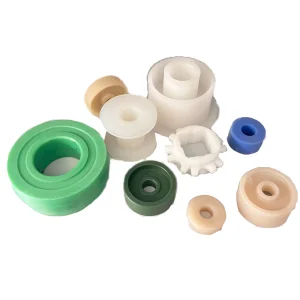
Discount Impact Blue White Black Color Nylon Ring Cushion Use For Impact Hammer For Piling Machine Suppliers, Exporters
View Product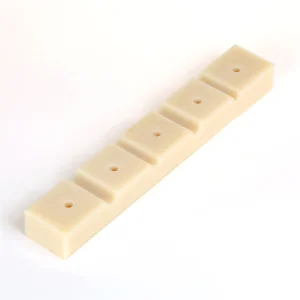
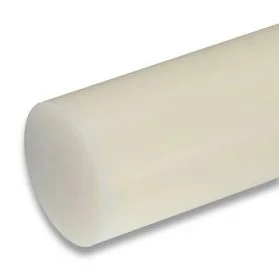
OEM Plastics Polyamide Natural Mc Nylon Cast Nylon PA6 Rod Round Bar Engineering Plastic Polyamide PA6 PA66 POM Nylon PP UHMWPE PTFE HDPE ABS Plastic Rod And Bar Manufacturer, Company
View Product
High-Quality China Engineering Plastic Polyamide PA6 PA66 Nylon PP UHMWPE PTFE HDPE ABS Plastic Sheet Tube Rod And Bar Customized Color With Size Suppliers, Factory
View Product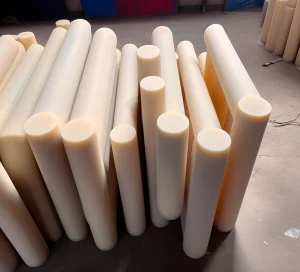
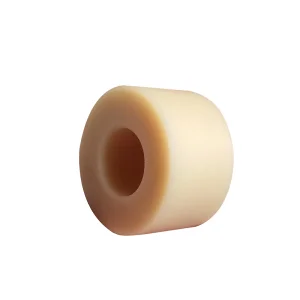
Cheap China Factory Engineering ABS,Nylon PP Plastic Tube, Plastic Tube ,POM Rod, PTFE Rod,PP Tube,PP Rod,ABS Rod,Nylon Rod Manufacturer, Product
View Product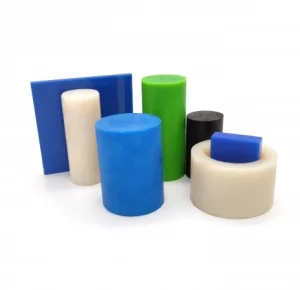
Buy Gold Supplier Engineering Plastic Polyamide PA66 Nylon PP UHMWPE PTFE HDPE ABS Plastic Sheet Rod And Bar Customized Color With Size Manufacturers, Exporters
View ProductGlobal Commercial Dynamics of Nylon Tubing
Polyamide tubing systems (PA6, PA66, PA11, and PA12) constitute the backbone of modern hydraulic transmission, automated fluidics, and heavy mechanical sleeves.
Procurement Economics & TCO
The transition from non-ferrous alloys to precision-cast monomer (MC) nylon hollow bars has rewritten industrial maintenance budgets. Sourcing discounted nylon tubes directly from original Chinese manufacturing facilities delivers immediate raw-material savings of 25% to 40% compared to Western regional stockists. The real return on investment (ROI), however, lies in Total Cost of Ownership: polyamide structures eliminate galling, lower frictional power draw, and significantly lengthen maintenance cycles in slurry or contaminated environments.
Monomer Casting vs. Extrusion
Engineering buyers face critical choices between continuously extruded PA6/PA66 and activated anionic polymerized Cast MC Nylon (PA6G). Continuous extrusion excels in pneumatic micro-tubing and high-volume thin-wall conduit up to 110 mm outer diameter. For massive cylindrical hollow bars, heavy bearing stock, and custom thick walls exceeding 500 mm OD, vertical and centrifugal monomer casting delivers superior molecular alignment, zero internal vacuum porosity, and a crystalline structure with higher heat deflection ratings.
Supply Chain Resiliency
Global supply networks demand rigorous supplier audits covering raw caprolactam monomer purity, strict annealing ovens, and precision sizing systems. Factory-direct partnerships with established polymer manufacturers ensure consistent crystalline density (1.15 to 1.16 g/cm³ for MC Nylon) and stress-relieved billets that do not distort during finish turning. This direct-to-mill integration shields tier-1 engineering contractors from the spot-market volatility that frequently affects secondary distributors.
Emerging Technologies & Polymer Trends
The engineering plastic domain is moving beyond unfilled standard resins toward modified tribological blends, cross-linked nanostructures, and bio-based high-stability monomers.
Self-Lubricating Blends
Modern fluid lines and mechanical sleeves incorporate liquid lubricants, dispersed graphite, or molybdenum disulfide (MoS₂) directly into the liquid monomer mix. During caprolactam polymerization, internally lubricated cast nylon (such as oil-filled nylon, green/yellow) achieves a dry dynamic friction coefficient below 0.12—less than half that of standard PA66. This advancement eliminates external greasing systems in food-grade material handling, deep subsea pivots, and high-altitude mining equipment.
Moisture Stabilization
Traditional polyamide 6 exhibits an equilibrium water absorption of roughly 6.5% to 8.5% under total immersion, which can induce 2% to 3% linear dimensional drift. Recent manufacturing processes resolve this via high-crystallinity long-chain aliphatic polyamides (PA11 and PA12) or custom chemical compounding using specialized nucleating agents. These advanced lines display less than 0.5% saturation absorption, preserving critical micro-tolerances across fluctuating marine and humid factory environments.
Closed-Loop Sustainable Monomer Systems
Regulatory frameworks such as the EU RoHS, REACH, and escalating carbon boundary adjustments (CBAM) are transforming chemical synthesis. Forward-thinking producers deploy chemical recycling processes capable of depolymerizing production turnings, edge trimmings, and reclaimed industrial scrap back into ultra-pure monomer caprolactam. The resulting recycled-content tubes deliver virgin-grade mechanical attributes with a 45% smaller carbon footprint, keeping OEM clients aligned with carbon compliance goals.
Engineering Tubing Performance Matrix
A multi-parameter material evaluation to guide machine builders, maintenance chiefs, and OEM designers toward the right polymer profile.
| Property / Characteristic | Cast MC Nylon (PA6G) | Extruded Nylon (PA66) | Acetal / POM-C | UHMW-PE (Virgin) | PTFE (Fluoropolymer) |
|---|---|---|---|---|---|
| Tensile Strength (MPa) | 80 - 90 | 85 - 95 | 65 - 72 | 25 - 35 | 20 - 30 |
| Flexural Modulus (GPa) | 3.3 - 3.6 | 3.0 - 3.4 | 2.8 - 3.0 | 0.7 - 1.0 | 0.5 - 0.7 |
| Coefficient of Dynamic Friction | 0.18 - 0.25 (0.12 oiled) | 0.25 - 0.35 | 0.20 - 0.28 | 0.10 - 0.15 | 0.04 - 0.08 |
| Water Absorption (24hr Immersion %) | 0.6% - 0.8% | 0.9% - 1.2% | 0.2% | < 0.01% | < 0.01% |
| Heat Deflection Temp (0.45 MPa, °C) | 170 - 185 | 180 - 200 | 150 - 160 | 65 - 75 | 120 - 130 |
| Abrasion & Impact Resilience | Exceptional (High load) | High (General duty) | Moderate (Gears/Sliding) | Extreme (Slurry wear) | Low (Cold-flow prone) |
| Primary Application Envelope | Large sleeves, sheaves, rollers | Pneumatic tubes, wear pads | Dimensional tight valves | Chute liners, zero-friction | Chemical corrosive, cryogenic |
High-Stress Application Environments
How global industries configure cast and extruded polyamide tubing solutions to solve complex wear, vibration, and hydraulic challenges.
Offshore Crane Sheaves
Cast MC blue nylon hollow cylinders are turned into large-diameter sheaves, spools, and cable guide drums on oil platforms. Weighing only one-seventh the mass of cast steel, they lower boom tip inertia while preserving wire rope working life—the polymer flexing slightly under load to prevent spot bragg-stress concentrations.
Pneumatic Truck Air Brakes
Extruded semi-rigid nylon PA11 and PA12 tubes dominate commercial vehicle braking loops across North America (DOT FMVSS 106 compliant) and Europe (DIN 74324 certified). These systems withstand continuous mechanical vibration, road-salt corrosion, petroleum spatter, and sudden thermal shifts from -40°C to +100°C.
Rotary Filling Bushings
High-speed beverage bottling conveyors utilize precision-machined PA6 food-contact grade sleeves. Operating completely dry without external petroleum lubricants, they eliminate food contamination risks while shrugging off acidic fruit washdowns, cleaning chemicals, and high-pressure steam flushes.
Heavy Piling Machine Dampers
Foundation hydraulic pile hammers demand extreme impact buffering. Monomer-cast resilient blue and white nylon impact rings absorb immense percussive shock energy, dampening metallic hammer stress and preserving expensive alloy ram tools without premature cracking or deformation.
Macro Supply Chain Solutions for Engineering Assemblies
Proven frameworks to streamline international shipping, verify dimensional accuracy, and optimize multi-material factory consolidations.
Stress Annealing Protocols
A frequent challenge with thick-walled polyamide hollow bars is internal stress, which causes ovalization or warping during boring and turning. Reputable Chinese producers utilize closed-loop, microprocessor-controlled convective heat ovens for secondary cycle annealing. Subjecting raw cast blanks to a 48-hour cycle of controlled ramp-up, extended soaking below the melting point, and gradual cooling relives internal stress, ensuring sub-millimeter tolerances on finished parts.
Consolidated Polymer Container Logistics
Industrial machinery projects rarely run on polyamide alone. Sourcing directly from an integrated polymer hub like SHUNDA enables single-container shipments pairing heavy cast nylon hollow bar stocks with POM acetal rods, wear-resistant UHMWPE liners, corrosion-resistant PP boxes, and CNC-finished guide plates. This one-stop approach cuts clearing costs, simplifies QA reviews, and reduces international logistics overhead.
Direct OEM Drawing Verification
Avoid mid-ocean misunderstandings. Our engineering sales group cross-checks your 2D DXF or 3D STEP drawings against polymer-specific machining realities, accounting for thermal expansion, tool rake angles, and drill chuck pressures. Detailed inspections—including ultrasonic flaw detection for heavy cast blanks—protect every batch before it departs our Hebei factory floor.
Technical Roadmap & Future Outlook
Strategic directions guiding the research, extrusion compounding, and monomer synthesis of polyamide materials over the coming decade.
Phase I: Graphene & Carbon Nano-Reinforcements
Compounding caprolactam mixtures with functionalized graphene platelets and carbon nanotubes is unlocking unprecedented thermal dissipation in continuous wear sleeves. These nanocomposite nylon tubes dissipate friction-induced heat hotspots up to 300% faster than unfilled PA6, pushing PV (pressure-velocity) envelopes into domains previously reserved for metallic bearings.
Phase II: High-Pressure Hydrogen & Alternative Fuels
The green hydrogen economy is sparking a push for specialized polyamide formulations. Next-generation multi-layer PA12 tubes incorporate internal barrier layers designed to resist cyclic hydrogen embrittlement and permeation at pressures up to 700 bar. This opens new deployment pathways across alternative mobility fuel systems and green ammonia processing infrastructure.
Phase III: Smart Embedded Sensor Tubes
Future intelligent plants demand component-level diagnostic feedback. Research into co-extruded conductive polymer traces directly along the outer diameter of nylon hydraulic tubes allows real-time structural health monitoring. These smart tubes report wall thinning, strain spikes, and micro-cracking back to central AI analytics systems well before critical hydraulic failure occurs.
Engineered Semi-Finished Stock & Custom Shapes
Explore our full range of certified engineering polymers: nylon, POM acetal, Teflon PTFE, HDPE, and UHMWPE semi-finished stocks.
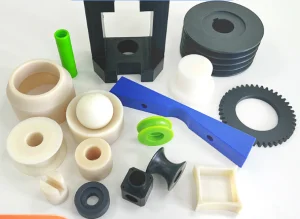
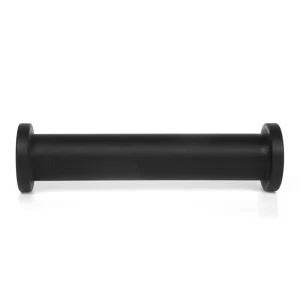
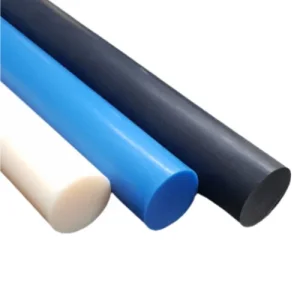
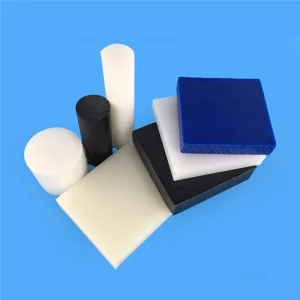
Famous Engineering Plastic Cast Sheet Board PA6 Polyamide Nylon PP HDPE ABS Plastic Rod And Bar Customized Color With Size Exporters, Companies
View Product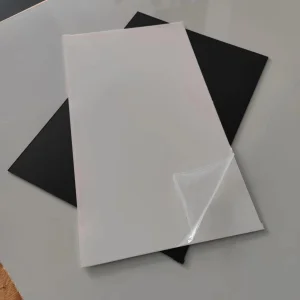
Cheap China Engineering Plastic OEM Polyamide PA6 PA66 Nylon PP UHMWPE PTFE HDPE Smooth ABS Plastic Sheet Factory Customized Color With Size For Refrigerator Door Manufacturer, Companies
View Product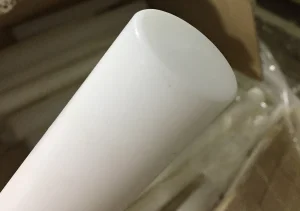
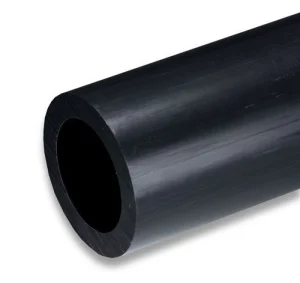
Discount POM Tube Black POM Tube, White POM Tube, POM Pipe, POM Plastic Tube Pipe Exporters, Product
View Product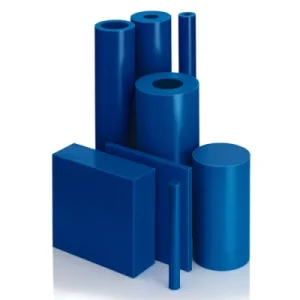
Frequently Asked Questions: Sourcing & Engineering
In-depth technical answers addressing material selection, dimensional drift, burst pressures, and factory testing standards.