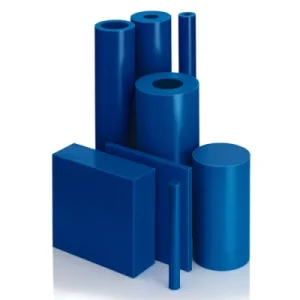
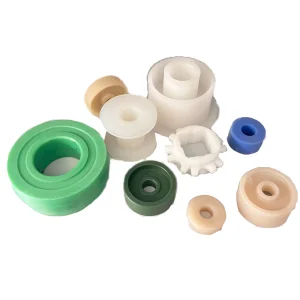
Precision Semi-Finished Engineering Plastics & Components
Direct procurement catalog featuring virgin grade polymer blocks, shock-absorbing pile hammer pads, structural cast nylon, and wear-resistant UHMWPE/HDPE stock.
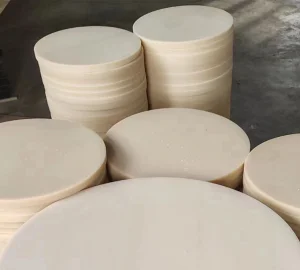
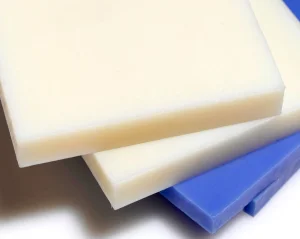
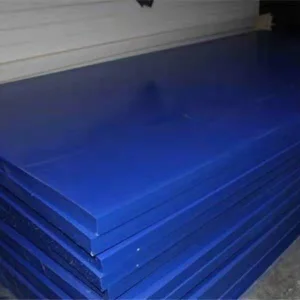
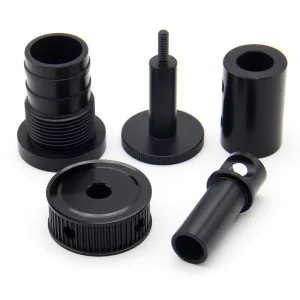
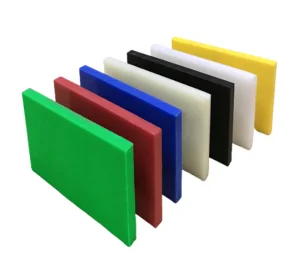
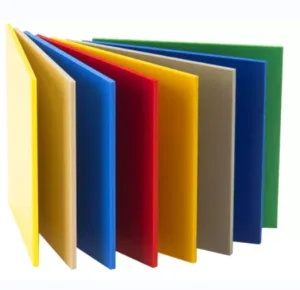
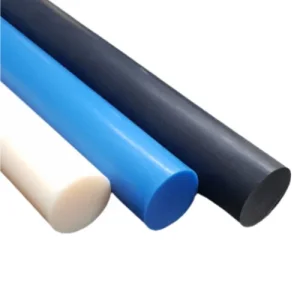
High-Density Polyethylene Block Manufacturing: Material Integrity & Annealing Physics
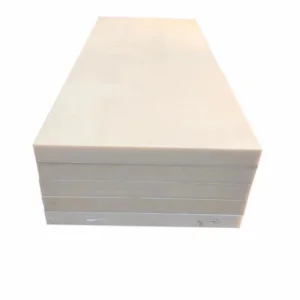
In high-load mechanical fabrication, sourcing from a recognized Discount HDPE Block Manufacturer is no longer simply an exercise in unit-cost minimization. For procurement directors, plant engineers, and tier-1 OEM fabricators, true economy is defined by molecular weight retention, thermodynamic stability, and internal void prevention. High-Density Polyethylene (HDPE, PE300 / PE-HD) solid blocks are ubiquitous across chemical handling, heavy marine construction, semiconductor tooling, and industrial chute dampening due to their high strength-to-density ratio, zero hygroscopic expansion, and exceptional resistance to strong chemical leaching.
However, thick cross-section HDPE blocks (ranging from 50mm up to 300mm in single-pour or sintered formats) are notoriously susceptible to internal vacuum cavities, differential shrinkage, and residual freezing stress. As a leading manufacturer with over two decades of production heritage in Hebei, China, SHUNDA eliminates internal micro-porosity through automated multi-stage hydraulic compression sintering and proprietary thermal annealing cycles. By ramping cooling curves at an ultra-low gradient under uniform isobaric pressure, our polymer matrix achieves full semicrystalline uniformity. The result is an isotropic HDPE slab that can be heavily hogged, milled, and bored on multi-axis CNC machines without warping, bowing, or stress cracking over prolonged operational service.
| Property Matrix Parameter | Test Standard (ASTM/ISO) | SHUNDA Virgin HDPE Block | Commercial Grade Recycled Mix | Operational Significance |
|---|---|---|---|---|
| Bulk Density | ISO 1183 / ASTM D792 | 0.955 – 0.965 g/cm³ | 0.920 – 0.940 g/cm³ | Prevents structural sink marks and porosity during deep CNC hogging. |
| Tensile Yield Strength | ISO 527 / ASTM D638 | 26 – 32 MPa | 16 – 22 MPa | Guarantees dimensional retention under high dynamic compression. |
| Shore D Hardness | ISO 868 / ASTM D2240 | 65 – 68 Shore D | 56 – 62 Shore D | Resists surface gouging from particulate abrasives in slurry lines. |
| Elongation at Break | ISO 527 | > 600% | < 200% | Prevents catastrophic fracture under heavy mechanical impact. |
| Dielectric Breakdown | IEC 60243 / ASTM D149 | 45 – 50 kV/mm | 20 – 30 kV/mm | Critical electrical isolation in galvanic corrosion environments. |
| Working Temp Envelope | Thermal Analysis | -50°C to +85°C continuous | -20°C to +65°C discontinuous | Sub-zero cryogenic toughness without embrittlement or cracking. |
China Factory Supply Chain Advantages in Large-Format HDPE Block Production
How direct-from-source engineering plastics synthesis unlocks radical cost efficiency, bulk volume reliability, and tight quality governance for international enterprises.
Petrochemical Petro-Cluster Closeness
Located in the heart of Hebei’s manufacturing corridor, SHUNDA sources high-purity virgin ethylene polymer resins directly from national petrochemical refining centers. Sourcing bulk masterbatches directly eliminates middleman distributor markups, guaranteeing prime virgin purity free from cross-polymer contaminants.
In-House 5-Axis Sintering & Machining
Unlike trading vendors who broker semi-finished plates to third-party CNC shops, our facility integrates heavy plate hydraulic compression presses, profile extrusion lines, and heavy-duty 5-axis CNC machining centers under one manufacturing roof. This ensures zero handoff delays and absolute dimensional accountability.
Global Export Ready Logistics & Packing
Thick-gauge polymer slabs are sensitive to corner damage and moisture exposure in maritime transit. Our factory provides automated ISPM-15 heat-treated crating, UV-inhibiting protective films, and desiccated container-level moisture sealing to ensure zero surface oxidation or warping upon arrival at European or American deepwater ports.
Deciphering Global Enterprise Purchasing Requirements for Discount HDPE Blocks
Addressing the complex engineering trade-offs required by tier-1 automotive suppliers, maritime infrastructure contractors, and global distribution syndicates.
Full Mill Test Traceability (EN 10204 3.1)
Global aerospace, marine, and defense buyers require complete lot-level batch traceability. Every shipment of SHUNDA HDPE blocks is accompanied by comprehensive Melt Flow Index (MFI) verifications, raw density spectrometry, and tensile certificates.
Stress Relief & Dimensional Planarity
When milling deep pockets or gear profiles from thick blocks, unannealed stock tends to banana or twist. Global fabricators mandate stress-relieved slabs with continuous planarity across full 1220×2440mm and 1500×3000mm profiles.
Regulatory Conformity & Cleanliness
For applications in pharmaceutical processing, municipal water containment, and food contact lines, blocks must comply with strict FDA 21 CFR 177.1520, EU 10/2011, and RoHS/REACH environmental safety thresholds with zero phthalate additives.
Rapid Prototype to Full FCL Scalability
Procurement teams need a manufacturing partner who can supply low-volume custom prototypes for engineering trials and seamlessly scale to multiple 40ft High Cube containers of standardized blocks without fluctuating resin chemistries.
Localized Engineering Application Scenarios: HDPE Blocks in Hostile Environments
Discover how heavy-duty Polyethylene blocks solve critical mechanical, wear, and corrosion challenges across diverse industrial disciplines.
Heavy Marine & Fender Facings
Saltwater exposure oxidizes steel and rots timber. Solid HDPE blocks function as sacrificial dock rub-strips, lock gate seals, and dolphin fender pads that resist marine borers and constant seawater immersion.
Sanitary Food & Meat Cutting Blocks
High-density PE blocks provide superior knife-edge preservation, zero moisture harboring, and high tolerance to aggressive caustic CIP (clean-in-place) sterilization chemicals in food packaging automation.
Heavy Equipment Outrigger Pads
Crane and mobile piling rig operators deploy our machined HDPE structural blocks as ground-bearing outrigger support blocks, evenly dispersing point-loads and preventing ground subsidence on construction jobsites.
Acid & Alkali Chemical Scrubbers
Machined manifolds, valve bodies, and electrolytic cell bases crafted from our blocks withstand concentrated sulfuric, hydrochloric, and hydrofluoric acids where stainless steel or brass alloys rapidly corrode.
Conveyor Slider & Scraper Profiles
Bulk materials handling installations utilize machined HDPE guide rails and belt scrapers to handle grain, coal, and aggregates, capitalizing on the polymer’s self-lubricating coefficient of friction.
Emerging Technological Trends in Polyolefin Block Manufacturing
Next-generation additives, sustainable circular feedstocks, and ultra-high-pressure composite innovations shaping polymer manufacturing.
Advanced UV-Stabilized & Flame-Retardant Formulations
Conventional polyethylenes degrade under protracted solar UV radiation and are inherently flammable. Modern industrial demands have spurred the integration of hindered amine light stabilizers (HALS) and non-halogenated intumescent flame-retardant chemistry (UL94 V-0 compliance) directly into extruded HDPE block feedstocks, extending external marine lifetimes beyond 15 years.
Electrostatic Dissipative (ESD) & Conductive Grades
In explosive petrochemical or dust-heavy coal handling, electrostatic discharge presents major explosion hazards. By integrating conductive carbon nanotubes or high-structure conductive carbon black, our factory produces specialized Anti-Static / ATEX-compliant HDPE blocks that provide a surface resistivity of 10³ to 10⁶ ohms/sq without sacrificing structural impact strength.
Closed-Loop PCR Blends & Decarbonization Targets
Global environmental mandates (including EU CSRD regulations) are driving demand for certified Post-Consumer Recycled (PCR) engineering blocks. Our manufacturing processes now offer precisely graded hybrid formulations combining 30% to 50% single-source recycled polymer with high-density virgin carriers, lowering total carbon footprint while maintaining ASTM load ratings.
Localized Support & Global Compliance Guarantees
Protecting global importers from supply chain friction, custom border holdups, and technical non-conformance.
Strict International Certification
Our raw materials and finished blocks are fully audited and documented under ISO 9001:2015 quality management procedures, with comprehensive compliance documentation for FDA 21 CFR, RoHS 2.0, REACH, and SVHC chemical restriction lists.
Multilingual Engineering Assistance
Avoid communication breakdowns in critical machining projects. Our technical sales engineers understand ASME Y14.5 and ISO drawing standards, verifying CAD models and tolerances within 12 hours of inquiry submission.
Flexible Incoterms & Customs Clearance
We provide full documentation packages for FOB, CIF, DDP, and DAP terms. Complete HS code classification (HS 3920.10 / 3926.90) and Certificates of Origin (Form E, CO) ensure smooth customs clearance with minimal duty friction.
Sample Validation & Lab Analysis
To eliminate procurement uncertainty, we provide expedited dimensional test coupons and pre-production machined blocks for laboratory verification prior to authorizing full container extrusion runs.
Frequently Asked Questions: Sourcing & Machining HDPE Blocks
Direct technical guidance from SHUNDA's polymer application engineers.
What distinguishes a true engineering HDPE block from a low-grade commodity slab?
Low-grade commercial PE slabs frequently utilize heterogeneous regrind pellets, uncontrolled cooling racks, and fillers that introduce micro-voids, severe internal stress, and lower molecular weight chains. A certified engineering HDPE block manufactured by SHUNDA utilizes 100% virgin polymer resin, precisely monitored hydraulic compression or ultra-slow profile extrusion, and comprehensive thermal annealing cycles. This process yields zero internal vacuum pockets and an isotropic polymer structure that maintains dimensional stability when machined.
How do HDPE blocks compare with Cast Nylon (PA6) and UHMWPE?
HDPE delivers superior chemical resistance, near-zero moisture absorption (<0.01%), excellent weldability, and exceptional cost-effectiveness. Cast Nylon offers higher mechanical tensile strength and superior load-bearing capacity under impact, but it absorbs ambient moisture (up to 6-8%), leading to dimensional expansion in humid or submerged environments. UHMWPE provides supreme abrasion and wear resistance with lower friction, but it is more difficult to machine cleanly and has a higher material acquisition cost.
What tooling and spindle parameters are recommended for machining HDPE blocks?
Because HDPE has a low melting threshold (~130°C–135°C), chip clearance and thermal extraction are vital. We recommend polished carbide or diamond-coated single-flute or two-flute upcut end mills with generous rake angles. Maintain high feed rates with moderate spindle speeds (e.g., 12,000–18,000 RPM at 4,000–8,000 mm/min feed, depending on cutter diameter) and utilize compressed air vortex cooling rather than liquid coolants to prevent re-welding of chips onto cut surfaces.
What maximum thickness dimensions can SHUNDA manufacture and export?
Our heavy-duty hydraulic pressing lines can produce solid, fully cured HDPE blocks up to 300 mm (12 inches) in thickness, with standardized sheet sizes of 1000×2000 mm, 1220×2440 mm (4×8 ft), 1500×3000 mm, and custom cut-to-size block profiles. Custom pre-squared billets can also be milled directly to client dimensions to reduce end-user machining waste.
Can HDPE blocks be joined or welded into larger structural assemblies?
Yes. HDPE is non-polar and inherently difficult to bond with traditional chemical adhesives, but it is one of the easiest engineering plastics to join thermally. Standard welding methods include hot gas extrusion welding, butt fusion, and electrofusion using compatible virgin HDPE welding rod. Joint efficiencies regularly exceed 85–90% of the parent material's tensile rating when executed under controlled thermal parameters.
What is the standard production and delivery lead time for FCL orders?
Standard color stock blocks (natural white, black, green) within common gauges typically ship within 7 to 10 working days. Full Container Load (FCL) orders requiring customized color-matching, UV-inhibiting additives, or custom CNC cutting are completed in 15 to 20 days. Shipments are quickly transferred to Tianjin Port for maritime dispatch worldwide.
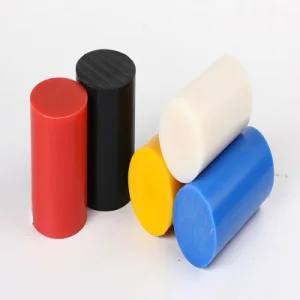
Precision Extruded Rods, Specialized Sheets & Fabricated Parts
Explore our comprehensive industrial catalog including reinforced nylon cushions, extruded PP/PE bars, heavy-gauge molded boards, and custom CNC wear assemblies.